A Self Drive Namibia Botswana Itinerary
There is a unique and profound freedom that comes with exploring Africa on your own terms, at your own pace. A map on your dashboard, a well-equipped 4x4, and two of the continent's most staggering wilderness destinations unfolding before you. This is the promise of a journey across Namibia and Botswana. For the independent traveller with a spirit of adventure, a self drive namibia botswana itinerary is not just a holiday; it's a modern-day expedition into landscapes of immense scale and beauty, teeming with resilient wildlife. At Safari Stays, we believe this is one of the greatest road trips on Earth, and we’ve crafted this guide to help you navigate it with confidence.
The Allure of the Open Road
Why choose to drive yourself when you could fly between destinations? The answer lies in the journey itself. A self-drive safari fosters an intimate connection with the land. You feel the subtle shift as the gravel of the Namib Desert gives way to the sandy tracks of the Kalahari. You witness the morning light creep over a silent, stony canyon and decide to linger, simply because you can. This autonomy is the ultimate luxury.
Driving these vast distances allows you to appreciate the sheer scale of southern Africa. It’s in the hours spent on empty roads, with nothing but shimmering horizons ahead, that the true sense of escape sets in. You are the architect of your own adventure, choosing when to stop for a photograph, when to brew coffee by the roadside, and which dusty turn-off to explore.
The Ultimate Self Drive Namibia Botswana Itinerary
This three-week itinerary is a classic route, offering a perfect balance between iconic highlights and the rewarding feeling of connecting the dots yourself. It’s designed to be challenging but achievable, showcasing the dramatic contrasts between Namibia’s arid landscapes and Botswana’s lush waterways.
Part 1: Namibia's Stark Beauty (Days 1-10)
The journey begins in Namibia, a land of ancient deserts, towering dunes, and dramatic coastlines.
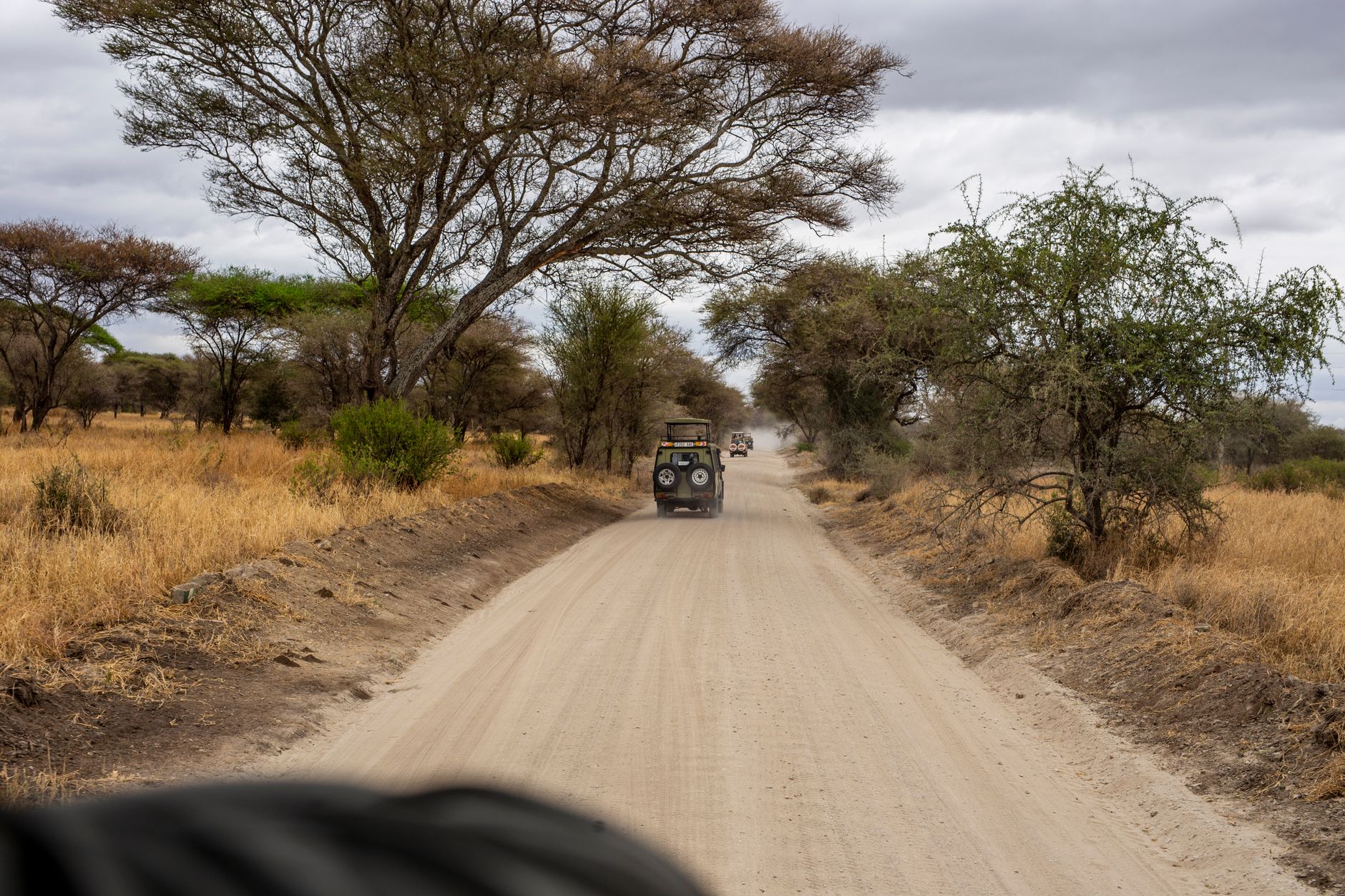
Your adventure starts in Windhoek, Namibia’s charming capital. On Day 1, you'll collect your pre-booked 4x4—this will be your trusted companion and home for the next three weeks. After stocking up on supplies, you’ll head south, the tarmac eventually giving way to the well-maintained gravel roads that signal your entry into the wild heart of the country.
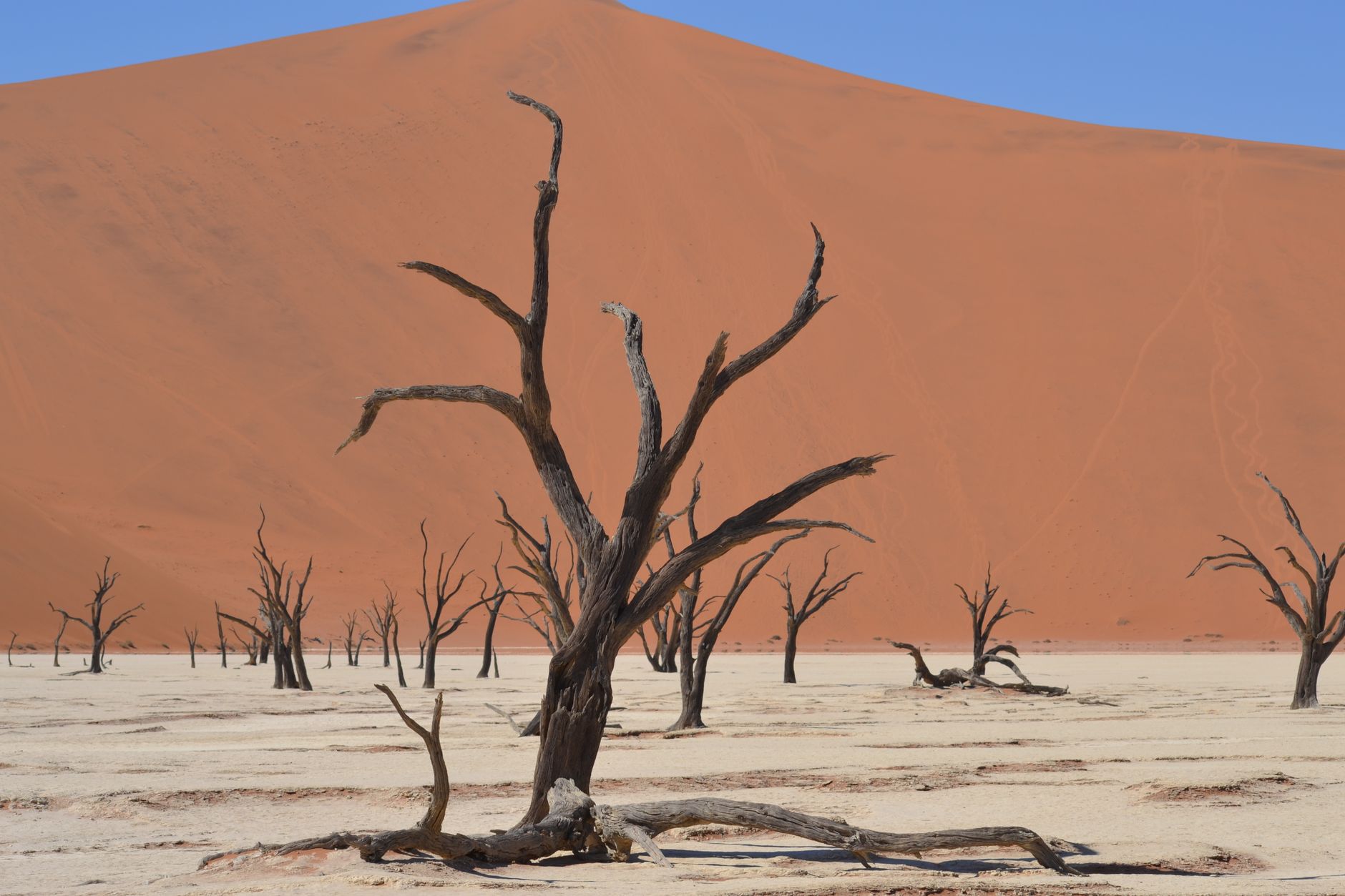
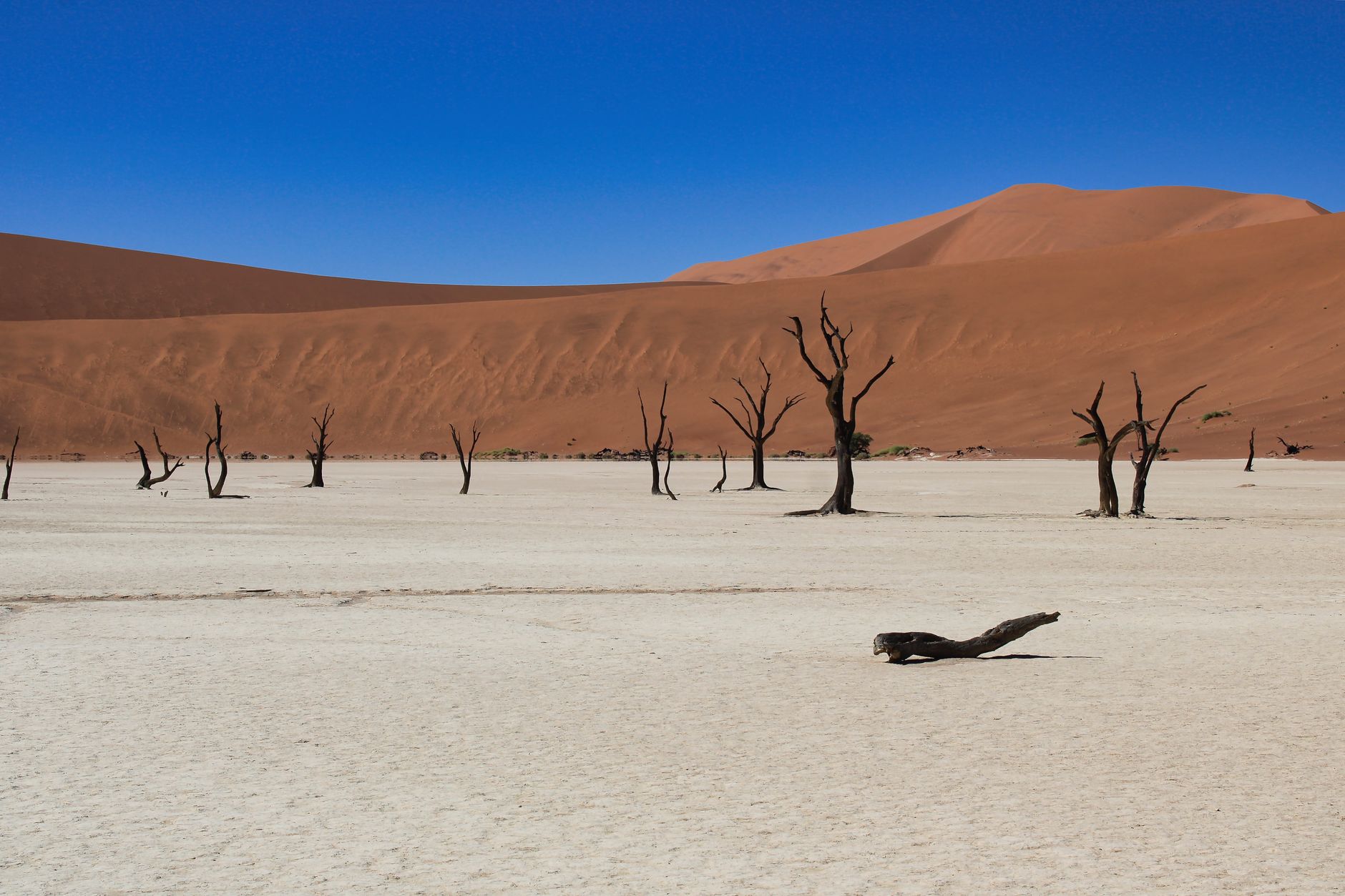
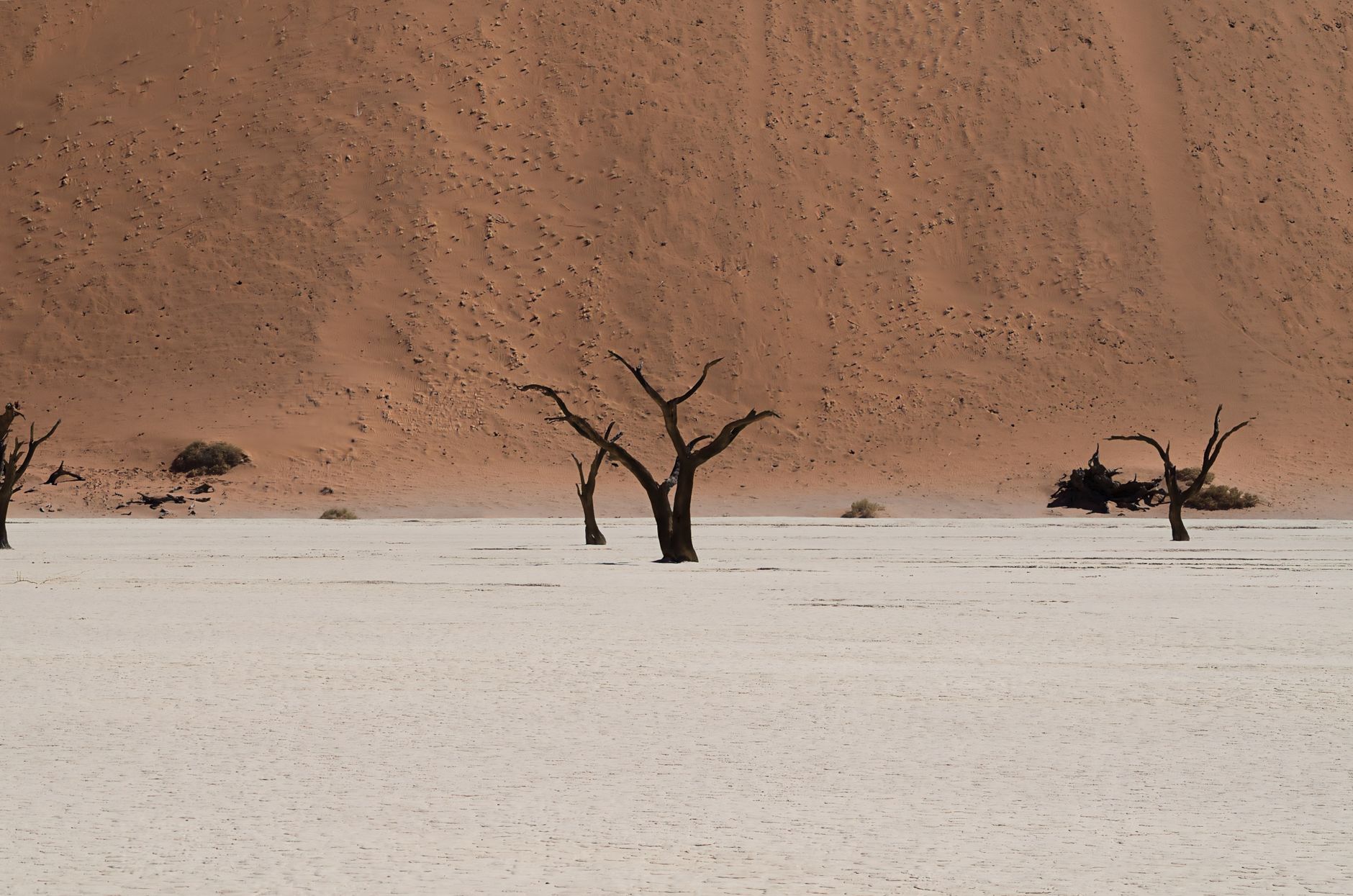
Days 2 and 3 are dedicated to the awe-inspiring dunes of Sossusvlei. Rise before dawn to enter the park gates, a ritual that rewards you with the magical morning light painting the world's highest dunes in shades of apricot and crimson. Climb Dune 45 for a panoramic view before venturing deeper to the surreal, sun-scorched clay pan of Deadvlei, where 900-year-old skeletal trees stand frozen in time.
From the desert's heart, you’ll drive west towards the coast. Days 4 and 5 are for exploring Swakopmund and Walvis Bay, where the Namib Desert spectacularly meets the cold Atlantic Ocean. This is a place of contrasts and a hub for activities, from marine tours spotting dolphins and seals to thrilling drives through the nearby dunes. It’s a welcome chance to enjoy a fresh sea breeze and excellent restaurants.
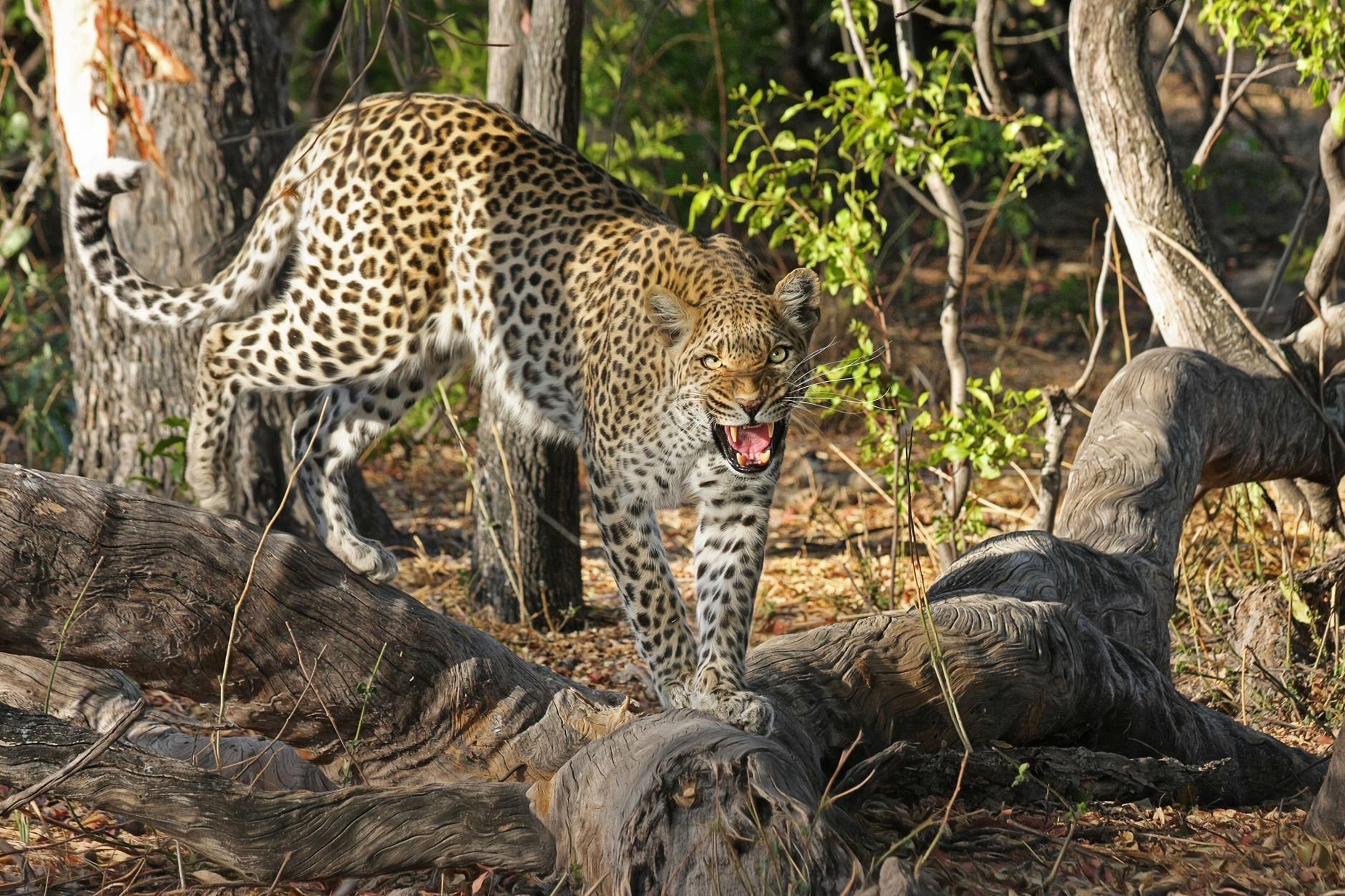
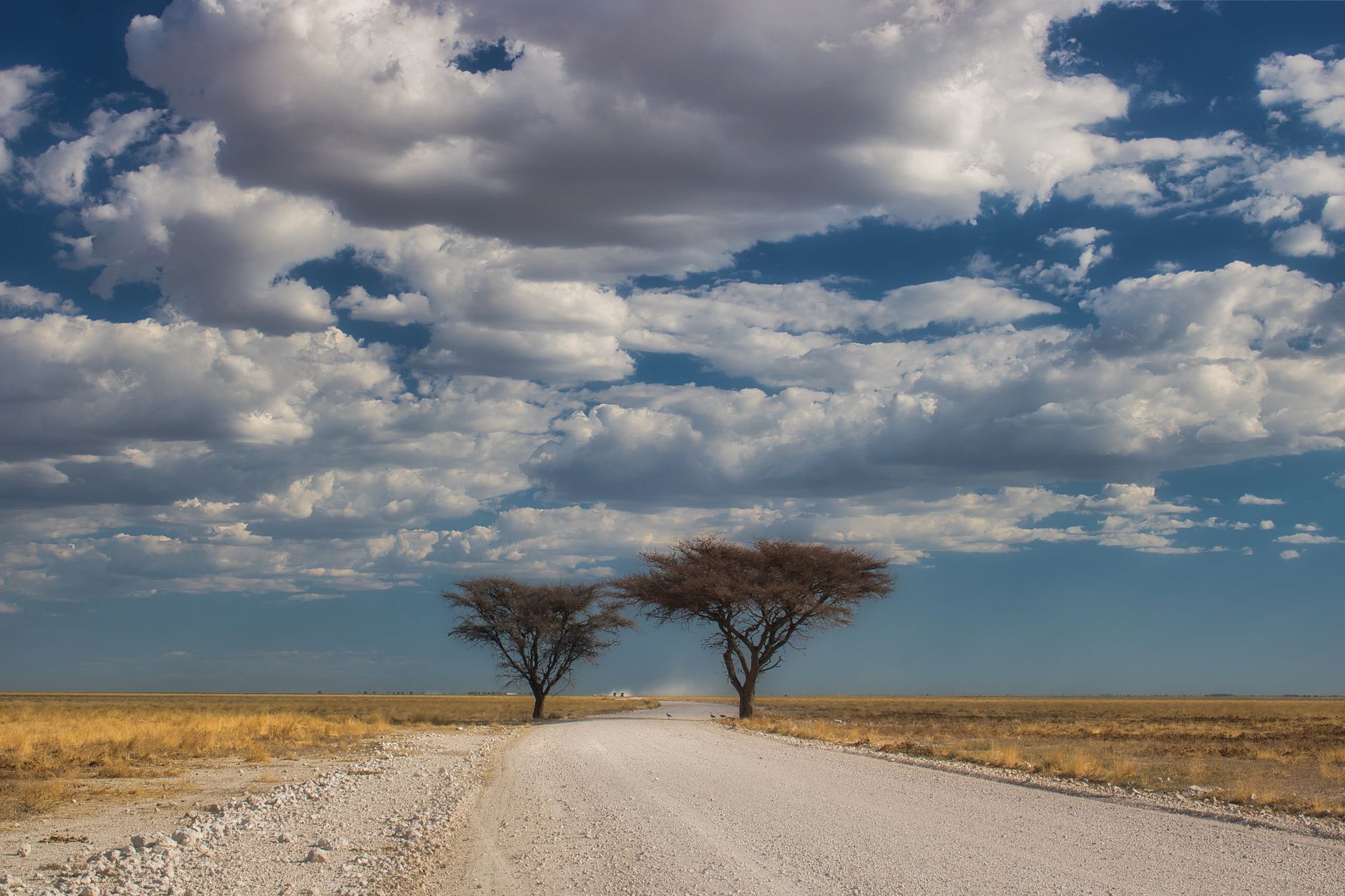
Heading north, Days 6 to 10 are a deep dive into one of Africa's premier wildlife destinations: Etosha National Park. After a potential stop in the ruggedly beautiful Damaraland, known for its desert-adapted elephants and ancient rock art, you'll enter Etosha. The park's genius lies in its waterholes, which act as natural theatres. During the dry season, you can simply park your vehicle at a waterhole and wait for the drama to unfold as a procession of Oryx, zebra, giraffe, and elephants arrive to quench their thirst.
Part 2: The Green Corridor - Caprivi Strip (Days 11-14)
Leaving the arid landscapes of Etosha behind, your journey east takes you into Namibia’s Zambezi Region, colloquially known as the Caprivi Strip. This narrow panhandle is a verdant, tropical corridor of rivers, wetlands, and lush forests, a stark and beautiful contrast to the desert you’ve left behind. The culture and environment here feel more connected to central Africa, and life revolves around the great rivers: the Okavango, Kwando, and Zambezi.
This part of the drive is about slowing down. The game viewing is more subtle, focused on riverine species like hippo, crocodile, and a magnificent array of birdlife. The lodges in the Caprivi Strip region offer a perfect riverside respite, where sunset boat cruises replace dusty game drives.
Part 3: Botswana's Watery Wilderness (Days 15-21)
From the Caprivi, you'll cross the Ngoma border into Botswana, a country that has dedicated nearly 40% of its land to conservation. Your first stop is the legendary Chobe National Park. The Chobe Riverfront is renowned for having one of the largest concentrations of wildlife in Africa, most famously its vast elephant herds. A river cruise here is essential; witnessing hundreds of elephants drinking, swimming, and playing in the water is an experience that will stay with you forever.
From Chobe, you'll journey south towards the jewel in Botswana’s crown: the Okavango Delta. For a self-driver, accessing the deeper parts of the delta can be challenging, but many incredible lodges are reachable. Consider a stay at a place like Okavango Khwai Lodge in the Khwai concession, a community-run area bordering the Moremi Game Reserve, to immerse yourself in this unique ecosystem. Here, the safari experience changes again, with options for traditional mokoro (dugout canoe) excursions through the quiet channels.
Your epic road trip concludes in Maun on Day 21. This bustling safari town is the gateway to the Delta and the logical place to drop off your vehicle, catch a flight home, or plan your next adventure.
Essential Planning Tips
Your Vehicle is Your Lifeline
Do not underestimate the importance of your vehicle. A robust, well-maintained 4x4 is non-negotiable. Most rental companies in Namibia offer fully-equipped vehicles perfect for this type of trip. Ensure your rental includes:
- Rooftop tent(s) and full camping gear if you plan to camp.
- A long-range fuel tank or extra jerry cans.
- Two spare tires and a puncture repair kit.
- A GPS unit loaded with Tracks4Africa maps.
- An electric fridge/freezer powered by a dual-battery system.
- Basic recovery gear like a high-lift jack, sand-ladders, and a tow rope.
Navigating Borders and Bookings
The Ngoma border crossing between Namibia and Botswana is generally straightforward. Ensure your rental company has provided you with all necessary cross-border paperwork for the vehicle. It's also crucial to book your national park campsites and preferred lodges well in advance, especially if travelling during the peak dry season (June to October), as they fill up months, or even a year, ahead.
The Best Time to Travel
The dry months from May to October are considered the best time for this journey. Wildlife is easier to spot as animals congregate around water sources, and the road conditions are generally better. The days are warm and sunny, and the nights are cool. For more advice, you can review our ultimate safari packing list.
This journey across two countries is more than a simple holiday—it is an immersion into the wild heart of Southern Africa. It's a test of your planning, a reward for your adventurous spirit, and an experience that will etch itself into your memory. A well-planned self drive namibia botswana itinerary is your map to its soul.
---
The right accommodation can elevate your journey from great to unforgettable. Our safari experts have hand-picked a collection of lodges and camps across Namibia and Botswana that embody the spirit of their location. Explore our curated listings to find the perfect stops for your African road trip.
Ready to plan your trip?
Check live availability, compare lodges and book instantly — or send us an enquiry and we'll help shape the route.