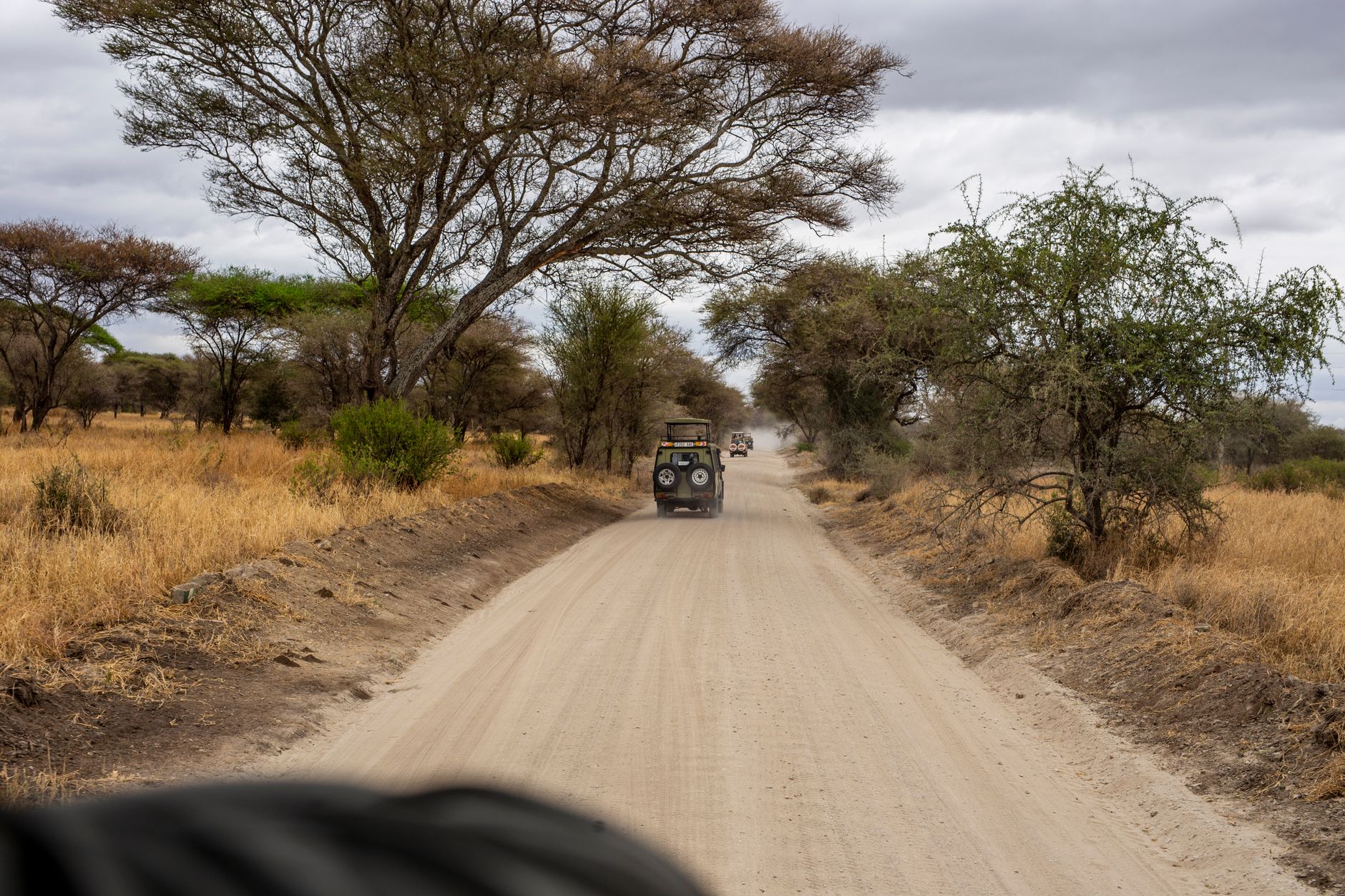
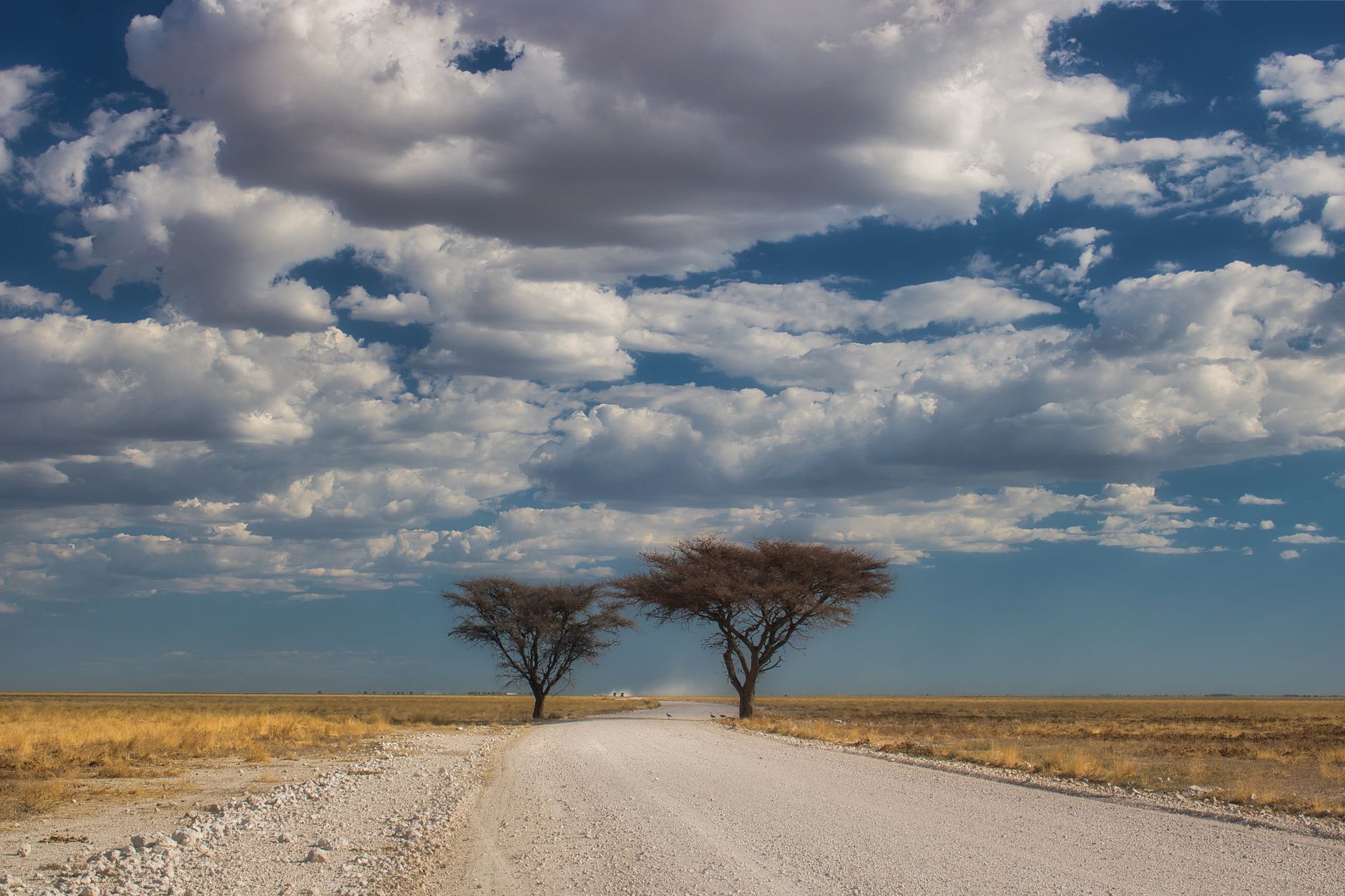
The Rise of Responsible Safari Tourism in Africa
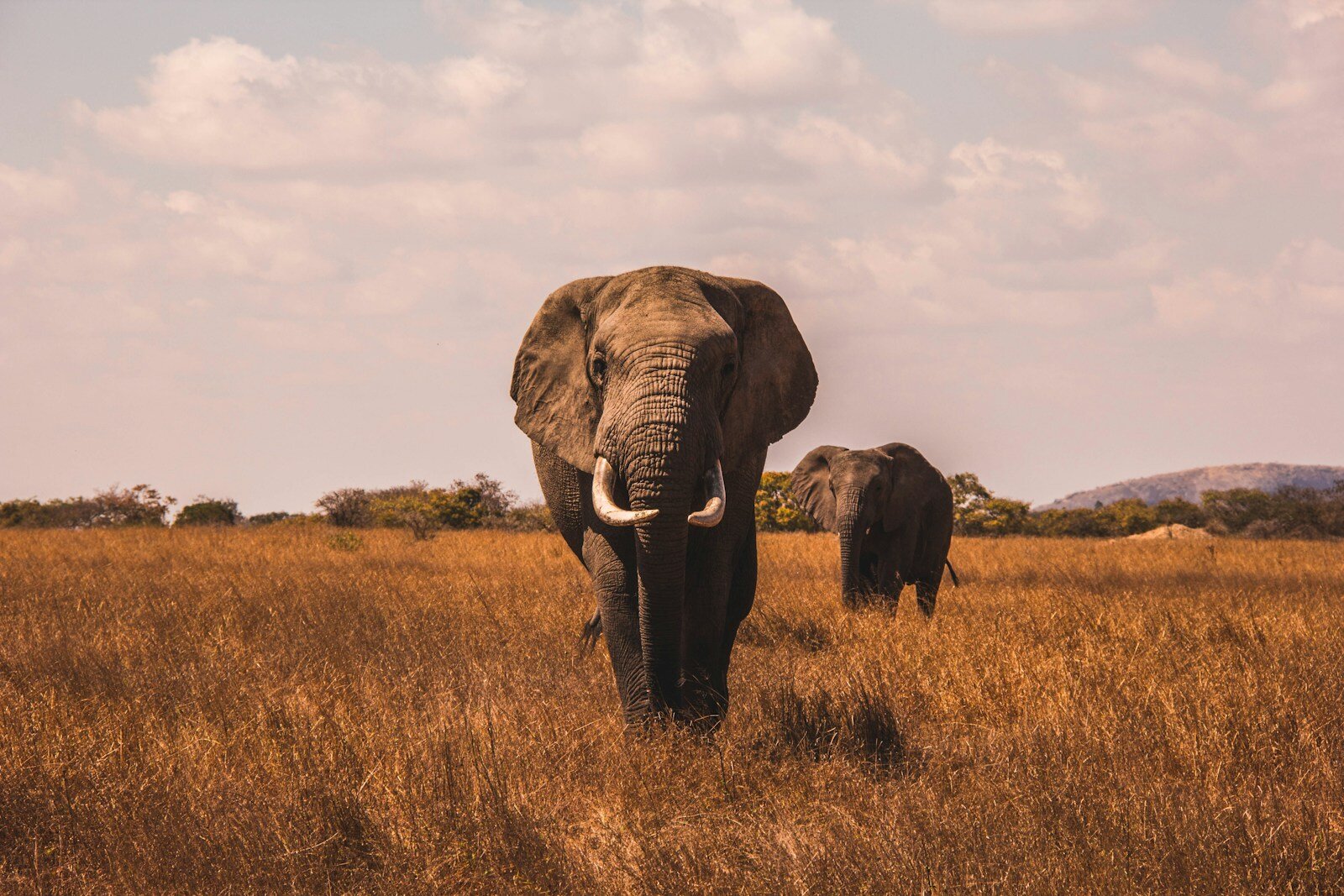
Introduction: Safari Tourism at a Crossroads
Africa's wildlife is one of the world's great natural treasures. But for decades, the safari industry operated on an extractive model — tourists paying to observe animals in reserves that often returned little to the surrounding communities or to long-term conservation efforts.
That is changing. Across the continent, a new generation of safari operators, lodge owners, and conservation organisations are building a different kind of tourism — one where the act of visiting a wild place actively helps protect it. This shift is what responsible safari tourism looks like in practice, and it's becoming the defining trend in African travel for 2025 and beyond.
If you're planning a safari in South Africa, Namibia, Botswana, or anywhere else on the continent, understanding what responsible tourism means — and how to choose it — could be one of the most meaningful decisions you make as a traveller.
What Is Responsible Safari Tourism?
Responsible safari tourism refers to travel practices that minimise negative environmental and social impacts while maximising benefits for local communities and wildlife. It encompasses:
- Community-based tourism (CBT): where local people own or co-own the lodge, guide the tours, and receive a direct share of revenue.
- Conservation-linked accommodation: lodges that fund anti-poaching units, wildlife monitoring, or habitat restoration from their bed-night fees.
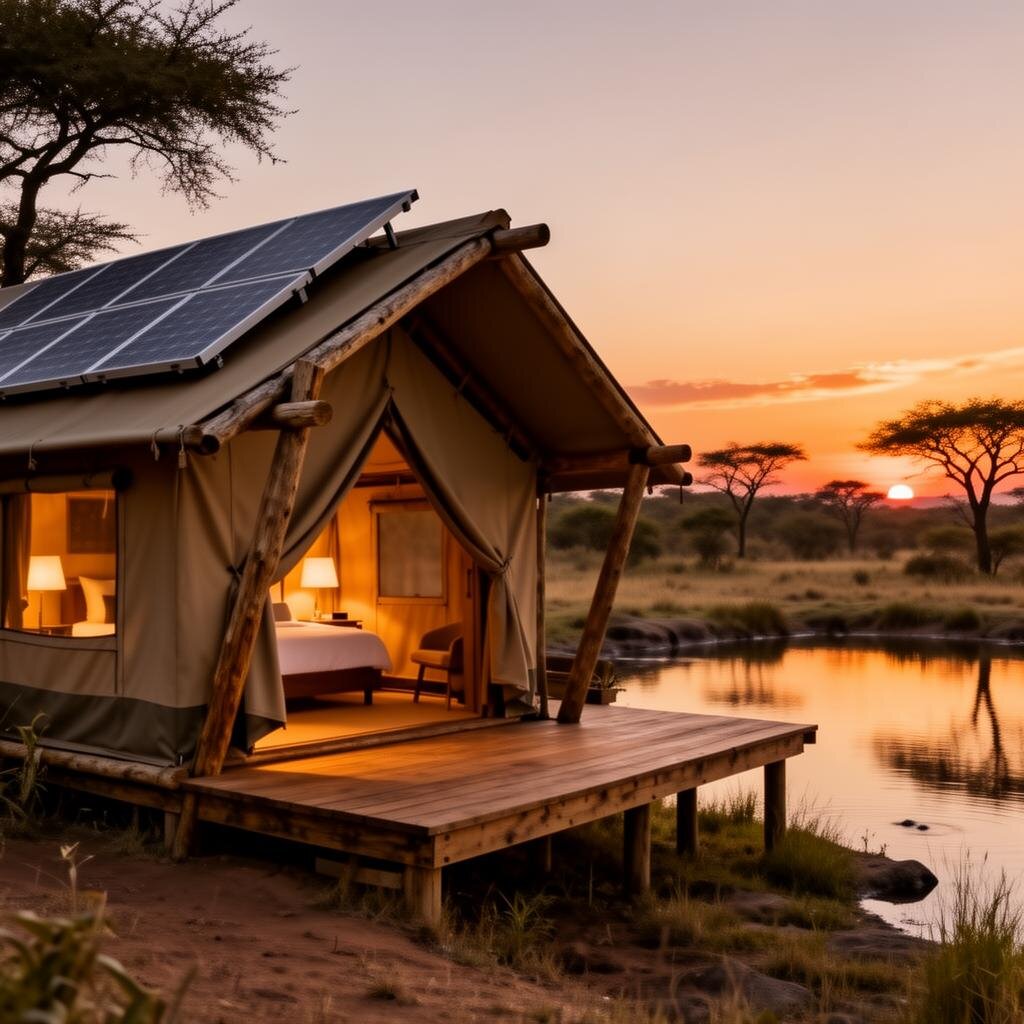
- Low-impact operations: solar power, greywater recycling, locally sourced food, limited vehicle numbers in sensitive areas.
- Ethical wildlife interactions: no canned hunting, no captive predator petting, no elephant riding or performing animals.
The term is sometimes used interchangeably with "eco-tourism" or "sustainable tourism," though responsible tourism has a broader scope — it includes the social and economic dimension, not just the environmental one.
The Community Conservation Model: Why It Works
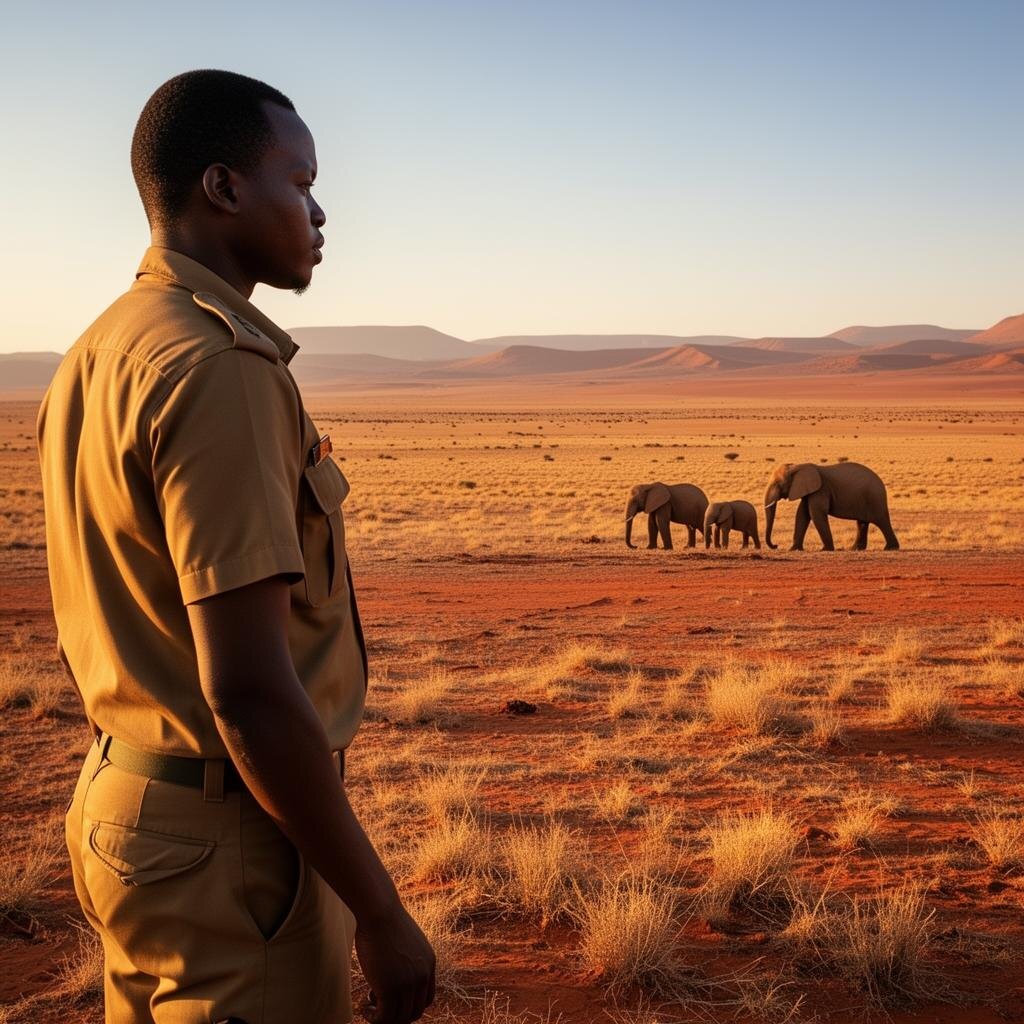
The single most powerful shift in African conservation thinking over the past 30 years has been this: wildlife has to be worth more alive to local communities than dead.
In practice, this means that when a community living adjacent to a wildlife area receives meaningful income from safari tourism — jobs, school fees, clinic funding, bursaries — they become the most effective anti-poaching force in existence. They have a vested interest in the animals surviving.
CAMPFIRE in Zimbabwe
Zimbabwe's Communal Areas Management Programme for Indigenous Resources (CAMPFIRE), launched in the 1980s, was one of the first large-scale experiments in giving rural communities legal authority over — and financial benefit from — the wildlife on their land. At its height, it transformed villages from communities that tolerated problem animals into active wildlife stewards.
Community Conservancies in Namibia
Namibia's communal conservancy programme is arguably the most successful in Africa. Since the 1990s, over 80 communal conservancies have been established across the country, covering more than 20% of Namibia's land surface. Wildlife populations — including desert-adapted lions, elephants, and black rhino — have recovered dramatically in areas where they were functionally extinct 40 years ago.
Safari guests staying in lodges within these conservancies (like those along the Skeleton Coast or in Damaraland) directly fund this model. A portion of every bed-night goes to the conservancy trust, which distributes dividends to community members and funds wildlife monitors.
Private Game Reserves in South Africa
In South Africa, the growth of private game reserves — many of them bordering or incorporated into protected areas like the Greater Kruger ecosystem — has created a parallel conservation network outside state-managed parks. Many of these reserves have reintroduced species that were locally extinct, including cheetah, wild dog, and white rhino.
The best of them operate with strict environmental management plans and community employment policies. When you stay at a lodge in the Sabi Sands or the Waterberg, you're part of a system that funds game scouts, habitat management, and species monitoring year-round.
Eco-Lodges: What to Actually Look For
The term "eco-lodge" has been diluted by greenwashing. Placing a recycling bin in the bathroom and calling yourself sustainable doesn't cut it. Here's what genuinely responsible accommodation looks like:
Energy and Water
- Fully or predominantly solar-powered
- Boreholes managed sustainably (or no borehole — rainwater harvesting only)
- Low-flow fixtures, greywater recycling for garden irrigation
- No single-use plastics in rooms or dining areas
Food and Supply Chain
- Lodge gardens or local smallholder farms supplying vegetables and herbs
- Wild-harvested or sustainably sourced protein
- Minimal imported goods; preference for South African or regional producers
Wildlife and Land
- Clear policies on vehicle numbers per sighting
- No off-road driving in sensitive areas
- Active participation in wildlife monitoring data
- No interaction with captive wildlife marketed as "rescue"
Community and Employment
- Majority local staff in management, guiding, and hospitality leadership — not just low-skill roles
- Internship or skills development programme for young people from neighbouring communities
- Transparent reporting on what percentage of revenue reaches the community
South Africa's Responsible Safari Hotspots
If you're looking to travel responsibly in South Africa specifically, these are the regions where community-linked conservation and quality accommodation intersect most compellingly.
Greater Kruger & Sabi Sands
The Sabi Sands Game Reserve, adjacent to the Kruger National Park, is home to some of Africa's finest wildlife lodges — and some of its most rigorous environmental management. The open boundary with Kruger allows animals to roam freely across a vast, unfenced landscape. Many lodges here run community employment and education programmes in the villages of Bushbuckridge and Hazyview.
Hluhluwe-iMfolozi Park & Surrounds (KwaZulu-Natal)
Hluhluwe-iMfolozi is where the white rhino was saved from extinction in the 20th century, and it remains a global centre for rhino conservation. Community-linked lodges on the park's boundary contribute directly to anti-poaching operations. iSimangaliso Wetland Park nearby is a UNESCO World Heritage Site where accommodation options are tightly regulated to minimise impact.
West Coast & Namaqua
Less well-known than the big game reserves but increasingly popular, the West Coast offers a different kind of responsible travel: fynbos conservation, seabird protection, and small-scale community fishing tourism. Lodges here tend to be owner-operated and deeply embedded in the local ecology.
Waterberg & Limpopo
The Waterberg Biosphere Reserve in Limpopo is a UNESCO-recognised landscape of remarkable ecological richness. Many lodges here have reintroduced endangered species and run active conservation programmes. It's also one of the more affordable safari destinations in South Africa — a genuine alternative for travellers who want meaningful wildlife experiences without the Sabi Sands price tag.
The Traveller's Role: How to Make Your Safari Count
Choosing responsible accommodation is the most impactful thing a safari traveller can do — accommodation represents the largest portion of tourism spending and has the most direct local economic impact. But there are other ways to travel more responsibly:
- Book directly with lodges where possible. This maximises the revenue that stays in the destination rather than going to overseas booking platforms.
- Hire local guides. If you're self-driving in a national park, consider hiring a local guide for at least part of your trip. Qualified field guides in South Africa go through rigorous FGASA training and carry knowledge no app can replicate.
- Don't visit wildlife interaction facilities. This includes lion cub petting, elephant sanctuaries that offer rides, and "walking with lions" experiences. Credible sanctuaries do not allow public interaction with their animals.
- Ask questions. A lodge confident in its sustainability credentials will welcome questions about its energy source, its water use, its community relationships, and its conservation spending. Evasive answers are a red flag.
- Extend your stay. Longer stays concentrate your spend in fewer places and reduce the carbon footprint of your trip. A week in one region is almost always better — for the wildlife, for the community, and for you — than rushing through five destinations in seven days.
Looking Ahead: The Future of Responsible Safari Tourism
Several trends are reshaping the sector as we move into the second half of the 2020s:
- Carbon-neutral travel partnerships. Some lodges are now partnering with verified offset programmes that fund tree planting or renewable energy projects in their own landscapes.
- Wildlife carbon credits. An emerging market allows conservancies to sell carbon credits tied to the carbon sequestration capacity of the land they protect.
- Women-led guiding. Organisations like Women in Conservation and the African Women in Tourism Association are actively increasing the participation of women in guiding — historically a male-dominated profession.
- Digital transparency. Some operators are beginning to publish annual impact reports — detailing their conservation spending, community employment statistics, and environmental performance.
Final Thoughts
A safari in Africa remains one of the most extraordinary experiences available to the modern traveller. The privilege of spending time in wild landscapes alongside the continent's iconic animals is not something to take lightly — and it doesn't have to be.
By choosing accommodation that is genuinely embedded in conservation and community, you become part of a system that sustains these landscapes for the long term. The animals you see, the guides who take you out at dawn, the communities visible from the game drive road — all of them benefit when responsible tourism works as it should.
At Safari Stays, every property listed on our platform is selected with this in mind. We connect travellers with accommodation that is not only exceptional in quality but meaningful in impact — so that your safari does more than create memories. It helps protect what made those memories possible.
Ready to plan your responsible safari? Explore our curated properties across South Africa and Namibia.
Ready to plan your trip?
Check live availability, compare lodges and book instantly — or send us an enquiry and we'll help shape the route.