Kenya vs Tanzania Safari: Which Is Right for You?
Deciding between a Kenya vs Tanzania safari is perhaps the most classic, and rewarding, dilemma a traveller to East Africa can face. It’s a question we hear often, and for good reason. These two countries are the titans of the safari world, sharing not only a border but also the stage for the greatest wildlife show on earth: the Great Migration. The truth is, there is no wrong answer, only the answer that is right for you.
This is not a contest with a winner, but a journey of discovery to find your perfect fit. Are you dreaming of the dramatic river crossings of the Mara, or the endless plains of the Serengeti, black with wildebeest herds? This guide will walk you through the nuances of each destination, helping you navigate the choice with clarity and confidence.
The Great Migration: A Tale of Two Countries
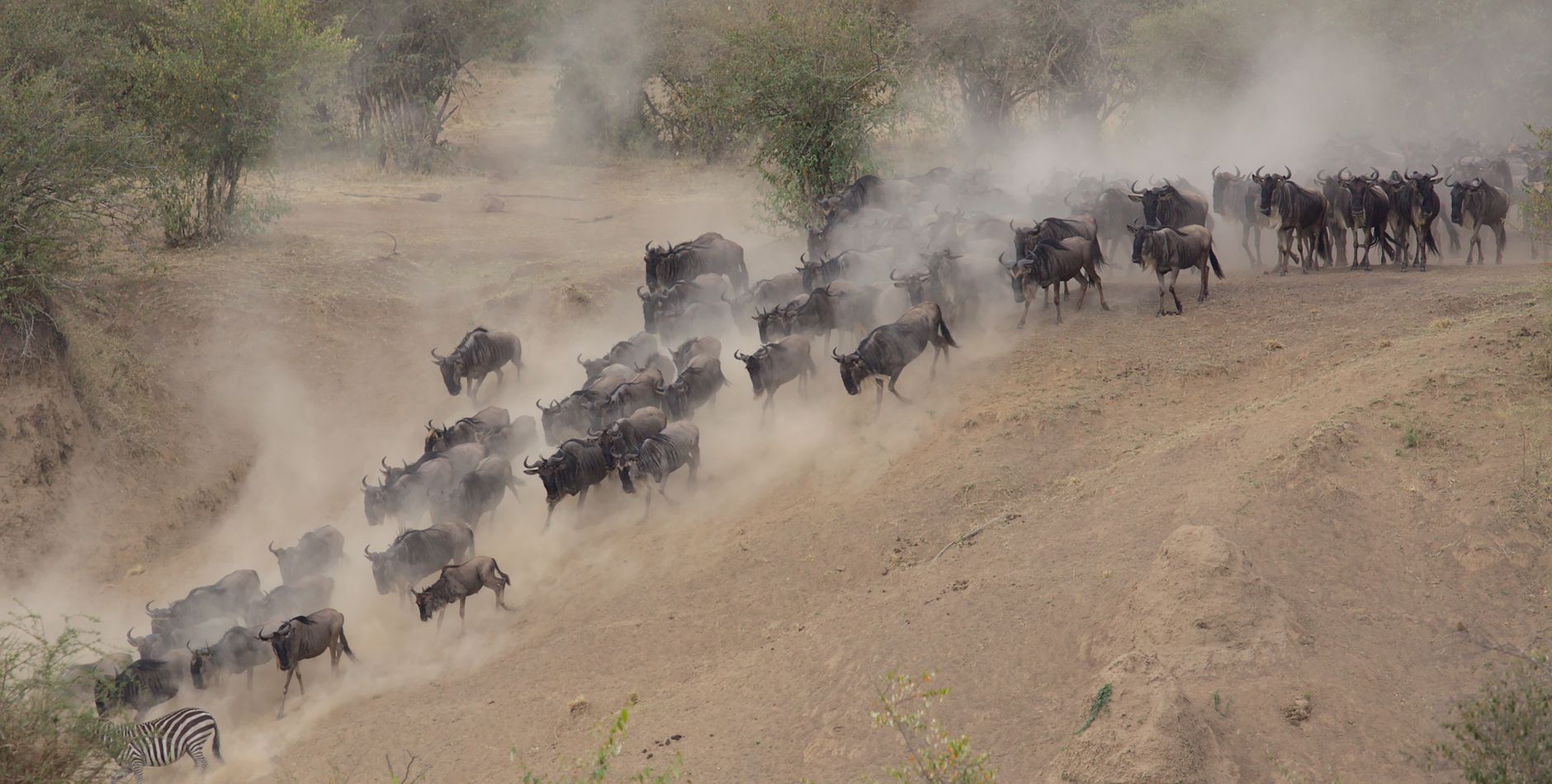
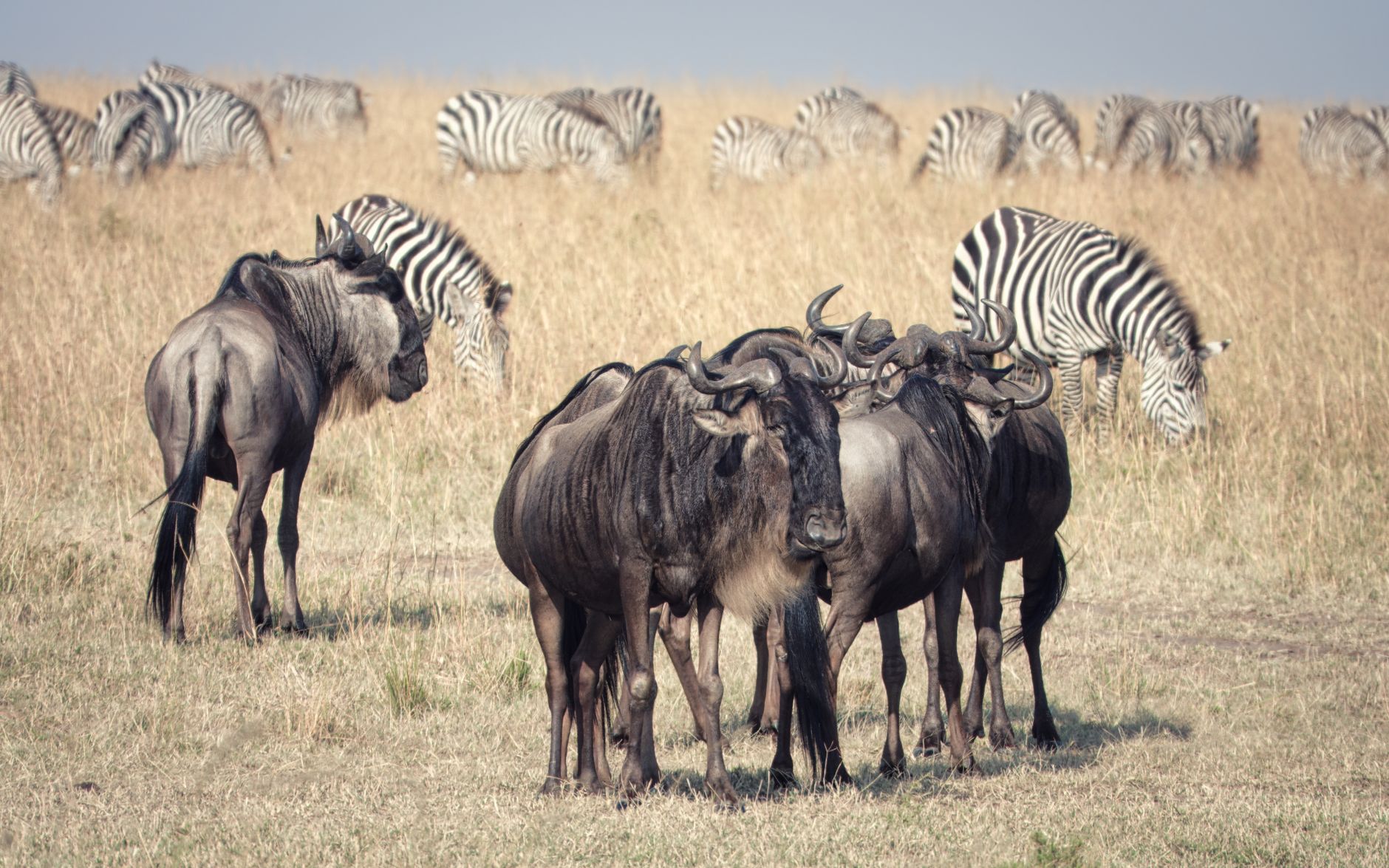
The Great Wildebeest Migration is a vast, continuous circle of life. Over 1.5 million wildebeest, accompanied by zebra and gazelle, perpetually chase the rains across the Serengeti-Mara ecosystem. Where you should be depends entirely on when you travel.
In Tanzania: The Calving and the Crossing South
Tanzania hosts the herd for the majority of the year. From roughly December to March, the southern Serengeti plains, particularly the Ndutu region, become a vast nursery. This is calving season, a time of immense drama and tender moments, as thousands of calves are born within a few weeks. It’s a huge draw for predators, making it a spectacular time for wildlife viewing. As the year progresses, the herds move north and west through the Serengeti, culminating in their first major river crossing at the Grumeti River around June.
In Kenya: The Dramatic River Crossings
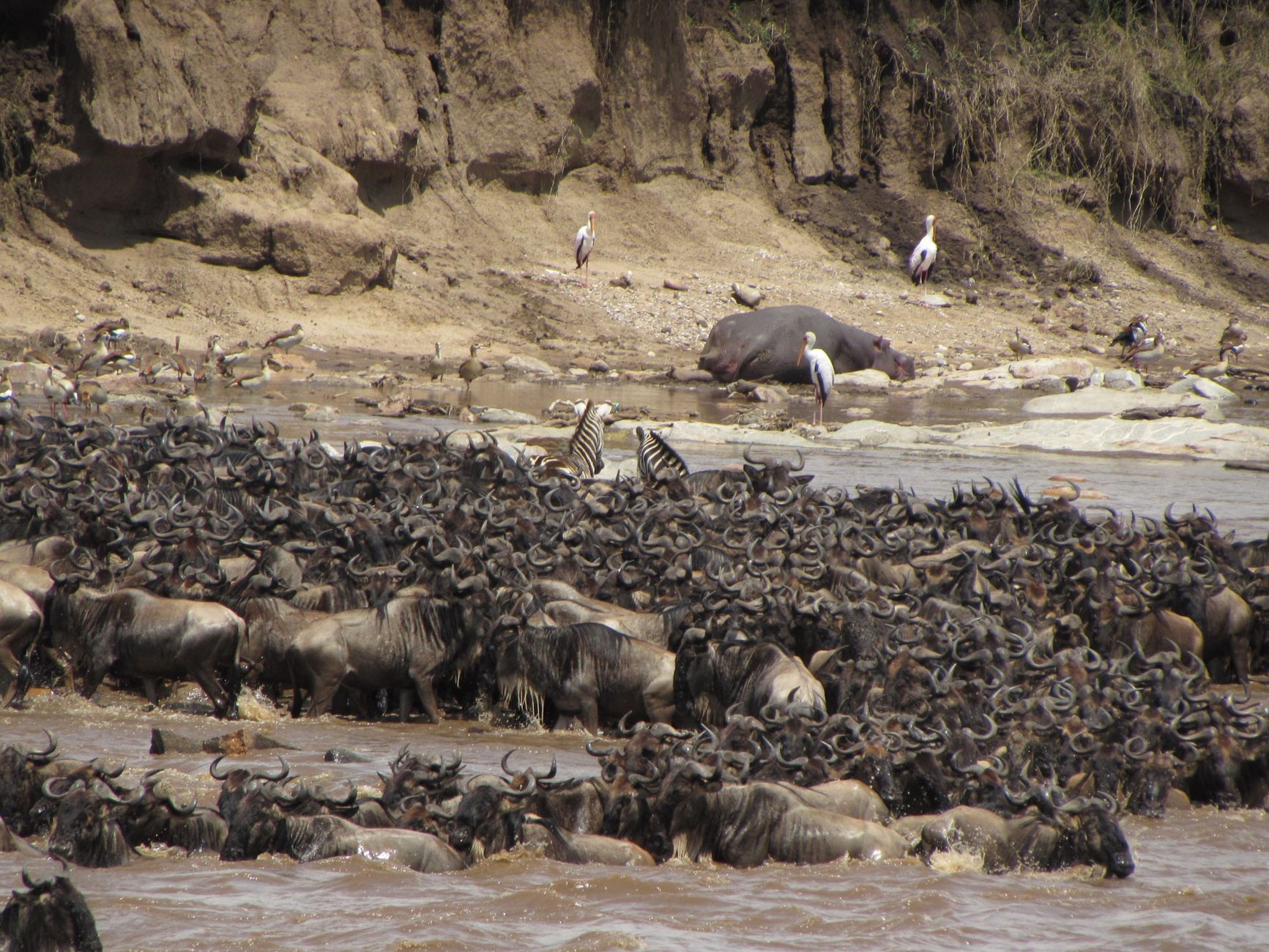
From roughly late July to October, the herds arrive in Kenya's Maasai Mara National Reserve. This is the setting for the iconic and dramatic Mara River crossings you’ve seen in documentaries. Here, crocodiles lie in wait as the wildebeest summon the courage for the heart-stopping plunge. The concentration of wildlife in the Mara during these months is simply staggering. For many, witnessing this spectacle is the pinnacle of the safari experience.
Kenya vs Tanzania Safari: Landscapes and Parks
While sharing the Migration, each country boasts a unique portfolio of parks and a distinct character. Kenya’s landscapes feel intimate and varied, while Tanzania’s are defined by an epic, almost unfathomable scale.
Kenya: Classic Vistas and Diverse Habitats
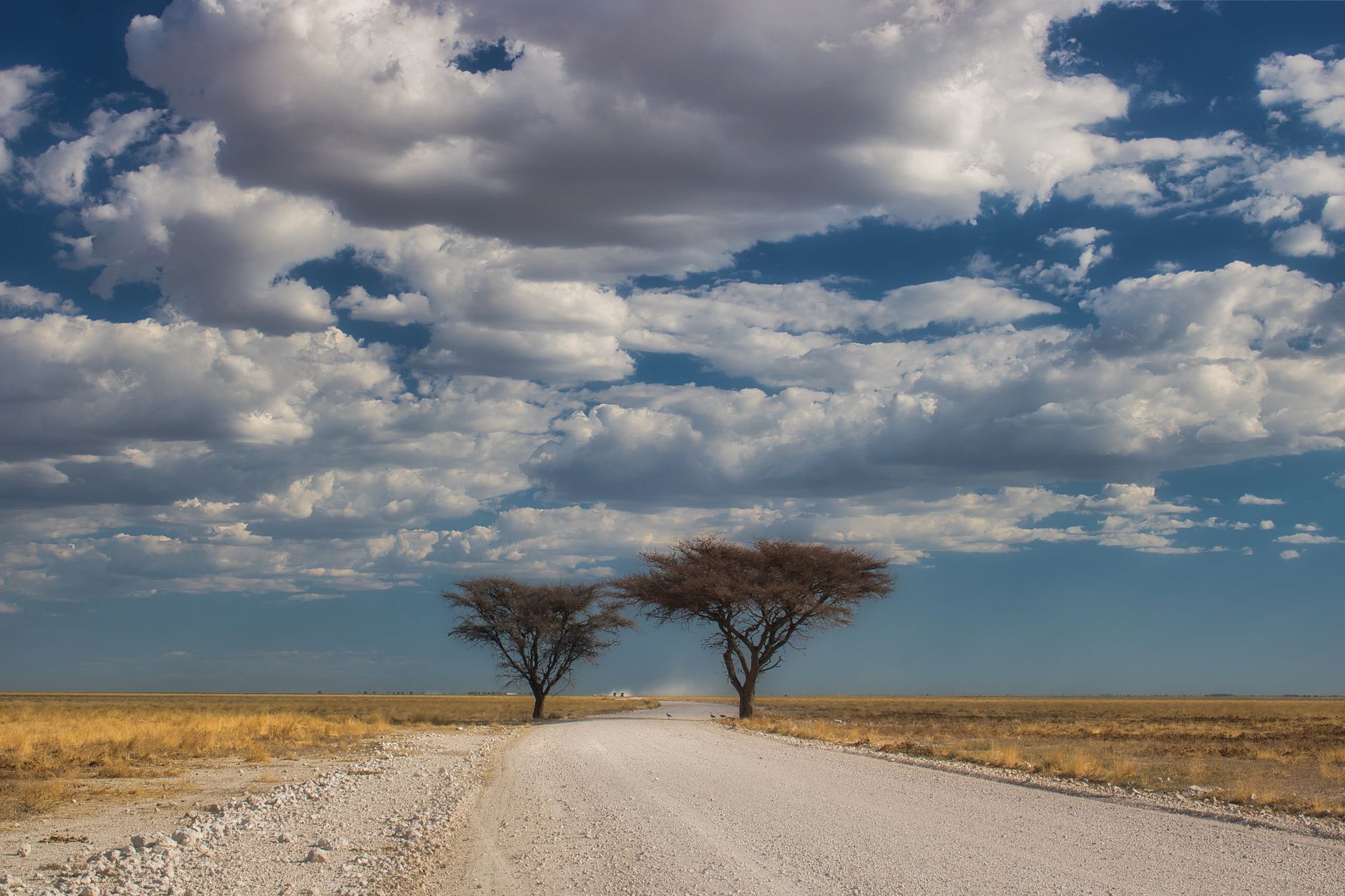
Kenya is the historical home of safari, and its parks are legendary. The Maasai Mara is the crown jewel, with its golden, rolling grasslands and acacia-dotted horizons defining the quintessential safari landscape. But Kenya’s diversity is its strength.
Head south to Amboseli National Park for perhaps the most iconic photograph in Africa: massive herds of elephants against the backdrop of a snow-capped Mount Kilimanjaro (which is actually across the border in Tanzania). Further north, the Laikipia Plateau and Samburu National Reserve offer a totally different, semi-arid environment, home to the “Samburu Special Five”—Grevy's zebra, reticulated giraffe, Beisa oryx, Somali ostrich, and the gerenuk.
Kenya has also mastered the private conservancy model, particularly around the Maasai Mara. These areas, leased from Maasai communities, offer exclusive game viewing, lower vehicle density, and activities not permitted in the national reserve, such as night drives and walking safaris. Staying at a lodge like Mara Plains Camp in one of these conservancies offers a truly exceptional experience.
Tanzania: Epic Scale and Geological Wonders
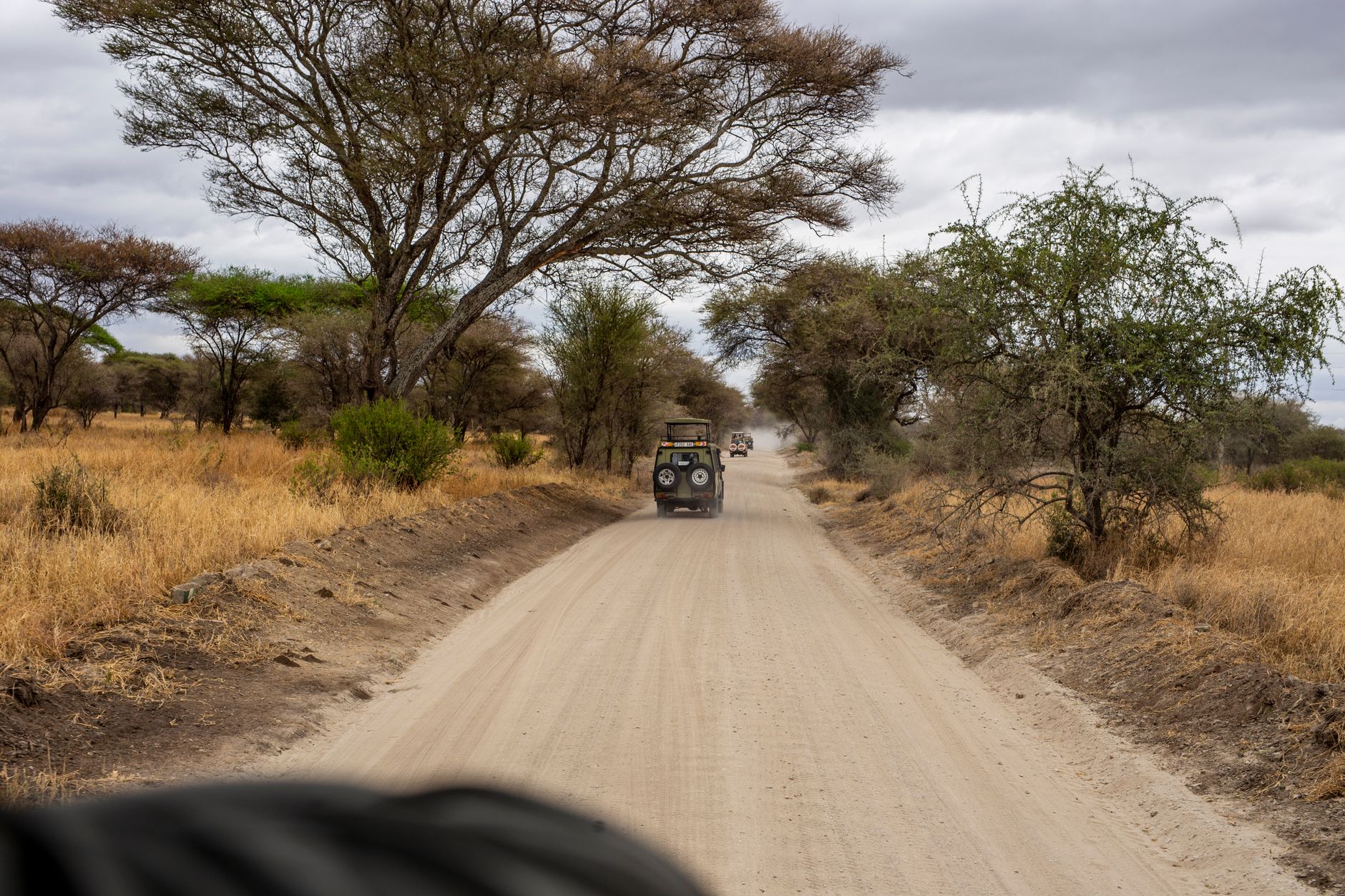
If Kenya is diverse, Tanzania is vast. The Serengeti National Park is three times the size of the Maasai Mara, and its name, meaning “endless plains” in the Maa language, is no exaggeration. The sheer scale can be humbling, a landscape that feels truly wild and untamed.
Then there is the Ngorongoro Crater, a UNESCO World Heritage Site. This ancient, collapsed volcano is the world’s largest intact caldera, sheltering an astonishingly dense population of wildlife within its 2,000-foot-high walls. A day spent on the crater floor is like a trip to a real-life Eden.
Beyond the famous Northern Circuit, Tanzania holds a wilder trump card: the Southern Circuit. Parks like Nyerere (formerly Selous) and Ruaha are far more remote and see a fraction of the visitors. Here, fly-camping, boating safaris, and true wilderness adventures are the norm. It's a different kind of safari, for those seeking solitude and a path less travelled. Discover more about this wild frontier on our Southern Tanzania region guide.
The Safari Experience: Crowds, Costs, and Activities
Your day-to-day experience is shaped by more than just the animals and landscapes. Logistics, costs, and the types of activities available differ between the two countries.
Generally, Tanzania’s Northern Circuit can be more expensive due to higher park fees, government concession fees, and the logistics of covering greater distances. Kenya, with its more developed infrastructure and wider range of accommodation, can sometimes offer more flexibility on budget.
Here’s a quick comparison of typical offerings:
- Game Drives: The core of any safari. In Kenya's private conservancies and parts of Tanzania, off-road driving is permitted, allowing guides to get closer to sightings.
- Walking Safaris: More common in Kenya's private conservancies and Tanzania's southern parks. A thrilling way to connect with the bush on a deeper level.
- Night Drives: A rare treat offered almost exclusively in private conservancies, revealing the nocturnal world of the bush.
- Cultural Interaction: Both countries offer authentic opportunities to visit Maasai villages and learn about their rich culture, often arranged thoughtfully by your lodge.
- Hot Air Ballooning: Available over the Maasai Mara and the Serengeti, offering a breathtaking bird's-eye view of the plains at sunrise.
For a more detailed look at timing, our post on the best times to visit East Africa is a valuable resource.
Bush and Beach Combinations
Both destinations offer idyllic beach extensions to round off an incredible safari.
- Tanzania: The clear choice is Zanzibar. This storied Spice Island offers a rich blend of history in Stone Town, stunning white-sand beaches, and world-class diving and snorkelling. The nearby islands of Pemba and Mafia are quieter, rustic alternatives.
- Kenya: The Kenyan coast is equally beautiful. Diani Beach is famous for its powder-soft sand and vibrant resorts, while further north, the UNESCO-listed island of Lamu offers a slower pace of life, rich Swahili culture, and car-free streets.
The Verdict: So, Kenya or Tanzania?
Ultimately, the choice is deeply personal. Let your priorities guide you.
Choose Kenya if you want to see the dramatic Mara River crossings, have a shorter trip with less travel time between diverse parks like Amboseli and the Mara, or desire the exclusivity and varied activities of a private conservancy.
Choose Tanzania if you crave a sense of epic scale on the endless plains of the Serengeti, wish to witness the miracle of the calving season, want to descend into the unique ecosystem of the Ngorongoro Crater, or seek the profound wilderness of the southern parks.
Many travellers find the question of Kenya vs Tanzania safari is best answered with “both.” A cross-border itinerary offers the ultimate East African deep dive. But for a first-time visitor, you simply cannot go wrong. Both countries deliver a profound connection to the natural world, hosted with warmth and legendary hospitality.
Whichever path you choose, a life-changing adventure awaits. When you are ready to explore the specific lodges and camps that bring these experiences to life, we invite you to browse our curated Safari Stays listings.
Ready to plan your trip?
Check live availability, compare lodges and book instantly — or send us an enquiry and we'll help shape the route.