KAZA UniVisa for Zambia & Zimbabwe 2026: A Guide

Victoria Falls, the ‘Smoke that Thunders’, is a force of nature so immense it forms the border between two incredible countries: Zambia and Zimbabwe. For travellers, this geographical marvel presents a unique opportunity to experience two distinct cultures, landscapes, and perspectives of the falls. But it also presents a question: how do you navigate the border crossing smoothly? The answer lies in a simple, brilliant solution for travellers planning ahead: the KAZA UniVisa for Zambia and Zimbabwe 2026.
This single visa streamlines entry, turning what could be a logistical headache into a seamless part of your adventure. It allows you to move freely between both nations, ensuring you don’t miss a single angle of the falls or a moment of the magic that this region holds. It is the key to unlocking a richer, more comprehensive Southern African journey.
What is the KAZA UniVisa?
The KAZA UniVisa is a specialised tourist visa that grants entry into both Zambia and Zimbabwe. It was created as part of a joint initiative within the Kavango-Zambezi Transfrontier Conservation Area (KAZA TFCA), the world's largest conservation area, which spans five countries: Angola, Botswana, Namibia, Zambia, and Zimbabwe.
The primary goal of the KAZA TFCA is to protect the region's rich biodiversity while promoting sustainable tourism that benefits local communities. The UniVisa is a practical embodiment of this vision, encouraging visitors to explore more of the region with greater ease.
Instead of purchasing separate visas for each country—incurring double the cost and paperwork—eligible travellers can get one stamp. This simplifies border crossings, particularly for those staying in Victoria Falls Town (Zimbabwe) but wishing to partake in activities like visiting the Devil's Pool on the Livingstone (Zambian) side, or vice versa.
Furthermore, the UniVisa includes an often-overlooked perk: it allows for day trips into Botswana to visit Chobe National Park, provided you return to Zambia or Zimbabwe the same day. This feature alone makes it an invaluable tool for crafting an unforgettable safari itinerary.
Your Guide to the KAZA UniVisa for Zambia and Zimbabwe 2026
Planning is the cornerstone of any great African safari. As you look towards a 2026 adventure, understanding the practicalities of the KAZA UniVisa will set you up for a stress-free experience. While policies can evolve, the system has been well-established for several years, and its core principles are expected to remain consistent.
Who is Eligible for the UniVisa?
The UniVisa is available to citizens of specific countries. This list typically includes around 65 nations that are eligible for visas on arrival in both Zambia and Zimbabwe. The roster commonly features passport holders from:
- The United Kingdom & Ireland
- The United States of America & Canada
- Australia & New Zealand
- Most European Union countries
- Japan & South Korea
It is crucial to note that this list is subject to change. Before you travel, always verify the latest eligibility information from official government or embassy websites. If your nationality is not on the list, you will need to apply for separate single-entry or multiple-entry visas for each country.
How and Where to Get It
The KAZA UniVisa is typically issued on arrival at major ports of entry. You cannot apply for it in advance online. The process is generally straightforward. When you arrive at immigration, simply request the "KAZA UniVisa" specifically.
Key points of issuance include:
- Zambia: Kenneth Kaunda International Airport (Lusaka), Harry Mwanga Nkumbula International Airport (Livingstone), and the land borders at Victoria Falls and Kazungula.
- Zimbabwe: Robert Gabriel Mugabe International Airport (Harare), Victoria Falls International Airport, and the land borders at Victoria Falls and Kazungula.
To ensure a smooth process, have the exact visa fee ready in US dollars. While card machines may be available, they are not always reliable, and cash is strongly preferred.
Cost and Validity
The standard cost for the KAZA UniVisa is USD 50 per person. Again, this fee should be confirmed closer to your travel date. Considering that single-entry visas for each country can cost between USD 30 and USD 50, the UniVisa offers excellent value for anyone planning to cross the border even once.
The visa is typically valid for 30 days, as long as you remain within Zambia and Zimbabwe. It allows for unlimited border crossings between the two countries during this period. It also, as mentioned, covers day trips to Botswana via the Kazungula border, but does not permit overnight stays.
Maximising Your Trip with the UniVisa
The true beauty of the UniVisa lies not in the stamp itself, but in the freedom it affords. It transforms two separate destinations into one unified playground, allowing you to follow the adventure wherever it leads.

The Two Sides of Victoria Falls
Experiencing the falls from both Zambia and Zimbabwe is not redundant; it is essential. The two perspectives are dramatically different. In Zimbabwe, you will find roughly 75% of the viewpoints, with panoramic vistas of the Main Falls, especially during the high-water season. The pathways here offer a classic, picture-postcard experience.
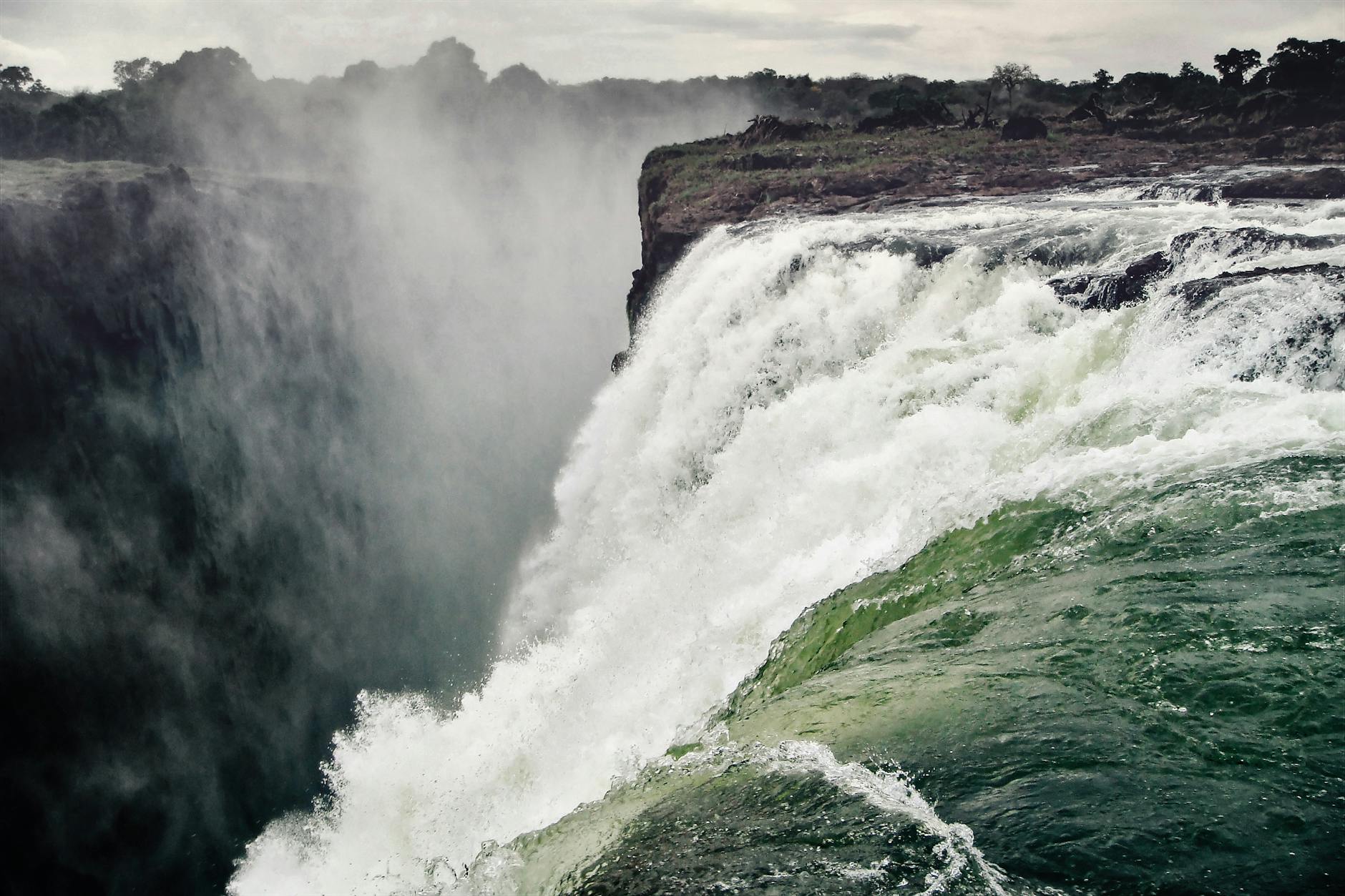
Cross the iconic Victoria Falls Bridge into Zambia, and you are met with a more visceral, up-close encounter. You can stand near the Eastern Cataract, feel the immense spray on the Knife-Edge Bridge, and, during the low-water season (roughly August to January), take a heart-pounding swim in the Devil's Pool right on the edge of the abyss. This flexibility makes exploring the wider Kavango-Zambezi region an effortless joy.
Seamless Safari Extensions
With the UniVisa, your journey doesn't have to end at the falls. It serves as a perfect launchpad for world-class wildlife viewing. From the Zimbabwean side, it’s a short drive to Hwange National Park, famous for its colossal herds of elephants.
From Livingstone in Zambia, you can explore the Mosi-oa-Tunya National Park, home to white rhinos, or connect via a short flight to the pristine wilderness of the Lower Zambezi or South Luangwa National Parks. This logistical ease is a game-changer when planning your dream safari.
Sample Itinerary with the UniVisa
Here’s how the visa can shape a multi-country itinerary:
- Days 1-2: Arrive at Victoria Falls, Zimbabwe. Settle in and witness the breathtaking panorama of the Main Falls. End the day with a sunset cruise on the upper Zambezi River.
- Day 3: Walk across the border to Livingstone, Zambia. Experience the Zambian side of the falls and take a dip in Devil's Pool (if seasonal and you’re feeling brave!).
- Day 4: Take a day trip to Botswana. Cross at the Kazungula border for a full day in Chobe National Park, enjoying both a river safari and a 4x4 game drive.
- Day 5: Return to Zimbabwe for a road transfer to Hwange National Park for several days of immersive Big Five safari adventures.
Practical Tips and Future Outlook
As you prepare for your travels, a few final considerations will ensure everything goes to plan. First, check your passport. It must be valid for at least six months beyond your departure date and have at least two blank pages for stamps.
Second, carry sufficient US dollars in cash, not only for the visa but also for tips and small purchases where card facilities may be limited. While the world moves towards digital payments, cash remains king in many parts of Africa for these incidental expenses.
The long-term vision for the UniVisa is to expand its coverage to all five KAZA TFCA partner nations, creating a seamless travel corridor across this vast and vital ecosystem. While this may or may not be in place by 2026, the existing framework is a resounding success.
Ultimately, the KAZA UniVisa is more than a travel document; it is an invitation. It invites you to experience a world wonder in its entirety and to explore the rich tapestry of life that surrounds it without barriers. For anyone contemplating a journey to this magnificent corner of the continent, securing a KAZA UniVisa for Zambia and Zimbabwe 2026 is your first step towards an unforgettable adventure. To find more travel inspiration, feel free to browse our blog or start exploring your options on our homepage.
Ready to plan your trip?
Check live availability, compare lodges and book instantly — or send us an enquiry and we'll help shape the route.