A Safari Route Through the KAZA Transfrontier Park
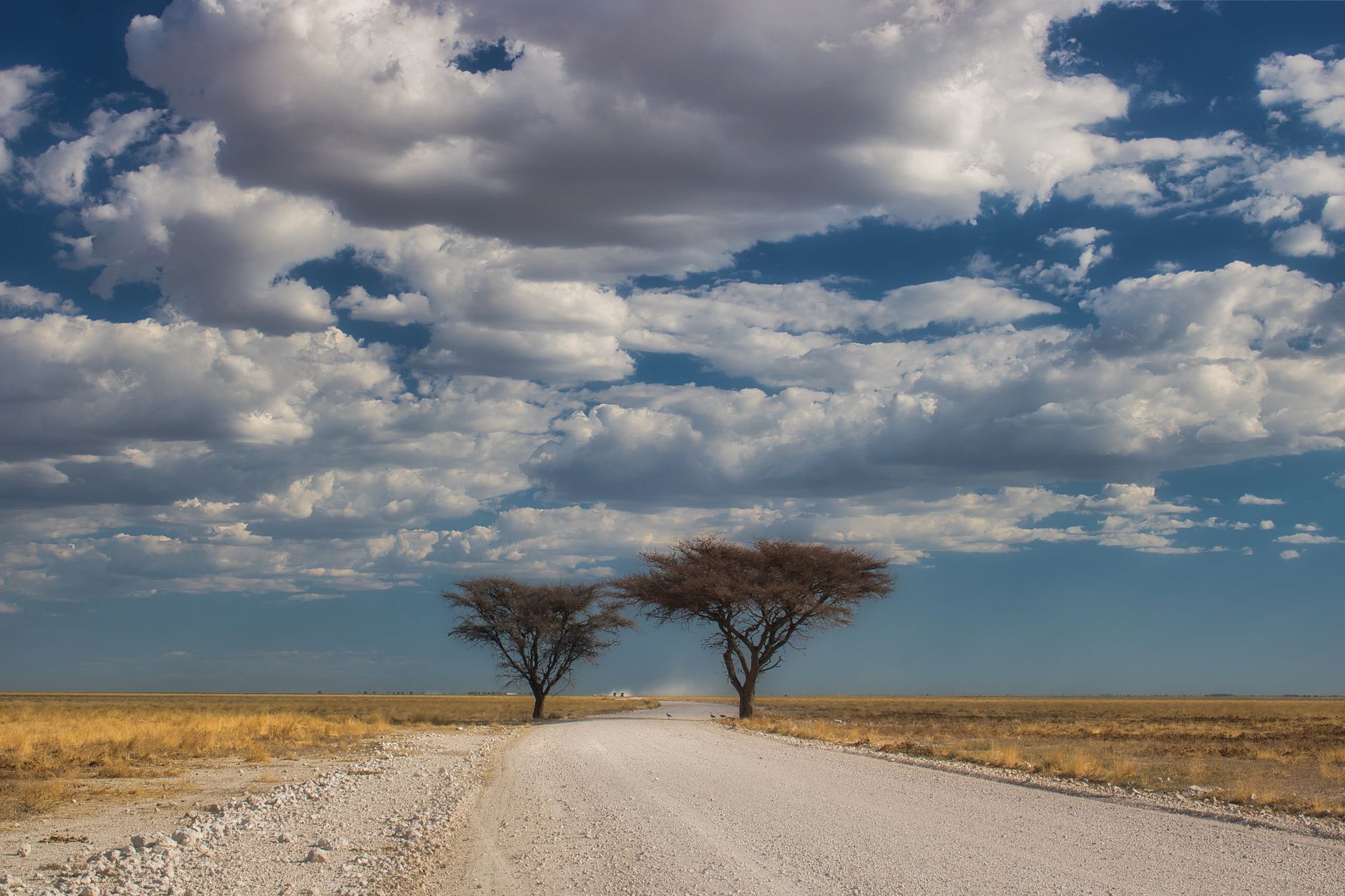
Imagine a wilderness so vast it swallows international borders, where the world's largest elephant herds roam freely across five nations. This is not a dream; it is the Kavango-Zambezi Transfrontier Conservation Area (KAZA TFCA), the magnificent stage for what is arguably Africa's most epic journey. Crafting a KAZA Transfrontier Park safari route is to chart a course through the very heart of the continent's conservation heartbeat, linking iconic landmarks and pristine wildlife sanctuaries in a seamless, unforgettable adventure.
What is the Kavango-Zambezi TFCA?
At nearly 520,000 square kilometres, the KAZA TFCA is the world's largest terrestrial transfrontier conservation area. It's an ambitious, visionary project that connects a mosaic of national parks, game reserves, and community conservancies across a region where the Kavango and Zambezi river systems meet. The core philosophy is simple yet profound: to re-establish ancient migratory routes for wildlife, particularly elephants, by removing human barriers and fostering a collaborative approach to conservation and tourism.
The area encompasses a staggering diversity of landscapes and involves five partner countries:
- Angola
- Botswana
- Namibia
- Zambia
- Zimbabwe
Within its boundaries lie some of Africa's most treasured natural wonders, including the Okavango Delta, Victoria Falls, the Chobe River, and Hwange National Park. It is a landscape of epic proportions, designed to protect ecological processes and the incredible biodiversity that depends on them.
Designing Your KAZA Transfrontier Park Safari Route
A journey through KAZA is not a set itinerary but a fluid exploration tailored to your interests. The interconnectedness of the parks allows for a multitude of routes, each offering a unique perspective on this wild domain. Here, we outline some of the key corridors and destinations that form the building blocks of a classic KAZA adventure.
The Zambezi Heartland: Victoria Falls to Chobe
Many journeys begin at the spiritual and geographical heart of KAZA: Victoria Falls. Known locally as Mosi-oa-Tunya, 'The Smoke that Thunders,' the falls can be experienced from either the Zambian or Zimbabwean side.This thundering curtain of water marks a dramatic starting point before you head west into Botswana.
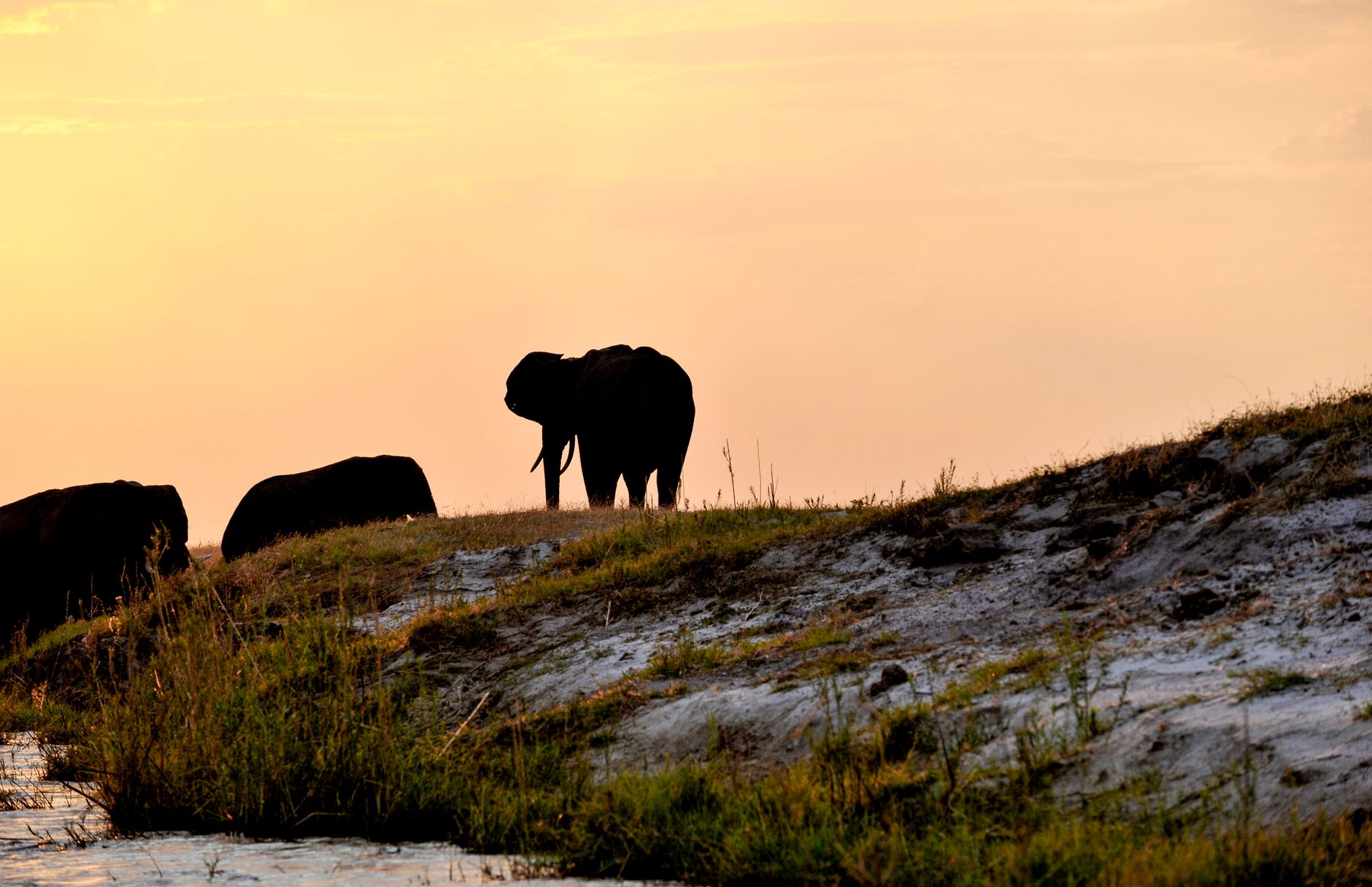
A short drive and a border crossing bring you to Kasane, the gateway to Chobe National Park. Famed for its staggering elephant population, a river safari on the Chobe River is essential. Witnessing hundreds of elephants drinking, bathing, and playing along the banks as the sun sets is a memory that defines the scale of life in KAZA. The park's Savuti region, deeper south, is legendary for its fierce predator action, especially the lion-hyena conflict.

The Okavango Delta: A Watery Eden
From Chobe, the journey south leads to Botswana’s crown jewel, the Okavango Delta, a UNESCO World Heritage Site. This unique ecosystem, where the Kavango River flows into the Kalahari Desert to create a 15,000-square-kilometre inland delta, is a paradise of shimmering lagoons, papyrus-lined channels, and secluded islands.
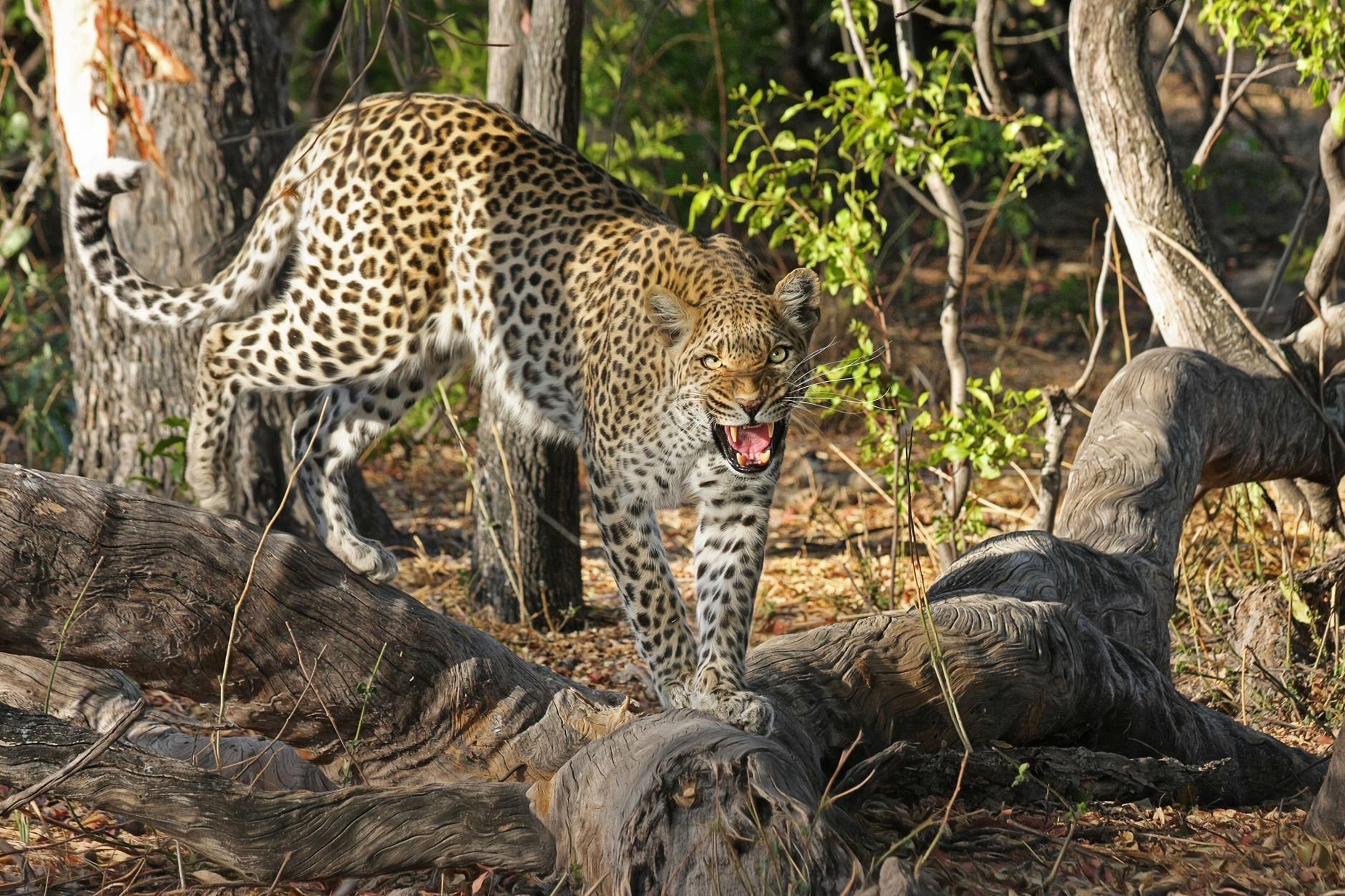
Exploring the Delta is a tranquil and immersive experience. Glide silently through the waterways in a traditional mokoro (dugout canoe), spotting tiny reed frogs and majestic fish eagles. On the larger islands, game drives reveal a rich tapestry of wildlife, including leopard, cheetah, and the rare African wild dog. Staying at a lodge deep within the concession, like the fictional but plausible Delta Dreams Camp, offers an unparalleled sense of remoteness and connection to nature.
Namibia's Zambezi Region: A Corridor of Life
As an alternative or an extension, Namibia's Zambezi Region (formerly the Caprivi Strip) serves as a vital artery connecting the ecosystems of Botswana and Angola with Zambia and Zimbabwe. This narrow panhandle is a lush, riverine landscape unlike anywhere else in Namibia.
Driving through Bwabwata and Nkasa Rupara National Parks, you'll find a quieter, more untamed safari experience. The area is critical for wildlife movement, and its riverine forests host sable and roan antelope, buffalo, and a healthy population of elephants traversing their ancestral paths. It offers a fascinating glimpse into the logistical reality of how these vast parks are linked.
Hwange and the Wilds of Zimbabwe
Crossing back east from Botswana or south from Zambia brings you into Zimbabwe's largest and most storied reserve, Hwange National Park. Known for its vast, semi-arid landscapes and fossil-lake systems, Hwange supports an incredible density of game. It is home to one of Africa’s largest elephant populations, including the famous 'Presidential Herd,' and is a stronghold for lions, leopards, and hyenas. The park's network of waterholes provides phenomenal game viewing, especially during the dry season from June to October.
Practical Considerations for Your Journey
Logistics and Border Crossings
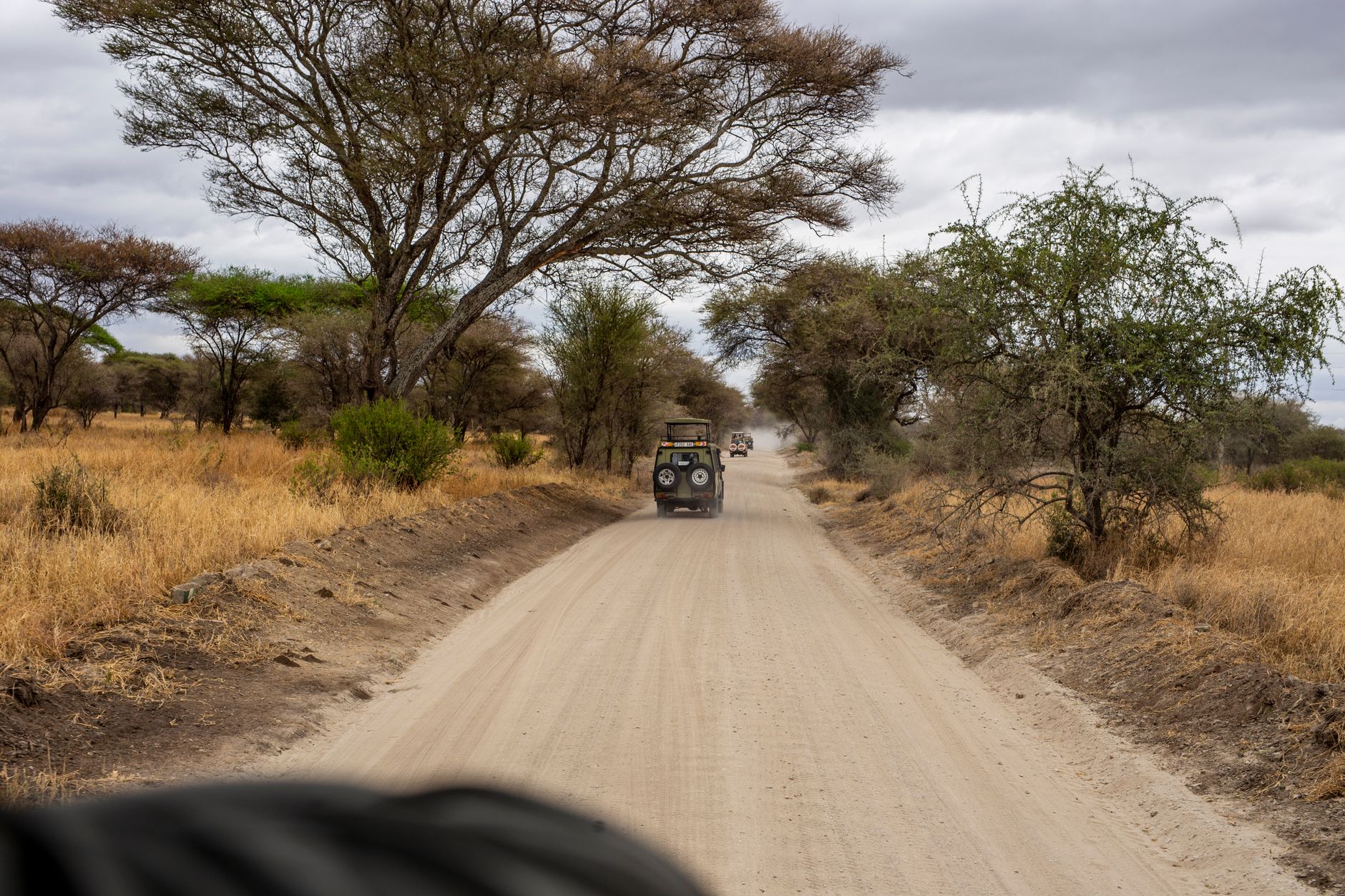
A multi-country safari requires careful planning. Visas, border opening times, and vehicle paperwork (if self-driving) are key considerations. The KAZA UNIVISA is a fantastic initiative that allows tourists to travel between Zambia and Zimbabwe for 30 days with a single visa, greatly simplifying a visit to the Victoria Falls area. For more complex routes, working with a tour operator or a destination specialist can streamline the logistics, ensuring smooth transitions between countries. Need more advice? Check out our post on planning a cross-border safari.
The Best Time to Travel
The dry season, from May to October, is generally considered the best time for wildlife viewing. As water sources become scarce, animals congregate around rivers and permanent waterholes, making them easier to spot. The weather is pleasant, with mild days and cool nights. Conversely, the green season (November to April) transforms the landscape into a lush, vibrant Eden. It's the best time for birdwatching, as migratory birds arrive in their thousands, and you’ll find lower prices and fewer visitors. Travel can be more challenging due to rain, but the photographic opportunities are superb.

Embarking on a KAZA Transfrontier Park safari route is to participate in one of the most significant conservation stories of our time. It is a journey that transcends simple sightseeing, offering a profound understanding of the space, freedom, and interconnectedness that wildlife needs to thrive. This is a safari on the grandest scale, an odyssey across a restored wilderness that will stay with you forever.
Ready to chart your own course through this magnificent landscape? Explore our curated collection of lodges across the KAZA region and begin planning the adventure of a lifetime. Discover Safari Stays.
Ready to plan your trip?
Check live availability, compare lodges and book instantly — or send us an enquiry and we'll help shape the route.