Zimbabwe Weather in August & September: A Safari Guide
August and September in Zimbabwe represent a safari season in its purest form. This is the heart of the dry season, a time of brilliant blue skies, comfortable days, and exceptional wildlife encounters. For those planning a journey, understanding the nuances of the zimbabwe weather in august and september is the first step in crafting an unforgettable adventure. It's a period when the bush reveals its secrets most generously, inviting you to witness the timeless drama of the African wilderness.
At Safari Stays, we believe the best trips are born from knowledge and anticipation. This guide offers an intimate look at what makes this time of year so magical, from the crisp morning air on your first game drive to the star-dusted skies above your lodge at night.
A Closer Look at Zimbabwe Weather in August and September
This two-month window marks the pinnacle of Zimbabwe's dry winter and the gentle transition into a warm, arid spring. The defining characteristic is the near-total absence of rain. The skies are typically vast and cloudless, and the humidity is very low, creating a comfortable and pleasant climate for exploration.
August still carries the cool signature of late winter. Mornings and evenings are distinctly chilly, requiring warm layers, while the midday sun provides generous warmth. By September, the temperatures begin to climb steadily. The chill recedes from the nights, and the days become noticeably hotter, heralding the build-up to the summer rains still a couple of months away. This shift is subtle but important, creating two slightly different experiences within this popular travel window.
Temperatures: What to Expect Day and Night
The daily temperature fluctuation is a key feature of this season. Early morning game drives, often starting before sunrise, will be cold. It’s not uncommon for temperatures to dip to 5-10°C (41-50°F), especially in open safari vehicles. A warm jacket, beanie, and scarf are essential companions.
As the sun climbs, however, the day warms up beautifully. Midday temperatures typically range from 25-32°C (77-90°F), with September being the warmer of the two months. This is perfect weather for lounging by the pool between activities or enjoying lunch on a shaded deck overlooking a waterhole.
It is worth noting that geography plays a role. The vast, semi-arid plains of Hwange National Park will experience these classic temperature swings, while the lower-lying Zambezi Valley in Mana Pools can be warmer. Conversely, the Eastern Highlands will remain cooler throughout.
The Landscape: A Palette of Gold and Ochre
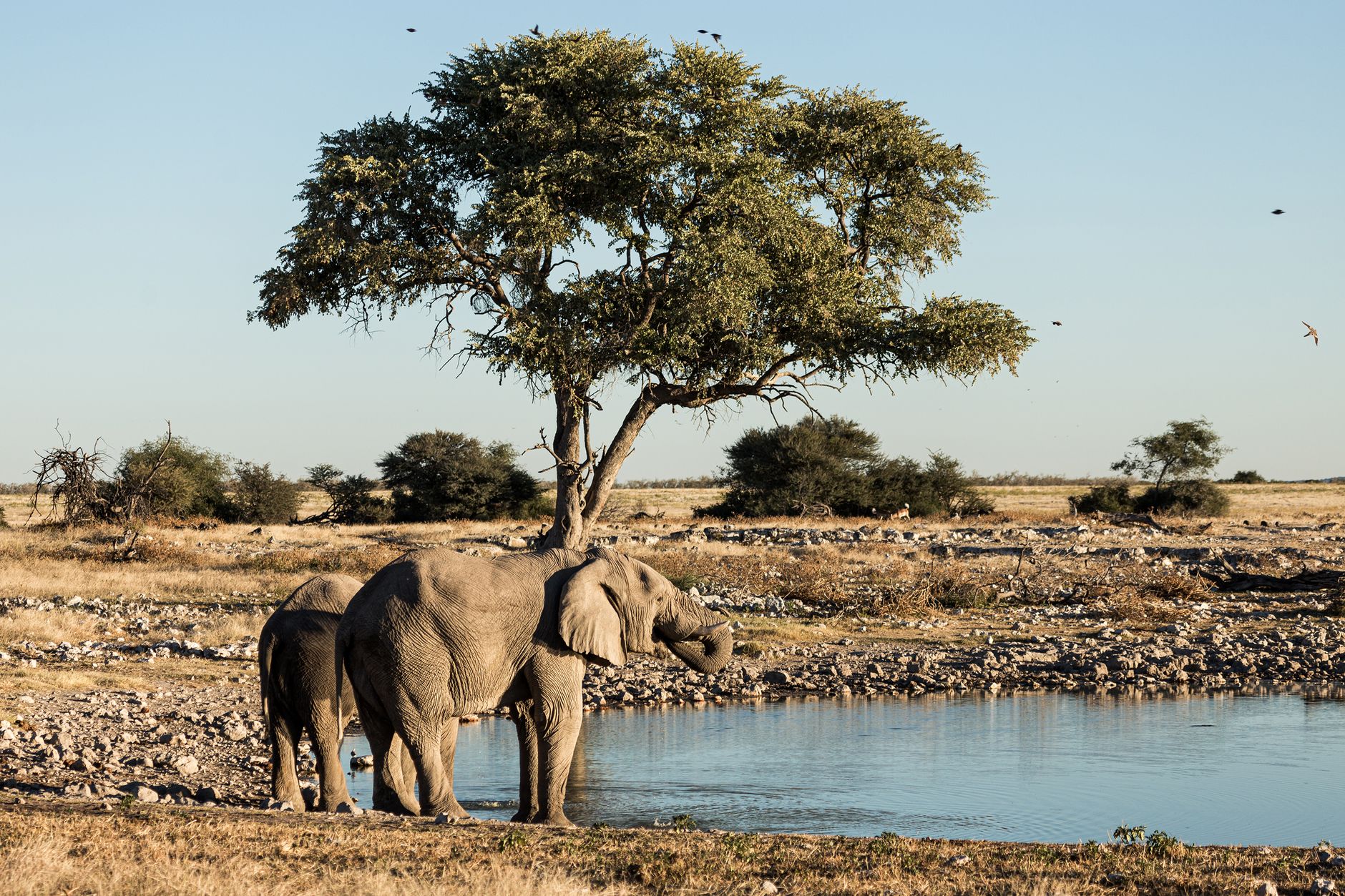
The lack of rain transforms the Zimbabwean landscape into a masterpiece of earthy tones. The lush greens of the wet season have long since faded, replaced by a canvas of pale golds, dusty browns, and rich ochre soils. The bush thins out considerably as deciduous trees shed their leaves, and grasses are grazed down to stubble.
While it may sound stark, this transformation is precisely what makes for phenomenal game viewing. The thinned-out vegetation dramatically improves visibility, making it easier to spot elusive animals like leopards resting in the boughs of a Sausage Tree or a pride of lions moving through the grasslands. The landscape itself becomes a character in your safari story.

Prime Time for Wildlife Viewing
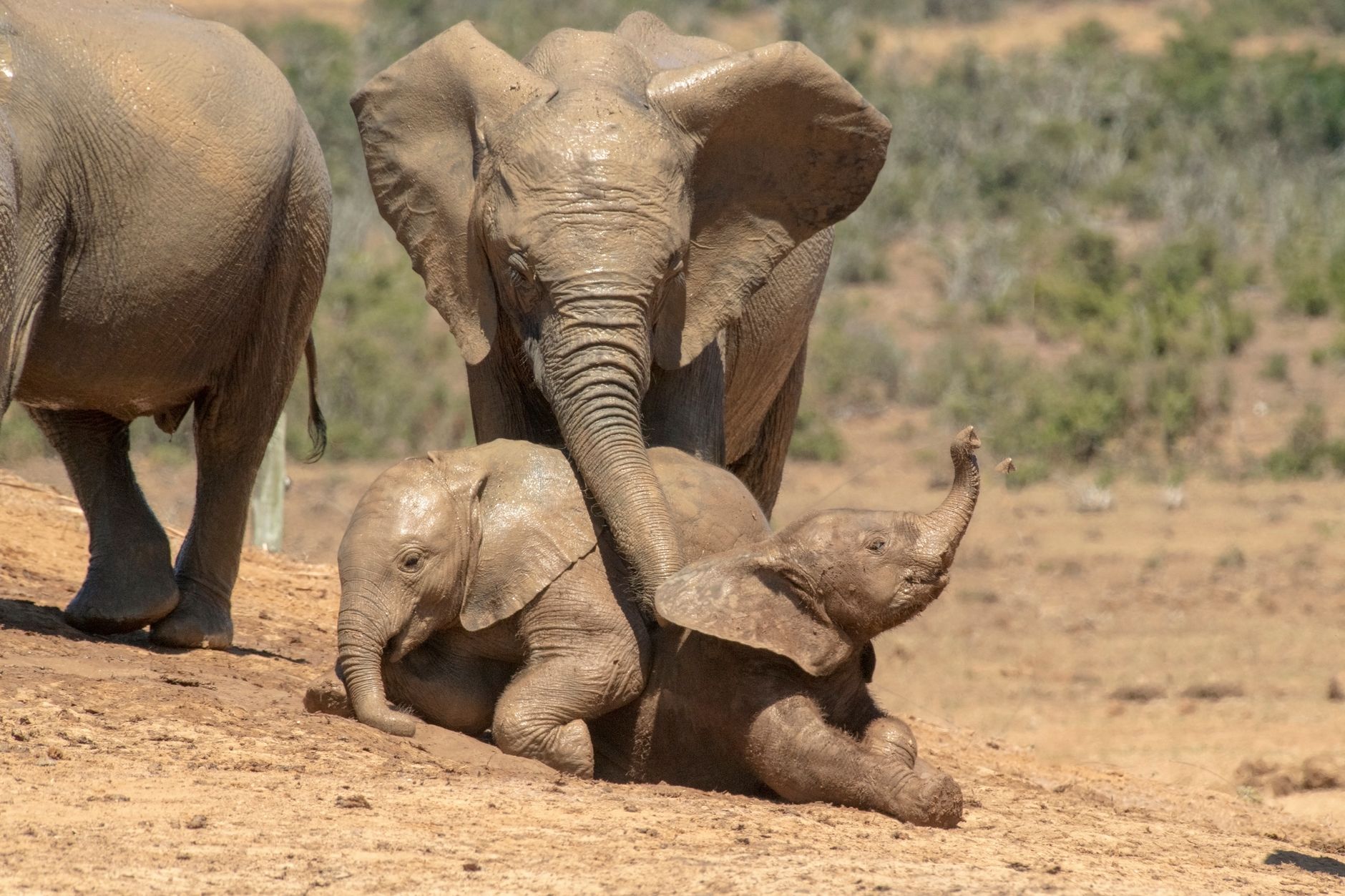
If exceptional wildlife viewing is your priority, August and September are unparalleled. As seasonal pans and streams dry up, wildlife is forced to congregate around the few remaining permanent water sources. The mighty Zambezi and Limpopo rivers become lifelines, and the man-made waterholes, particularly in Hwange, turn into bustling hubs of activity.
Imagine sitting at a lodge, such as the elegant Somalisa Camp, watching a constant procession of animals arriving at the waterhole in front of you. Enormous herds of elephants, sometimes hundreds strong, dominate the scene. They are joined by buffalo, zebra, kudu, giraffe, and impala. This concentration of prey inevitably attracts predators. Lions, leopards, and wild dogs are often seen shadowing the herds, and the chances of witnessing a hunt are significantly higher during this period.
The drama is palpable. Every visit to a waterhole offers a new story, a fresh interaction, a unique photographic opportunity. It is Africa at its most raw and compelling.
Victoria Falls in the Dry Season
A visit to the magnificent Victoria Falls offers a different but equally rewarding experience in August and September. The volume of the Zambezi River is much lower than during its peak flow, meaning less of the thunderous spray that obscures the view at other times of the year.
This lower water level allows you to appreciate the full scale and geological grandeur of the 1.7-kilometer-wide chasm. The rock faces of the Batoka Gorge are fully exposed, creating breathtakingly clear photographic opportunities. It’s also the prime time for certain activities, such as visiting Livingstone Island and taking a dip in the famous Devil's Pool at the very edge of the falls (accessed from the Zambian side).
What to Pack for Your August or September Safari
Packing for the temperature swings is key. Layering is your best strategy. Here is a checklist to help you prepare:
- Warm Layers: A fleece jacket, a warm mid-layer, and a windproof outer jacket are crucial for cold mornings and evenings.
- Lightweight Clothing: Long-sleeved shirts and trousers in neutral colours (khaki, beige, olive) for sun protection and blending in with the bush.
- Evening Comfort: A beanie, scarf, and gloves for those pre-dawn and post-dusk game drives.
- Sun Protection: A wide-brimmed hat, high-SPF sunscreen, and quality sunglasses are non-negotiable.
- Footwear: Comfortable, closed-toe walking shoes are essential for bush walks and general lodge life.
- Essentials: Binoculars, a good camera with extra batteries and memory cards, and a personal medical kit.

Beyond the Weather: Other Considerations
Because this is a peak travel period, it’s wise to book your lodges and flights well in advance to secure your first choices. While the parks are more popular at this time, their immense size means you will rarely feel crowded. Often, it will be just your vehicle at a special sighting.
Another beautiful consequence of the dry, clear air is the night sky. With no humidity or pollution, the stars are astonishingly bright. The Milky Way stretches across the sky like a celestial river. Many lodges offer stargazing, a truly humbling and magical experience. You might enjoy reading our post on A Guide to Stargazing on Safari to prepare.
In essence, a trip to Zimbabwe in August or September is a journey into the heart of safari season. The combination of comfortable, dry days, phenomenal wildlife density around water sources, and the stark beauty of the golden landscape makes it an ideal time to visit. Understanding the zimbabwe weather in august and september allows you to pack correctly and arrive ready to embrace every incredible moment.
Your classic safari adventure awaits. Explore our curated collection of Zimbabwe's finest lodges and begin planning a journey that will stay with you for a lifetime.
Ready to plan your trip?
Check live availability, compare lodges and book instantly — or send us an enquiry and we'll help shape the route.