Your Zimbabwe Safari in July 2026: An Expert Guide
There is a particular magic to Zimbabwe in the heart of its dry season. The air is crisp, the light is golden, and the wilderness reveals its secrets with remarkable clarity. If you are beginning to dream and plan for a Zimbabwe safari in July 2026, you are envisioning what many safari connoisseurs consider the most exceptional time of year to visit. This is the peak of the ‘safari season’ for a reason—when conditions conspire to create a wildlife spectacle of unparalleled grandeur.
July sits squarely in the middle of Zimbabwe’s winter. Forget the humid heat of summer; this is a season of cool, dry days and chilly nights. The land is parched, the seasonal pans have long since evaporated, and life congregates around the few remaining, reliable water sources. For the safari-goer, this is a gift. The drama of the bush unfolds before your eyes, concentrated and compelling.
Why July is a Premier Month for a Zimbabwe Safari
July represents the perfect equilibrium. The winter chill is established, but the harshest, windiest days of late winter have not yet arrived. The days are glorious—typically clear, blue skies with sunshine that warms you perfectly by mid-morning. It's pleasant enough to sit on a game viewer in a shirt, but you'll want a fleece or jacket for the early mornings and evenings.
This weather pattern has a direct and profound impact on game viewing. With water becoming a scarce and precious commodity, animals must trek to permanent rivers, pumped waterholes, and deep pools. The sparse vegetation, having shed its dense summer foliage, no longer offers easy concealment for elusive species. This combination means wildlife is both more concentrated and more visible. Predators know this, and the tension between hunter and hunted is palpable around these life-giving oases.
Weather and What to Pack for a Trip in July
Understanding the climate is key to packing correctly and enjoying your time to the fullest. July days typically see temperatures reach a comfortable 23-26°C (73-79°F). However, as the sun dips below the horizon, the temperature drops swiftly. Early mornings and nights can be genuinely cold, often hovering between 5-10°C (41-50°F), and occasionally dipping towards freezing in certain areas like Hwange.
Layering is the golden rule. Your packing list should include:
- Neutral-coloured clothing (khakis, greens, browns) for game drives.
- Lightweight long-sleeved shirts and trousers for sun protection.
- A warm fleece or mid-layer jacket is non-negotiable.
- A windproof outer jacket for early morning drives when the vehicle is moving.
- A warm beanie, scarf, and even gloves for those cold starts.
- A wide-brimmed sun hat, sunglasses, and high-SPF sunscreen for the midday sun.
- Comfortable, closed walking shoes.
This preparation ensures you remain comfortable from the exhilarating chill of a dawn leopard search to the pleasant warmth of a sun-drenched lunch back at the lodge.
Unforgettable Wildlife Encounters on a Zimbabwe Safari in July 2026
While wildlife is abundant across the country, certain parks truly shine in the dry season. Each offers a distinct character and set of experiences, allowing for a wonderfully diverse itinerary.
H3: Hwange National Park: A Theatre of Giants
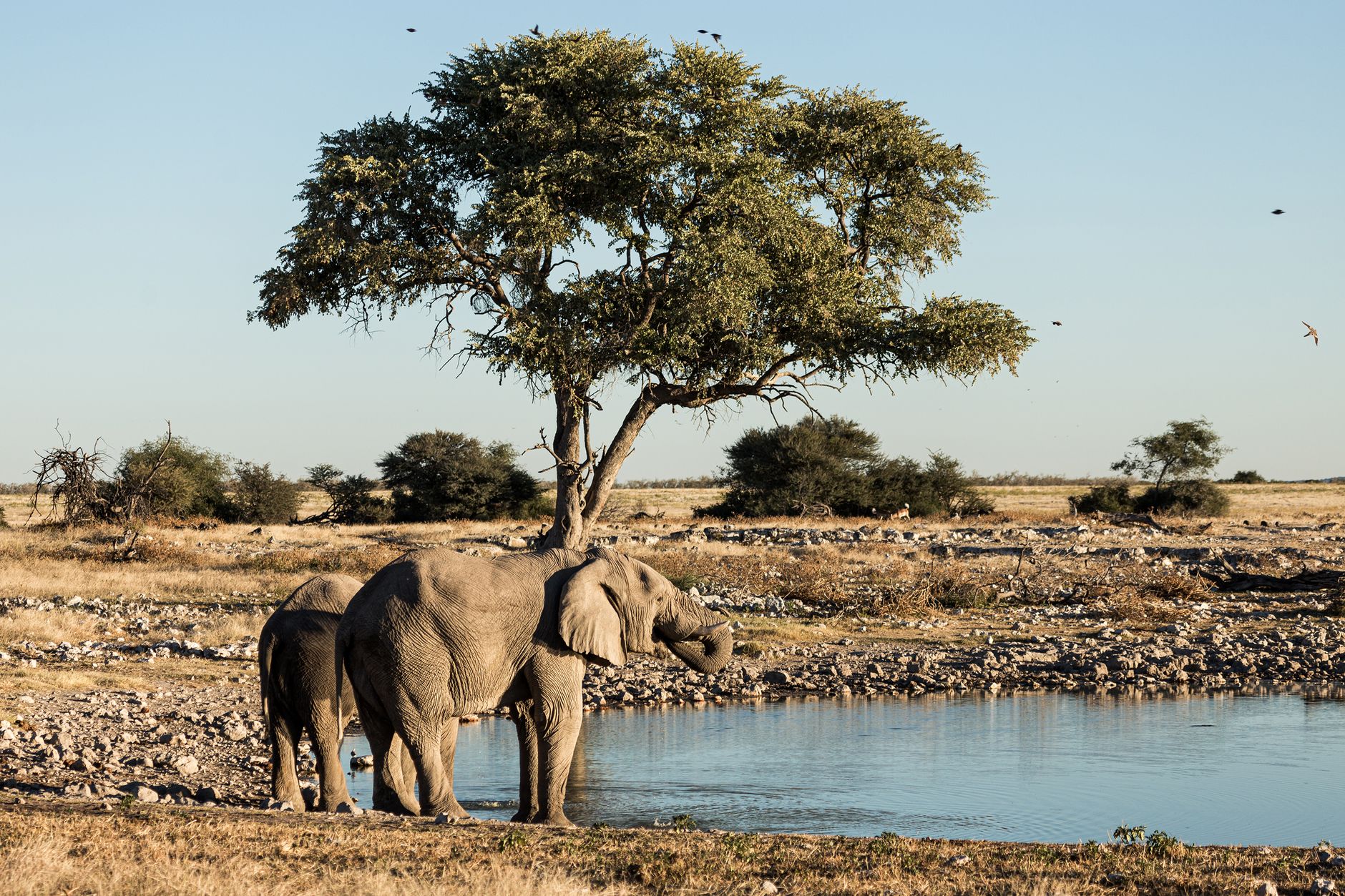
Hwange National Park is Zimbabwe's largest and most famous reserve, and in July, it is simply magnificent. The park’s ecosystem is sustained by dozens of man-made waterholes, which become vital hubs of activity. You can spend hours at a single waterhole, watching a procession of life. Vast herds of elephants, sometimes hundreds strong, dominate the scene, while giraffe, zebra, buffalo, and a variety of antelope come and go. The park is also a stronghold for predators, including lions, cheetahs, and famously, one of Africa's most significant populations of Painted Dogs. The open terrain makes tracking and spotting them easier than at other times of the year.

H3: Mana Pools: Walking with Wilderness
Further north, the Zambezi River nourishes the iconic Mana Pools National Park. Famous for its ethereal light filtering through groves of towering Albida trees, Mana offers a different kind of intensity. Here, the focus is on immersive, active safaris. Walking safaris are a speciality, allowing you to experience the bush on its own terms, guided by some of the most skilled professionals on the continent. Canoeing safaris on the Zambezi offer a unique, water-level perspective of hippos, crocodiles, and the herds of elephants that come to the banks to drink and cross. It’s here you might witness the legendary sight of bull elephants stretching onto their hind legs to reach the nutritious pods of the Albida trees.
H3: Choosing Your Sanctuary
A safari experience is as much about your chosen haven as it is about the wildlife. The lodges in our Safari Stays collection are selected for their location, quality of guiding, and unique atmosphere. In a place like Hwange, a camp such as Somalisa Acacia places you right at the edge of a prolific waterhole, allowing you to watch the drama unfold from the comfort of the lodge itself. In Mana Pools, a classic tented camp provides an intimate connection to the wild, where the sounds of the night—a hippo's grunt, a lion's distant roar—become the soundtrack to your stay.
Final Considerations for Your Journey
There is no way to sugarcoat it: July is the high season. The secret of Zimbabwe's splendours is well and truly out. This means that for the best-located camps and the most sought-after guides, availability becomes a real issue. Planning a Zimbabwe safari in July 2026 requires foresight. We strongly recommend beginning the booking process 12 to 18 months in advance to secure your first choice of accommodation and build the perfect itinerary.

July in Zimbabwe is more than just a trip; it is an immersion into the vibrant, raw pulse of the African wilderness at its most dynamic. It is cool, champagne-air mornings giving way to golden days. It is the dust-kicking spectacle of a thousand buffalo on the move and the silent, watchful gaze of a leopard in a winter-bare sausage tree. It is an experience that stays with you, a memory etched in gold and khaki.
Begin crafting your own unforgettable journey. Explore our curated collection of Zimbabwe’s finest lodges and let us help you piece together the safari of a lifetime.
Ready to plan your trip?
Check live availability, compare lodges and book instantly — or send us an enquiry and we'll help shape the route.