A Mana Pools Canoeing Safari in August: An Expert Guide
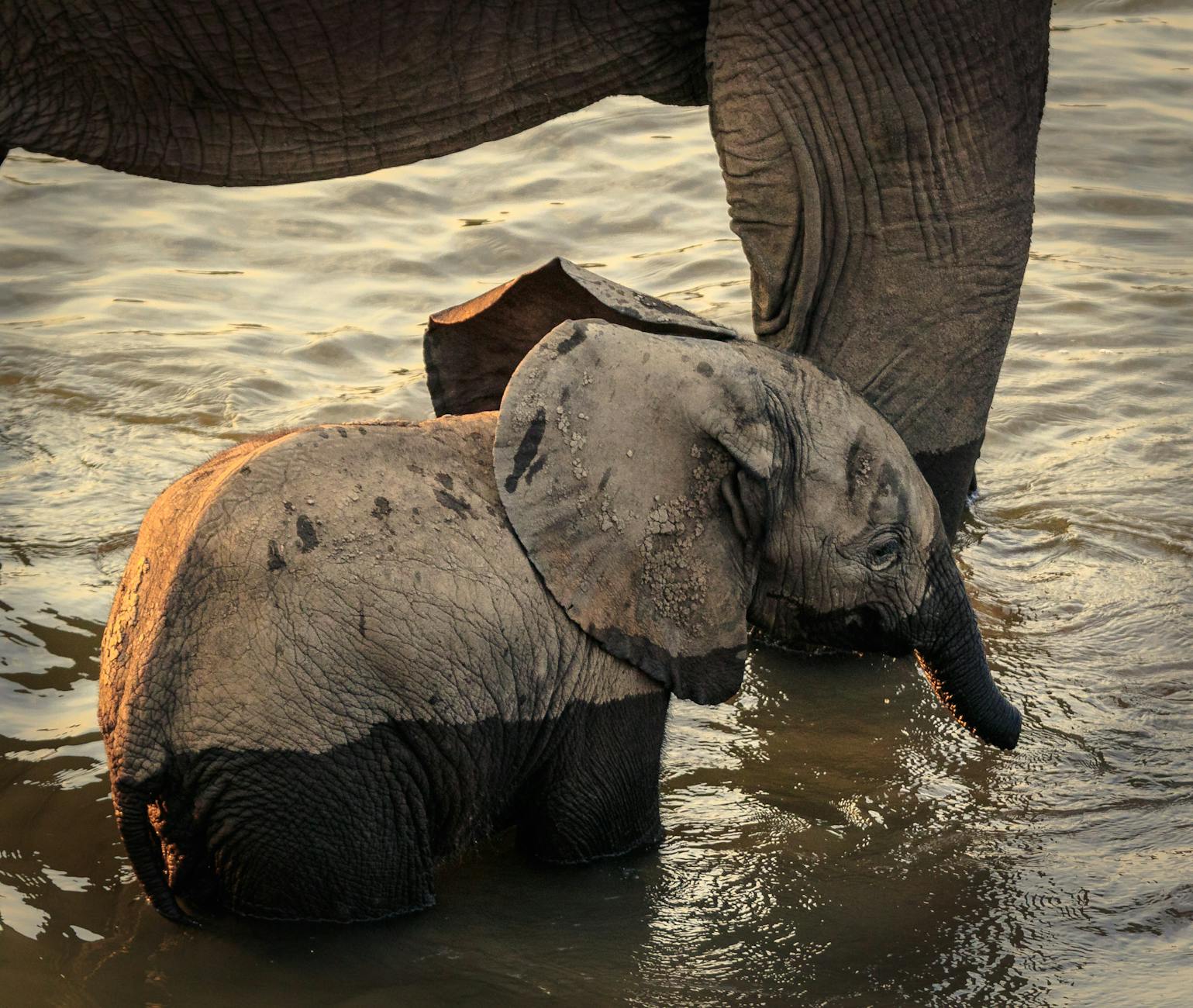
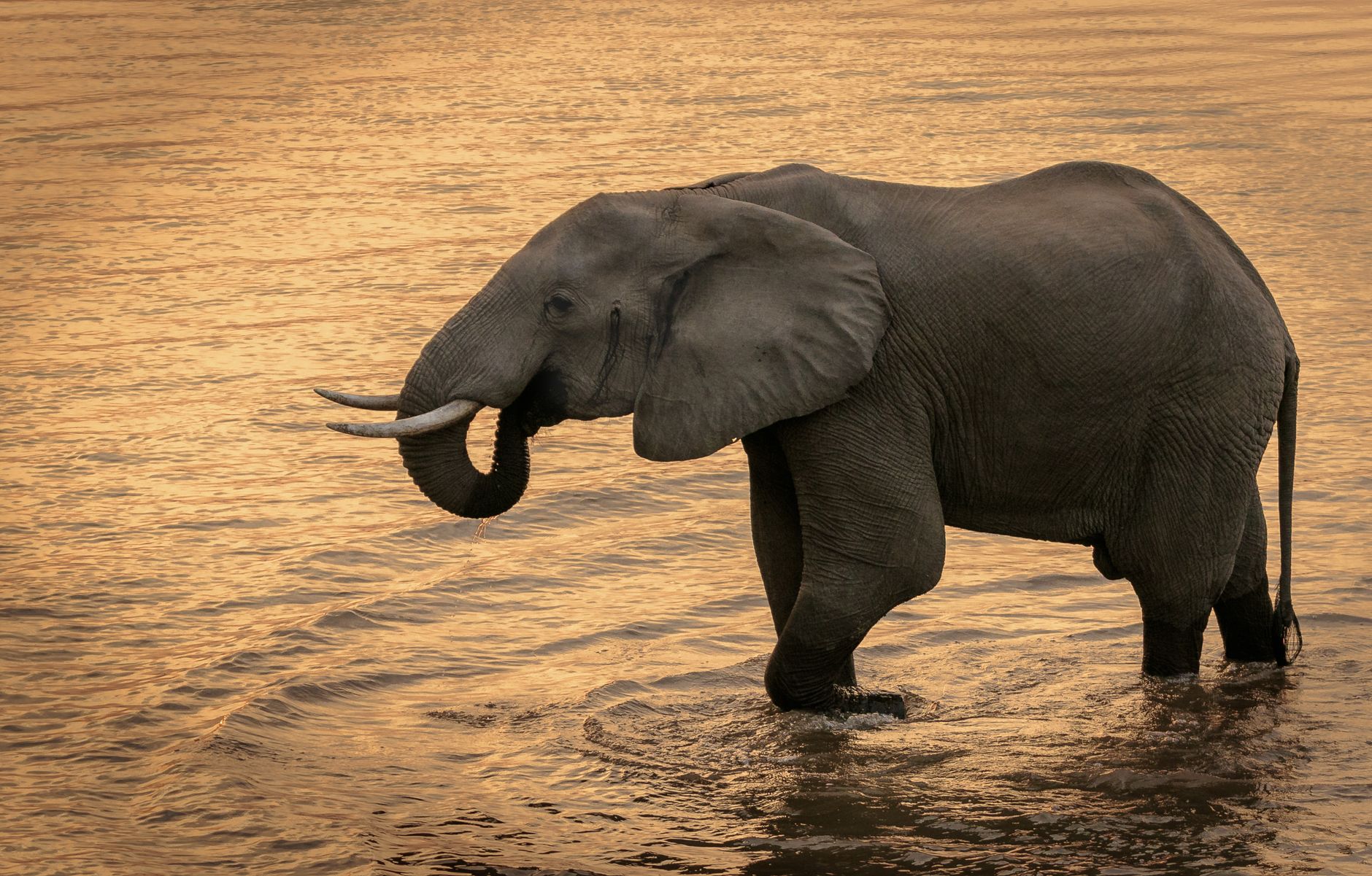
The gentle dip of a paddle into cool water is the only sound that breaks the morning stillness. Sunlight glints off the vast, mirror-like surface of the Zambezi River. To your left, a herd of elephants, silhouetted against the rising sun, makes its way to the water’s edge for a morning drink. This is not a dream; this is the reality of a Mana Pools canoeing safari in August, an experience that transcends the traditional game drive and connects you to the wild heart of Africa on a visceral level.
August in Zimbabwe marks the zenith of the dry season, a time when the bush is sparse, the air is clear, and the drama of the wild unfolds along the life-giving artery of the Lower Zambezi. For those seeking an immersive and active adventure, there is no better time or place. It’s a journey that strips safari back to its essentials: you, a canoe, an expert guide, and the untamed wilderness of a UNESCO World Heritage Site.
Why August is the Ultimate Month for a Mana Pools Canoe Safari
While Mana Pools is captivating year-round, August offers a particular alchemy of conditions that elevates the experience from spectacular to sublime. The weather is idyllic, and the river and its inhabitants conspire to create a perfect stage for adventure.
The Climate and Conditions
August delivers some of the most pleasant weather of the year. The winter chill has receded, but the intense heat of late spring has yet to arrive. You can expect cool, crisp mornings that require a fleece, followed by beautifully warm and sunny days perfect for paddling. Most importantly, it is the dry season, meaning virtually no chance of rain. The air is less hazy than in the later months, offering crystal-clear light for photography and breathtaking stargazing at night.
The Zambezi at its Most Benevolent
As the dry season progresses, the Zambezi River’s flow slows, and its water level drops. In August, the current is gentle, making it manageable even for novice paddlers. This lower water level exposes vast sandbanks along the river's edge and creates new islands in its channel. These temporary beaches become perfect spots for serene picnic lunches, afternoon siestas, and even campsites for multi-day expeditions. They are also a magnet for wildlife, providing open spaces for crocodiles to bask and wading birds to forage.
An Unparalleled Wildlife Perspective
A safari from the water is fundamentally different. The quiet glide of the canoe allows for an intimacy with nature that is impossible to achieve in a vehicle. You are no longer a spectator; you are part of the landscape.
Encounters from Water Level
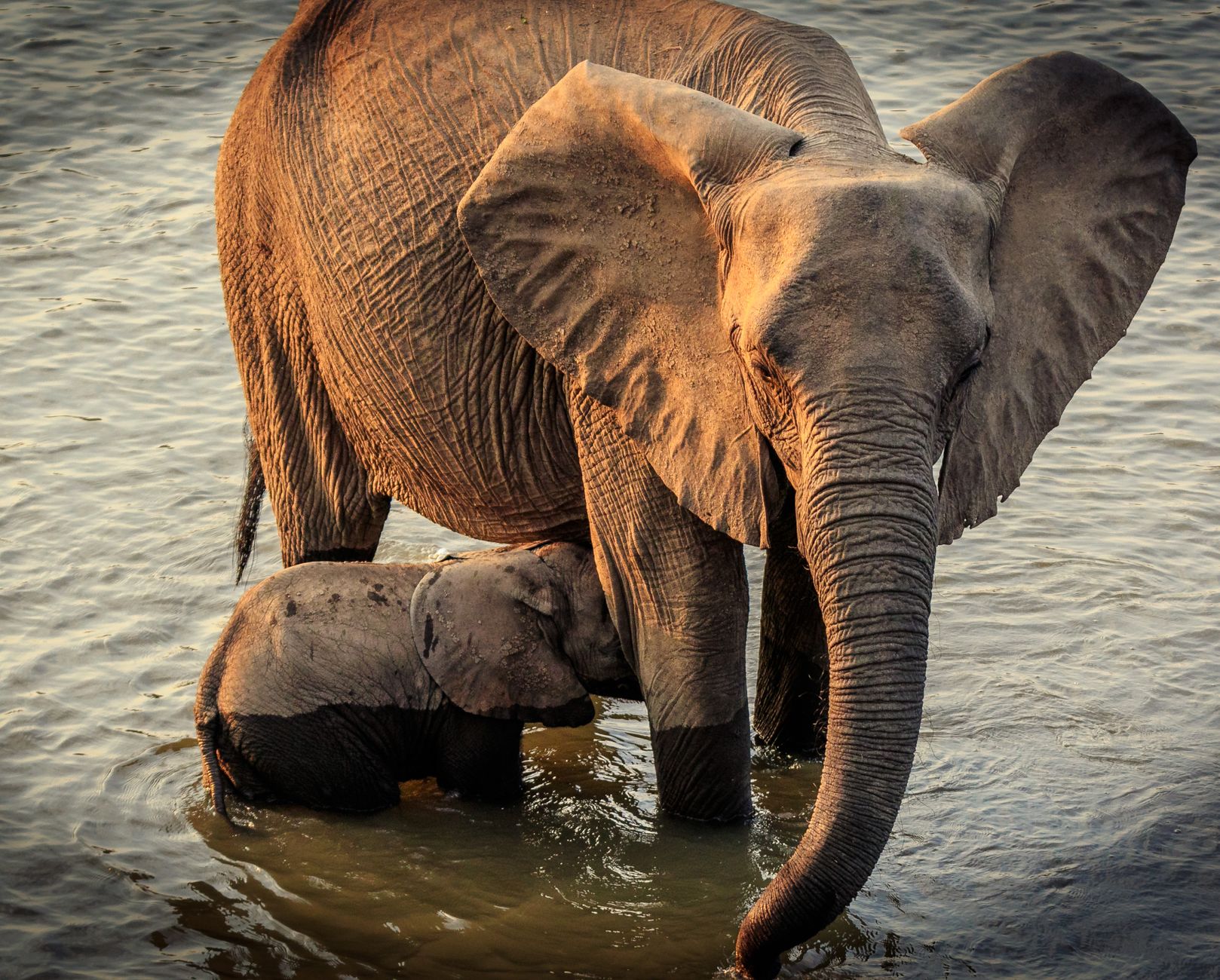
Imagine drifting silently past a breeding herd of elephants as they drink and spray themselves, their low rumbles vibrating through the water. Your perspective, at eye-level with the riverbank, is humbling. You will watch pods of hippos observing you with twitching ears from the safety of their deep-water channels—your guide’s expertise is paramount here in navigating these routes safely. Nile crocodiles, some of immense size, lie motionless on the banks, ancient sentinels of the river. Herds of buffalo, waterbuck, and kudu often dot the shoreline, their thirst drawing them to the water’s edge and offering you a front-row seat. There is a profound sense of peace in these quiet moments of observation, a feeling of being accepted into the rhythm of the river. For more details on the park's importance, you can read more about this incredible UNESCO World Heritage Site.
The Birdlife of the Riverbanks
For birders, August is paradise. The riverbanks and overhanging trees are alive with colour and song. The iconic cry of the African fish eagle is a constant soundtrack to your journey. You’ll spot the iridescent flash of malachite kingfishers darting over the water, the statuesque goliath heron hunting in the shallows, and colourful flocks of southern carmine bee-eaters nesting in the riverbanks. Without the noise of an engine, you can truly appreciate the diversity of avian life that thrives along the Zambezi.
What a Typical Day on a Mana Pools Canoeing Safari in August Looks Like
The rhythm of a canoeing safari is dictated by the sun and the movement of the animals. It’s an unhurried, yet utterly engrossing, daily routine.
Dawn on the Zambezi
The day begins just before sunrise with the aroma of fresh coffee and a crackling campfire. As the first light unfurls across the sky, painting it in shades of orange and pink, you’ll enjoy a light breakfast while your guide gives a briefing on the day’s route and safety procedures. Shortly after, you’ll launch your canoe onto the misty, tranquil waters as the bush awakens around you.
Mid-Morning Paddling and Exploration
The next few hours are spent paddling downstream, guided by an expert who knows every eddy and channel of the river. The pace is leisurely, focusing on observation and appreciation. You’ll stop frequently to watch wildlife, take photographs, or simply float and soak in the immense silence. Your guide, a fount of knowledge, will point out animal tracks on the banks, identify bird calls, and share stories of the river. Often, you will pull the canoes onto an island for a short walk to stretch your legs and get a different perspective.
A typical day might involve:
- Early morning wake-up call with coffee and biscuits.
- Morning canoe session of 3-4 hours, covering several kilometres downstream.
- Stopping on a secluded sandbank for a full brunch or lunch.
- A midday siesta or quiet time at camp to escape the warmest part of the day.
- An afternoon activity, which could be another shorter canoe trip, a guided walk, or a game drive.
- Sundowner drinks at a scenic spot overlooking the river as the sun sets.
- Dinner around the campfire, sharing stories under a blanket of stars.
This classic safari flow is perfected at lodges such as those in our Zambezi Drift Tented Camp collection, where adventure is seamlessly blended with comfort.
Beyond the Canoe: Walking Safaris and Game Drives
While the river is the main character, your adventure doesn't end at the water's edge. Mana Pools is renowned for its walking safaris, and combining canoeing with exploration on foot is the definitive way to experience the park. Walking through the park’s iconic Acacia albida woodlands, with their high canopy and open understory, is an unforgettable experience. Accompanied by your armed professional guide, you can track elephants on foot, learning to read the signs of the bush and approach magnificent creatures with respect and caution.
Game drives offer another dimension, allowing you to venture further from the river into the park's diverse habitats to search for lions, leopards, and wild dogs. Learning about this unique approach to safari can be found in our post on The Art of the Walking Safari.
There is a purity to this form of travel that is increasingly rare in the modern world. It is an active, engaging, and deeply rewarding way to connect with the African wilderness. As you paddle down one of the continent's last truly wild rivers, you are not just on holiday; you are on an expedition, following in the footsteps of explorers and creating memories that will last a lifetime. There is simply no substitute for the profound connection you forge with nature on a Mana Pools canoeing safari in August.
If the call of the Zambezi is resonating with you, and the idea of a safari powered by paddle and foot sparks your sense of adventure, we invite you to explore our curated collection of lodges and camps. Begin planning your journey to the heart of Zimbabwe by viewing our exclusive Zimbabwe listings today.
Ready to plan your trip?
Check live availability, compare lodges and book instantly — or send us an enquiry and we'll help shape the route.