Is It Safe to Travel to Zimbabwe? An Expert Guide

It’s a question we hear often, whispered with a mix of excitement and apprehension: is it safe to travel to Zimbabwe? For decades, this jewel of Southern Africa, home to the thunderous Victoria Falls, the elephant-rich plains of Hwange, and the wild Eden of Mana Pools, has navigated a complex narrative. We’re here to offer a clear, on-the-ground perspective, moving beyond the headlines to the heart of what a modern Zimbabwean safari truly entails: profound beauty, unparalleled wildlife encounters, and, yes, a safe and welcoming environment for the prepared traveller.
Understanding the Context: Beyond the Headlines
It is impossible to discuss Zimbabwe without acknowledging its recent history of political and economic challenges. These are real, and they have shaped the nation. However, what often gets lost in international news reports is the incredible resilience of the Zimbabwean people and the steadfast professionalism of its tourism industry.
For travellers on a planned safari itinerary, the experience is often wonderfully insulated from the daily struggles that can affect local life. The safari sector is a well-established, vital part of the country's economy. From the moment you are met at the airport to your farewell at the lodge airstrip, you are in the hands of seasoned professionals whose primary focus is your safety, comfort, and delight. This industry has weathered many storms and has emerged with a robust infrastructure built to deliver world-class experiences, regardless of the wider context.
So, Is It Safe to Travel to Zimbabwe for a Safari?
The short answer, especially for those embarking on a safari, is a confident yes. The longer answer involves understanding the different facets of safety, from the wilderness to the cities, and taking sensible precautions, just as you would when travelling anywhere in the world.
In the National Parks and Safari Areas
This is where Zimbabwe truly shines, and it’s where safety protocols are most rigorous. The country’s national parks and private concessions are vast, protected wilderness areas. When you stay at a safari lodge, you’re entering a carefully managed environment.
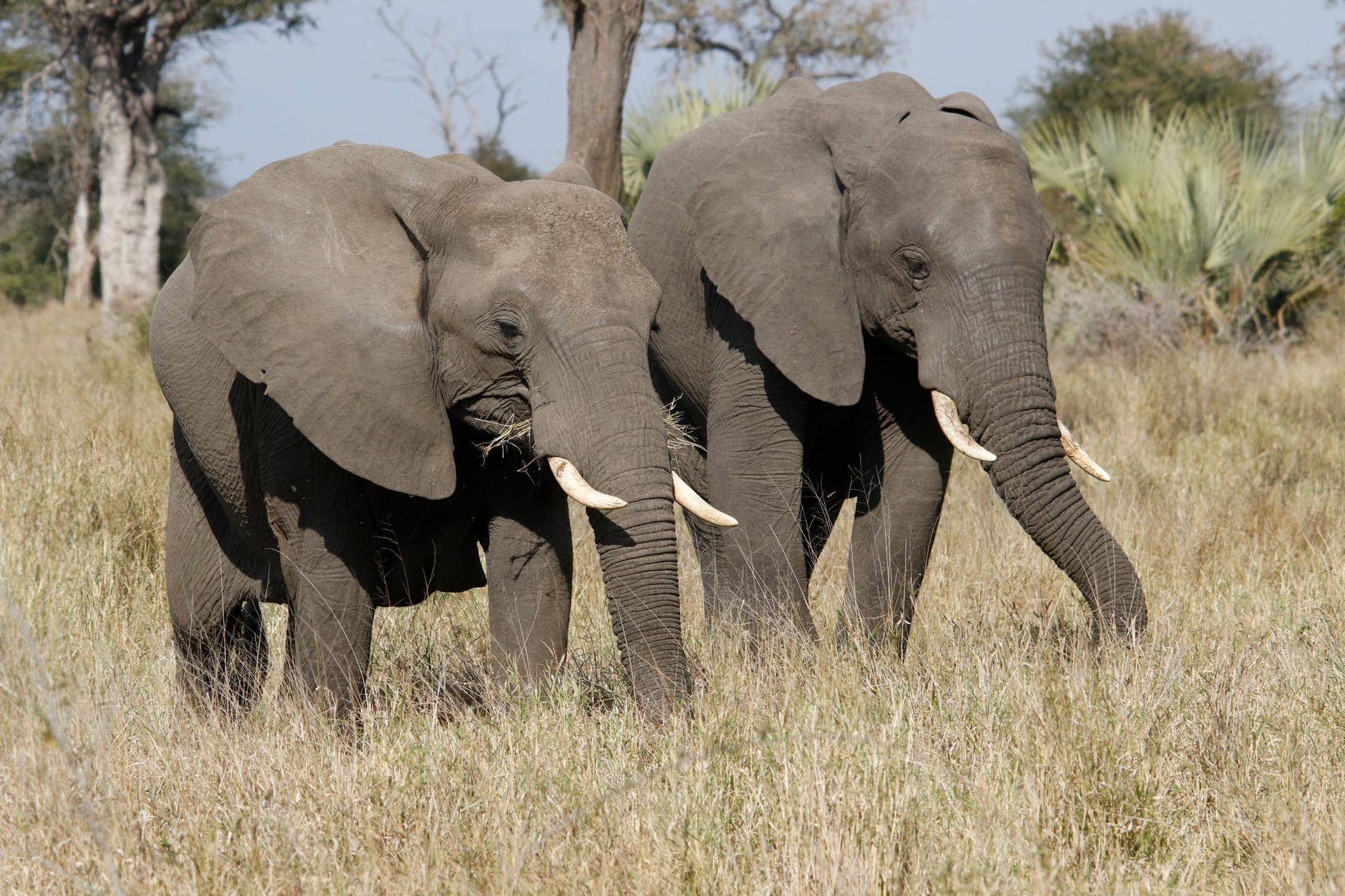
Your guides are among the most highly trained on the continent, having undergone famously intensive qualification processes. Their knowledge of animal behaviour is your greatest safety asset. They understand how to approach wildlife respectfully and without incident, whether you’re tracking lions on foot in the Zambezi Valley or watching a herd of elephants cross the plains of Hwange National Park. The lodges themselves are secure, and staff are well-versed in ensuring guest safety from both two-legged and four-legged visitors.
Health and Medical Considerations
Health is a key component of travel safety. Zimbabwe is a malaria area, particularly in the low-lying Zambezi Valley. It is essential to consult your doctor or a travel clinic well before your departure to discuss anti-malarial medication. On safari, lodges provide mosquito nets, and you should bring and use effective insect repellent, especially at dawn and dusk.
Reputable lodges and camps use filtered or bottled water for drinking, so you don't need to worry about water-borne illnesses. Comprehensive travel insurance with medical evacuation coverage is non-negotiable. While lodges have first-aid capabilities and links to local doctors, your insurance provides the ultimate safety net for any serious medical issue.
Navigating Cities and Towns
Most safari itineraries involve brief transit through cities like Harare, Bulawayo, or the tourism hub of Victoria Falls. Like any urban centre globally, these places require a level of awareness. Petty crime, such as pickpocketing, can occur. The standard advice applies: avoid walking alone after dark, do not flash expensive jewellery or large amounts of cash, and keep your valuables secured.
For the vast majority of visitors, these areas serve as gateways to the main event: the bush. When you travel with Safari Stays, all your transfers are pre-arranged with trusted partners, ensuring a seamless and secure transition from airport to lodge. The town of Victoria Falls is heavily geared towards tourism and is generally considered very safe for visitors exploring the falls and participating in the many activities on offer.
Practical Safety Tips for Your Zimbabwe Journey
Confidence comes from preparation. Following these simple, common-sense guidelines will ensure your journey is smooth and secure.
- Trust Your Guide: They are your experts in the wild. Their instructions are paramount for your safety around wildlife. Always listen to their briefings and adhere to their rules.
- Plan Your Movements: Use reputable, pre-booked operators for all road and air transfers. Avoid using informal local taxis, especially for long distances.
- Handle Money Wisely: The US Dollar is the primary currency for tourism. Carry a mix of denominations, including smaller bills for tips and curios. Keep your main cash supply in the lodge safe.
- Respect Wildlife: This is their home. Never try to feed or touch a wild animal. Maintain a safe distance and stay in the vehicle unless your guide has explicitly said it is safe to alight.
- Stay Hydrated and Sun-Protected: The African sun is strong. Drink plenty of the safe water provided, wear a wide-brimmed hat, and use a high-SPF sunscreen.
- Be Culturally Courteous: Zimbabweans are renowned for their warmth, politeness, and high level of education. A friendly “Mangwanani” (Good morning) or “Masikati” (Good afternoon) is always appreciated.

The Unforgettable Rewards
By focusing on preparation, you free yourself to embrace the extraordinary rewards of a Zimbabwean safari. This is a land of giants—giant herds of elephants, giant skies, and giant adventures. It’s where you can canoe past hippos and crocodiles on the Zambezi River, a life-altering experience offered at lodges like Kanga Camp in Mana Pools.
It’s the thrill of a walking safari, where you learn to read the landscape through the eyes of your guide. It’s the humbling sight of the Matobo Hills, a UNESCO World Heritage Site where granite boulders balance in impossible formations. And of course, it’s the visceral power of Mosi-oa-Tunya, “The Smoke that Thunders,” as it plunges into the Batoka Gorge.
So, when considering whether it is safe to travel to Zimbabwe, the answer from those who know and love it is a resounding yes, provided you travel with care and expert guidance. For the discerning traveller, the country offers a safari experience that is raw, authentic, and deeply moving, far from the crowds. For more inspiration, you can explore our ideas for a perfect Zimbabwe safari itinerary.
Ready to discover the wild heart of Africa for yourself? Explore our curated collection of Zimbabwe's finest safari lodges and let us help you craft an adventure that is as safe as it is unforgettable.
Ready to plan your trip?
Check live availability, compare lodges and book instantly — or send us an enquiry and we'll help shape the route.