A Guide to Hwange National Park in September
There is a palpable shift in the African bush as winter yields to spring. The air grows warmer, the nights lose their sharpest bite, and a sense of anticipation hangs over the thirsty landscape. This is the stage upon which the drama of the late dry season unfolds, and there is arguably no better place to witness it than Hwange National Park in September. This is a time of concentration, of clarity, and of profound wildlife encounters that define the very essence of a Zimbabwean safari.
The Climate and Landscape in September
September marks the peak of the dry season in Hwange. The lush green abundance of the wet summer months is a distant memory. In its place is a starkly beautiful landscape of pale, golden grasses and skeletal mopane and teak woodlands. The foliage is sparse, stripped back to its essentials, which offers a significant advantage for safari-goers: visibility is at its absolute best. The lack of dense vegetation makes spotting wildlife, even elusive species, far easier than at other times of the year.
The weather is characterised by clear, cobalt-blue skies and a sun that grows in intensity as the month progresses. Days are typically warm to hot, demanding light clothing, while the evenings and early mornings remain refreshingly cool—a welcome respite from the midday heat. It’s the kind of weather that feels intrinsically linked to safari; the cool dawn air on your face during a morning game drive, the pleasant warmth of the sun as it climbs higher, and the comfortable temperatures for an evening spent around the fire.
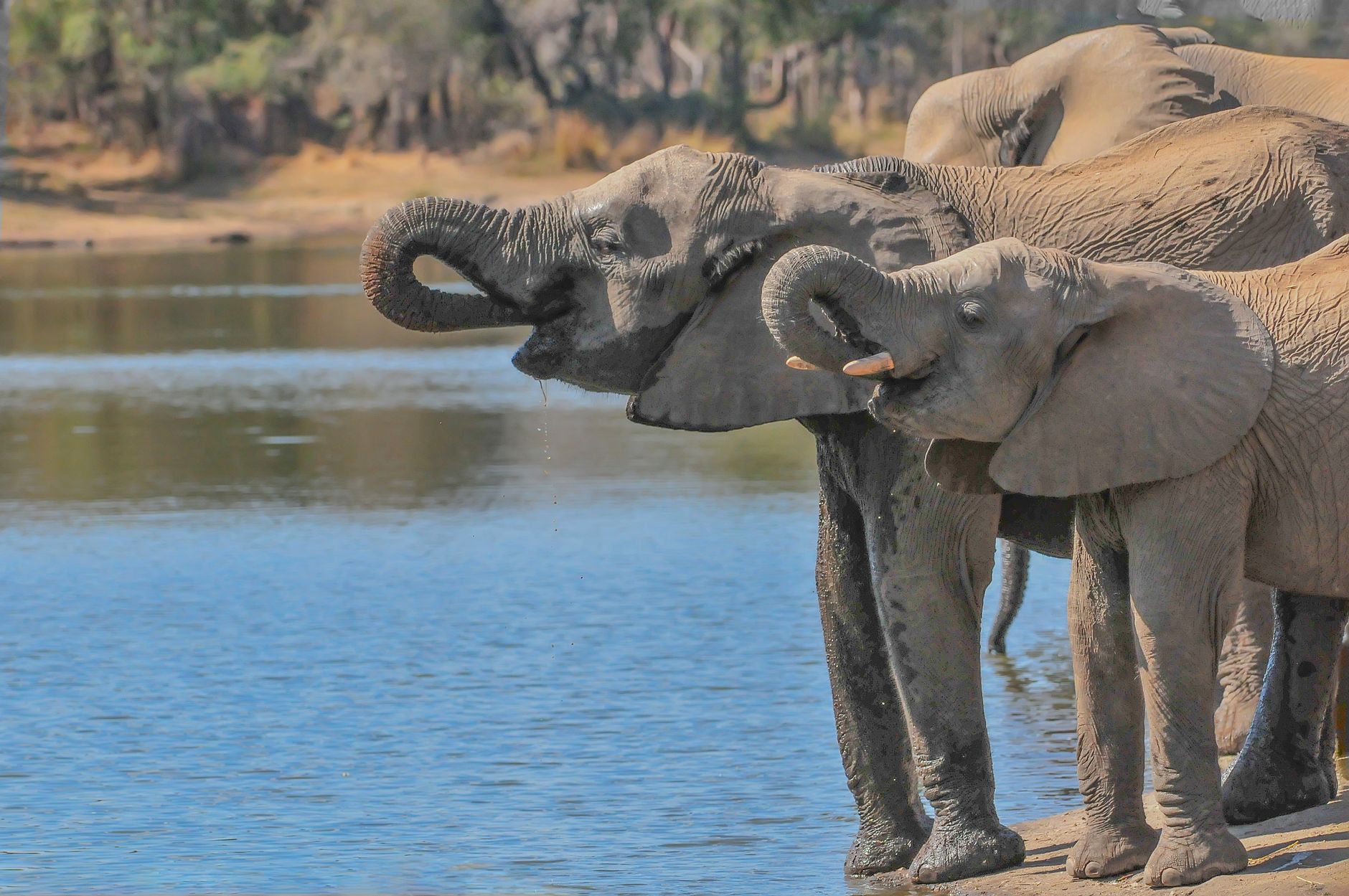
Crucially, water is exceptionally scarce. The seasonal pans and rivers that checker the park in the wet season have long since evaporated, leaving only the permanent, man-made waterholes. These pans, many of which are fed by solar-powered pumps, become magnets for all life, creating unparalleled opportunities for game viewing.
Wildlife Viewing in Hwange National Park in September
The scarcity of water dictates the rhythm of life. For visitors, this translates into some of the most concentrated and rewarding game viewing on the continent. The action is focused, the stage is set, and the players have no choice but to gather.
The Elephant Spectacle
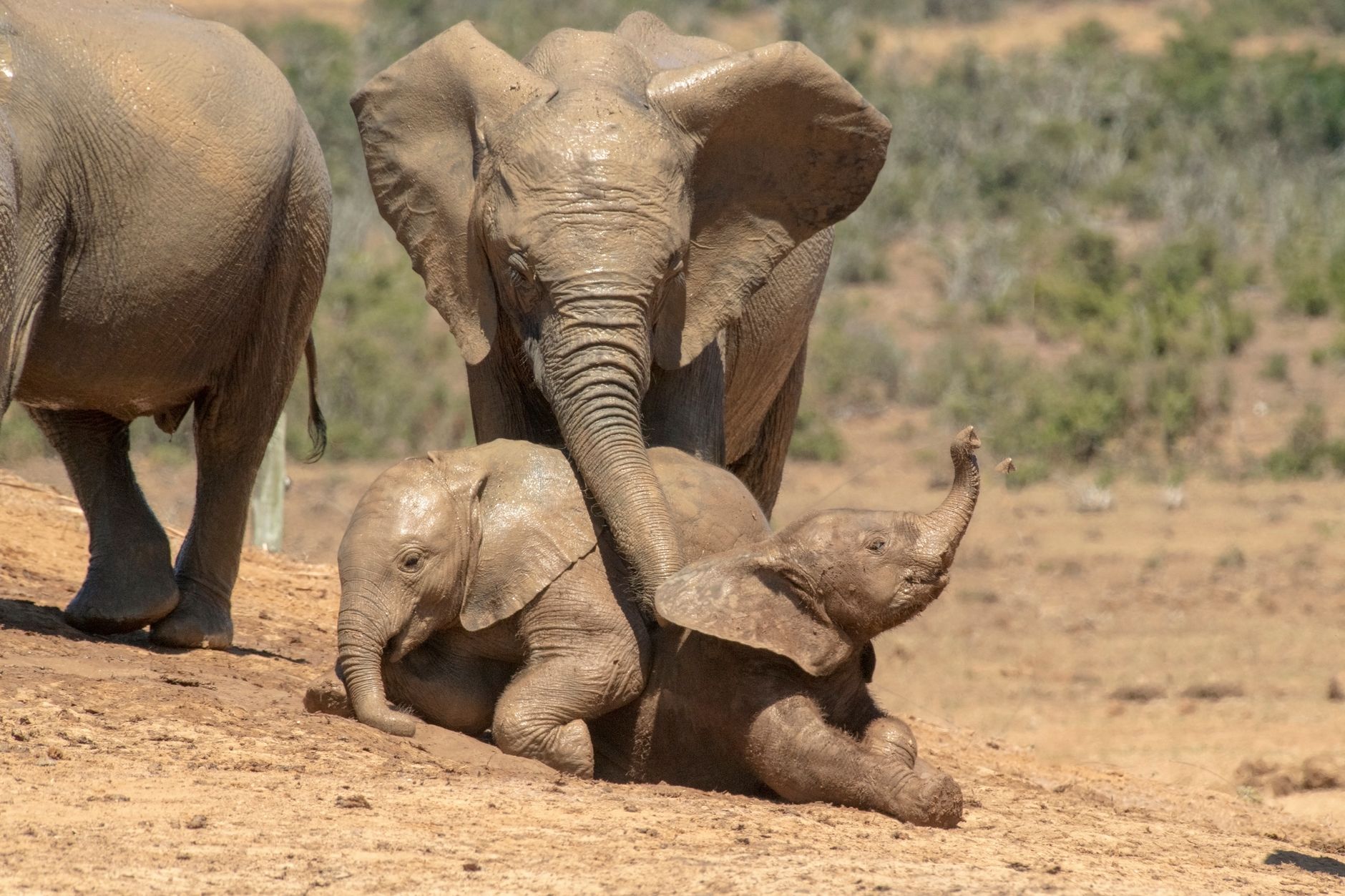
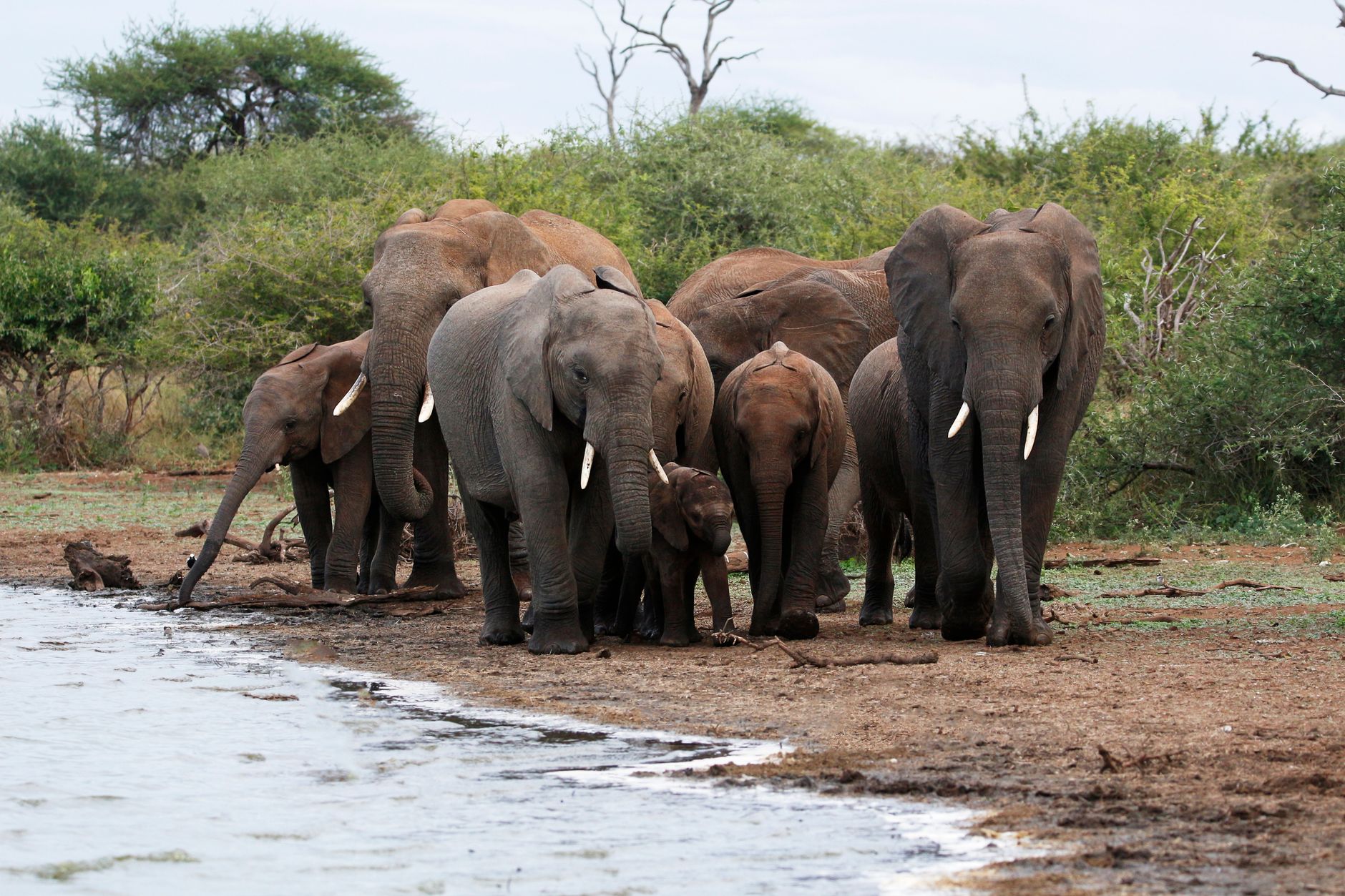
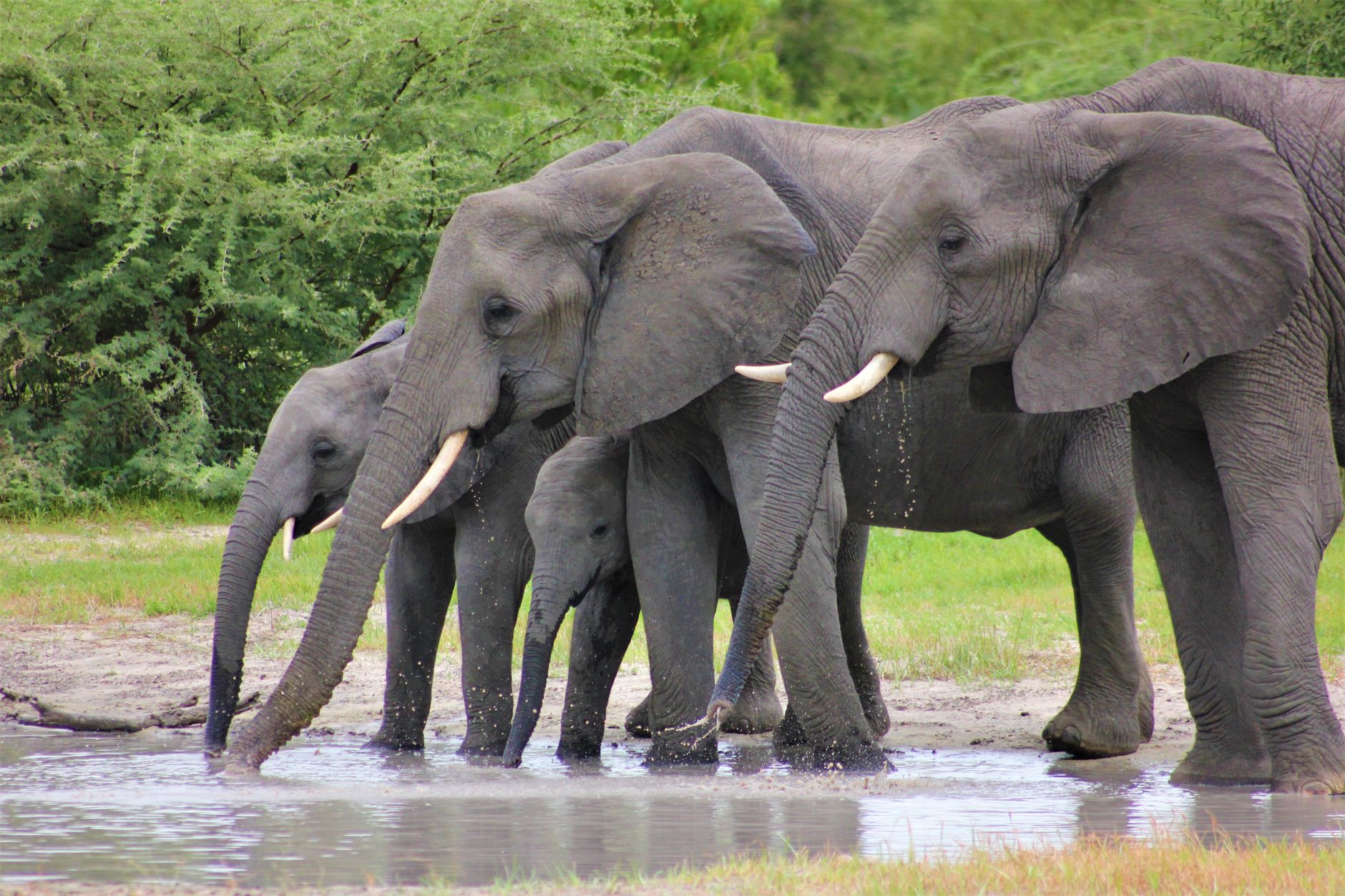
Hwange is, above all, the land of giants. It is home to one of Africa's largest elephant populations, and in September, this becomes overwhelmingly apparent. With natural water sources gone, massive breeding herds and bachelor groups are forced to congregate at the pumped waterholes. It is not uncommon to witness hundreds of elephants at a single pan over the course of an afternoon.
Watching these gatherings is a truly humbling experience. You will see entire family units, from tiny, wobbly calves to colossal matriarchs, interacting, drinking, and covering themselves in mud to escape the heat. The low rumbles of their communication, the boisterous splashing, and the sheer scale of the herds create a sensory spectacle that is impossible to forget.
Predators on the Prowl
Where the prey gathers, predators follow. The high concentration of animals around waterholes creates a target-rich environment for Hwange’s lions, leopards, cheetahs, and African painted dogs. The sparse bush makes hunting slightly easier, and the desperation of thirsty herbivores can lead to dramatic encounters.
Lions are often seen lying in ambush in the shade near a waterhole, patiently waiting for an opportunity. Leopards, masters of stealth, use the cover of darkness to stalk their prey as they come to drink. For those interested in the conservation of one of Africa's most endangered carnivores, Hwange is a stronghold for the painted dog. Learning about their complex social structures adds another layer to your safari; you can read more in our article about conserving Zimbabwe's painted dogs.
Other Sightings and Birdlife
While elephants and predators often steal the spotlight, the diversity of other wildlife is astounding. Key species to look for in September include:
- Vast herds of Cape buffalo: Often numbering in the hundreds, their movements kick up clouds of iconic red dust.
- Plains game: Zebra, wildebeest, and giraffe are common sights across the open grasslands and at waterholes.
- Rare antelopes: Hwange is renowned for its healthy populations of sable and roan antelope, two of Africa's most majestic species.
- Other browsers: Kudu, with their magnificent spiral horns, are frequently seen in the woodland areas.
The birding in September is excellent for resident species. Raptors like the bateleur and martial eagle are often seen soaring on the thermals, while southern ground hornbills patrol the savanna. The waterholes attract a variety of storks, herons, and jacanas, providing constant activity even between large mammal sightings.
A Typical Day on Safari
A day on safari in September follows a classic and comfortable rhythm. You'll wake before dawn to the sounds of the bush, enjoying a quick coffee before heading out in an open 4x4 vehicle. The morning air is cool, so a warm jacket is essential. This is the 'golden hour,' when the light is magical and predators are often at their most active.
As the sun climbs and the day heats up, you’ll return to the lodge for a hearty brunch. The middle of the day is a time for rest and relaxation. Many lodges, such as the acclaimed Somalisa Camp, are positioned overlooking their own waterholes, allowing you to continue game viewing from the comfort of the main deck or even your own room.
After a late afternoon tea, you will embark on an evening game drive. As the temperature drops, the wildlife becomes active again. This drive often culminates in the cherished safari ritual of 'sundowners'—stopping at a scenic spot to enjoy a drink as the sun sets, painting the sky in fiery hues. The drive back to the lodge in the dark, with the aid of a spotlight, offers a chance to see nocturnal creatures beginning their nightly routines.
What to Pack and Prepare For
Packing for Hwange in September is all about layering. Think lightweight cotton shirts and trousers in neutral, earthy tones for the day, and a warm fleece or jacket for the cool mornings and evenings. Comfort is key.
Essential items include a wide-brimmed hat, high-SPF sunscreen, and quality sunglasses to protect against the strong sun. A good pair of binoculars is non-negotiable for getting the most out of your sightings. Don't forget your camera with plenty of battery power and memory cards; the photographic opportunities are endless. Finally, be prepared for the dust. It’s an unavoidable and authentic part of the dry season experience that coats everything in a fine red powder.
Ultimately, a visit to Hwange in September is a journey into the heart of the wild, stripped back to its most raw and dramatic form. It is a time of immense reward for the patient observer, offering a front-row seat to the timeless cycles of survival. If you are seeking a powerful and unforgettable experience, you will certainly find it in Hwange National Park in September. You can explore the wider region and its safari possibilities on our dedicated Hwange National Park page.
Ready to witness the great elephant gatherings and the drama of the dry season for yourself? Browse our curated collection of superb lodges and camps across the country and begin planning your Zimbabwean adventure today. Explore our full range of Zimbabwe listings here.
Ready to plan your trip?
Check live availability, compare lodges and book instantly — or send us an enquiry and we'll help shape the route.