Best Time to Visit Zimbabwe: Month-by-Month Safari & Travel Guide

Zimbabwe is one of southern Africa's most underrated safari destinations — and one where timing makes an enormous difference. The dry season transforms Hwange National Park into one of the continent's great wildlife spectacles, while the wet season brings Victoria Falls to its thundering peak and the landscape to vivid life. This guide breaks down every month so you can match your visit to what matters most to you.
Zimbabwe's Seasons at a Glance
Zimbabwe has two distinct seasons — dry and wet — with meaningful variation at either end of each.
- Peak dry (July – October): Outstanding wildlife, hot by October. Best for safari and Hwange waterholes.
- Early dry (May – June): Pleasant temperatures, good game. Best for first-time visitors and value.
- Wet season (November – April): Green, dramatic, Victoria Falls peak. Best for Falls, birding, photography.
- Shoulder (April – May): Transitional, uncrowded. Best for budget travel and green landscapes.
Month-by-Month Breakdown
January – February
Full wet season. Zimbabwe is green, lush, and dramatically beautiful. Victoria Falls is building toward its peak flow. Hwange's waterholes are less critical as standing water is widespread, so game is dispersed — sightings are good but not concentrated. Excellent for birdwatching (over 670 species recorded in Zimbabwe, with many migrants present). Rates are at their lowest.
March – April
Rains taper off through March. By April the bush begins to thin and dry. Wildlife starts concentrating as water sources diminish. An underrated window — still green and photogenic, but wildlife viewing is improving. Victoria Falls remains impressive through April as the season's rainfall drains through the Zambezi system. Rates are low and parks are quiet.
May – June
The early dry season begins. Temperatures are very pleasant — warm days and cool evenings. Game viewing improves rapidly as animals concentrate around permanent water. Hwange's pump-fed waterholes become increasingly active. Victoria Falls starts to drop from its peak. Good availability and reasonable rates before peak season pricing kicks in.
July – August
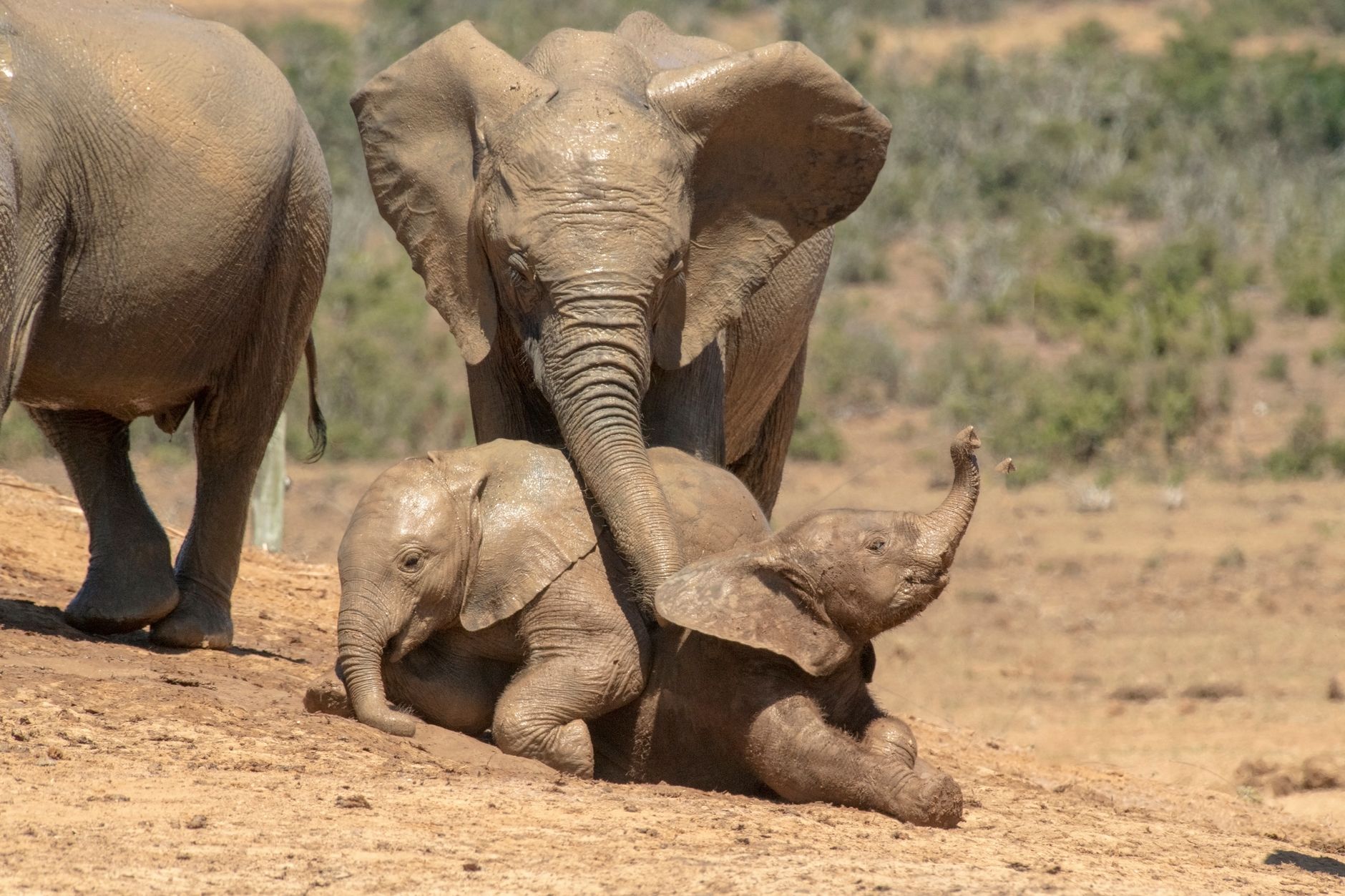
Peak season. Hwange produces some of the greatest elephant concentrations in Africa — the park's population is estimated at 45,000, the largest of any national park in the world. Waterholes at dawn and dusk are extraordinary. Mana Pools, on the Zambezi floodplain, reaches its dry-season peak — the famous walking safaris here are at their best. Temperatures are ideal: warm days, cool nights. Book six to twelve months ahead for preferred properties.
September – October
The finest wildlife viewing of the year by many measures. Waterholes are critical lifelines; animals congregate in numbers that must be seen to be believed. October is hot — regularly exceeding 38°C in the Zambezi Valley — but the wildlife density is exceptional. Mana Pools walking safaris continue to deliver extraordinary encounters. Victoria Falls is at its lowest and most photogenic for viewing the gorge structure without spray obscuring the view.
November – December
The first rains usually arrive in November. Temperatures drop after the first storms. Victoria Falls begins building again. Hwange's waterholes become less critical as rain creates alternative water sources. Rates drop and parks empty. A surprisingly good option for experienced travellers — the wildlife is still excellent in November before the vegetation thickens.
Best Time by Experience
- Hwange elephant concentrations: August – October
- Mana Pools walking safaris: August – October
- Victoria Falls at peak flow: March – May
- Victoria Falls for gorge views: September – October
- Birdwatching: November – March
- Budget travel: January – April
- First-time safari visitors: June – August
Frequently Asked Questions
What is the single best month to visit Zimbabwe?
September is widely regarded as the peak month for wildlife — elephant and predator concentrations are at their highest, temperatures are dramatic but manageable, and both Hwange and Mana Pools are producing exceptional sightings. For first-time visitors who want good wildlife without the October heat, August is the safer recommendation.
When is Victoria Falls most impressive?
Peak flow is typically in April and May, when the Zambezi is running at its fullest and the spray is visible from kilometres away. At this point, much of the falls themselves are obscured by mist — you feel the power more than you see it. For viewing the falls clearly, September and October are better, when the flow is lower and the gorge structure is fully visible.
Is Zimbabwe good value compared to other safari destinations?
Zimbabwe is generally better value than Botswana and comparable to Zambia. The combination of outstanding wildlife, genuinely world-class walking safaris, and lower visitor numbers than South Africa makes it one of Africa's strongest value propositions in the mid-range safari market.
Is it safe to travel to Zimbabwe?
The tourism areas — Victoria Falls, Hwange, Mana Pools, and the Eastern Highlands — are safe for travellers and have strong tourism infrastructure. Normal travel precautions apply. The UK Foreign Office and German Auswärtiges Amt both currently advise normal precautions in tourist areas. Check current advice before travel.
Planning a Zimbabwe safari? Browse lodges and camps on our Zimbabwe accommodation page.
Ready to plan your trip?
Check live availability, compare lodges and book instantly — or send us an enquiry and we'll help shape the route.