2-Week Tanzania Safari Itinerary: Serengeti, Ngorongoro, Zanzibar & More
Two weeks is the ideal length for a Tanzania trip. It allows you to cover the northern safari circuit properly — without rushing between parks — and finish with a few days on Zanzibar. This itinerary is designed for independent travellers who want to plan their own accommodation while working with a local operator for vehicles and guiding.
Two versions are offered: one for the dry season (June to October) prioritising the Mara River crossings, and one for the green season (January to February) oriented around calving season and value.
Overview
| Destination | Days | Highlights |
|---|---|---|
| Arusha | 1 | Arrival, briefing, Arusha National Park option |
| Tarangire National Park | 2 | Elephant herds, baobab landscape |
| Ngorongoro Crater | 2 | Crater descent, rhino, Big Five |
| Central Serengeti (Seronera) | 2 | Resident wildlife, kopjes, lion |
| Northern Serengeti (dry) OR Southern Serengeti / Ndutu (green) | 3 | Mara crossings OR calving season |
| Zanzibar | 4 | Stone Town, beach, snorkelling |
Day-by-Day Itinerary
Day 1 — Arrive Kilimanjaro Airport / Arusha
Kilimanjaro International Airport receives international flights from Amsterdam, Doha, and connections via Nairobi or Addis Ababa. Transfer to Arusha (approximately 45 minutes). Arusha sits at 1,400 metres with a pleasant climate — use the afternoon to recover from travel, meet your guide, and confirm the itinerary. Arusha National Park, within 30 minutes of town, is an underrated half-day option if you arrive early: giraffe, zebra, flamingos on Momella Lakes, and views of Mount Kilimanjaro on clear mornings.
Day 2 — Arusha to Tarangire National Park
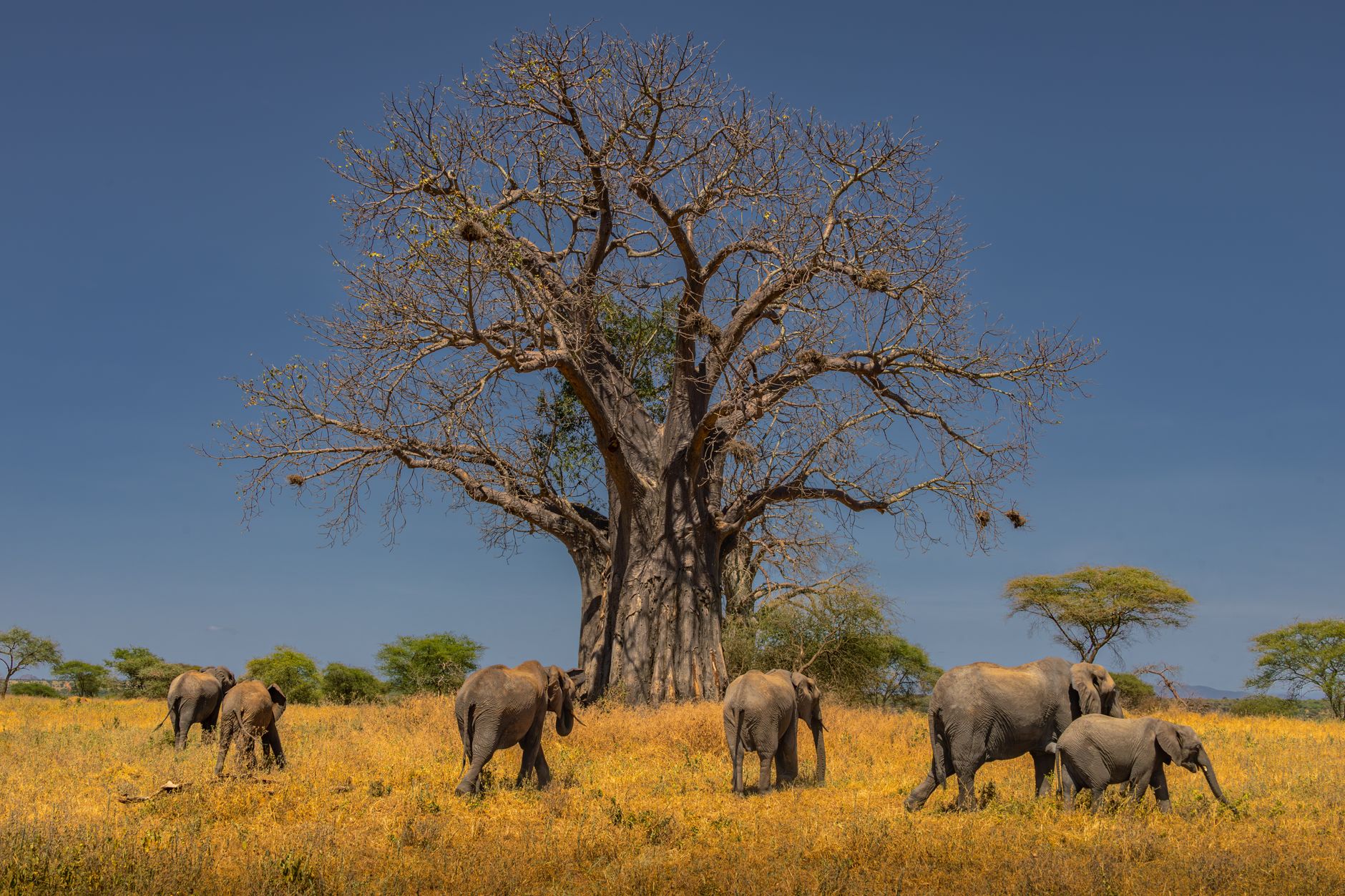
Approximately 2 hours by road south of Arusha, Tarangire is one of Tanzania's most underrated parks. During the dry season, the Tarangire River sustains remarkable elephant concentrations — herds of 200–300 are not unusual in August and September. The landscape of ancient baobab trees, dry riverbeds, and open grassland is unlike anywhere else on the northern circuit. Arrive in time for an afternoon game drive.
Day 3 — Tarangire Full Day
A full day in Tarangire. Morning and afternoon drives along the river circuit. The park supports all of Tanzania's major predators, large buffalo herds, and exceptional birding. Overnight in Tarangire.
Day 4 — Tarangire to Ngorongoro Conservation Area
Drive via the town of Mto wa Mbu (a brief stop for the local market is worthwhile) and up the crater rim. The Ngorongoro Conservation Area (NCA) buffer zone sits at 2,200 metres — bring a warm layer for evenings. The crater itself, 600 metres below, holds approximately 25,000 large mammals in 260 km² — one of the densest concentrations in Africa. Afternoon walk on the crater rim for orientation and extraordinary views.
Day 5 — Ngorongoro Crater Descent
A full day inside the crater. Vehicles descend via a steep track to the crater floor at dawn and must exit by late afternoon. The crater floor is home to lion, elephant, black rhino (one of Tanzania's most accessible populations), hippo pools, flamingos on the soda lake, and large buffalo herds. Leopard sightings on the crater walls are possible. Note: vehicle numbers inside the crater are managed — this is not a wilderness experience, but the wildlife density is genuinely extraordinary.
Day 6 — Ngorongoro to Central Serengeti (Seronera)
Drive west through the Ngorongoro Conservation Area, passing through traditional Maasai boma settlements, and enter the Serengeti via the Naabi Hill Gate. The transition from highland forest to open savannah is dramatic. Arrive Seronera by mid-afternoon for an evening drive in the valley — one of the best areas in Africa for leopard.
Day 7 — Central Serengeti
Full day in the Seronera area. The resident lion prides here are well-habituated and produce excellent sightings. The kopjes (granite outcrops) shelter cheetah mothers with cubs in the right season. The Seronera River supports hippo pods and large crocodiles. Morning and afternoon drives with a midday rest.
Day 8 — Central Serengeti
A second full day gives time to explore areas beyond the main Seronera circuit. The western corridor is within range for a day trip. Evening drives in Tanzania's national parks must conclude at 7pm — use the last light hour carefully.
From Day 9, the itinerary splits by season:
DRY SEASON (June–October): Days 9–11 — Northern Serengeti (Kogatende)
Fly from Seronera airstrip to Kogatende (approximately 30–40 minutes). The northern Serengeti is a different landscape to the south — more wooded, with rocky hills and the broad Mara River cutting through. Your camp is likely within walking distance of one or more crossing points.
Days 9 and 10 are spent in the vehicle at the river, waiting. The crossings are entirely unpredictable — herds can mass on the bank for hours before retreating, or plunge in without warning. Three days gives you multiple opportunities. Even without a crossing, the northern Serengeti at this time of year is exceptional: lion prides hunt on the plains, and the air is electric with wildebeest movement.
GREEN SEASON (January–February): Days 9–11 — Southern Serengeti / Ndutu
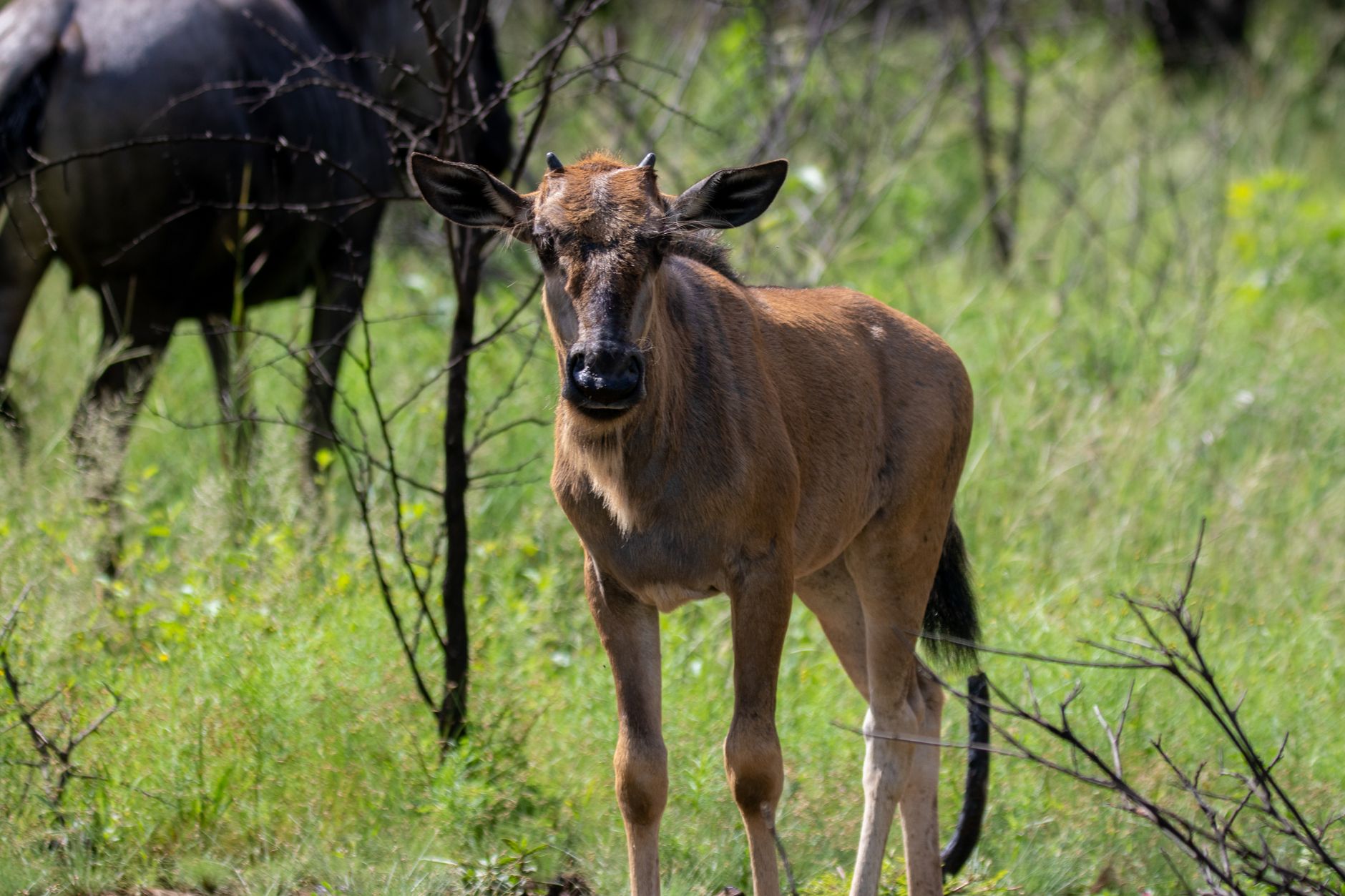
Drive or fly south from Seronera to the Ndutu area in the Ngorongoro Conservation Area buffer zone, adjacent to the southern Serengeti. January and February is calving season — approximately 500,000 wildebeest calves are born in a six-week window, and the predator response is extraordinary.
Cheetah mothers with cubs hunt in the open short-grass plains. Lion prides take wildebeest calves with minimal effort. Hyena clans are enormous and active around the clock. Photography here — vast skies, flat plains, dramatic kills — is world class. This season is significantly less visited than the August crossings and represents some of the best value on the northern circuit.
Day 12 — Fly to Zanzibar
Morning transfer to the nearest airstrip, flight via Arusha or Dar es Salaam to Zanzibar. Arrive by early afternoon. Check in to your Stone Town accommodation. Afternoon walk through the old town, ending at Forodhani Gardens for the evening food market.
Day 13 — Stone Town & Transfer to Beach
Morning exploring Stone Town properly — the slave memorial, the old fort, and a spice market visit. After lunch, transfer by road (45–75 minutes depending on destination) to your beach accommodation on the north or east coast.
Day 14 — Zanzibar Beach Day
A day with no schedule. Swimming, snorkelling, a dhow trip, or simply reading on the beach. Evening flight connections from Zanzibar to Nairobi, Doha, or Addis Ababa for overnight connections back to Europe typically depart in the afternoon or evening — check your connection timing.
Practical Notes for Independent Planners
Booking accommodation independently: Most lodges and camps in Tanzania accept direct bookings. Booking direct avoids operator markups on accommodation. You then contract a local Arusha operator separately for the vehicle, guide, and park fee logistics.
Operator selection: Arusha has hundreds of safari operators, ranging from excellent to unreliable. Look for TATO (Tanzania Association of Tour Operators) membership as a baseline quality indicator. Request references from recent clients and confirm vehicle specifications in writing before paying.
Tipping: Tipping is standard and expected. A well-regarded guide on a private safari typically receives USD 20–30 per day from the group. Camp and lodge staff tips are separate.
Packing: Lightweight neutral clothing (khaki, olive, grey), a warm layer for crater rim and early mornings, good walking shoes, sunscreen, insect repellent, and binoculars. Camera with a telephoto lens (minimum 300mm equivalent) is strongly recommended.
Frequently Asked Questions
Is two weeks enough for Tanzania? Two weeks comfortably covers the northern circuit plus Zanzibar without rushing. Travellers wanting to add southern Tanzania (Ruaha, Nyerere/Selous) or Pemba Island should budget 16–20 days.
How much does a 2-week Tanzania trip cost? Expect USD 5,000–9,000 per person for a mid-range private guided safari plus Zanzibar beach, excluding international flights. Luxury camps push this significantly higher. Budget-conscious travellers combining public campsites with basic beach accommodation can reduce costs to USD 2,500–4,000 per person.
Can I do this itinerary as a solo traveller? Yes. A private vehicle and guide is available for solo travellers, though the per-person cost is higher without someone to share the vehicle cost. Alternatively, several Arusha operators run small-group departures (typically 4–6 people) that significantly reduce costs for solo and couple travellers.
Is it possible to see the Big Five in Tanzania? Yes. All of the Big Five — lion, leopard, elephant, buffalo, and rhino — are present in Tanzania. The Ngorongoro Crater offers the most reliable black rhino sightings; southern Tanzania's Nyerere National Park has recovering white rhino populations. Leopard are seen regularly in Seronera and Tarangire. Lion are abundant throughout the northern circuit.
Ready to plan your Tanzania trip? Browse lodges, tented camps, and beach accommodation on our Tanzania accommodation page.
Ready to plan your trip?
Check live availability, compare lodges and book instantly — or send us an enquiry and we'll help shape the route.