South Africa Safari Cost: A Complete Guide

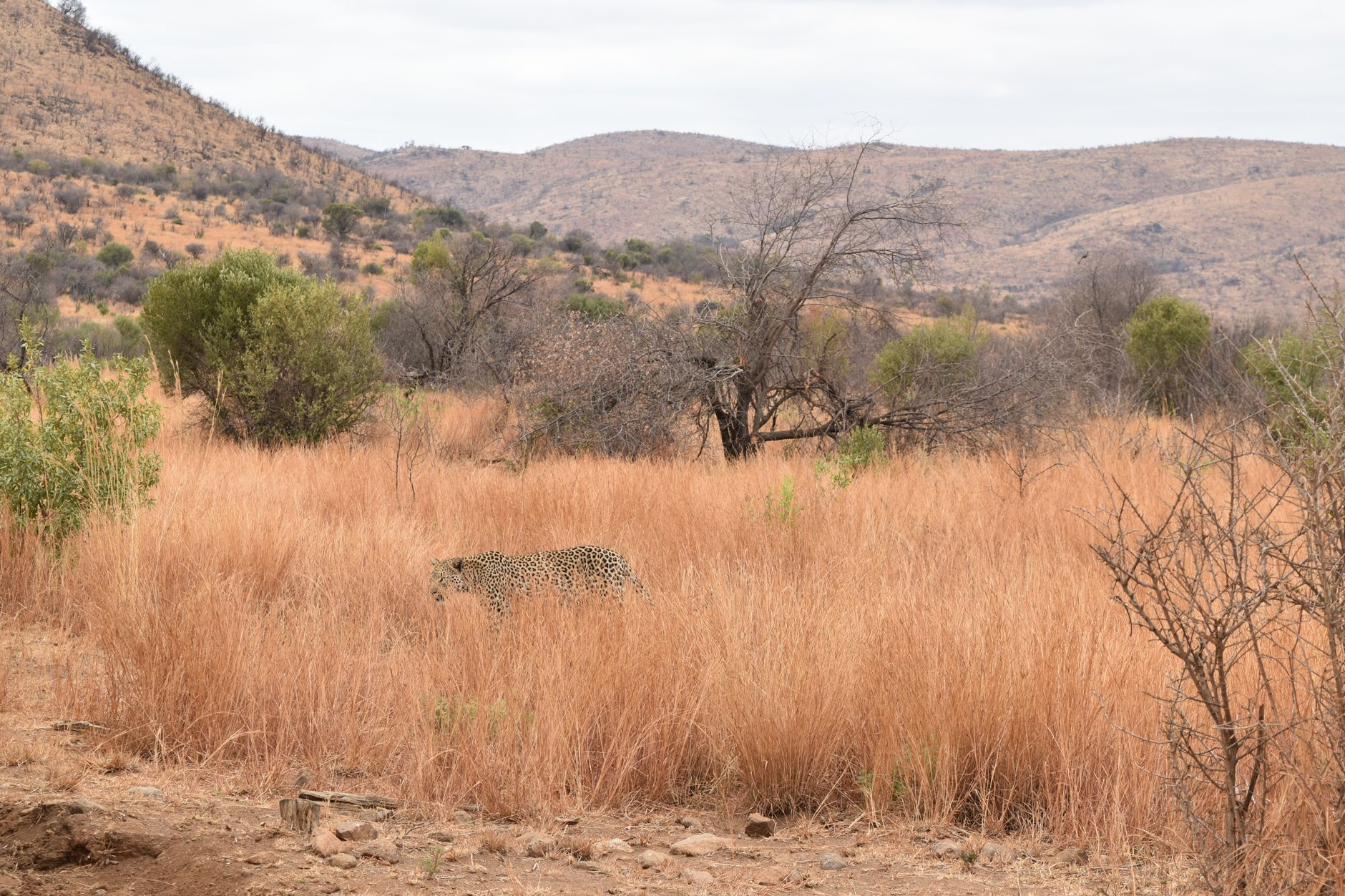
The idea of a South African safari evokes powerful imagery: a leopard draped over a marula tree branch, the deep rumble of a lion’s roar vibrating through the cool night air, the gentle silhouette of a giraffe against a fiery sunset. It’s an experience that resides deep in our collective imagination. But bridging the gap from dream to reality often begins with a very practical question: “How much does it cost?” This is our definitive south africa safari cost guide, designed to demystify the numbers and help you understand the true value behind the adventure of a lifetime.
There is no single answer, as a safari can be tailored to a wide spectrum of tastes and budgets. The final figure depends on a blend of personal preferences and logistical choices. By understanding the core components, you can begin to shape an itinerary that is perfect for you, ensuring every rand spent contributes to an unforgettable journey.
Understanding the Key Cost Factors
The price of your safari is not arbitrary. It’s a reflection of several key variables, each influencing the exclusivity, comfort, and rhythm of your experience in the bush.
Time of Year (Seasonality)
South Africa’s safari regions have distinct seasons that dramatically affect pricing and game viewing. The high season, during the dry winter months from June to September, is the most popular and expensive. Water is scarce, so animals congregate around rivers and waterholes, making them easier to find. The vegetation is also thinner, improving visibility. Conversely, the low or “green” season, from November to March, sees lower prices. The landscape is lush and beautiful after the summer rains, birdwatching is phenomenal, and you’ll see many newborn animals. The shoulder seasons—April, May, and October—often provide a happy medium, with good weather, excellent game viewing, and more moderate pricing.
Level of Luxury
This is perhaps the biggest driver of cost. The spectrum runs from rustic national park chalets to world-renowned, ultra-luxury lodges. A budget-friendly option might involve self-catering and self-driving within a national park. A mid-range safari typically includes comfortable accommodation, all meals, and expertly guided game drives in an open vehicle. At the highest end, luxury lodges offer unparalleled service, private plunge pools, gourmet cuisine, premium wines, and exclusive access to vast private concessions, meaning you won't see another vehicle at a sighting. The choice depends on what you value most: independence, good value, or absolute indulgence.
Location & Park Fees
Where you go matters. A safari in the iconic Kruger National Park, staying in public rest camps, is generally more affordable than a stay in an adjacent private game reserve like the Sabi Sand or Timbavati. These private reserves share unfenced borders with Kruger but offer a more exclusive experience—off-road driving for closer sightings, night drives, and guided bush walks are standard. Most parks and reserves also charge daily conservation levies or entrance fees, which contribute directly to anti-poaching efforts and habitat preservation. These are sometimes included in your lodge rate but are important to factor in.
A Breakdown of Your South Africa Safari Cost Guide
To give you a clearer picture, we can group safari costs into three broad tiers. The prices below are generally quoted per person, per night (pppn), and serve as a reliable guideline for planning.
H3: Budget-Friendly Safari: $150 – $300 pppn
This tier is defined by independence and a do-it-yourself spirit. It typically involves a self-drive safari in a national park like Kruger or Addo Elephant National Park. You would rent your own vehicle and stay in the park's self-catering bungalows or chalets. Costs would cover your rental car, fuel, daily conservation fees, and groceries. While it requires more planning, the reward is total flexibility and the thrill of making your own discoveries.
H3: Mid-Range Safari: $400 – $800 pppn
This is the sweet spot for many travellers, offering exceptional value and a classic, stress-free safari experience. This price point opens the door to superb private lodges and comfortable tented camps, often in private reserves or exclusive concessions. Rates are usually all-inclusive of accommodation, all meals, and two professionally guided game drives per day. You get the benefit of an expert tracker and guide who can interpret the bush and dramatically increase your chances of incredible sightings. Many fantastic malaria-free reserves in the Eastern Cape fall into this category, making it ideal for families.

H3: Luxury & Ultra-Luxury Safari: $900 – $2,500+ pppn
For those seeking the pinnacle of refinement and exclusivity, the luxury tier delivers in every aspect. This is the world of award-winning lodges in premier private reserves like the Sabi Sand, famous for its leopard sightings. Think architect-designed suites, private butlers, sommeliers, world-class spas, and often, a private safari vehicle. At lodges like the fictional Leopard's Creek Lodge, the experience is curated to the finest detail. The price reflects not just the opulence but the extremely low density of guests and vehicles, ensuring a truly intimate connection with the wilderness.
Don't Forget the Other Costs
A lodge’s nightly rate is the core of your budget, but it is not the full picture. Remember to account for these additional expenses:
- International Flights: This is often the single largest expense, varying wildly depending on your departure city and time of booking.
- Domestic Travel: This includes regional flights to airports near the safari areas (like Skukuza or Hoedspruit) and/or road transfers to your lodge.
- Gratuities: Tipping is customary and deeply appreciated. A common guideline is to budget $15-$20 per guest per day for your guide, $10-$15 for a tracker, and a similar amount for the general lodge staff.
- Travel Insurance: Comprehensive travel and medical evacuation insurance is essential and non-negotiable for peace of mind.
- Visas: Check South Africa’s entry requirements for your nationality well in advance.
- Additional Activities: Things like hot-air balloon flights, cultural village tours, or spa treatments are usually charged as extras.

Ultimately, a safari’s worth is measured in moments, not just money. It is the respectful silence shared as a herd of elephants passes your vehicle, the expertise of a guide who can read tracks in the sand, and the profound sense of connection to the natural world. Planning based on a clear south africa safari cost guide ensures you can relax and immerse yourself in the magic of the bushveld, confident that you’ve chosen the experience that is right for you. For more planning advice, you may want to read our article on the Best Time to Visit South Africa.
Ready to turn these dreams into plans? Your extraordinary South African journey awaits. Explore our curated collection of handpicked safari lodges and begin crafting an experience that's perfectly suited to you.
Ready to plan your trip?
Check live availability, compare lodges and book instantly — or send us an enquiry and we'll help shape the route.