Waterberg Biosphere vs Kruger Park: Which is for You?
Choosing a South African safari destination can feel like a wonderful but daunting task. Two names that often come up, representing two very different but equally magical experiences, are the Waterberg Biosphere and Kruger National Park. One is a global icon of wildlife conservation; the other, a pristine and ancient mountain wilderness right on Johannesburg's doorstep. The debate of Waterberg Biosphere vs Kruger Park isn't about which one is better, but which one is better for you.
At Safari Stays, we believe the perfect trip comes from understanding the unique character of each destination. This guide is designed to walk you through the landscapes, wildlife, and atmosphere of these two incredible parts of South Africa, helping you make an informed choice for your next adventure.
The Global Icon: Kruger National Park
When people around the world dream of an African safari, the image in their minds is often the Kruger National Park. It is a name synonymous with wildlife, a vast expanse of protected land covering nearly two million hectares. Established in 1926, it is one of the world's most famous game reserves, and for good reason.
Kruger's primary allure is its staggering density and diversity of wildlife. It delivers on the classic safari promise, offering some of the most reliable Big Five sightings on the continent. Elephants move in great herds, lions patrol the savannahs, and the riverbanks teem with life. It is a spectacle of nature on a grand scale, home to over 147 mammal species and 500 bird species.
The experience in the public park is one of accessibility and freedom, with a vast network of paved and gravel roads allowing for self-drive adventures. For a more exclusive feel, the park is bordered by numerous private reserves, collectively known as the Greater Kruger. Here, lodges like the intimate Lengau Lodge offer guided game drives in open vehicles, with the freedom to go off-road for special sightings and explore the bush after dark.
Located in the provinces of Mpumalanga and Limpopo, reaching Kruger from Johannesburg is a 4- to 6-hour drive, or a short flight to one of the regional airports. Its fame means it can be busy, particularly in the southern sections. Yet, its sheer size means that moments of true wilderness and solitude are always within reach.
The Hidden Gem: The Waterberg Biosphere
Just a 2- to 3-hour drive from Johannesburg lies a landscape that feels a world away from anywhere. The Waterberg is a UNESCO Biosphere Reserve, a special designation that recognises the harmonious relationship between its people, its ancient history, and its flourishing ecosystems. This isn’t just a park; it's a living, breathing region defined by conservation.
Its most striking feature is the topography. Unlike the mostly flat Lowveld of the Kruger, the Waterberg is a dramatic tapestry of rugged mountain ranges, deep river gorges, and open savannah plateaus. The ancient rock formations, some dating back millions of years, tell a story of time itself. Critically, the entire region is malaria-free, making it an exceptionally good choice for families with young children and those seeking a worry-free escape.
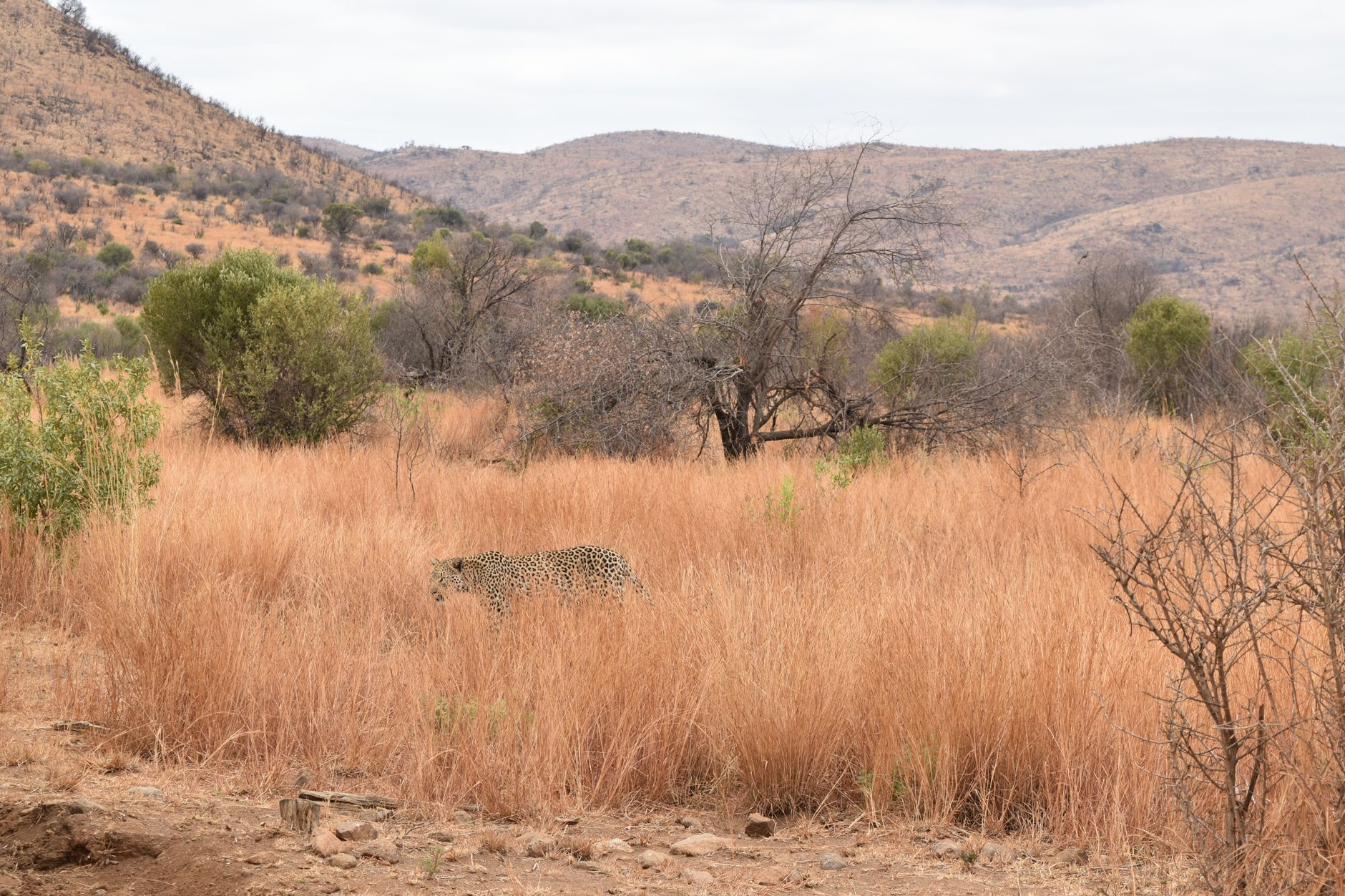
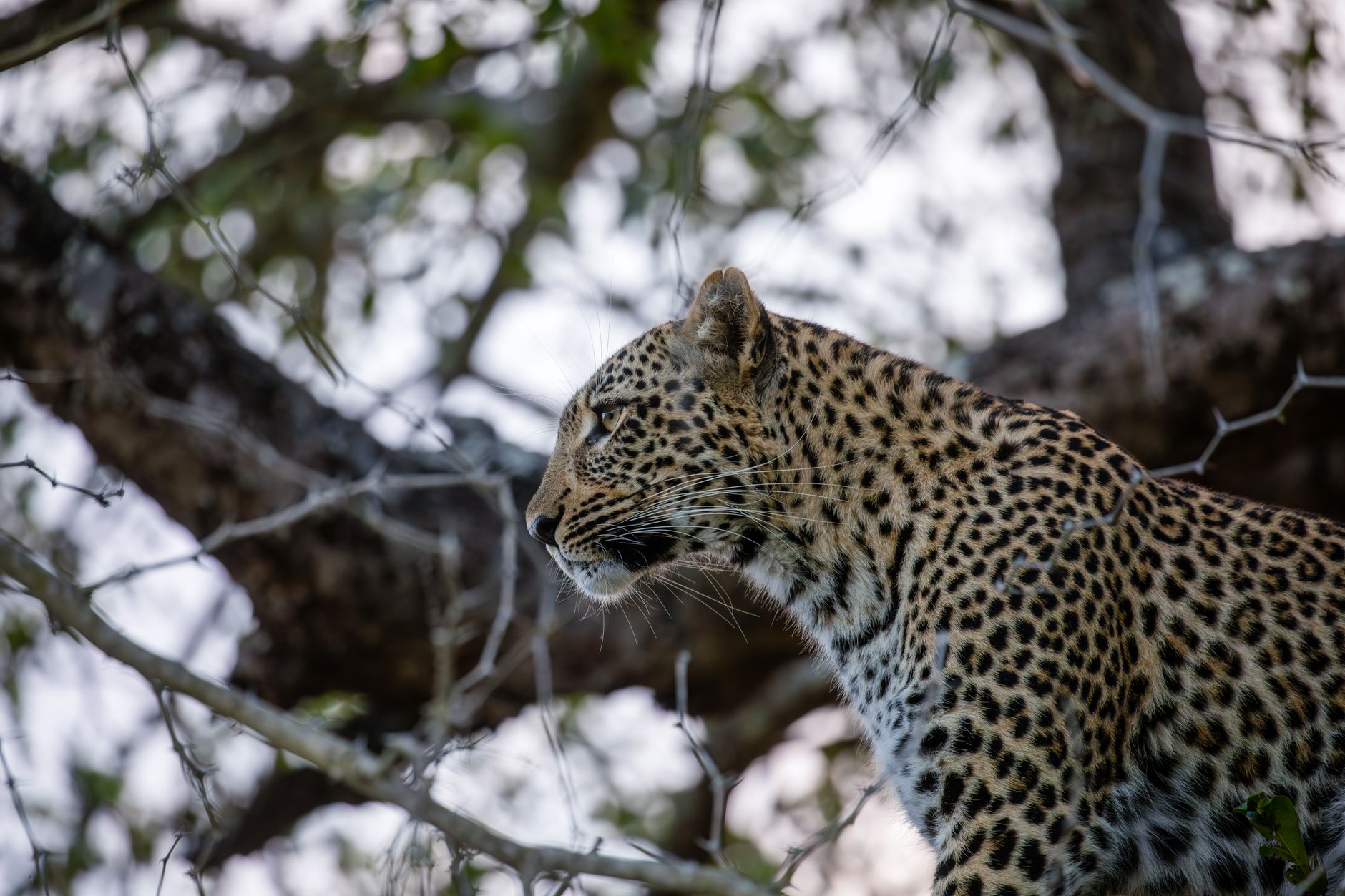
The wildlife experience here is more subtle and rewarding. While many of the private reserves within the Waterberg are home to the Big Five, the focus is often different. The area is a vital sanctuary for rhinos, and leopard sightings are common in the rocky terrain. It’s a place for the discerning traveller who values the thrill of the track and the privacy of a sighting, rather than just ticking off a list.
This sense of exclusivity and peace is the Waterberg's signature. Activities often extend beyond the vehicle, with many reserves offering guided walking safaris, horseback trails, and opportunities to explore Stone and Iron Age archaeological sites. Stays here, like at the serene LoWes Africa, are about connecting deeply with the environment in a quiet, unhurried manner.
Waterberg Biosphere vs Kruger Park: A Head-to-Head Comparison
To make the choice clearer, let's break down the key differences between these two premier safari destinations. Each has distinct advantages depending on your priorities for travel time, wildlife expectations, and overall atmosphere.
Wildlife & Game Viewing
Kruger is the heavyweight champion of high-density game viewing. If your primary goal is to see large herds of elephants, prides of lions, and a near-guarantee of ticking off the Big Five, Kruger is unparalleled. The experience is classic, cinematic, and consistently delivers incredible sightings.
The Waterberg offers a more nuanced safari. The game is more dispersed across a varied and challenging landscape, making each discovery feel earned and special. It’s a stronghold for endangered rhinos and secretive leopards, and the feeling of having a sighting all to yourself is a common and cherished experience.
Landscape & Scenery
Kruger’s beauty lies in its classic African bushveld—endless horizons punctuated by acacia and marula trees, golden grasses, and wide, slow-moving rivers. It is the iconic backdrop you've seen in countless documentaries.
The Waterberg's landscape is a character in itself. The dramatic mountain scenery, sandstone cliffs glowing in the afternoon light, and verdant valleys create a constant sense of awe. It’s a photographer’s dream, offering a different vista around every corner.

Atmosphere & Crowds
This is perhaps the most significant point of difference. The choice here comes down to what kind of escape you are looking for.
- Kruger National Park (Public): Can be bustling, with many vehicles on the main roads and at sightings. It fosters a communal sense of excitement but lacks privacy.
- Greater Kruger (Private Reserves): Offers a solution to the crowds. Here, exclusivity is key, with strict limits on the number of vehicles at any sighting. It combines Kruger's wildlife density with a more controlled, luxurious experience.
- The Waterberg Biosphere: Is defined by its tranquility. The entire region feels less traversed. The focus is on smaller, private reserves and lodges that prioritise solitude, offering a deeply personal and peaceful connection to the wild.
Accessibility & Practicality
For travellers based in or flying through Johannesburg, the Waterberg is the clear winner for convenience. A short 2-3 hour drive makes it perfect for a weekend getaway or a shorter safari to begin or end a longer trip. Its malaria-free status is a major logistical and health advantage, especially for families.
Kruger requires more of a time investment to reach by car, or the added expense of a regional flight. However, its well-developed infrastructure and proximity to other attractions like the Panorama Route make it an excellent anchor for a longer, dedicated safari itinerary.
Who Should Choose Which?
Ultimately, your personal travel style and priorities will determine the right fit. Both destinations promise an unforgettable encounter with South Africa's natural heritage.
Choose Kruger if…
You are a first-time safari-goer eager to see the Big Five. You want the quintessential African safari experience in a world-famous park. You enjoy the freedom of self-driving or are looking for the gold-standard luxury of a private concession. You have a week or more to dedicate to your safari adventure.
Choose the Waterberg if…
You are short on time or want a high-quality, easily accessible safari from Johannesburg. You are travelling with family and need a malaria-free destination. You value privacy, unique landscapes, and a sense of quiet discovery over animal checklists. You have been on safari before and are seeking a different, more intimate experience, perhaps at an exclusive escape like Cypiro Leopard Lodge — Ebony.
There is no single winner in the Waterberg Biosphere vs Kruger Park discussion. One offers iconic scale and density, the other offers soulful solitude and dramatic beauty. Kruger is a magnificent novel, epic in scope, while the Waterberg is a collection of beautiful, intimate poems. The best choice is the one that speaks to the story you want to live. Whichever you choose, an extraordinary adventure awaits. For more inspiration, browse our full collection of safari guides on our blog.
Ready to plan your trip?
Check live availability, compare lodges and book instantly — or send us an enquiry and we'll help shape the route.