A Guide to the Hermanus Whale Watching Season

Each year, as the Cape winter begins to yield to spring, a remarkable natural phenomenon unfolds along the coastline of South Africa. The tranquil waters of Walker Bay become the stage for one of the world's most breathtaking spectacles. This is the heart of the hermanus whale watching season, an annual pilgrimage that draws visitors from across the globe, all hoping for a life-affirming encounter with the gentle giants of the deep: the Southern Right Whales.
Hermanus, a charming town nestled between mountain and sea, holds the esteemed title of the world’s foremost land-based whale watching destination. It’s a place where the line between town and nature blurs, where a morning coffee can be interrupted by the unmistakable sight of a whale breaching just offshore. At Safari Stays, we believe that witnessing these majestic creatures is an essential South African experience, a moment of profound connection to the wild heart of our country.
When is the Hermanus Whale Watching Season?
Timing is everything when planning a journey of this nature. While the whales operate on their own timeless schedule, years of observation have provided a reliable calendar for their arrival and departure. The official season runs from June through to early December.
The Peak Months: June to November
From June onwards, the first arrivals begin to appear in the bay. These are often the expectant mothers, seeking the sheltered, calm waters of the bay to give birth and nurse their newborn calves. As the months progress, their numbers swell. August, September, and October are widely considered the absolute peak of the season. During this time, Walker Bay is a veritable nursery, filled with pods of whales.
The activity is constant and mesmerising. You will see mothers tenderly guiding their calves, males showcasing their power in spectacular breaches, and the general, gentle communion of these enormous mammals. The air is often filled with the sound of their blows, a percussive spray of mist that hangs in the crisp, coastal air.
Shoulder Seasons and What to Expect
Arriving in late May or early June means you will be there to welcome the first pioneers of the season. The bay is quieter, and sightings, while possible, are less frequent. However, the sense of anticipation is palpable, and witnessing one of the first arrivals is a special thrill. Conversely, a visit in late November or early December allows you to bid them farewell as the last mothers and calves depart for the nutrient-rich waters of the Antarctic. The weather is warmer, and the summer holiday crowds have yet to descend, offering a more serene experience.
The Stars of the Show: Southern Right Whales
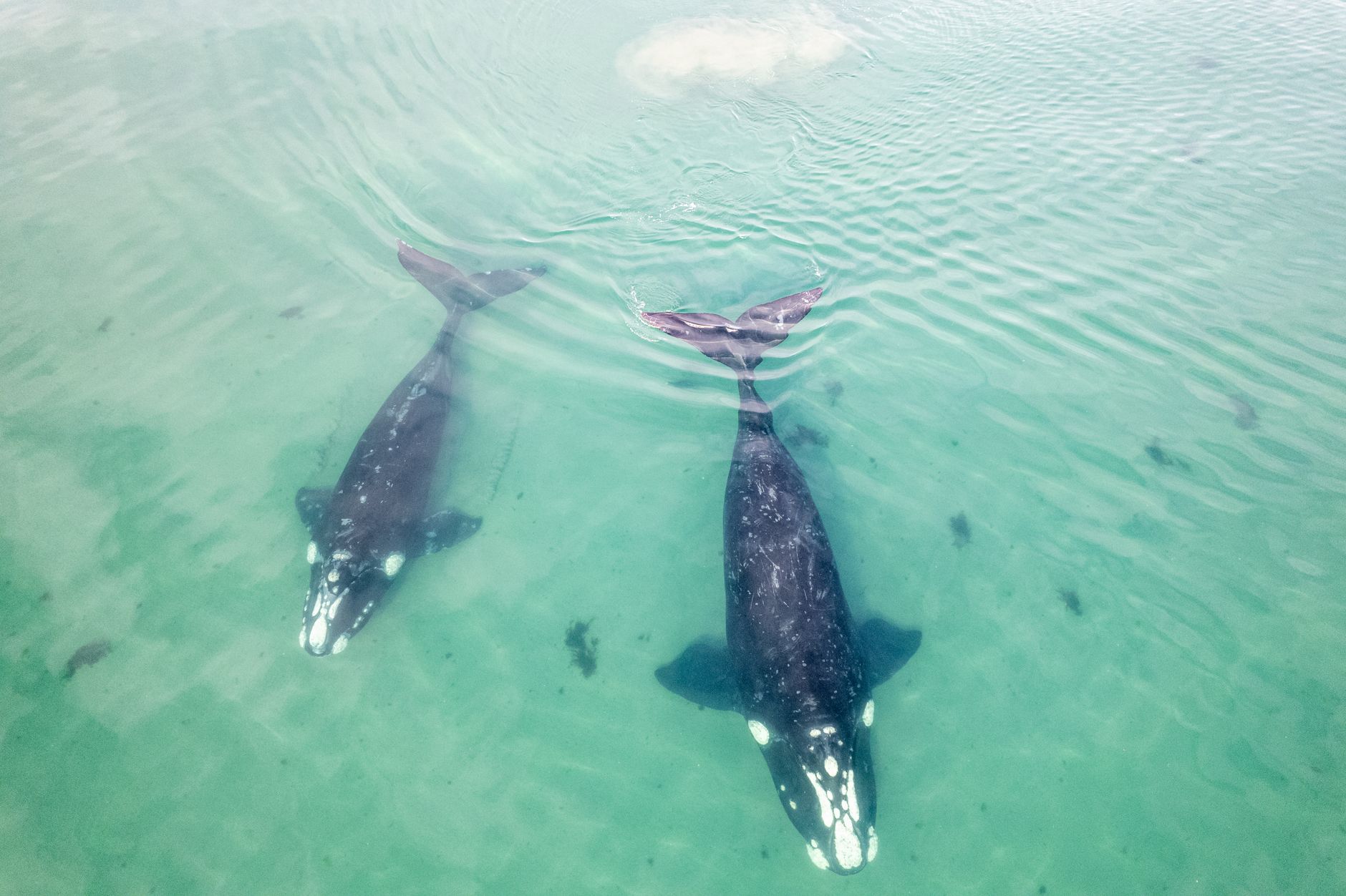
While other species, like Humpback and Bryde’s whales, can also be seen, the Southern Right Whale is the undisputed main attraction. They earned their name during the whaling era, as they were the 'right' whales to hunt—slow-moving, rich in oil and baleen, and conveniently floating when killed. Thankfully, those dark days are behind them, and their recovering populations are a testament to conservation efforts.
These are colossal yet graceful animals, reaching up to 15 meters in length and weighing a staggering 60 tons. They are easily identifiable by the callosities—large, crusty patches of skin—on their heads, which are as unique to each whale as a human fingerprint. They are famously curious and often approach the shoreline and tourist boats, offering astonishingly intimate views.
The Best Ways to Experience Whale Watching
Hermanus offers a wonderful variety of ways to witness the whales, catering to every preference and comfort level.
Unrivalled Land-Based Viewing
The town’s 12-kilometre Cliff Path is arguably its greatest asset. This well-maintained trail hugs the coastline, offering countless vantage points overlooking the bay. Benches are strategically placed at spots like Gearing's Point and Sievers Point, inviting you to sit and simply watch the ocean's theatre unfold. The world's only 'Whale Crier' also patrols these paths, blowing his kelp horn to alert onlookers to the location of whales.
By Boat: An Up-Close Encounter
For a different perspective, a licensed boat tour takes you onto the water for a closer encounter. These operators adhere to strict regulations, keeping a respectful distance to ensure the whales are not disturbed, particularly the mothers and calves. Often, the whales' natural curiosity brings them close to the boats anyway. Feeling the spray from a breach or looking a 40-ton giant in the eye is an unforgettable, humbling experience.
Whale Behaviours to Spot
Being on the water or the cliffs gives you a front-row seat to a variety of fascinating behaviours. Keep an eye out for:
- Breaching: The most dramatic of all, where a whale launches its entire body out of the water and crashes back down with a monumental splash.
- Spy-hopping: The whale lifts its head vertically out of the water, allowing it to look around above the surface.
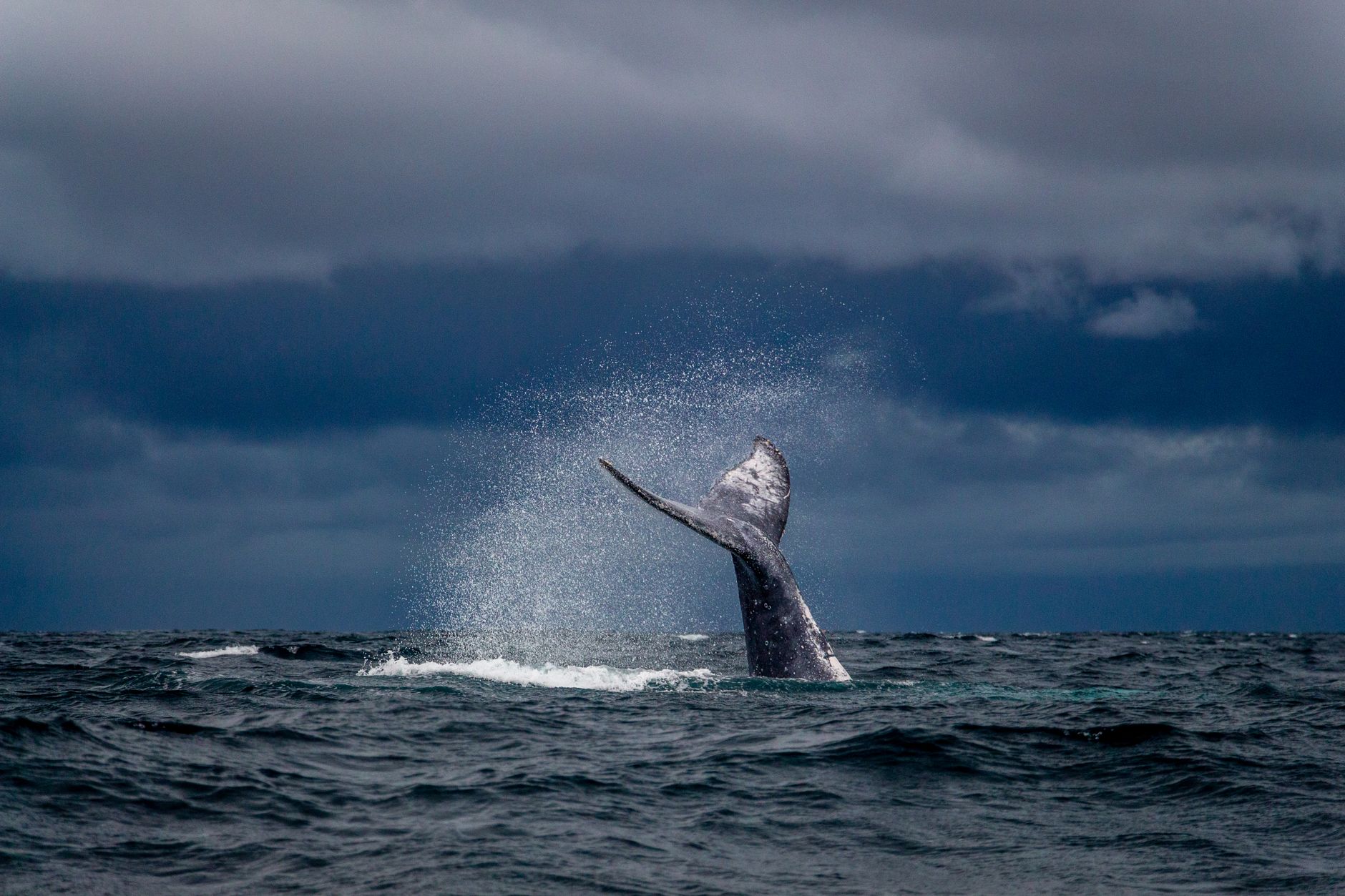
- Lobstailing or Tail-slapping: The whale slaps its powerful tail flukes against the water's surface, creating a loud, echoing sound.
- Sailing: Lifting its tail into the wind, the whale uses it like a sail to glide through the water. It’s a playful and energy-efficient way to move.
Beyond the Whales: Exploring the Overberg
While the whales are the primary draw, Hermanus and its surroundings offer a rich tapestry of experiences. A trip here can easily be filled with other delights, especially for those who appreciate nature and fine living.
The town itself is a hub of creativity, with numerous art galleries, charming boutiques, and a fantastic culinary scene focused on fresh, local seafood. Just a short drive inland lies the Hemel-en-Aarde (Heaven and Earth) Valley, a world-renowned wine route celebrated for its exceptional Pinot Noir and Chardonnay. Exploring these cool-climate vineyards is a perfect complement to a day of coastal adventure. For more ideas on how to weave this into a larger trip, see our Cape Town to Garden Route itinerary.
Curated Stays in the Overberg
To truly immerse yourself in the natural beauty of this coastline, the right accommodation is key. The beautiful Overberg region is home to some of South Africa’s most exclusive and enchanting lodges, offering both luxury and a deep connection to the environment. Imagine waking up to ocean views where a whale might be your first morning greeting.
Properties like Grootbos Private Nature Reserve offer a sanctuary of five-star comfort set within a pristine fynbos landscape, with expert guides on hand to lead you through whale watching excursions, botanical walks, and marine safaris. Choosing a stay from our curated collection ensures that every detail of your journey is seamless and special.
The magic of the hermanus whale watching season lies not just in the sheer scale of the animals, but in the peaceful proximity it allows. It’s a rare chance to share space with a wild, intelligent, and ancient creature on its own terms. It’s a moment of wonder that stays with you long after you’ve left the coast.
If the giants of the deep are calling you to the shores of South Africa, let us help you answer. Explore our curated collection of lodges and begin planning an encounter you will never forget.
Ready to plan your trip?
Check live availability, compare lodges and book instantly — or send us an enquiry and we'll help shape the route.


