Kruger Green Season: Your Guide for December to March

While many safari veterans praise the sparse, dry winter, a different kind of magic awakens in the South African bushveld with the arrival of the summer rains. For those in the know, the Kruger green season from December to March offers a vibrant, sensory-rich experience that stands in lush contrast to the classic safari narrative. This is a time of renewal, abundance, and profound beauty, transforming the iconic landscape into an emerald sea teeming with new life.
As you begin planning your upcoming safari, consider venturing into this verdant world. It is a period that rewards visitors with dramatic skies, fewer vehicles in many areas, and the unforgettable sight of the bush at its most productive. Far from being an 'off-season', it is a unique chapter in the park's annual story, and one worth reading firsthand.
Understanding the 'Green Season' Weather
The green season coincides with South Africa's summer. This means warmer temperatures, higher humidity, and, crucially, rain. However, the rain here is rarely a persistent, holiday-ruining drizzle. Instead, it typically builds during the day, culminating in spectacular late-afternoon thunderstorms that are a spectacle in themselves.
These downpours are often brief but intense, clearing the air, settling the dust, and leaving behind a world that feels washed clean and intensely alive. The scent of petrichor—the smell of rain on dry earth—is the signature perfume of the summer bush. Mornings and early evenings are usually clear, warm, and perfect for game drives. You will simply need to pack a light waterproof jacket alongside your sun hat and breathable clothing.
Wildlife Viewing in the Lush Landscape
A common question is whether the thicker vegetation makes wildlife harder to spot. While the bush is certainly denser, this perception misses the bigger picture. The green season is a time of plenty. Water sources are abundant, so animals are more dispersed rather than concentrated around a few remaining waterholes, but they are also healthier, stronger, and more active.
This is, most captivatingly, the birthing season. The landscape is filled with wobbly-legged foals, calves, and cubs. Vast herds of impala are joined by countless lambs, and the sight of a baby zebra, giraffe, or wildebeest taking its first steps is a truly precious moment. Of course, this explosion of vulnerable new life means that predators are highly active. Lions, leopards, and wild dogs are often on the hunt, providing dramatic sightings for patient observers.
Green Season Safari Highlights:
- Nursery Herds: Witnessing huge breeding herds of impala, wildebeest, and zebra with their newborns.
- Predator Action: Increased hunting activity as predators take advantage of the abundance of young prey.
- Vibrant Flora: See the bush come alive with flowering plants, from the brilliant Flame Creeper to wild hibiscus.
- Amphibian Chorus: Evenings are filled with the sound of frogs and insects, a rich natural soundtrack to your safari.
- Healthy Animals: Observe wildlife in their prime, with glossy coats and full bellies, thriving in the plentiful environment.
The Magic of the Kruger Green Season from December to March
Beyond the 'big five' checklist, this season offers a more holistic and atmospheric safari. It is an immersive experience that engages all the senses. The air is thick with the buzz of insects and the calls of hundreds of bird species. For ornithologists and casual birdwatchers, this is paradise. Migratory birds arrive from Europe and other parts of Africa, adding dazzling colour and song to the resident populations. Look out for the Woodland Kingfisher, European Roller, and various cuckoo species.
Photography during the green season is exceptional. The dust-free air provides incredible clarity, and the deep green foliage creates a beautiful, high-contrast background for wildlife portraits. The dramatic, cloud-filled skies produce soft, diffused light during the day and spectacular sunrises and sunsets. An afternoon thunderstorm rolling across the horizon is a powerful and humbling sight you will not soon forget.
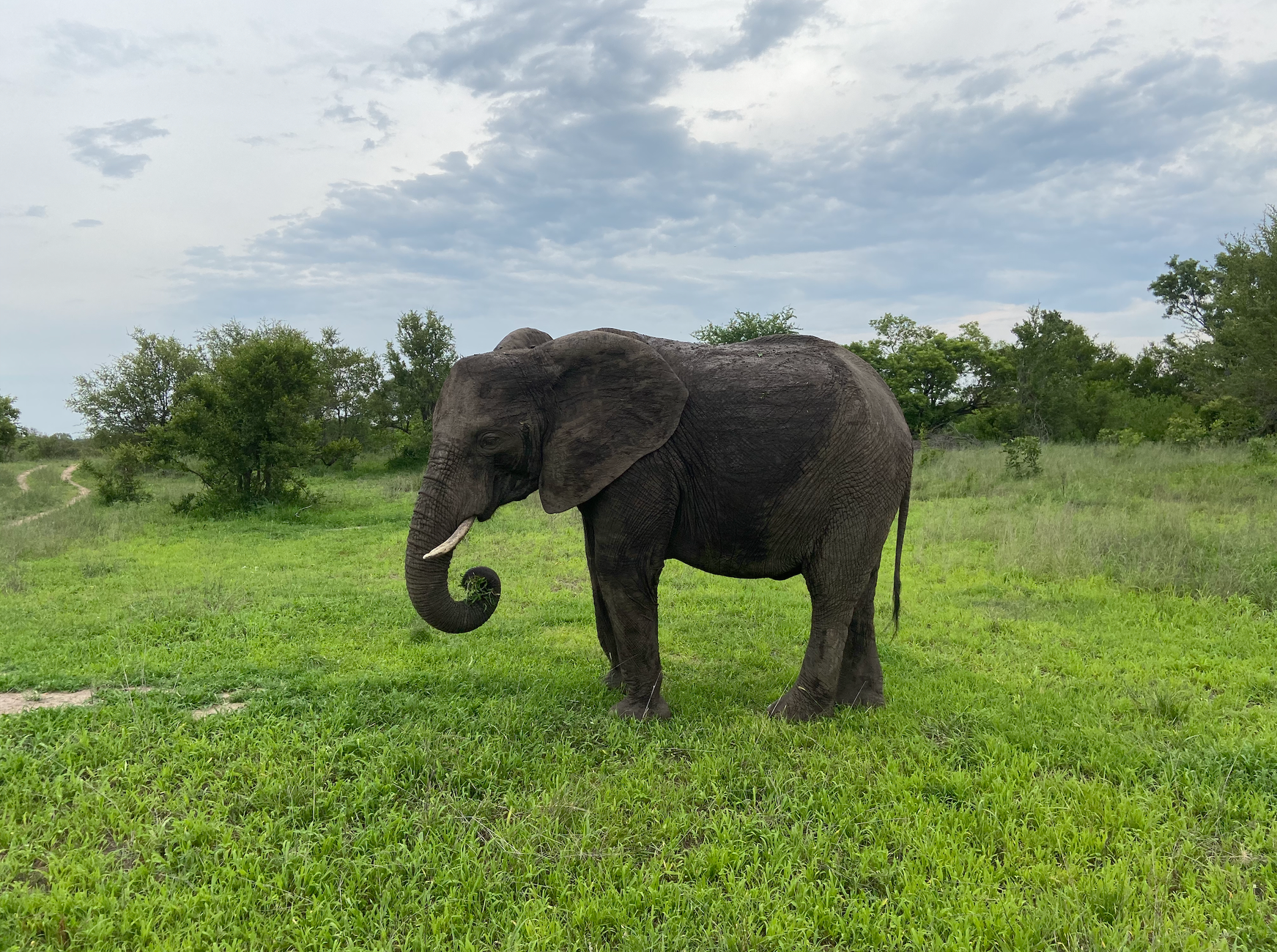
This time of year encourages a slower, more deliberate pace of safari. It is about appreciating the intricate details—a jewel-like chameleon on a leaf, a dung beetle rolling its prize, the complex patterns of a leopard's coat against the vibrant green. It connects you to the rhythms of a landscape in its most dynamic and generative phase.
Planning Your Green Season Safari
While the green season can mean fewer international crowds, the period from mid-December to early January is a peak holiday time for South Africans. It is essential to book your accommodation and activities well in advance, especially for this popular window.
Choosing the right base is key to maximizing your experience. Lodges in private reserves bordering or within the Kruger offer exclusivity and the expertise of guides who know how to navigate the lush terrain. Staying at a place like Lengau Lodge in the Balule Nature Reserve or Mondzo Lodge in the Klaserie Private Nature Reserve allows for off-road tracking and night drives, significantly enhancing your chances of special sightings.
Another excellent strategy is to create a 'best of both' itinerary. South Africa's summer is the perfect time to pair a green season safari in the Mpumalanga province with a visit to the sun-drenched beaches and vineyards of Cape Town and the magnificent Garden Route, which experience their prime dry season at the same time. This combination offers an incredible diversity of landscapes and experiences in a single trip.

Ultimately, the green season is for the traveller who seeks more than just a glimpse of an animal. It is for the connoisseur, the photographer, the bird lover, and the first-timer who wants to see the African bushveld in its most vibrant and life-affirming state. By embracing the rain and the verdant scenery, you will be rewarded with a unique and deeply memorable adventure. We invite you to explore the possibilities of a safari during the Kruger green season from December to March.
Ready to plan your trip?
Check live availability, compare lodges and book instantly — or send us an enquiry and we'll help shape the route.


