The Best Time to Visit Kruger National Park

The Kruger National Park is a place of primal rhythm and enduring wonder. It’s a vast theatre of life where acacia thorns sketch silhouettes against a boundless sky and the distant call of a fish eagle echoes over ancient riverbeds. For generations, it has been the definitive South African safari destination, a protected wilderness promising encounters that stir the soul. But amidst the planning and dreaming, one question invariably arises: when is the best time to visit Kruger National Park?
As curators of bespoke safari experiences, we are often asked this. The simple answer is that there is no single “best” time. The park doesn’t have an off-season; it simply has seasons, each offering a unique character, a different light, and a distinct set of rewards. The true answer depends on what you hope to see and experience.
Are you seeking the raw drama of the hunt and unobstructed views of the Big Five? Or are you a photographer dreaming of emerald landscapes, dramatic skies, and the tender moments of new life? Let this guide illuminate the two primary seasons of Kruger—the Dry and the Wet—to help you discover your perfect time to explore this iconic corner of Africa.
The Dry Season: May to September
Often lauded as the classic safari season, the dry winter months are, for many, the ultimate time for game viewing. As the seasonal pans and streams evaporate under the gentle winter sun, the bush thins out, and the drama of the wild becomes more visible.
Unparalleled Game Viewing
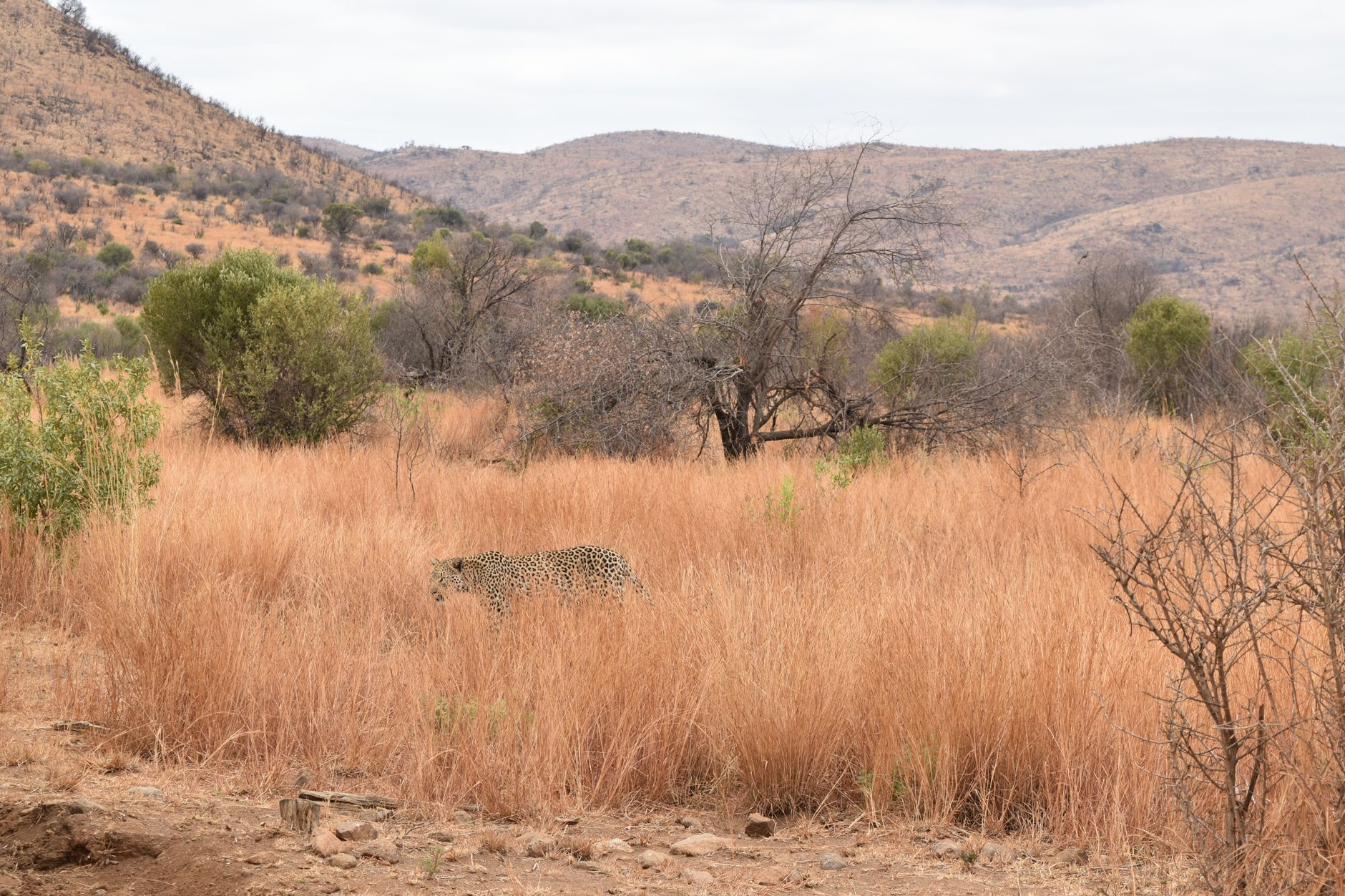
During the Dry Season, the landscape transforms. The lush greenery recedes, revealing the golden grasses and dusty earth of the classic savanna. This sparse vegetation means you can see further into the bush, making it significantly easier to spot animals that would otherwise be concealed.
More importantly, water becomes a scarce and precious resource. Wildlife is forced to congregate around the permanent rivers, like the Sabie and the Olifants, and the few remaining waterholes. These locations become magnets for life, offering near-guaranteed sightings. You can spend hours watching a parade of elephants, zebras, buffalo, and antelope come to drink, their interactions creating a captivating spectacle of bushveld politics. This concentration of prey inevitably attracts predators, and sightings of lions, leopards, and wild dogs are more frequent as they patrol these vital lifelines.
A Climate of Comfort
The weather during these months is simply sublime. The days are typically warm, clear, and filled with sunshine, with temperatures averaging a very pleasant 25°C (77°F). With almost no rainfall, your game drives are unlikely to be interrupted by storms. The humidity is low, and most significantly for many visitors, the mosquito population is at its lowest.
The evenings and early mornings are crisp and cool, requiring a warm jacket and beanie for your open-vehicle drives, but they quickly warm into beautiful, temperate days perfect for relaxing by the pool between safari activities.
Considerations for the Dry Season
This season's popularity means the park, particularly the southern areas accessible from the main gates, can be busier. While the private reserves of the Greater Kruger offer exclusivity, you may share sightings with more vehicles. The landscape, while excellent for game viewing, is less photogenically lush; it is stark, dusty, and dramatic rather than verdant.
To help you decide, here are the key takeaways:
- Pros: Exceptional and easy game viewing, animals concentrated at water sources, comfortable and mild daytime weather, low humidity, fewer mosquitos.
- Cons: Can be crowded in public areas, landscape is dry and dusty, early mornings and nights are very cold.

The Wet Season: October to April
Often called the 'Green' or 'Emerald' Season, this period is a time of renewal and abundance. The first rains, usually arriving in October or November, act as a life-giving balm, transforming the parched landscape into a vibrant, green paradise. While some shy away from this season, it holds a unique magic for photographers, birders, and those who appreciate the bush in its most beautiful state.
A Photographer's Dream
For photographers, the Wet Season is magnificent. The dust settles, and the vegetation becomes a tapestry of vivid greens. The air is clear, and the contrast between the lush foliage, the dark, brooding storm clouds, and the brilliant sunshine that follows creates breathtaking photographic opportunities. Sunsets and sunrises are often exceptionally dramatic, painting the sky in intense hues of orange, pink, and purple.
The Miracle of New Life
This is the birthing season. The abundance of fresh grass and water means most herbivores, from impala and wildebeest to zebra and warthog, drop their young. The bush is filled with wobbly-legged, impossibly cute babies, a truly heart-warming sight. This explosion of new life provides a feast for predators, and while the thick vegetation can make them harder to spot, the interactions are often intensely dramatic. Lodges in prime locations, like the exclusive Singita Lebombo Lodge, offer incredible vantage points over this vibrant ecosystem.
A Paradise for Birdwatchers
The Wet Season is a nirvana for bird lovers. On top of the park's impressive resident bird population, hundreds of migratory species arrive from Europe, Asia, and other parts of Africa. The air is filled with colour and song, from the vibrant plumage of the Woodland Kingfisher to the distinctive call of the Diederik Cuckoo. It's a time of frantic activity, with birds displaying, building nests, and raising their young.
Considerations for the Wet Season
The primary challenge of the Wet Season is that the dense foliage can make game viewing more difficult. Animals are no longer tied to specific water sources and can disperse throughout the park. The weather is also hotter and more humid, with afternoon thundershowers being a regular occurrence. While these storms are usually brief, they can occasionally impact game drive schedules. It's also the peak season for mosquitos, so proper precautions are essential. If you're planning a visit during this time, our safari packing guide has some helpful tips.
So, When Is The Best Time to Visit Kruger National Park?
Ultimately, the decision rests on your personal priorities. If your primary goal is to tick off the Big Five and experience guaranteed, high-volume game viewing in a comfortable climate, the Dry Season from May to September is your answer.
If you are a keen photographer, a birdwatcher, or someone who delights in lush landscapes and the joy of new life, you will be utterly enchanted by the Green Season from October to April. You may have to work a little harder for your sightings, but the rewards are a different, more nuanced kind of beauty.
It's also worth noting the shoulder months—April, May, September, and October—which can offer a wonderful blend of both worlds. You might catch the last of the greenery with the start of the animal concentrations, providing a fantastic all-around experience.

No matter which season you choose, Kruger’s ancient rhythms will captivate you. The right time to go is simply when you can. Each month reveals a different chapter of the same epic story, and understanding these seasonal shifts is the first step in crafting your perfect journey. The best time to visit Kruger National Park is the moment you arrive and feel the pulse of the African wilderness for yourself.
Ready to find your place in this magnificent landscape? Explore our curated collection of luxury lodges in and around Kruger, each offering a unique window into this wild world. Your safari adventure awaits.
Ready to plan your trip?
Check live availability, compare lodges and book instantly — or send us an enquiry and we'll help shape the route.