A Guide to a South Africa Safari for First Timers
The thought of a first safari is an intoxicating blend of excitement and anticipation. It conjures images of vast, sun-drenched landscapes, the deep rumble of a lion’s roar, and the profound connection that comes from witnessing wildlife in its natural realm. As you begin planning, however, the sheer volume of information can feel overwhelming. That’s why we’ve created this gentle guide to a south africa safari for first timers—a trusted companion to help you navigate the journey from dream to reality.
Why Choose South Africa for Your First Safari?
South Africa is, for many reasons, the perfect gateway to the continent’s wild heart. The country’s superb infrastructure makes it remarkably accessible, with excellent flight connections, well-maintained roads, and a spectrum of world-class lodges that cater to every comfort.
One of its most significant advantages is the diversity of experiences on offer. Here, a soul-stirring safari can be seamlessly paired with a visit to the cosmopolitan city of Cape Town, a tour of the historic Winelands, or a drive along the dramatic Garden Route. This blend of bush, beach, and boutique city life is unique.
Furthermore, South Africa is home to several outstanding malaria-free safari destinations. This provides invaluable peace of mind, particularly for families travelling with young children or those who prefer to avoid antimalarial medication. These regions, like the Eastern Cape and Madikwe Game Reserve, offer phenomenal game viewing without compromise.
Planning Your South Africa Safari for First Timers
Careful planning is the secret to a flawless safari. By considering a few key elements, you can tailor an experience that perfectly aligns with your vision. From the time of year to the specific corner of the country you wish to explore, each decision shapes the adventure ahead.
When to Go: Understanding the Seasons
South Africa’s safari regions experience two primary seasons, each offering a distinct character. There is no “best” time to visit; there is only the best time for you.
The Dry Season (May to September): This is South Africa’s winter. The landscape is sparse and golden, and the lack of dense foliage and surface water makes wildlife easier to spot. Animals congregate around permanent water sources, creating predictable and rewarding game viewing opportunities. The weather is generally mild and dry during the day, though mornings and evenings can be quite cold, requiring warm layers.
The Green Season (October to April): This is the summer, a time of rebirth and abundance. The first rains transform the bush into a lush, emerald wonderland. It's the primary bird-watching season, as migratory birds arrive in their thousands. This is also when many animals give birth, and witnessing newborn impalas, wildebeest, and warthogs take their first steps is an unforgettable sight. While the thicker vegetation can make game viewing more of a challenge, the dramatic thunderstorms and vibrant scenery are a spectacle in themselves.
Where to Go: Choosing Your Safari Region
South Africa’s safari destinations are as varied as its landscapes. Three classic choices for a first-timer offer an exceptional introduction.
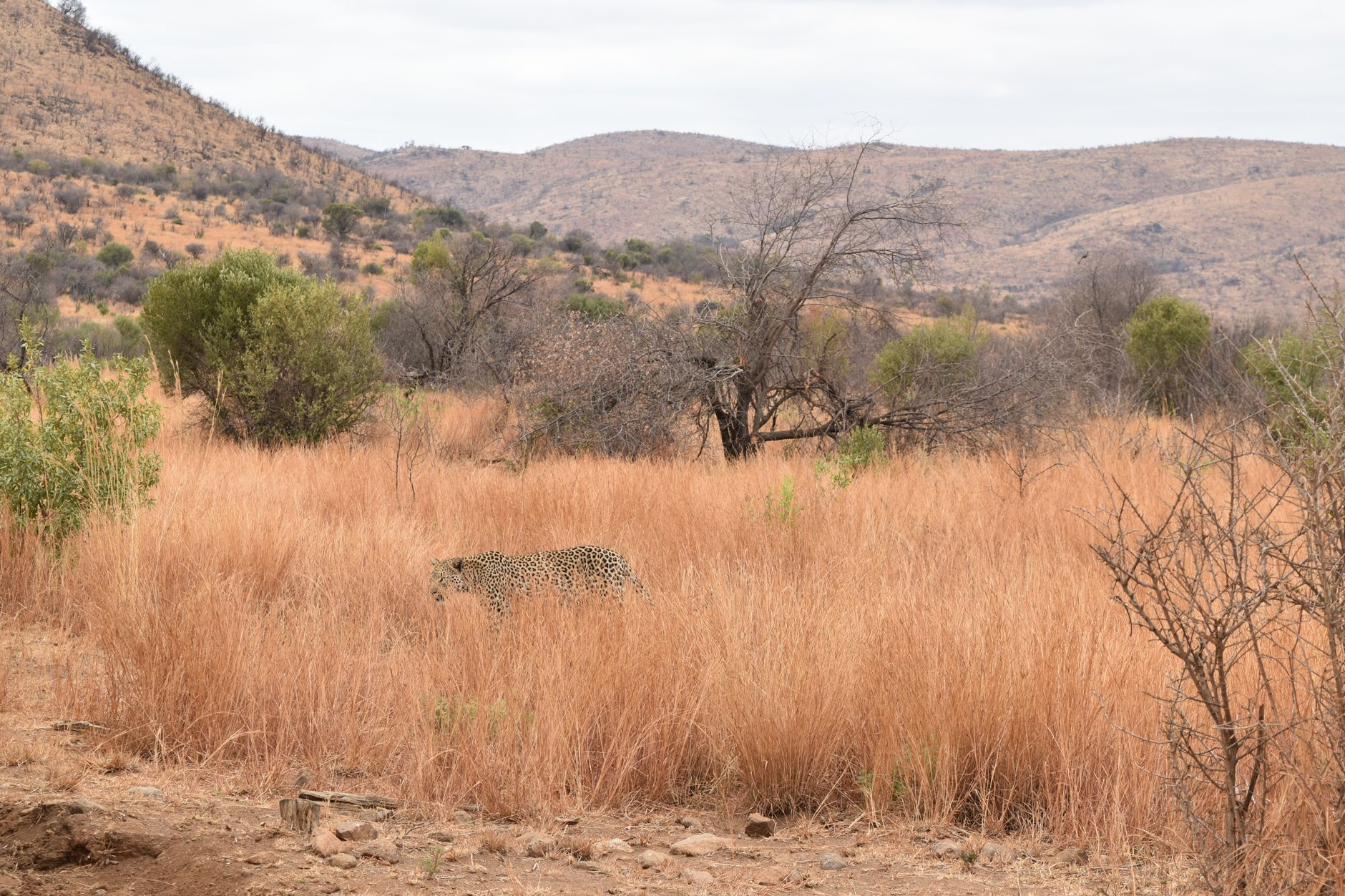
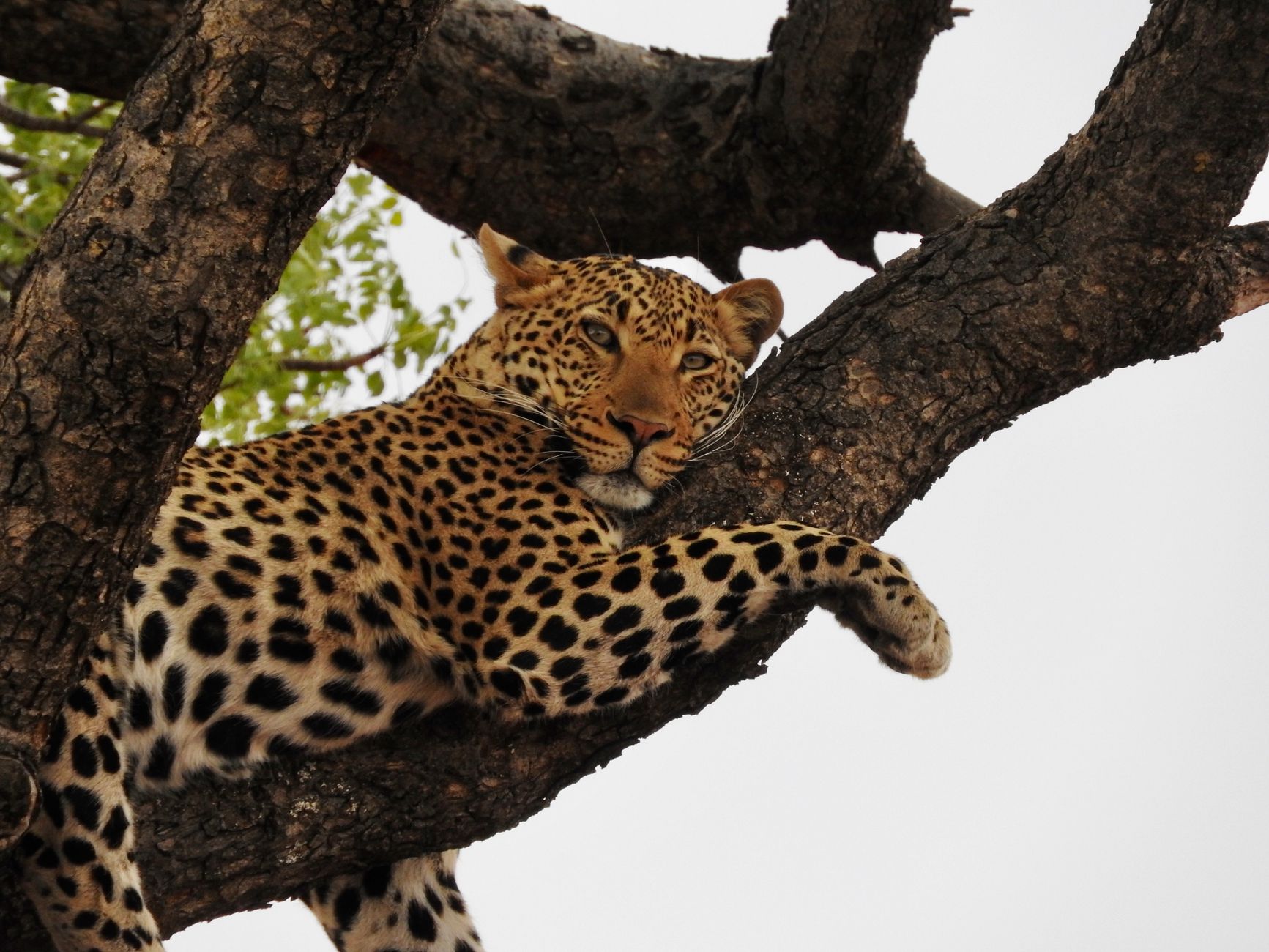
The Greater Kruger National Park: This is the quintessential safari destination. The term refers to a collection of private game reserves that share an unfenced border with the iconic Kruger National Park itself. Staying in one of these reserves, such as the Sabi Sand or Timbavati, means you get the best of both worlds: the vastness of the Kruger ecosystem and the exclusivity of a private concession. Here, expert guides can drive off-road to get closer to sightings, and night drives reveal the secrets of the nocturnal bush. The region is famous for its reliable Big Five encounters, particularly its leopard populations. For an introduction to this famed area, explore the lodges of the Greater Kruger region.
The Eastern Cape: A premier malaria-free choice, the Eastern Cape offers a ruggedly beautiful and accessible safari experience, often combined with a trip along the Garden Route. The reserves here have been thoughtfully restored and restocked, now teeming with life, including the Big Five. The landscape is diverse, with rolling hills, dense thickets, and open plains. It's an excellent option for multi-generational families, with lodges like the stunning Kwandwe Great Fish River Lodge providing a deeply luxurious and private retreat.
Madikwe Game Reserve: Situated near the Botswana border, Madikwe is another of South Africa's great conservation success stories. It is a vast, non-malaria reserve known for its thriving populations of African wild dog—one of the continent’s most endangered and captivating carnivores. Its semi-arid Kalahari landscape provides a different scenic backdrop, and the reserve is known for its excellent general game viewing and commitment to community upliftment.
What to Expect on a Game Drive
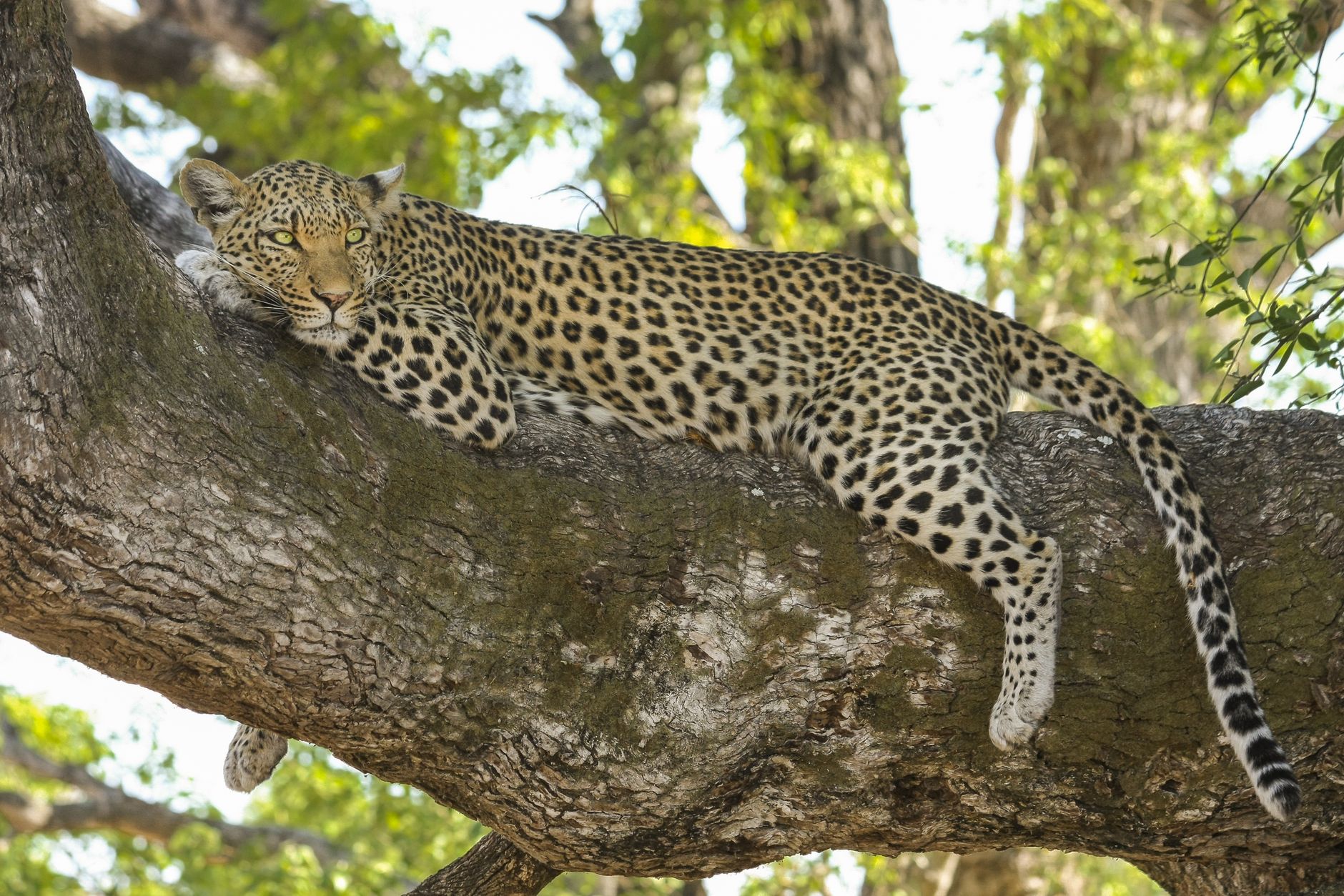
Life in the bush moves to the rhythm of the sun. Your days will typically start before dawn with coffee and a light snack before heading out on your morning game drive. This is when predators are most active. You’ll return to the lodge for a hearty breakfast in the late morning, with the middle of the day reserved for relaxation—perhaps reading by the pool or enjoying a siesta.
In the late afternoon, you’ll gather for high tea before embarking on the evening drive, which extends into the night. This is a magical time when the sinking sun paints the sky in fiery colours and the nocturnal world awakens. A knowledgeable guide and tracker team will lead your drives, sharing their immense knowledge of the flora and fauna and tracking animals with incredible skill.
Packing Essentials for Your Safari
A common question for first-timers is what to pack. Comfort, practicality, and layers are the key principles. Most lodges offer a daily laundry service, so you can pack light.
- Clothing: Pack lightweight clothes in neutral, earthy tones like khaki, olive, beige, and brown. Avoid bright colours and stark white, which stand out in the bush. Camouflage is not recommended.
- Layers: Bring a warm fleece or jacket for chilly early mornings and evenings, especially during the winter months.
- Footwear: Comfortable, closed-toe walking shoes are sufficient. There is no need for heavy hiking boots unless you plan on extensive walking safaris.
- Sun Protection: A wide-brimmed hat, sunglasses, and a high-SPF sunscreen are non-negotiable.
- Optics and Electronics: A good pair of binoculars is essential for every guest. For photographers, bring your camera, extra batteries, and plenty of memory card space.
- Personal Items: Remember any personal prescription medications and a small first-aid kit. Insect repellent is also a good idea, even in malaria-free areas.
Beyond the Big Five
While seeing the iconic lion, leopard, elephant, rhino, and buffalo is a thrilling goal, a truly memorable safari is about so much more. We encourage our guests to look beyond this famous checklist and embrace the entire ecosystem. Learn from your guide about the intricate lives of termites, the fascinating calls of hornbills, and the subtle signs left by a passing porcupine. Learning about the magic of the Small Five can be just as rewarding as a major sighting.
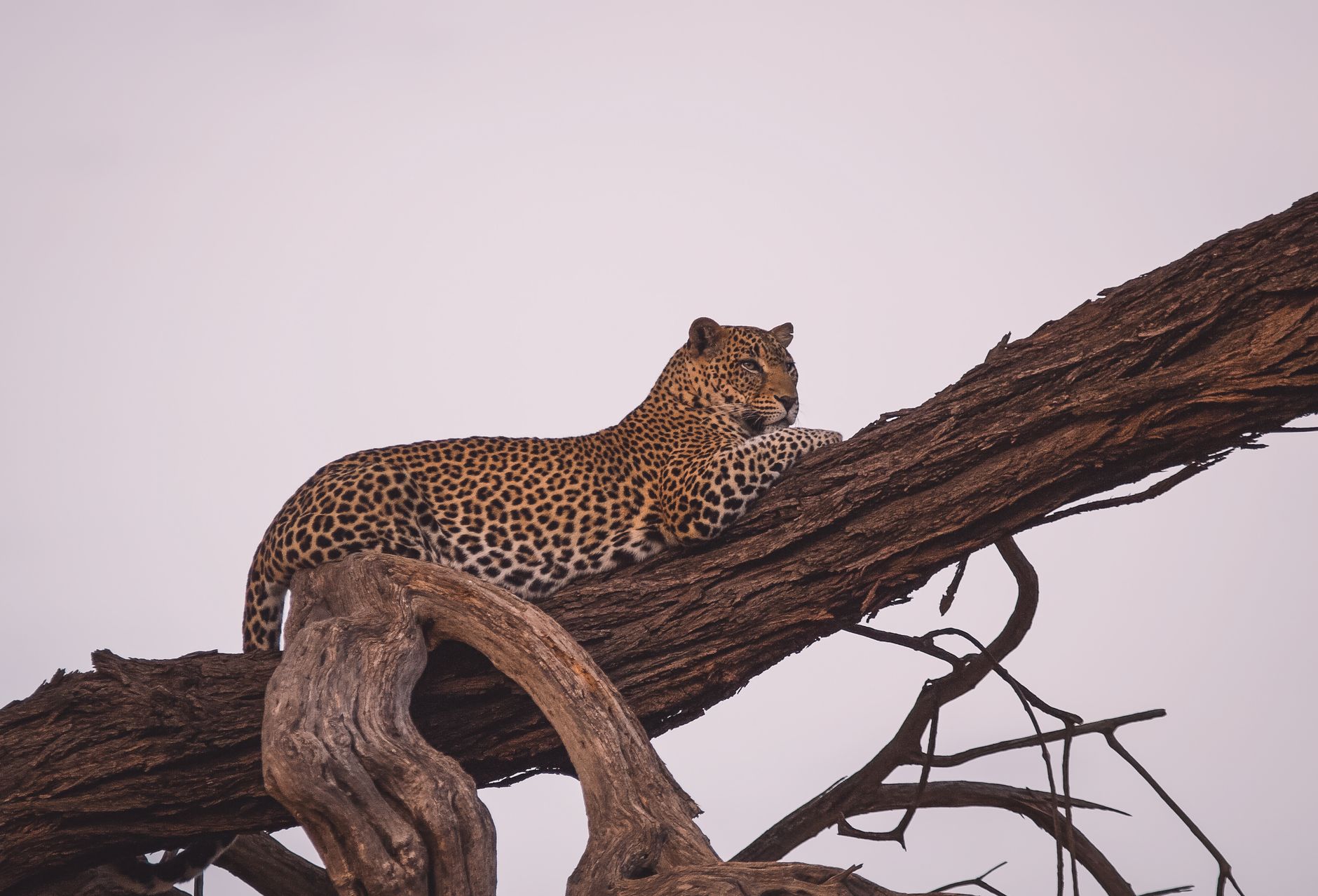
A first safari is a journey that changes you. It awakens a sense of wonder and forges a connection to the natural world that stays with you long after you’ve returned home. By taking the time to prepare, you ensure that your south africa safari for first timers is not just a holiday, but the start of a lifelong love affair with the wild.
Feeling inspired to begin your own journey? Your South African adventure starts with finding the perfect home in the heart of the bush. Explore our curated collection of private lodges to discover the one that speaks to your spirit of adventure.
Ready to plan your trip?
Check live availability, compare lodges and book instantly — or send us an enquiry and we'll help shape the route.