Turtle Nesting Seychelles January 2027: A Visitor's Guide

There are few natural events as moving as watching a sea turtle return to the shore of her birth to lay her own eggs. It is an ancient, vital ritual that connects us to the timeless rhythms of the ocean. For those planning an unforgettable journey, the prospect of witnessing turtle nesting Seychelles January 2027 offers a chance to see this spectacle unfold in one of the world's last true paradises.
January is a magnificent time to be in Seychelles. The northwest monsoon brings lush, green landscapes and calm seas on the southern coasts, creating a perfect backdrop for this natural wonder. As you begin to map out your 2027 travels, let this guide illuminate the path to a respectful and awe-inspiring encounter with these gentle mariners.
The Ancient Mariners of Seychelles
The granitic islands of Seychelles are a globally significant sanctuary for two main species of sea turtle: the critically endangered Hawksbill turtle (Eretmochelys imbricata) and the endangered Green turtle (Chelonia mydas). For millennia, these creatures have navigated vast oceans to find these very shores, guided by an internal compass we are only just beginning to understand.
The Hawksbill turtle is the more common visitor to the inner islands. Recognisable by its beautiful, mottled carapace and sharp, bird-like beak, it nests during daylight hours. This is quite unusual among sea turtles and provides a unique viewing opportunity for visitors. The peak nesting season for Hawksbills runs from October to January, making your planned trip a prime time.
Green turtles, named for the colour of their body fat, are larger and tend to nest under the cover of darkness. Their main nesting season typically follows the Hawksbills, running from about January through to September. This means a visit in early 2027 could place you at a fascinating intersection, with chances to see late-nesting Hawksbills and the first of the season's Green turtles.
Decades of dedicated conservation work have made Seychelles a stronghold for these species. Protected marine areas and island-wide monitoring programs mean that when you witness nesting here, you are also supporting a legacy of environmental stewardship that ensures these turtles will return for generations to come.
What to Expect from Turtle Nesting Seychelles January 2027
January falls squarely within the peak nesting season for Hawksbill turtles. During this period, female Hawksbills will haul themselves onto the high-tide line of their chosen beach, often the very one they hatched on decades earlier. They then excavate a body pit and an egg chamber with their flippers before entering a trance-like state to lay around 150-200 eggs.
Because they are daytime nesters, encounters can happen at any time. A quiet walk along a secluded bay could reveal the tell-tale tracks leading from the sea, or the slow, deliberate process of a female carefully camouflaging her nest. The entire event, from emergence to return, can last over two hours.
While January is the tail-end of the peak for Hawksbill nesting, it's also when the earliest clutches from October and November may begin to hatch. After an incubation period of around 60 days, tiny hatchlings will erupt from the sand, usually at dusk or dawn, and make a frantic dash for the sea. This is a breathtaking, if perilous, spectacle.
For Green turtles, January marks the beginning of their nesting season. These gentle giants prefer the quiet of night, making guided walks with trained conservationists the best and only way to responsibly observe them. An encounter with a Green turtle under a canopy of stars is a truly profound experience.
Where to Witness Nesting: The Best Islands and Beaches
While turtles can nest on almost any suitable beach in the archipelago, certain areas offer more frequent sightings due to their protected status and ideal conditions. Your best chances will be on the main islands of Mahé and Praslin, along with a few dedicated conservation-focused outer islands.
Mahé's Southern and Western Coasts
The largest island, Mahé, has numerous beaches that are known nesting hotspots. The southern beaches, such as Anse Intendance, Anse Forbans, and Police Bay, are particularly important. Their wild, undeveloped character and deep sand banks provide perfect conditions.
The western coast also hosts nesting sites. The protected marine park around Port Launay is a haven for marine life, and the beaches here are regularly monitored. Guests staying at nearby lodges like Constance Ephelia are in a prime position to learn about local conservation efforts and potentially join guided walks.
The Famous Shores of Praslin
Praslin, the second-largest island, is another key area. Its world-famous beaches are not just for sunbathers; they are also critical nesting grounds. Grande Anse and the stunning Anse Lazio are regularly visited by both Hawksbill and Green turtles.
Anse Volbert, a long, calm bay on the island's north coast, is also a favoured spot. The gentle slope and calm waters make it accessible for nesting females. The convenient location of accommodation such as the Berjaya Praslin Resort means you are never far from these incredible natural habitats.
The Outer Island Sanctuaries
While most visitors will stay on the inner islands, it's worth knowing that the outer islands of Seychelles, such as Bird Island, Denis Island, and Cousine Island, are world-renowned conservation success stories. These private island sanctuaries host some of the highest densities of nesting Hawksbill turtles on the planet. A visit to these islands is a deep dive into ecotourism, though the opportunities on Mahé and Praslin remain exceptional.
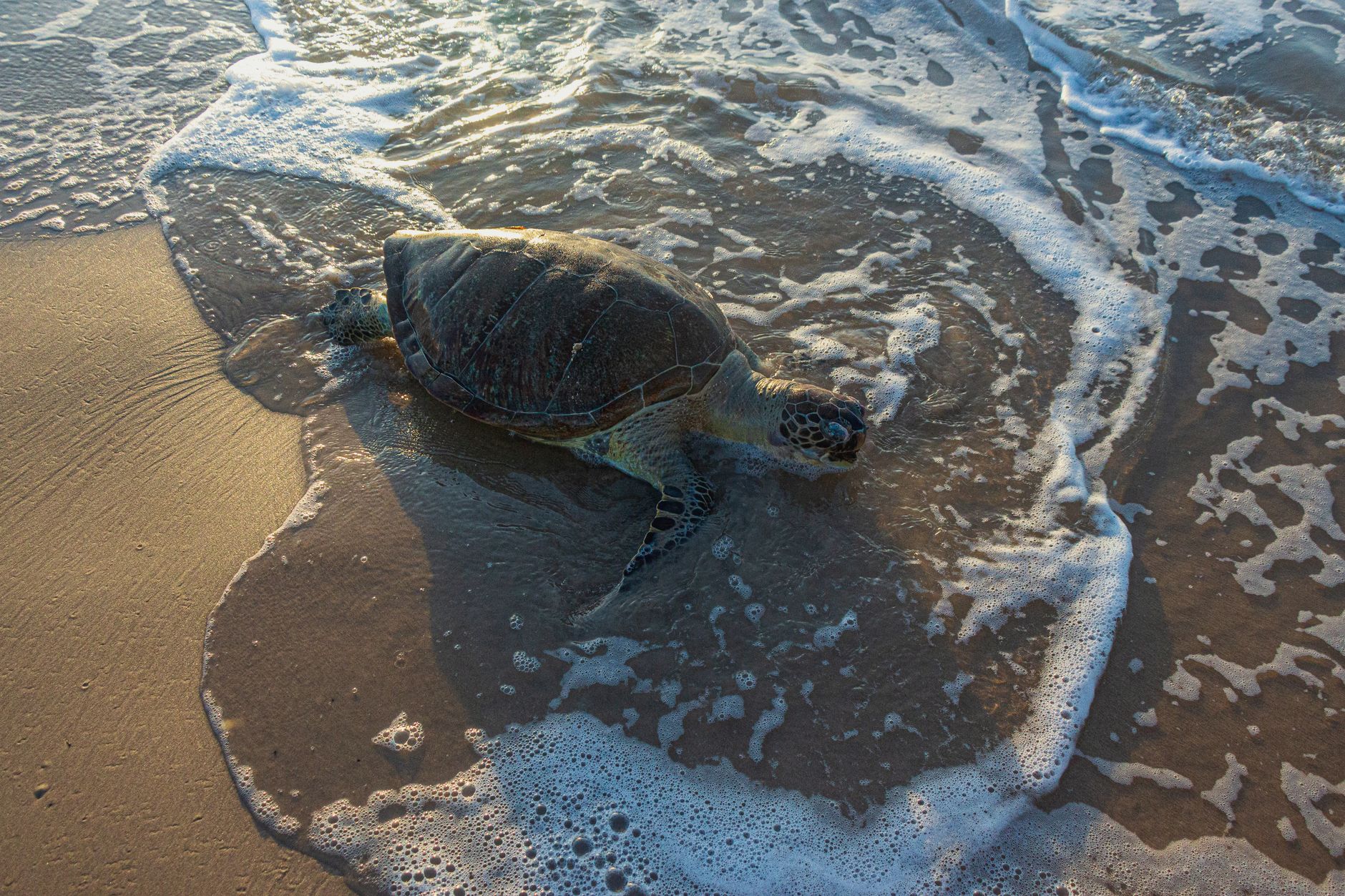
Responsible Turtle Watching: The Golden Rules
Witnessing a nesting turtle is a privilege, and it comes with a responsibility to ensure our presence does not cause harm or distress. Conservation is at the heart of the Seychelles experience, and following a few simple rules will protect both you and the turtles.
Whether you are on your own or with a guide, please adhere to these guidelines at all times. They are based on decades of research and are critical for the turtles' survival.
- Keep Your Distance: Always stay at least 10-15 metres away. Never stand in the turtle's direct line of sight as she emerges from or returns to the water. If a turtle sees you, she may abandon her nesting attempt.
- No Flash Photography: The bright, sudden flash of a camera can disorient and frighten a nesting female, causing her to leave her nest. It is also extremely dangerous for hatchlings, who may become confused and head inland instead of towards the sea.
- Silence and Slow Movements: Speak in low voices and avoid making sudden movements. The turtle is highly sensitive to vibrations and noise before she begins laying.
- Let Her Begin: Never approach a turtle that is still digging her nest. Wait until she has entered her 'trance' while laying her eggs. At this point, she is less likely to be disturbed.
- Never Touch: Do not touch the nesting female or the hatchlings. Your touch can transfer bacteria and cause immense stress. When it comes to hatchlings, allow them to make their own way to the sea; this journey is crucial for building their strength and imprinting their location.
- Use Red Light Only: If you are viewing at night, use a torch with a red filter. Turtles are not sensitive to red light, whereas white light is blinding and disorienting for them.
- Leave No Trace: Ensure you remove all of your belongings and litter from the beach. Obstacles can trap both adults and hatchlings.
By following these simple rules, you become a guardian of the beach, ensuring that the magic you are witnessing can continue for centuries to come.

As you look ahead to early 2027, envision the pristine beaches of Seychelles and the timeless ritual that is about to unfold. A trip planned around this event is more than a holiday; it's a connection to the wild heart of our planet.
By choosing to visit with respect and curiosity, your experience of turtle nesting Seychelles January 2027 will be a memory that not only inspires you but also contributes to the protection of these magnificent creatures. We look forward to welcoming you to our shores.
Where to stay
Browse handpicked places to stay — many with live availability and instant booking.
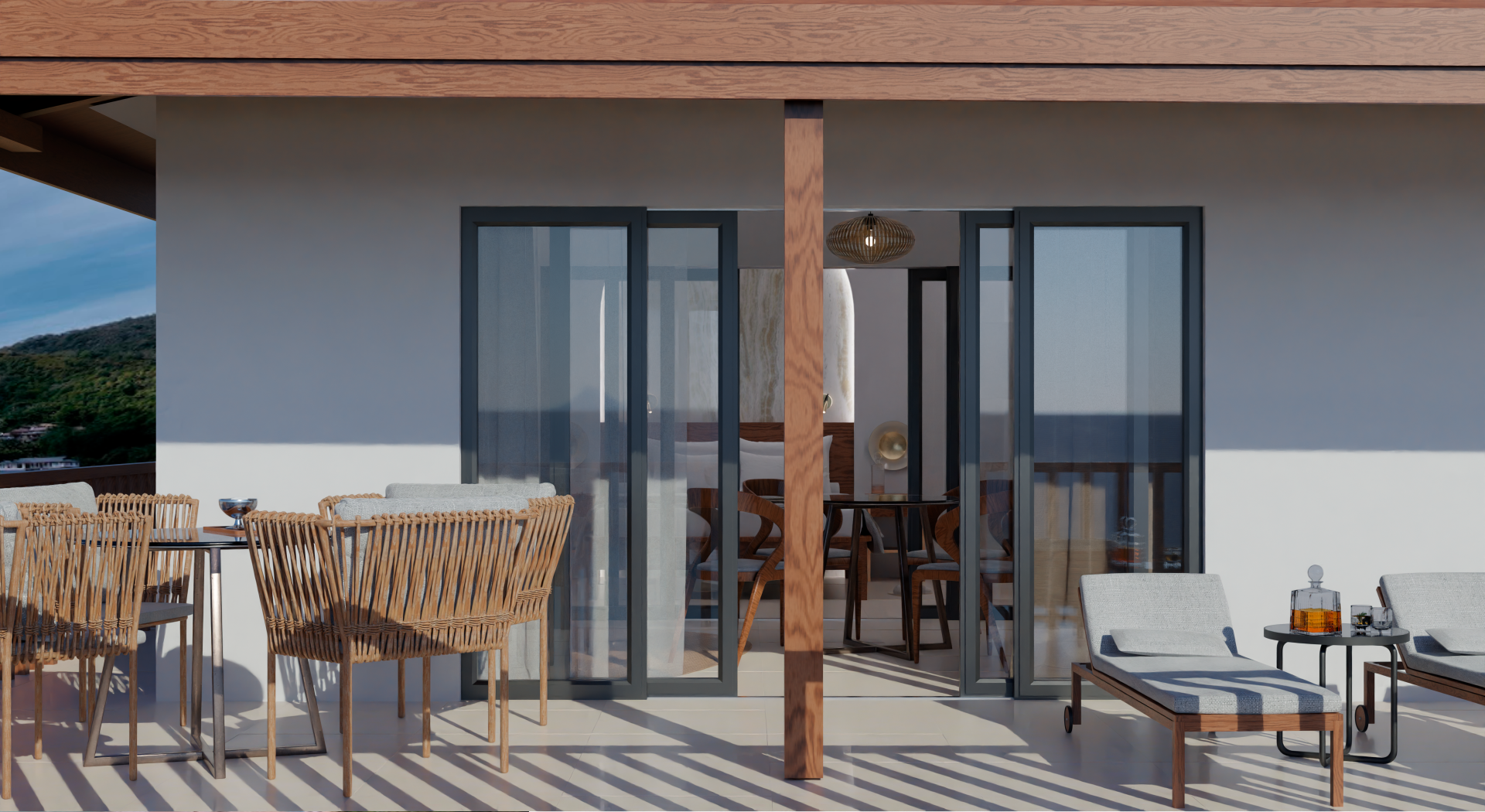 4(1888)
Coral Strand Smart Choice
Beau Vallon, Mahé, Seychelles
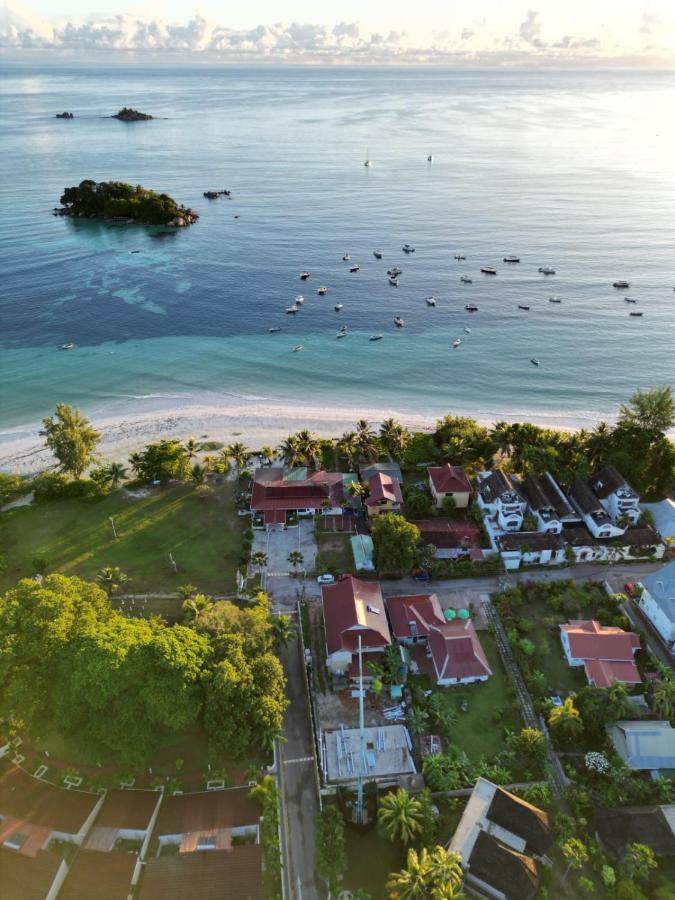 4.9(4317)
Berjaya Praslin Resort
Anse Volbert, Praslin, Seychelles
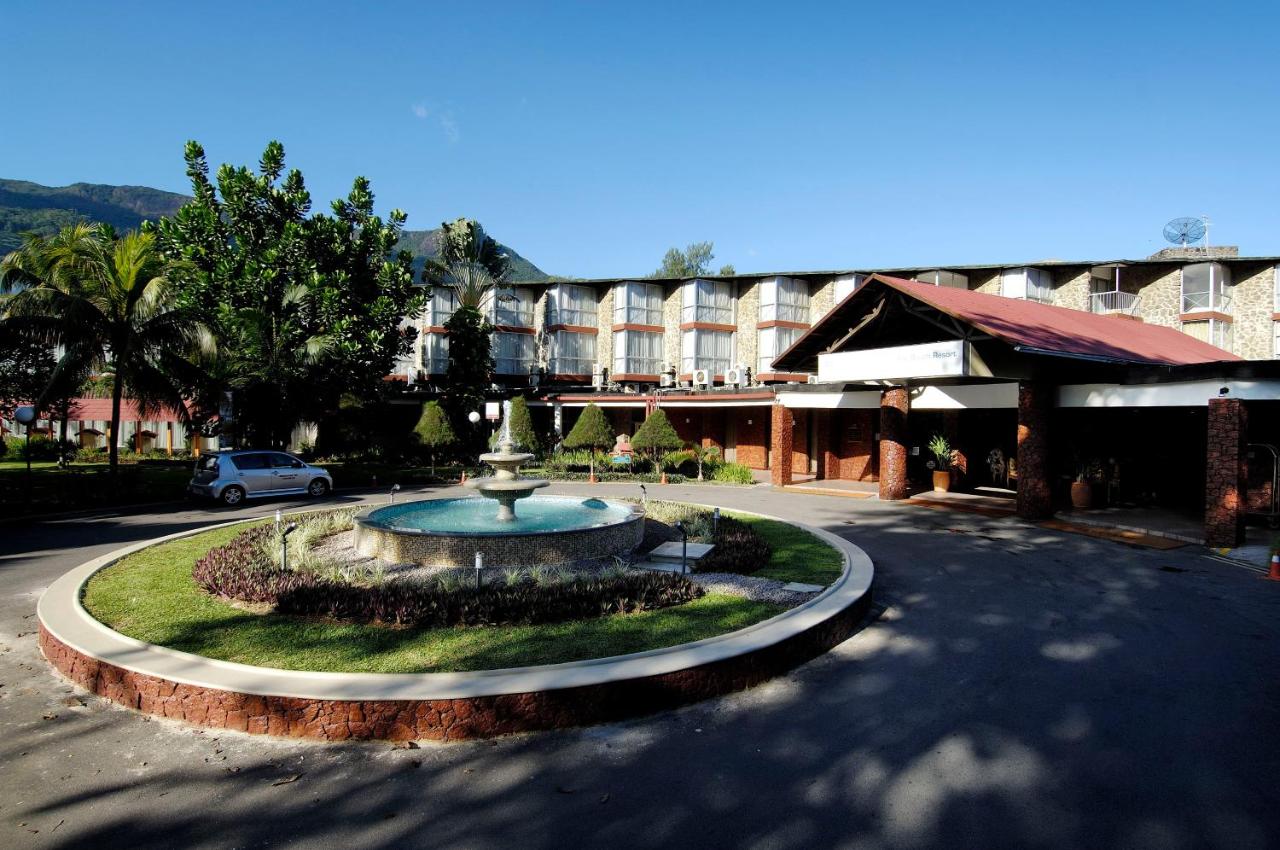 4.3(3470)
Berjaya Beau Vallon Bay Resort & Casino
Beau Vallon, Mahé, Seychelles
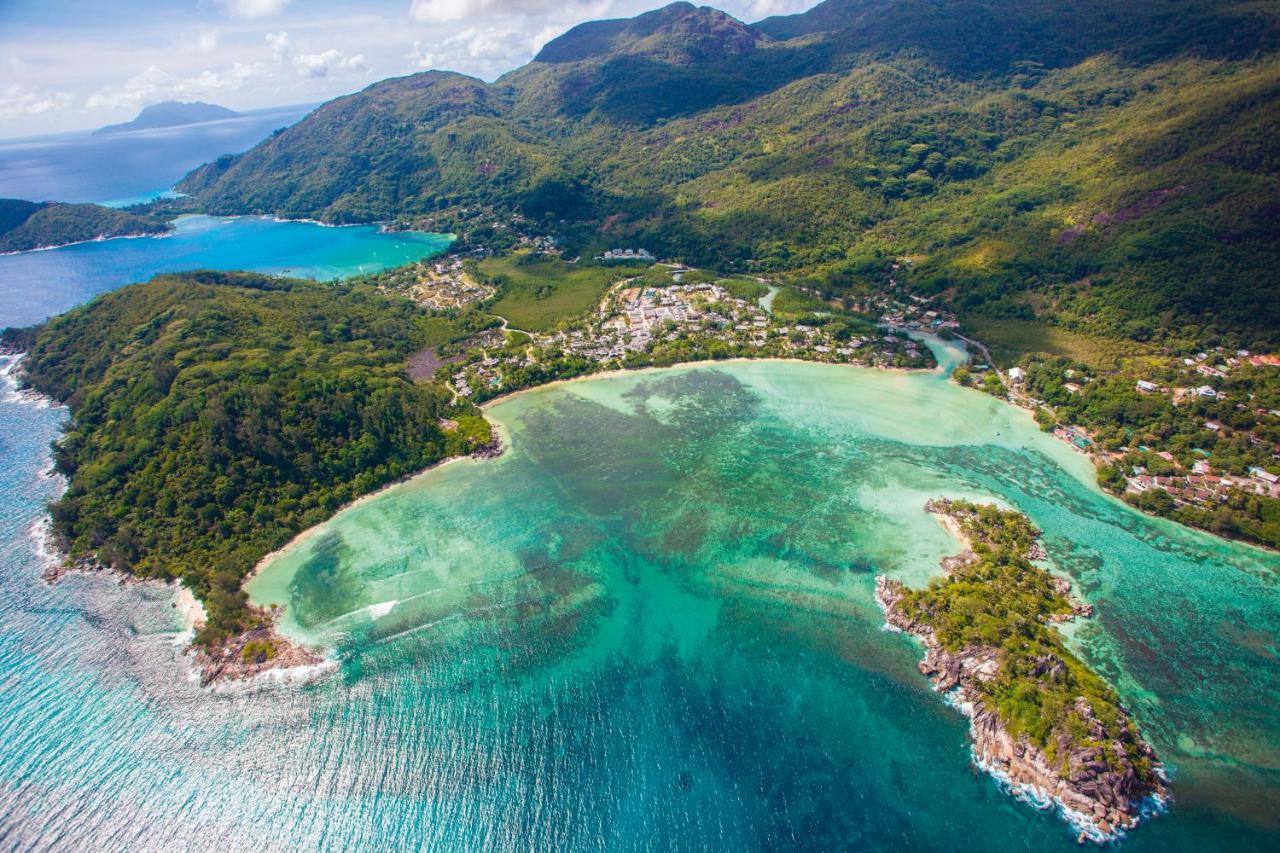 4.7(3994)
Constance Ephelia
Port Launay, Mahé, Seychelles
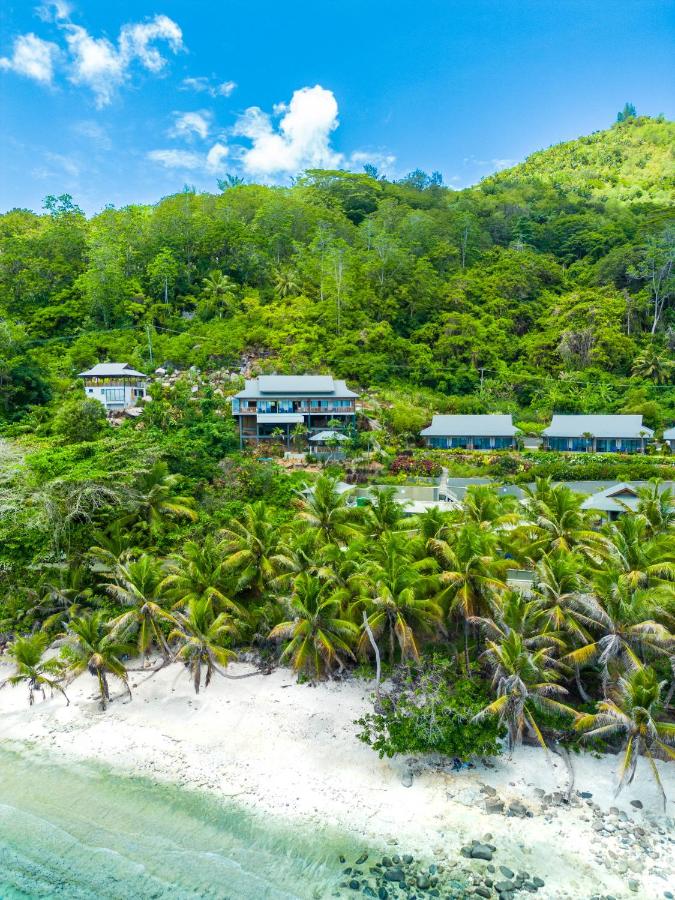 4.8(51)
Paradise Chalets Yoga & Wellness
Anse Parnel, Mahé, Seychelles
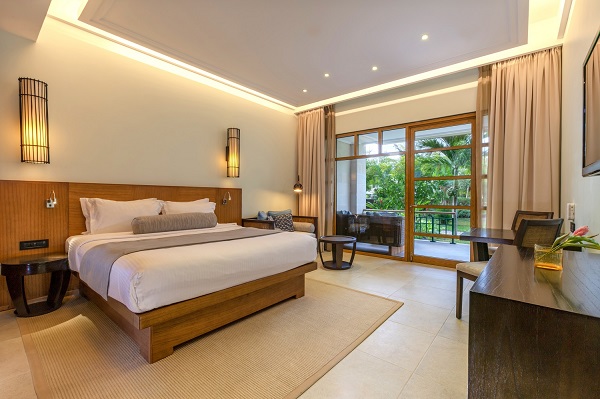 4.3(2655)
Savoy Seychelles Resort and Spa
Beau Vallon, Mahé, Seychelles
Ready to plan your trip?
Check live availability, compare lodges and book instantly — or send us an enquiry and we'll help shape the route.
Keep reading


See our safari advice first on Google
One tap tells Google you want Safari Stays shown higher when you search for safari and travel news. It takes a second and you can undo it anytime.
Make Safari Stays a preferred source on Google