Humpback Whale Watching in Mauritius this July
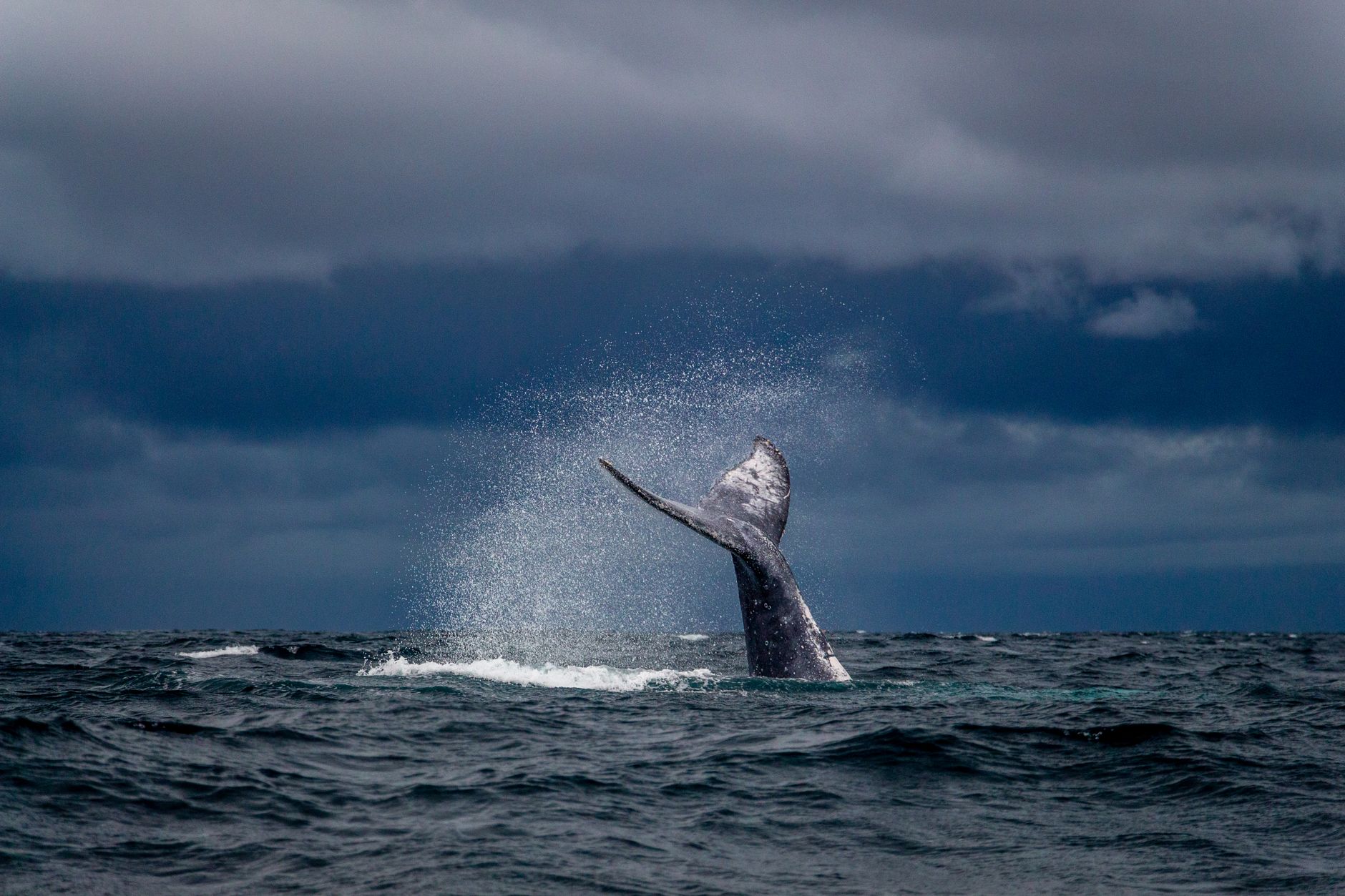
While many dream of Mauritius for its summer sun and turquoise lagoons, a different kind of magic awakens during the island’s gentle winter. From June to October, the deep blue waters off the coast become a stage for one of nature’s most magnificent spectacles. This is the season of giants, the prime time for humpback whale watching Mauritius July being a peak month for sightings, offering a profound and humbling connection to the wild heart of the Indian Ocean.
The Great Cetacean Migration: Why Mauritius?
Every year, Southern Hemisphere humpback whales (Megaptera novaeangliae) embark on one of the longest migrations of any mammal on Earth. They travel thousands of kilometres from their frigid feeding grounds in Antarctica to the warm, sheltered waters of the Indian Ocean. Mauritius lies directly on this ancient migratory path, making it a crucial sanctuary for these gentle giants.
The purpose of this epic journey is life itself. The warmer, calmer seas around the island provide a safe nursery for pregnant females to give birth and for new mothers to nurse their calves. The absence of their main predator, the orca, allows the vulnerable young whales to build strength and blubber reserves before making the arduous return journey south.
Witnessing a forty-ton mother gently guiding her newborn calf through the waves is not just a tourist attraction; it’s a deeply moving glimpse into the complex social lives of these intelligent creatures. Their presence transforms the Mauritian seascape, adding a layer of wild grandeur to the island's celebrated beauty.
The Science of the Song
One of the most captivating aspects of humpback whales is their song. Produced by the males, these complex, evolving vocalizations can travel for hundreds of kilometres underwater. While the exact purpose remains a subject of study, it's believed to be linked to mating rituals and communication.
Hydrophones used by responsible tour operators sometimes allow you to listen in on this submarine symphony. Hearing their haunting melodies echo through the hull of the boat is an experience that stays with you long after you’ve returned to shore.
Your Guide to Humpback Whale Watching Mauritius July
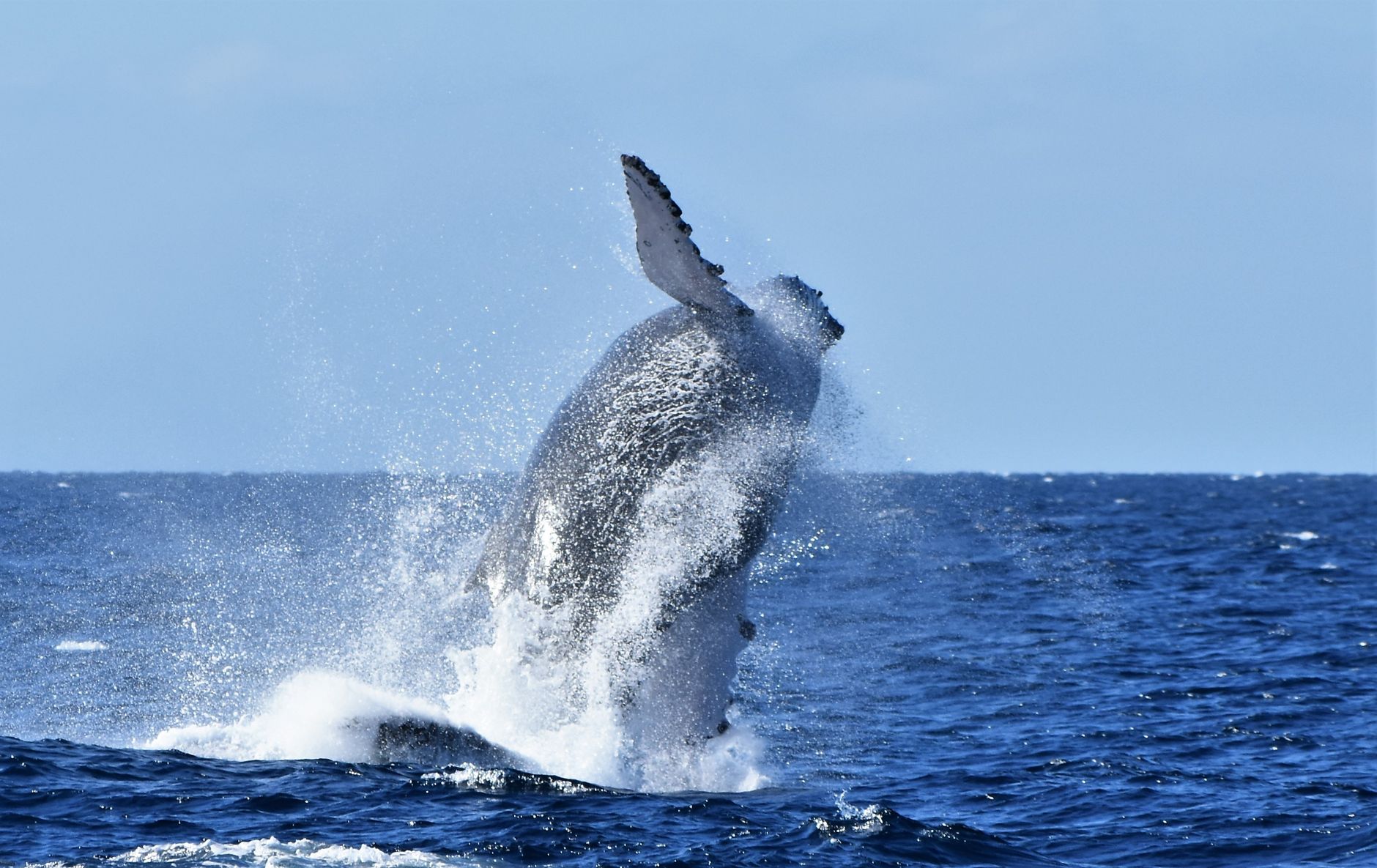
July is a fantastic month for whale watching in Mauritius. The weather is typically dry and pleasant, and the whales are active. Mothers are often seen with their calves, and the males are engaged in spectacular acrobatic displays, or “breaching,” believed to be a form of communication or a way to remove skin parasites.
Most whale watching excursions depart from the island's west and southwest coasts, particularly from the areas around Black River (Rivière Noire) and Tamarin. The sea is generally calmer here, and it’s the most direct route to the deep offshore waters where the whales congregate. Morning departures, typically between 7 am and 9 am, are recommended for the best conditions and higher chances of sightings.
What to Expect on Your Trip
A typical tour lasts between two to four hours. Reputable operators are passionate about marine conservation and will follow strict guidelines to ensure the whales are not disturbed. This means keeping a respectful distance, limiting time spent with any single group, and cutting engines when near the animals.
During your expedition, keep an eye out for these common humpback behaviours:
- The Blow: The misty spray of water ejected from the whale's blowhole as it exhales. This is often the first sign that a whale is nearby.
- Breaching: The iconic leap, where a whale propels its massive body almost entirely out of the water before crashing back down with a colossal splash.
- Tail Slapping (Lobtailing): Loudly slapping the water's surface with their powerful tail flukes.
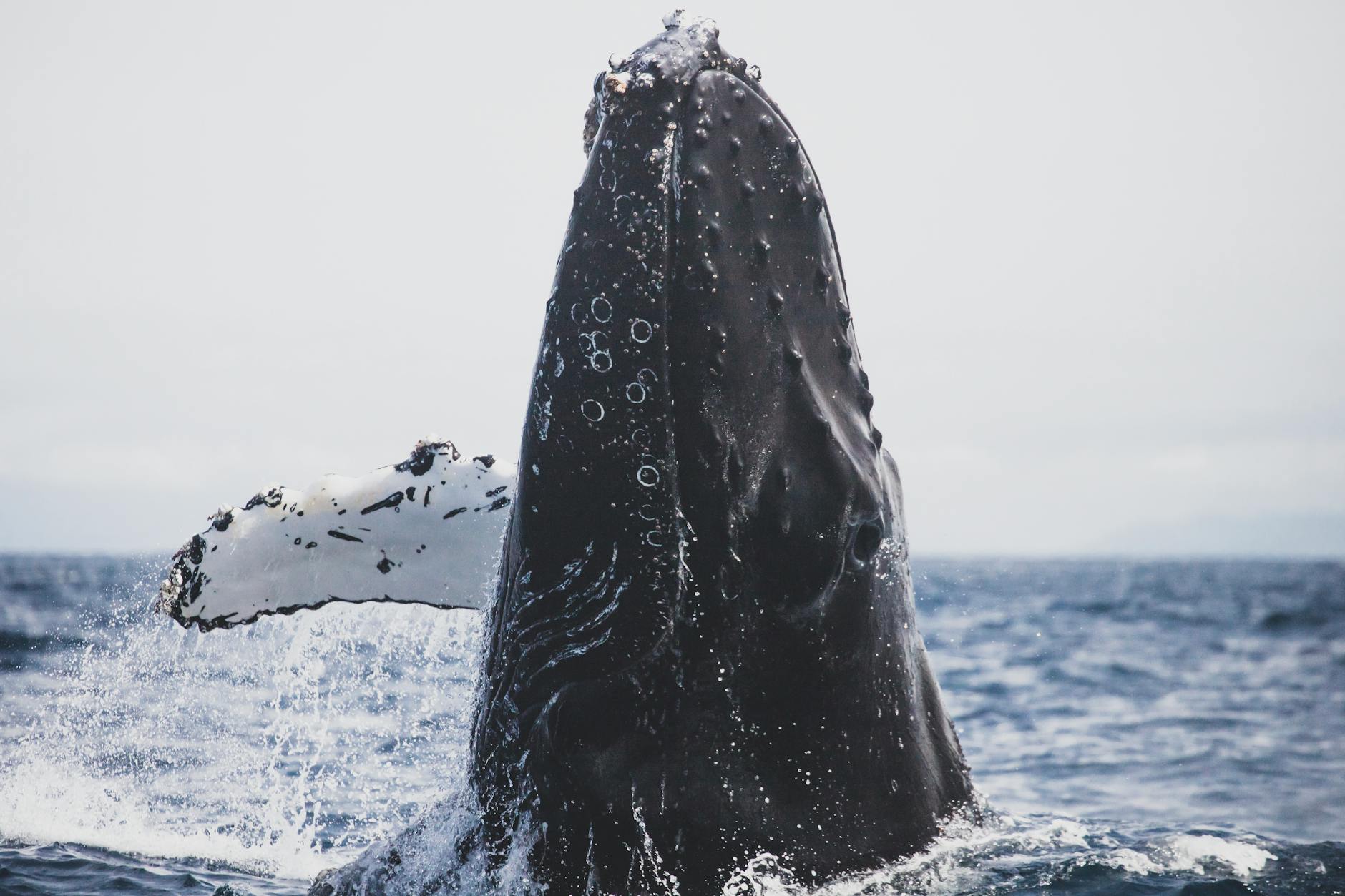
- Spyhopping: When a whale rises vertically out of the water, exposing its head to look around.
- Pectoral Fin Slapping: Lying on its side and slapping its long pectoral fin against the water.
Beyond the Humpbacks: A Rich Marine Ecosystem
While the humpbacks are the undisputed stars of the winter season, they are not the only cetaceans you might encounter. Mauritian waters are home to a diverse population of marine mammals, making any boat trip an opportunity for discovery.
The West Coast is a year-round home to pods of spinner and bottlenose dolphins. These playful and acrobatic animals often delight visitors by racing alongside the boat, leaping and spinning through the air. Seeing them is a joyful bonus on any whale watching tour.
Furthermore, Mauritius is one of the few places in the world where you can see sperm whales all year long. These deep-diving giants, the largest of the toothed whales, tend to stay further offshore. Dedicated sperm whale tours are available, but it’s not uncommon to spot them during a humpback-focused trip, adding another layer of excitement to your day on the ocean.
Choosing Your Base: Where to Stay for Your Whale Encounter
Thanks to the island’s manageable size, you can enjoy a whale watching excursion regardless of where you choose to stay. However, basing yourself on the western or southwestern coast offers the most convenient access to the main departure points.
Lodges along the South-West coast, like the luxurious Shanti Maurice Resort & Spa, place you in the heart of the action, surrounded by rugged natural beauty. The nearby village of Grande Riviere Noire is a hub for tour operators, and staying at a charming hotel like La Mariposa means you're just moments away from your marine adventure.
If you prefer the vibrant atmosphere and wider selection of restaurants in the north, you are still only an hour's drive away. The sophisticated North Coast offers stunning resorts such as the contemporary LUX* Grand Baie, Mauritius, providing a perfect blend of luxury and convenience.
For those drawn to the serene and picturesque shores of the East Coast, you’ll find some of the island's most iconic hotels. A stay at the elegant LUX* Belle Mare, Mauritius allows you to enjoy tranquil sunrises before venturing across the island for your whale watching trip, experiencing the full diversity of Mauritius’s landscapes in a single day.
Preparing for Your Trip
To make the most of your whale watching experience, a little preparation goes a long way. The Mauritian winter sun is still strong, and it can be cooler on the open ocean than on land. Pack a small bag with essentials like a hat, reef-safe sunscreen, and polarized sunglasses to help cut through the glare on the water. A light jacket or windbreaker is also a wise addition for the morning chill. Don't forget your camera with a zoom lens, but also be prepared to simply put it down and be present in the moment.
An encounter with a humpback whale is more than just an activity; it is a moment of pure awe. It’s the sound of a monumental breath, the sight of a tail fluke disappearing silently into the abyss, and the humbling feeling of being in the presence of something so ancient and powerful. For those visiting the island, planning a trip for humpback whale watching mauritius july offers an opportunity to create a memory that will truly last a lifetime.
Ready to plan your trip?
Check live availability, compare lodges and book instantly — or send us an enquiry and we'll help shape the route.