Borana Conservancy Rhino Sanctuary Updates for 2027
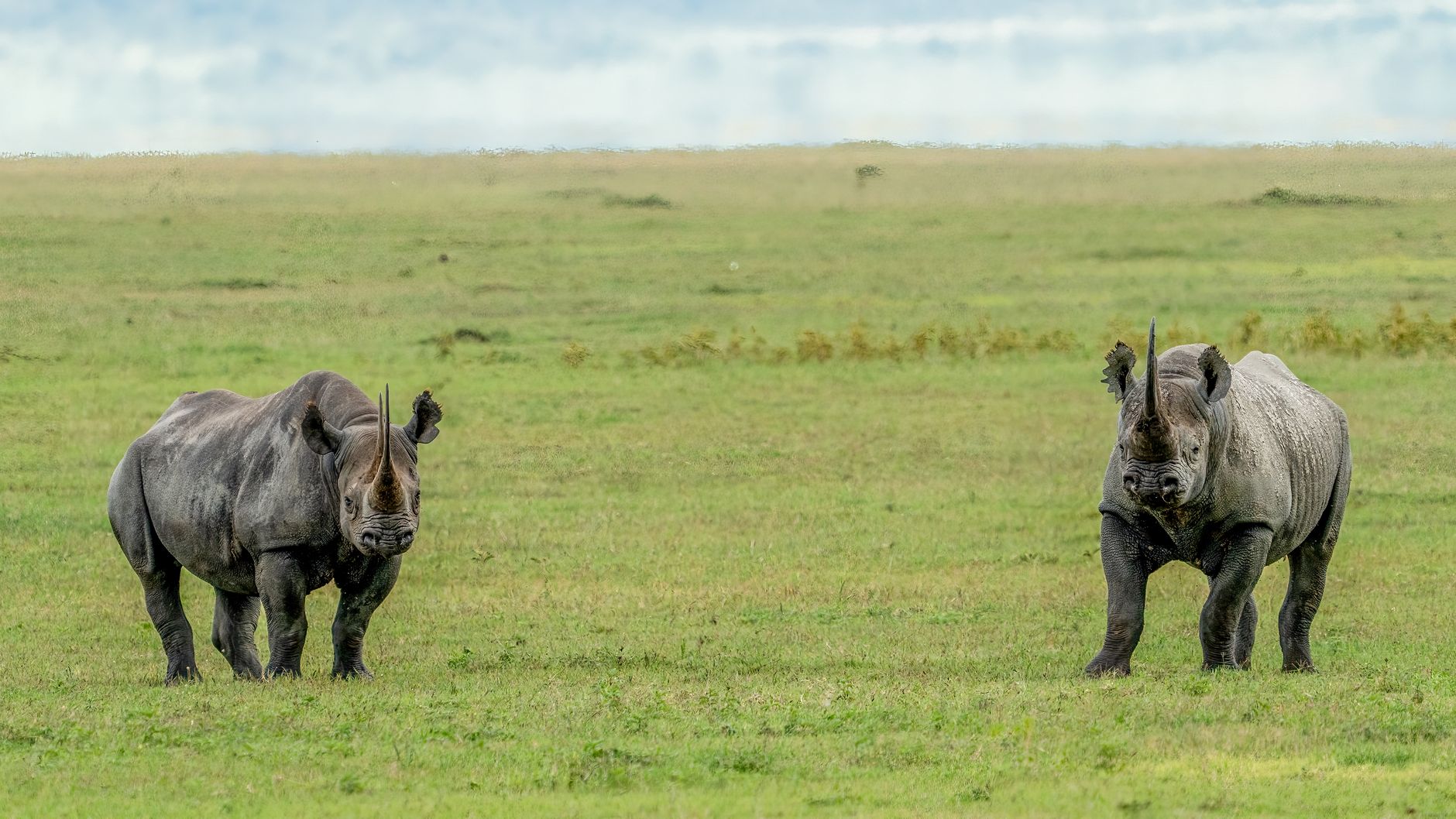
In the heart of Kenya's high grasslands, with the hazy blue silhouette of Mount Kenya as a constant companion, lies a story of remarkable resilience. Borana Conservancy is more than just a breathtaking safari destination; it is a fortress for some of Africa's most endangered species. For travellers planning their 2027 adventures, we're sharing the latest borana conservancy rhino sanctuary updates, a narrative of success that you can witness firsthand.
This 32,000-acre private conservancy represents a pioneering approach to conservation, where sustainable tourism, community engagement, and dedicated wildlife protection create a thriving ecosystem. It stands as a powerful testament to what can be achieved when conservation is the primary land-use goal.
The Borana Model: A Harmony of Wildlife and Community
Borana’s philosophy is built on a simple yet profound idea: healthy ecosystems and thriving wildlife benefit the local communities, and in turn, those communities become the most passionate guardians of their natural heritage. This integrated model is a cornerstone of modern conservation in the wider Laikipia landscape, a region renowned for its innovative, community-led conservation initiatives.
Unlike traditional national parks, Borana is a working cattle ranch that holistically manages its livestock alongside wildlife. This carefully managed grazing helps maintain healthy grasslands, which supports the entire food web, from the smallest insects to the largest elephants. The revenue generated from both tourism and ranching is reinvested directly into the conservancy's core operational costs: security, community development, and wildlife management.
This self-sustaining cycle ensures that the protection of species like the rhino is not merely a project, but the very fabric of the conservancy’s existence. Every game drive, every night spent under the vast African sky, contributes directly to this vital work.
Borana Conservancy Rhino Sanctuary Updates for the 2027 Season
The core mission of Borana has always been the protection and proliferation of rhinos. As you plan your safari for early 2027, the news from the sanctuary remains a beacon of optimism in the conservation world. Borana is a key habitat for both black and white rhinos, and its success has made it one of the most important rhino sanctuaries in East Africa.
The Lewa-Borana Landscape
A pivotal moment in the sanctuary's history was the removal of the fence separating it from the neighbouring Lewa Wildlife Conservancy. This created one vast, contiguous conservation area of over 92,000 acres. For the rhinos, this means a larger territory for foraging, finding mates, and establishing their own ranges, which is crucial for genetic diversity and reducing social stress.
For visitors, this unfenced landscape translates into a more dynamic and unpredictable safari experience. You are exploring a truly immense and wild ecosystem, where animal movements are dictated by seasons and instinct, not by boundaries. The rhino populations of both conservancies are managed as a single metapopulation, a strategy that has proven incredibly successful for long-term growth.
A Sanctuary for New Life
The ultimate measure of success in any sanctuary is births. Borana continues to be a productive breeding ground for both black and white rhinos. The security and space provided by the conservancy allow rhinos to thrive, and the sight of a calf trotting alongside its formidable mother is a frequent and deeply moving experience for visitors. These births are not just joyful moments; they are critical data points that underscore the health of the entire ecosystem.
When you visit, you are stepping into a story that is still unfolding—a story of a species being brought back from the brink, one precious birth at a time. The expert guides at Borana can often identify individual rhinos by their ear notches and horn shapes, sharing their life stories and lineage with you.
Planning Your 2027 Visit to Borana
A safari in Borana is an intimate and exclusive experience. The conservancy is part of a much larger ecosystem and can be a phenomenal standalone destination or part of a broader Kenyan itinerary that might include the iconic grasslands of the Maasai Mara, home to stunning properties like Rekero Camp on the Talek River.
Beyond the Rhinos: A Complete Safari Experience
While the rhinos are undoubtedly the stars, Borana offers a rich and diverse wildlife tapestry. The conservancy is a critical habitat for a wide range of species, and your game drives will be full of incredible sightings. Keep an eye out for:
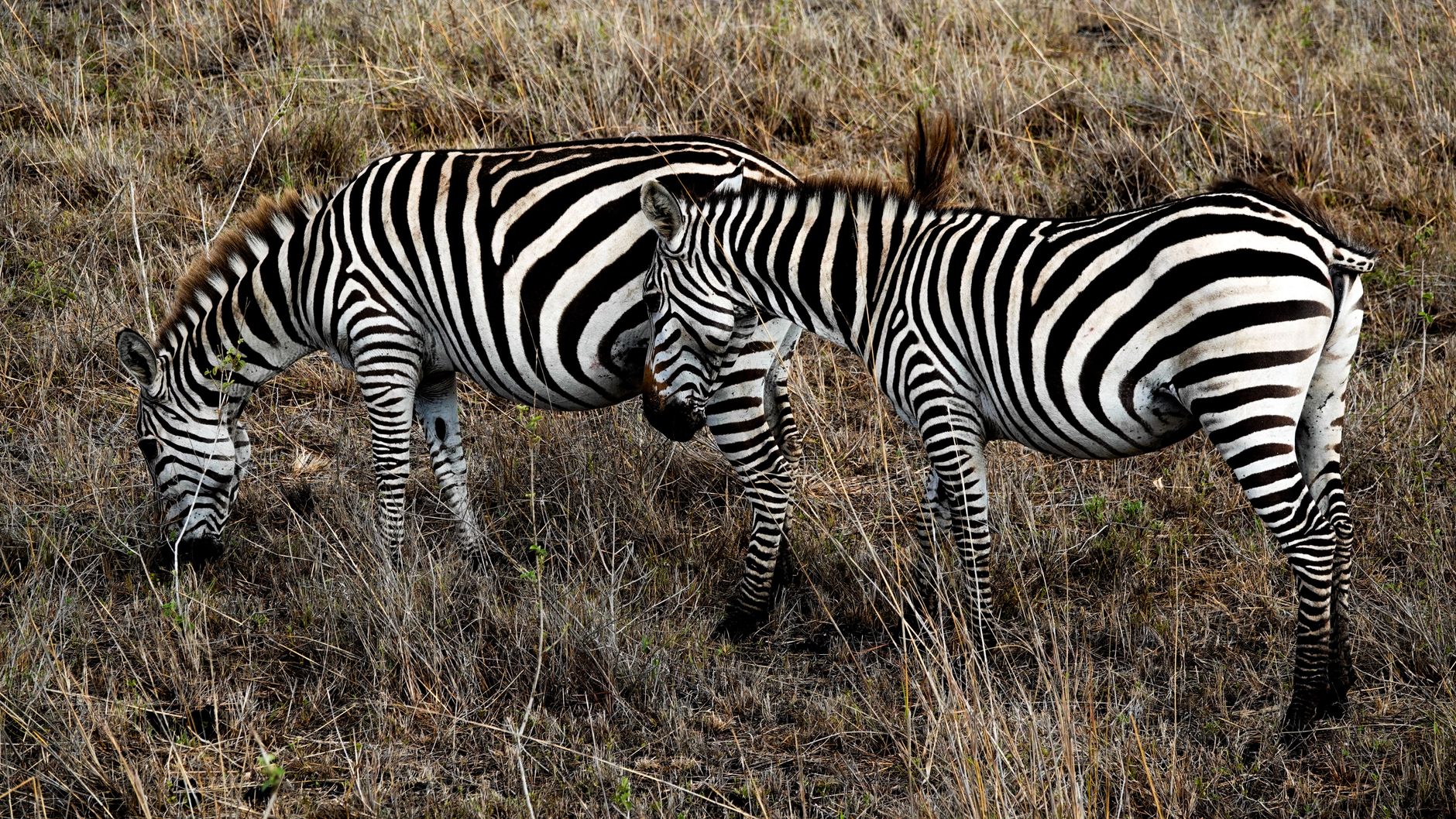
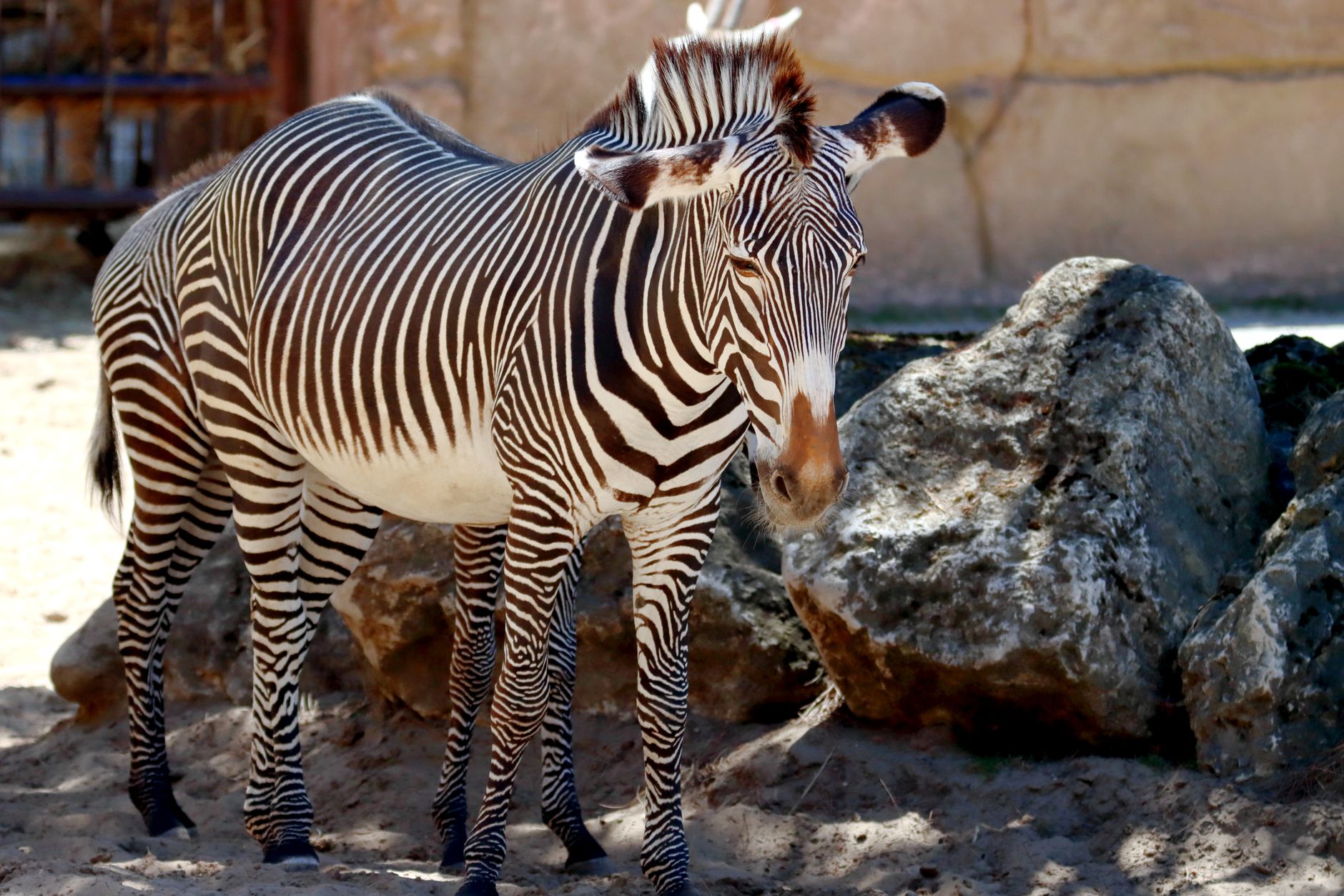
- Grevy's Zebra: A beautiful and endangered species with narrower, more numerous stripes than the common plains zebra.
- Reticulated Giraffe: Another northern Kenya special, distinguished by its striking geometric coat pattern.
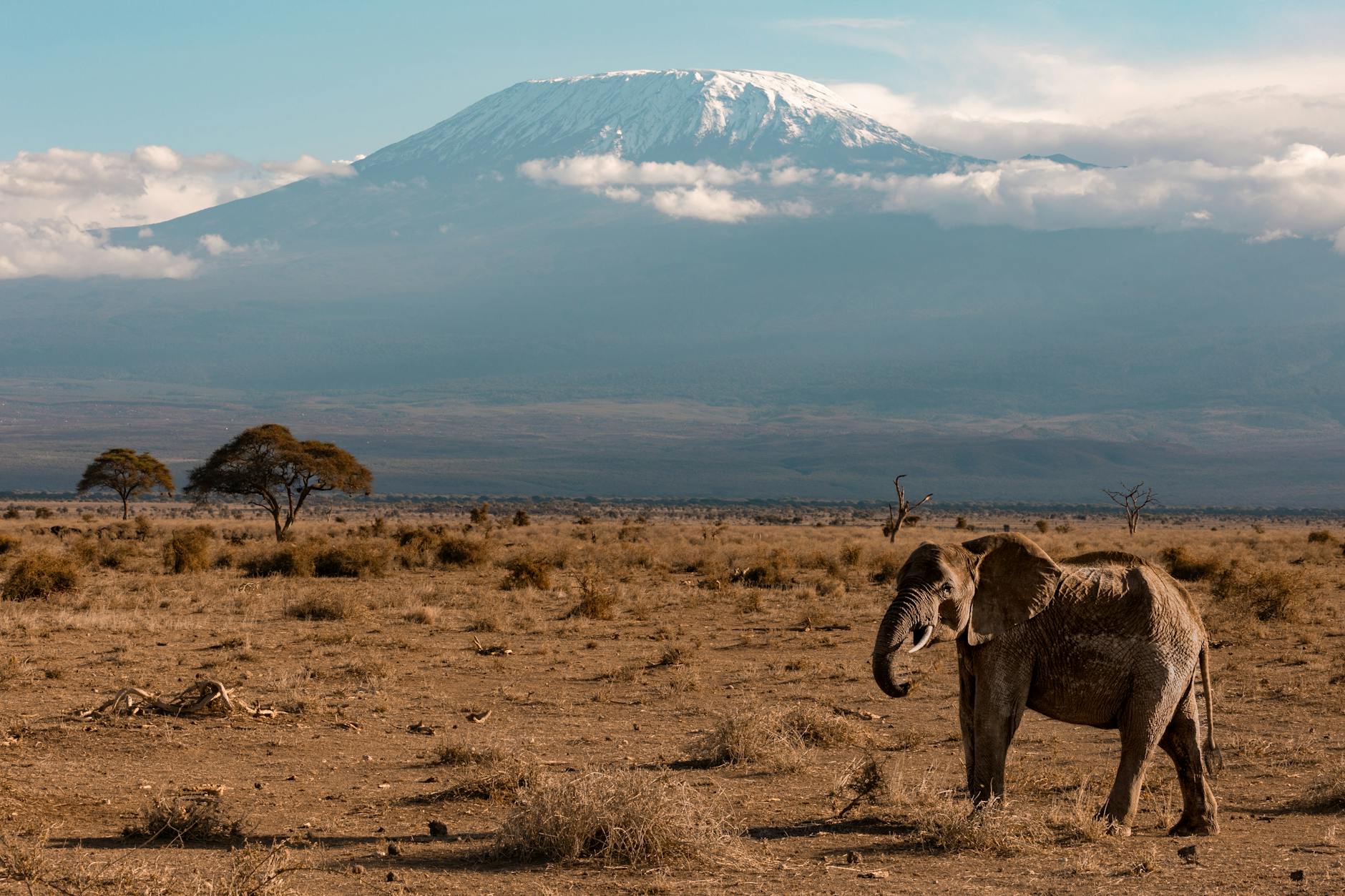
- Elephants: Large herds move freely across the Lewa-Borana landscape.
- Big Cats: Lion, leopard, and cheetah are all present, and the rocky kopjes of Borana provide perfect ambush points for leopards.
- African Wild Dogs: Sightings are rare and special, but packs are known to den within the wider conservancy.
The region is also a fantastic birding destination, with hundreds of species recorded, from raptors soaring on the thermals to the vibrant Superb Starling. If your journey brings you through the area, consider a stay at a place like Maiyan Nanyuki, which offers a luxurious base to explore the wider Mount Kenya region.

The Ideal Time to Visit: January to June 2027
The first half of the year offers a superb window for visiting Borana. January through March is generally the dry season, with sunny days and cool nights. Wildlife is often concentrated around water sources, making for excellent viewing.
The "long rains" typically arrive from late March to May. While some travellers are wary of the rainy season, it can be a magical time. The landscape transforms into a startling emerald green, the air is clear of dust, and you'll often have the wilderness almost to yourself. The brief, dramatic afternoon showers rarely disrupt safari activities for long and often give way to spectacular sunsets. This "green season" is a photographer's dream.
How Your Visit Contributes Directly to Conservation
Choosing to visit Borana is a direct investment in its future. The conservation fees included in your stay are the primary source of funding for the sanctuary's operations. This revenue pays the salaries of over 200 staff, the majority of whom come from neighbouring communities. It funds the elite anti-poaching teams, veterinary care, and the extensive monitoring required to keep the rhino population safe.
This model of conservation tourism has been so successful it has been replicated across Kenya. Nearby, Sweetwaters Serena Camp in Ol Pejeta Conservancy operates on a similar principle, proving that tourism can be a powerful force for good. Your safari is not a passive experience; you are an active participant in one of the world's most important conservation stories.
As you look ahead to your 2027 travels, consider the power of a journey that gives back. A visit to Borana offers not only the thrill of seeing magnificent creatures in their natural habitat but also the profound satisfaction of knowing your presence makes a difference. The positive trajectory detailed in these borana conservancy rhino sanctuary updates is a future you can help secure, ensuring these ancient, gentle giants continue to roam the Kenyan highlands for generations to come.
Where to stay
Browse handpicked places to stay — many with live availability and instant booking.
 4.8(63)
Encounter Mara Camp
Mara Naboisho Conservancy, Kenya
 4.8(95)
Ol Pejeta Bush Camp
Ol Pejeta Conservancy, Laikipia, Kenya
 4.9(76)
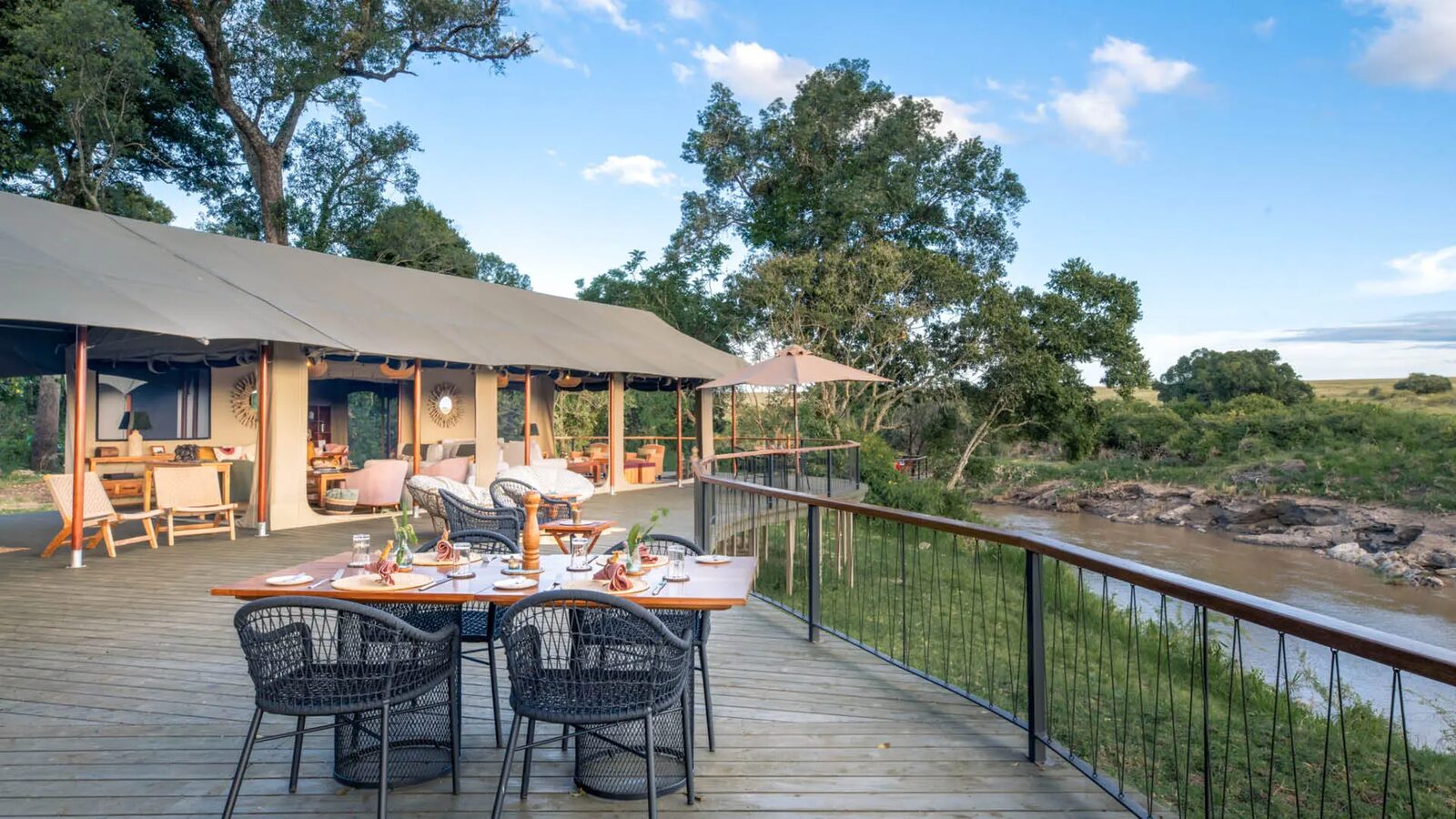
Rekero Camp
Talek River, Maasai Mara National Reserve, Kenya
 4.7(91)
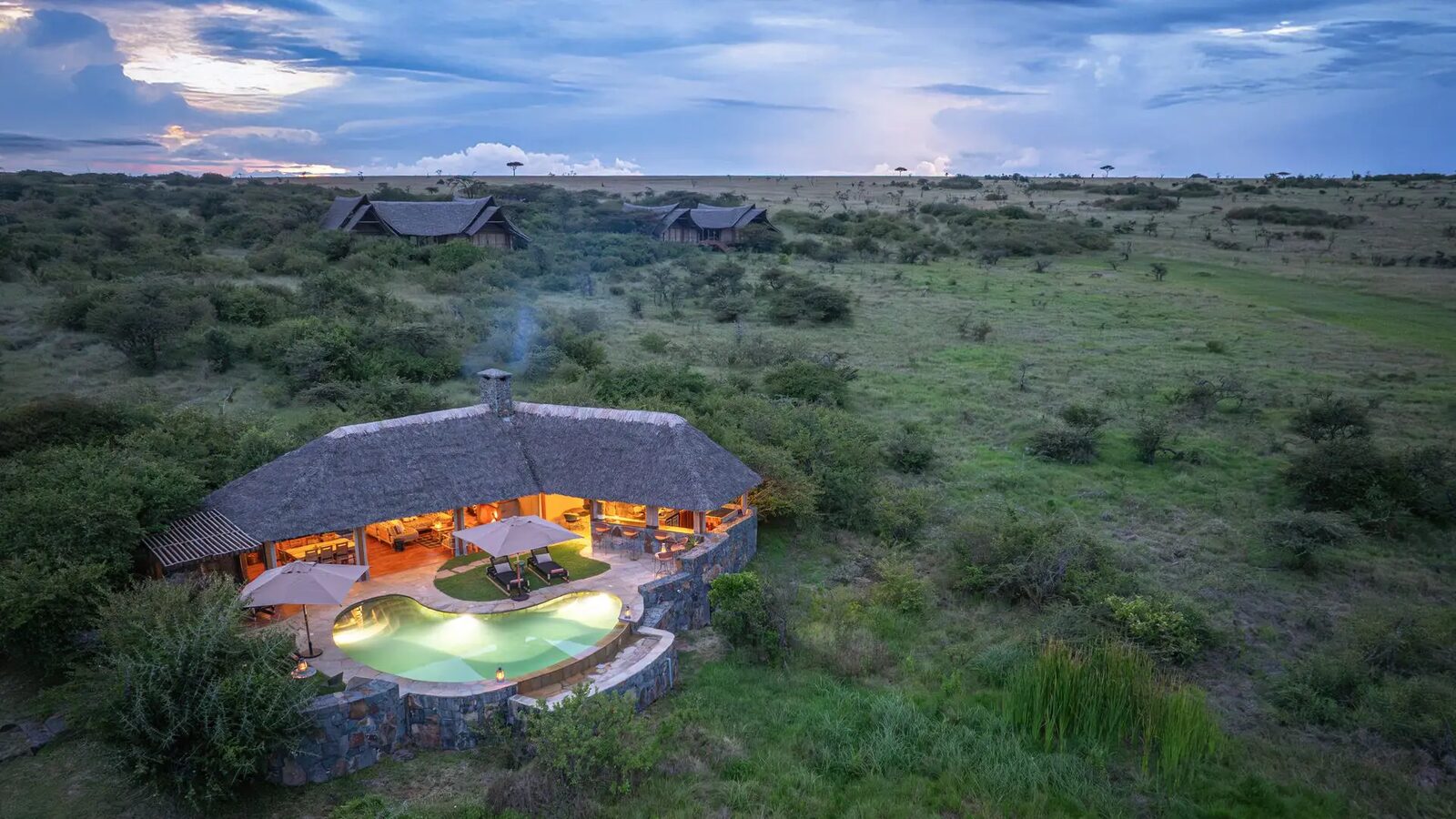
Naboisho Camp
Mara Naboisho Conservancy, Kenya
 4.6(2137)
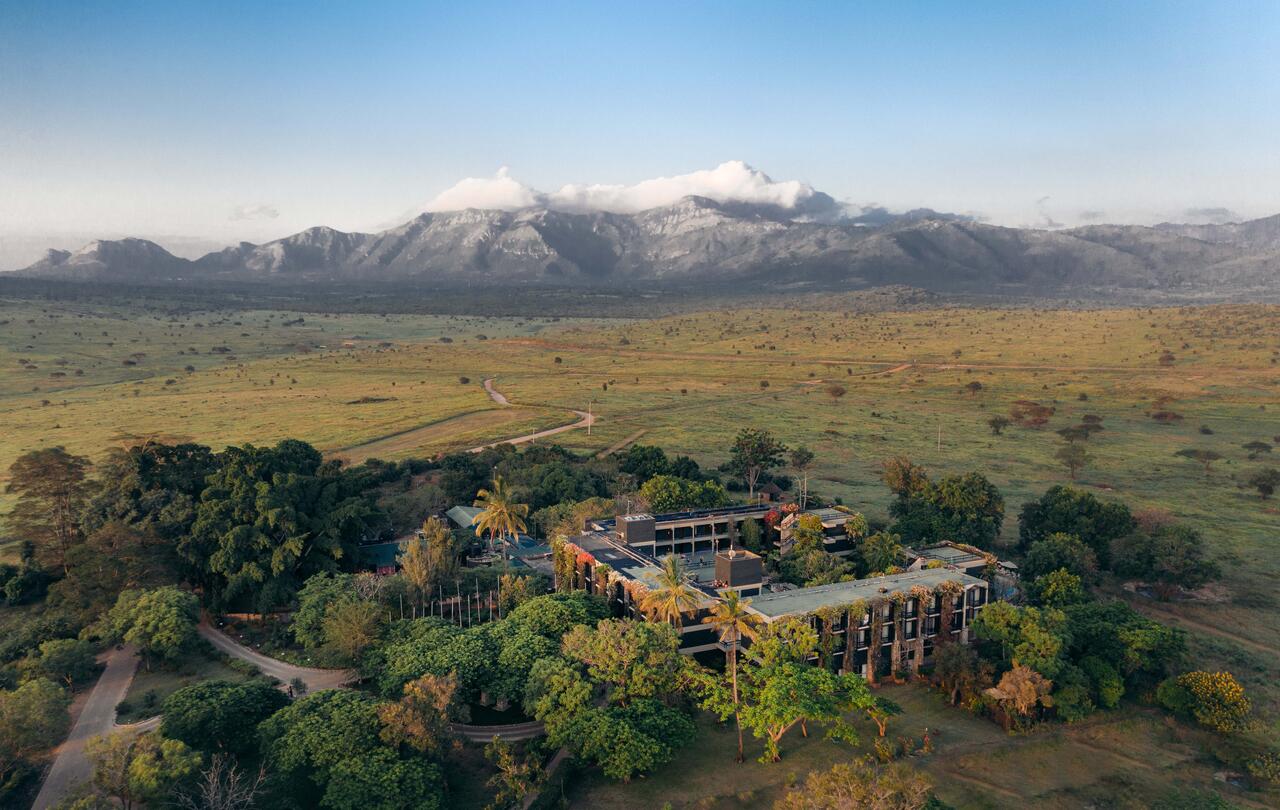
Taita Hills Safari Resort & Spa
Taita Hills, Kenya
 4.5(594)
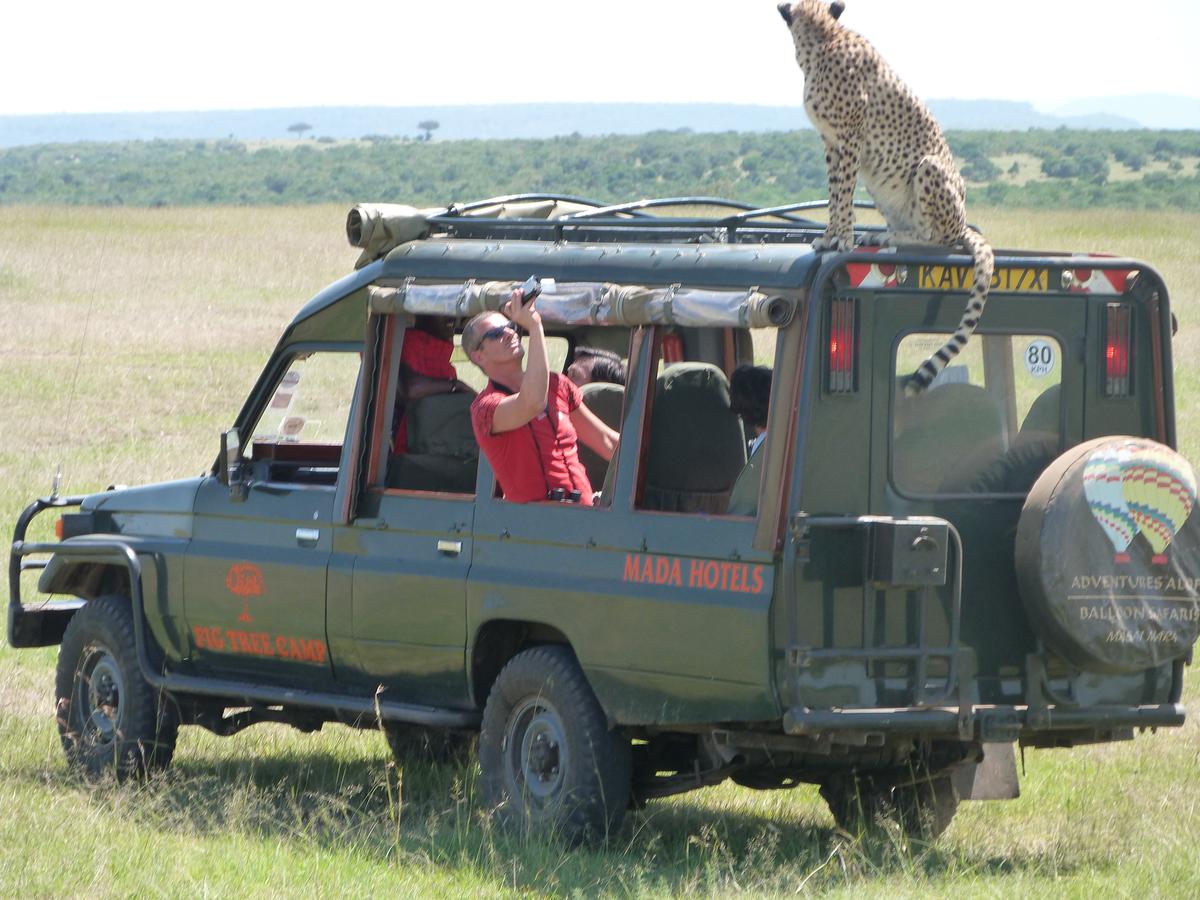
Fig Tree Camp - Maasai Mara
Maasai Mara, Kenya
Let us plan this trip for you
Send us your dates, party and budget and we'll come back with a costed itinerary — lodges, flights, transfers and activities in one place. No fee, no obligation.
Keep reading
See our safari advice first on Google
One tap tells Google you want Safari Stays shown higher when you search for safari and travel news. It takes a second and you can undo it anytime.
Make Safari Stays a preferred source on Google