First Safari: Botswana or Tanzania for 2027?
The decision to go on your first African safari is a momentous one. It’s the start of a journey that will stay with you forever. But with that excitement comes a big question: where to go? For many, the choice narrows to two of the continent's most iconic destinations. The dilemma of a first safari botswana or tanzania is a wonderful one to have, as both promise profound wildlife encounters and breathtaking landscapes.
As you begin planning your adventure for early to mid-2027, this guide will help you understand the distinct character of each country. We’ll compare their landscapes, wildlife rhythms, and travel styles, helping you decide which wild heart beats in time with yours.
The Essential Difference: Waterways vs. Vast Plains
At its core, the choice between Botswana and Tanzania is a choice between two different types of wilderness. Understanding this fundamental difference is the first step in finding your perfect fit.
Tanzania, on one hand, is the Africa of the grand, sweeping epic. It is the home of vast, golden grasslands that stretch to the horizon, dotted with acacia trees and teeming with immense herds of animals. The legendary Serengeti National Park and the Ngorongoro Crater define this vision of safari—a world of immense scale, dramatic predator-prey interactions, and the stage for the Great Wildebeest Migration.
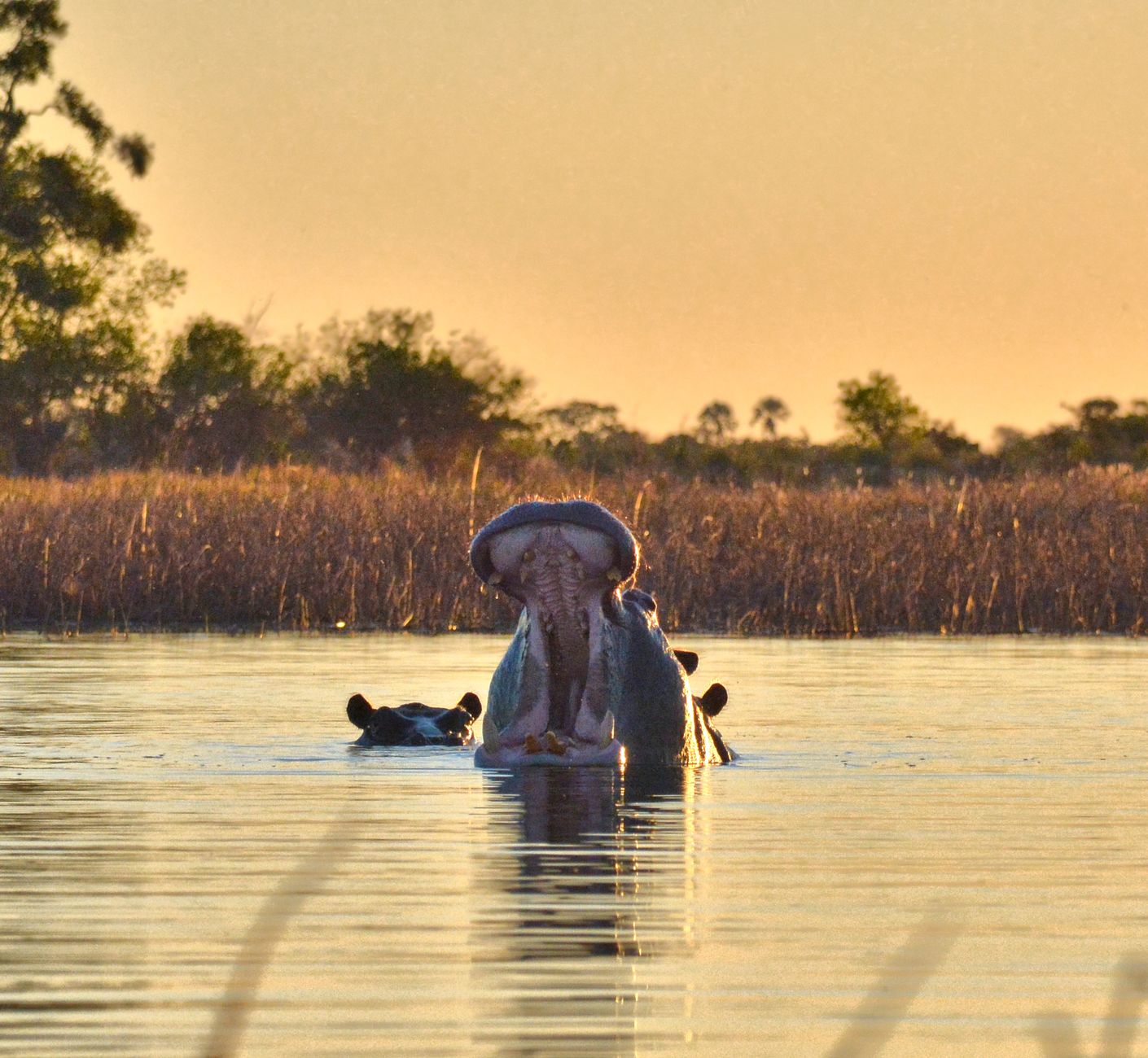
Botswana, by contrast, offers a more intimate and water-centric experience. Its crown jewel, the Okavango Delta, is a sprawling inland wetland—a unique, water-logged paradise that floods not in the rainy season, but in the dry. Here, the safari experience is quieter, more exclusive, and often happens on the water itself, poling silently through papyrus-lined channels in a traditional canoe.
Your First Safari: Botswana or Tanzania?
With the foundational differences in mind, let's explore what a trip between February and July 2027 looks like in each destination. This period covers the end of the 'green season' and the transition into the dry season, offering unique opportunities in both countries.
Tanzania: The Great Migration & Classic Landscapes
If your dream safari involves witnessing the sheer scale of African wildlife, Tanzania is a phenomenal choice. The main draw is, of course, the Great Migration, and the February to July window is a spectacular time to see it.
From February to March, the vast herds are typically in the Southern Serengeti and Ndutu plains for calving season. This is a time of new life, with thousands of wildebeest calves being born each day, which in turn attracts a high concentration of predators. The landscape is lush and green from the earlier short rains.
As the rains arrive in April and May, some camps may close and travel can be more challenging, but it is a secret season for the intrepid. You’ll find lower prices, fewer vehicles, and moody, dramatic skies. Come June and July, the dry season begins. The herds move north and west, and you may be lucky enough to witness the dramatic first crossings of the Grumeti River. Game viewing is superb across the Serengeti as the vegetation thins.
Botswana: The Okavango Delta & Exclusive Wilderness
Botswana's appeal lies in its exclusivity and the unique rhythm of the Okavango Delta. The country has a low-volume, high-value tourism model, meaning fewer camps, fewer people, and a feeling of having the wilderness almost to yourself.
In February and March, you’ll be catching the tail-end of the summer green season. The bush is vibrant, birdwatching is at its peak, and you’ll see many young animals. This is a time of incredible abundance before the famous floodwaters arrive.
From April onwards, the magic truly begins. Water that fell as rain in the Angolan highlands months earlier finally reaches the Delta, transforming the dry floodplains into a liquid labyrinth. A trip between May and July places you in the heart of this transformation. This is the prime time for water-based activities like mokoro (dugout canoe) excursions and motorboat safaris, offering a perspective on wildlife you simply cannot get from a vehicle.
Wildlife Experiences: What to Expect When
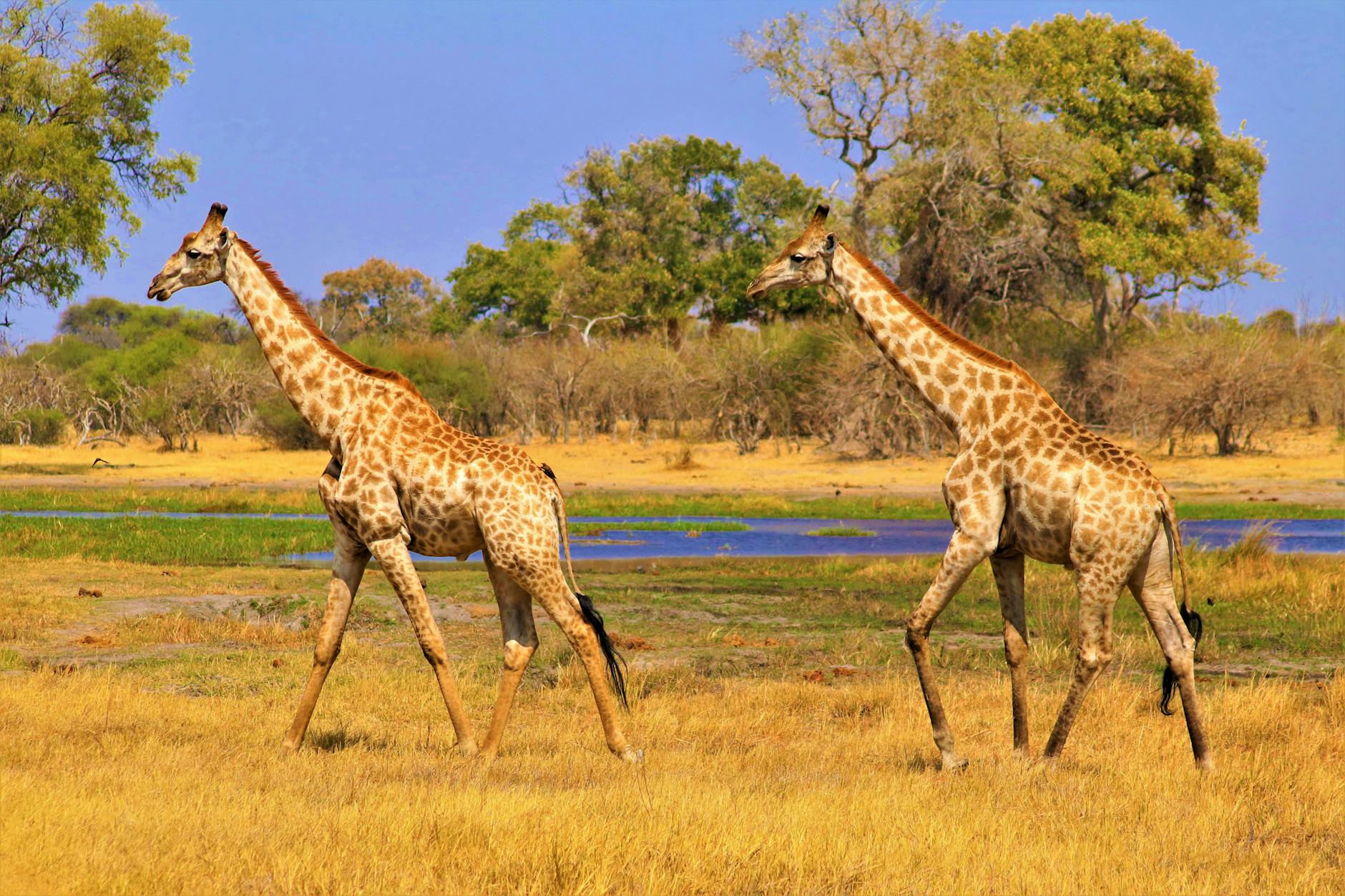
Both destinations offer the Big Five, but the way you experience wildlife, and what is prominent during your travel window, differs significantly.
For a trip between February and July 2027, here's a quick comparison:
- Tanzania's Highlights:
- The Great Migration: Witnessing the calving season (Feb/Mar) or the northward trek (Jun/Jul) is a bucket-list experience. The sheer numbers are staggering.
- Predator Density: The Ngorongoro Crater and Serengeti are famous for their high concentrations of lions, cheetahs, and hyenas.
- Classic Game Drives: Tanzania is the quintessential destination for open-vehicle game drives across seemingly endless plains.
- Botswana's Highlights:
- Water-Based Safari: Gliding silently past a drinking elephant in a mokoro is an experience of unparalleled peace and intimacy.
- Elephants: While found in both countries, Botswana's Chobe National Park is world-renowned for its massive elephant herds, especially in the dry season.
- Exclusivity: Game drives in private concessions mean you'll rarely share a sighting with another vehicle, allowing for extended, quiet observation.
Logistics, Style, and Budget
Beyond the landscapes, practical considerations will shape your decision. The style of travel and associated costs are quite different between the two.
In Tanzania, safari circuits are common. You might travel by road in a private 4x4 with a guide, moving from Tarangire to the Ngorongoro highlands and into the Serengeti over several days. This allows you to see a variety of ecosystems. Accommodation ranges broadly from rustic mobile camps to large, established lodges.
Botswana relies heavily on light aircraft travel. You will fly from Maun or Kasane into remote bush airstrips, hopping between small, intimate camps. This type of travel is thrilling but comes with strict luggage limits (typically 15-20kg in soft bags). The focus on small camps in private concessions generally places Botswana at a higher price point, but the value comes from the profound exclusivity.
For more safari ideas, you can always explore our blog.
So, how to make the final choice for your first safari between Botswana or Tanzania? If you are captivated by the idea of witnessing a natural spectacle on a colossal scale, the thundering herds of the Serengeti will not disappoint. It is the classic safari, delivered with breathtaking drama. You can explore our destinations here.
If, however, your soul is drawn to the quiet poetry of the wilderness—to the gentle lapping of water, the intimacy of a private concession, and the unique thrill of a water-level view of wildlife—then the serene, glittering waterways of the Okavango Delta are calling your name. Whichever you choose, you are embarking on an adventure that will redefine your understanding of the natural world.
Let us plan this trip for you
Send us your dates, party and budget and we'll come back with a costed itinerary, with lodges, flights, transfers and activities in one place. No obligation.
Keep reading


See our safari advice first on Google
One tap tells Google you want Safari Stays shown higher when you search for safari and travel news. It takes a second and you can undo it anytime.
Make Safari Stays a preferred source on Google