Zimbabwe Safari Weather: Your August 2026 Guide
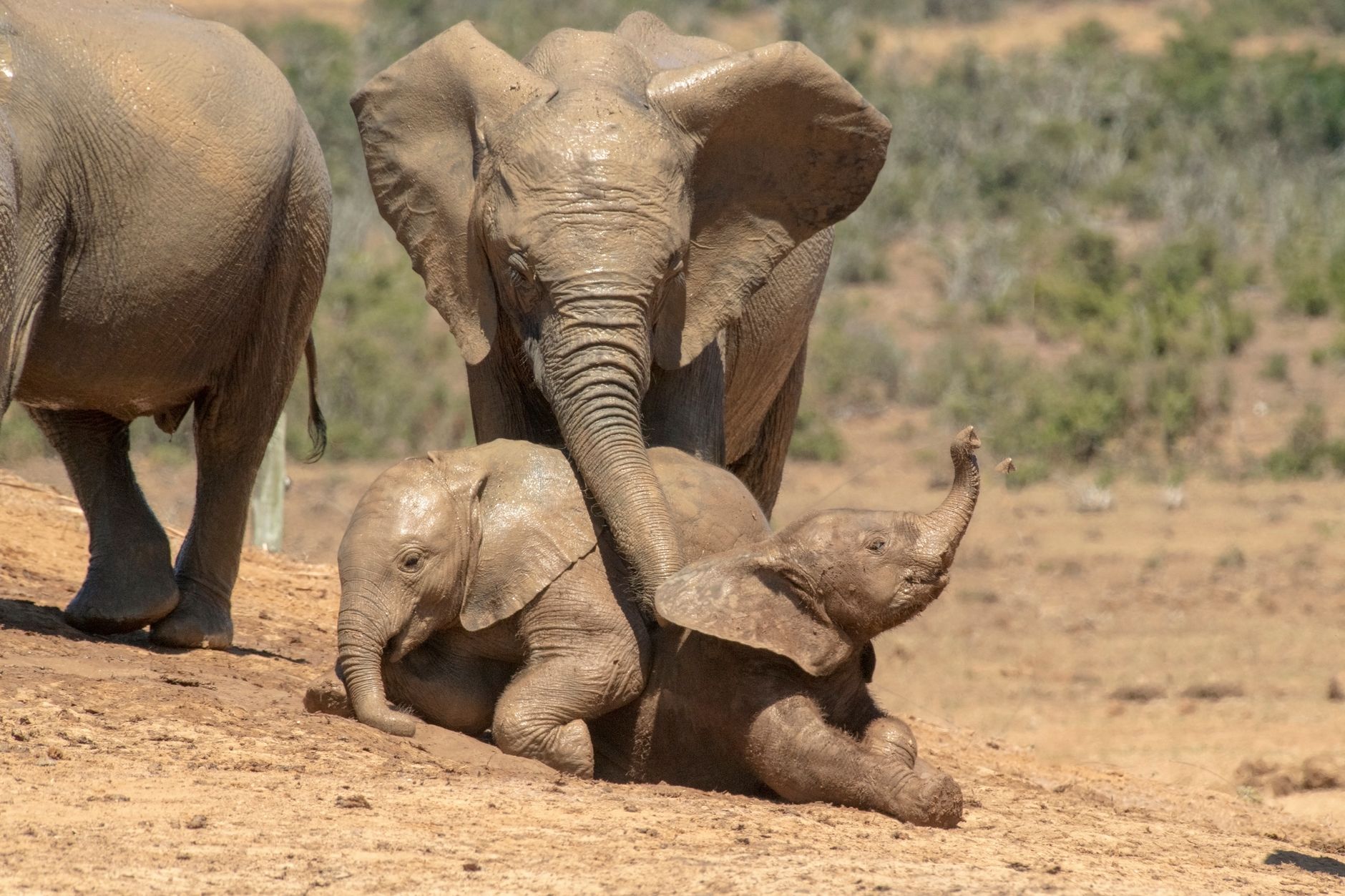
Planning a safari two years in advance shows a wonderful commitment to crafting the perfect journey. And by setting your sights on Zimbabwe in August, you have, perhaps unknowingly, chosen one of the most magical times to visit this incredible country. August is the heart of the cool, dry season, a month famed for its brilliant blue skies, comfortable days, and staggering concentrations of wildlife. To help you envision your future adventure, this guide provides an in-depth look at the zimbabwe safari weather august 2026, and what makes it the setting for an unforgettable experience.
The Heart of the Dry Season: Why August Shines
To understand August, one must first understand Zimbabwe’s seasons. The long dry season typically runs from May through October. During this period, rainfall is virtually non-existent across the country's prime safari regions. The landscape transforms, shifting from the lush green of summer to a palette of gold, khaki, and brown. The air is clear, free from the haze of the hotter months, and carries a crispness, especially in the mornings.
August sits in the sweet spot of this season. The chill of early winter (June and July) has begun to soften, but the intense, building heat of September and October is still weeks away. This results in a climate of pleasant contradictions: invigoratingly cold dawns that demand a warm jacket and beanie give way to gloriously sunny, mild afternoons perfect for lounging by a lodge pool. For photographers, the light is exceptional—soft and golden in the early morning and late afternoon, casting long shadows and illuminating the dust kicked up by a herd of buffalo in a way that feels utterly cinematic.
A Regional Look at Zimbabwe Safari Weather in August 2026
Zimbabwe is a country of diverse topography, and the weather in August can vary subtly from one park to another. Here’s a breakdown of what you can anticipate in the key safari destinations.
H3: Hwange National Park & Victoria Falls
As Zimbabwe’s largest national park, Hwange offers a quintessential safari experience. In August, expect morning game drives to start with temperatures hovering anywhere from 5°C to 10°C (41-50°F), occasionally dipping closer to freezing. As the sun climbs, it warms up beautifully to a comfortable 25-28°C (77-82°F) by midday. Humidity is very low, making the daytime warmth feel pleasant rather than oppressive. The sky is almost guaranteed to be a vast, uninterrupted blue.
H3: Mana Pools & the Lower Zambezi Valley
Situated at a lower altitude in the Zambezi Valley, Mana Pools is typically warmer than Hwange. August mornings are cool but not frigid, usually around 12-15°C (54-59°F), warming up to afternoons that can push past 30°C (86°F). This warmer climate makes the park’s famous walking safaris and canoeing adventures particularly enjoyable. The unique light filtering through the cathedral-like groves of albida trees is a hallmark of a Mana Pools experience at a lodge like Rukomechi Camp, and the August weather makes it comfortable to be out on foot or water for hours.
H3: Matobo Hills National Park
This UNESCO World Heritage Site is defined by its otherworldly landscape of granite kopjes (rocky outcrops). Its altitude means that temperatures in August are comparable to Hwange—cool mornings and mild, sunny days. The dry, clear weather is perfect for the park's main draw: tracking desert-adapted black and white rhinos on foot with an expert guide. The lack of dense vegetation makes spotting these magnificent animals against the backdrop of ancient rock formations a truly breathtaking experience.

Abundant Wildlife: The Gift of Dry Weather
While the pleasant climate is a bonus for us, it's the effect on the environment that creates such phenomenal game viewing. The dry weather is the primary driver behind the wildlife spectacle of August for two key reasons.
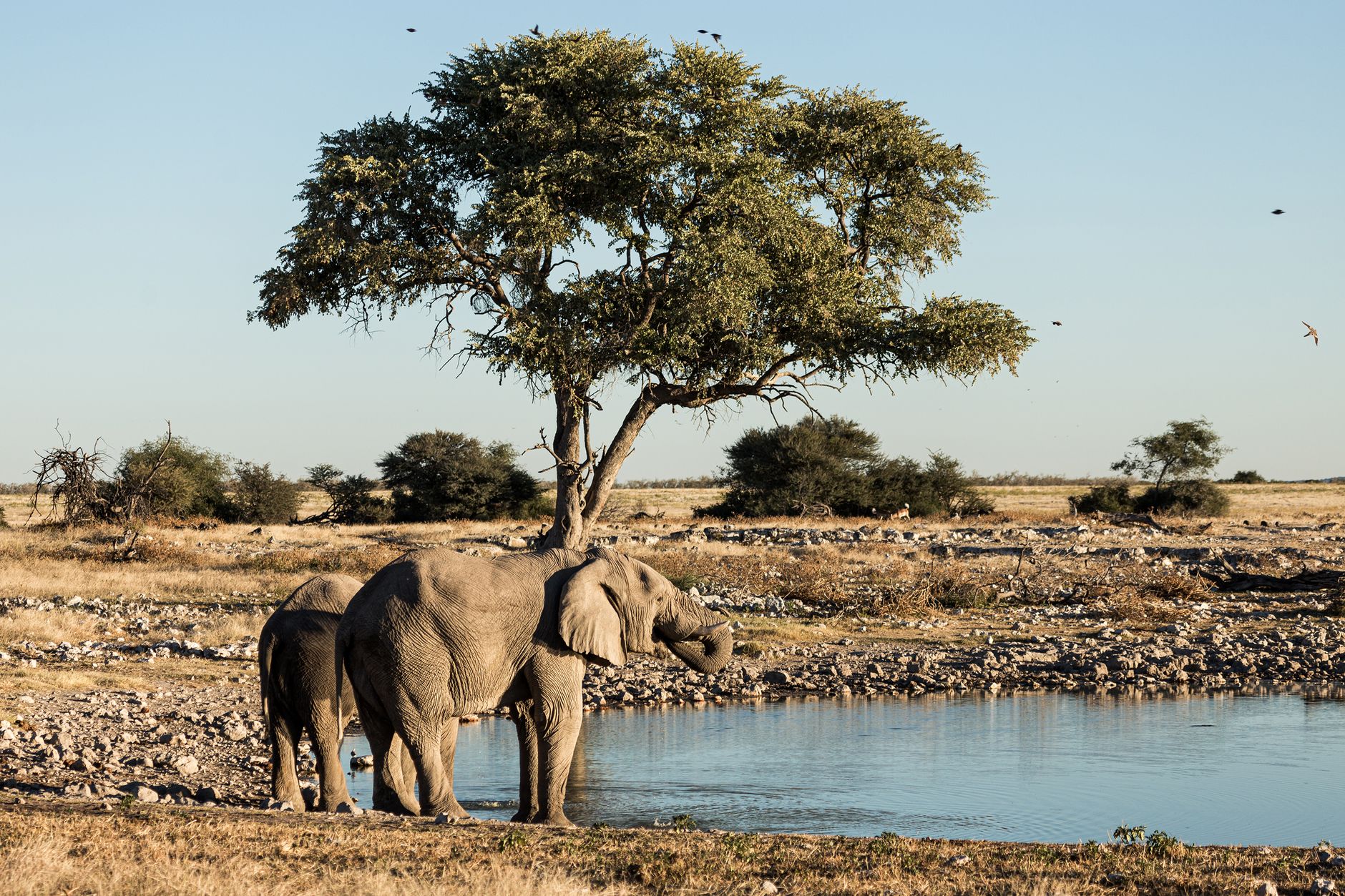
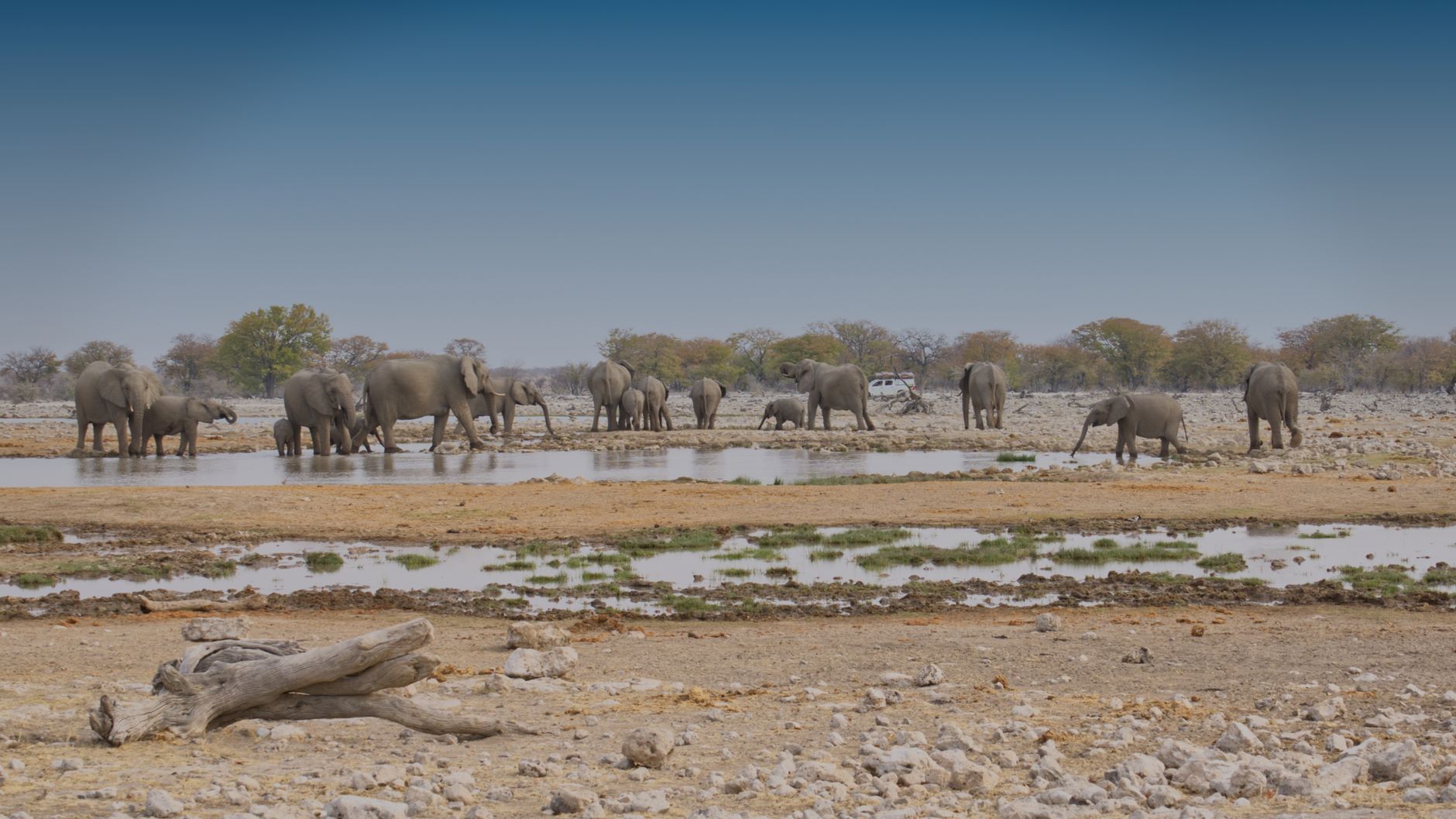
First, water becomes scarce. Natural pans and seasonal streams dry up, forcing animals to congregate around the few remaining permanent water sources—the rivers, pumped waterholes in parks like Hwange, and springs. This concentrates wildlife in predictable areas, turning a game drive into a series of incredible sightings as you move from one bustling waterhole to the next.
Second, the vegetation thins out dramatically. The dense bush of the wet season dies back, leaving sparse grasslands and leafless trees. This vastly improves visibility, making it easier to spot a leopard lounging in a sausage tree or a pride of lions resting in the shade. The drama of the bush is laid bare.
What you can expect to see:
- Vast herds of elephants and buffalo, often hundreds strong, moving between feeding grounds and water sources in Hwange and Gonarezhou.
- Predators, including lions, leopards, and endangered wild dogs, taking advantage of the concentrated prey and hunting near waterholes.
- Thrillingly close encounters with hippos, crocodiles, and water birds while canoeing on the Zambezi River in Mana Pools.
- An excellent chance of tracking and safely observing both black and white rhinos on foot in the Matobo Hills.
- Superb birding, as resident and migrant birds also gather at the limited water sources.
Packing for Your August Safari
Packing correctly is the key to comfort. The mantra for a Zimbabwean winter safari is simple: layers.
H3: Clothing Essentials
Your day will span a wide temperature range, so being able to add or remove clothing is crucial. For early mornings and evenings on an open safari vehicle, you will be grateful for a warm, insulated jacket or windbreaker, a fleece pullover, a beanie (woollen hat), and even a pair of gloves. As the day warms up, you'll shed these layers, revealing a comfortable t-shirt or light, long-sleeved shirt. We always recommend neutral, earthy colours like khaki, beige, green, and brown. Avoid bright colours and white, which stand out in the bush, and dark blues or blacks, which can attract tsetse flies in certain areas.
H3: Other Key Items
With the sun high and strong, a wide-brimmed hat, high-SPF sunscreen, and polarised sunglasses are non-negotiable. The air is very dry, so a good moisturiser and lip balm will be your best friends. And most importantly, bring a pair of quality binoculars. While your guide will have a pair, having your own means you won't miss a thing. For more ideas on what to do, you can explore our guide on activities beyond the game drive.
In essence, planning a trip around the zimbabwe safari weather august 2026 is a wise and rewarding decision. You are setting yourself up for an adventure defined by clear skies, comfortable temperatures, and wildlife viewing that ranks among the best in Africa. It is a time when the bush is at its most raw and dramatic, offering a window into the rhythms of survival that have played out on these plains for millennia.
An August safari is an experience that stays with you—the chill of the morning air, the warmth of the afternoon sun, and the sight of a thousand stars in a sky untouched by city lights. We invite you to explore our collection of curated lodges, each offering a unique gateway to the magic of Zimbabwe in its prime season.
Begin your Zimbabwe journey by browsing our exclusive lodges.
Ready to plan your trip?
Check live availability, compare lodges and book instantly — or send us an enquiry and we'll help shape the route.