Gonarezhou Rhino Conservation: A Story of Hope
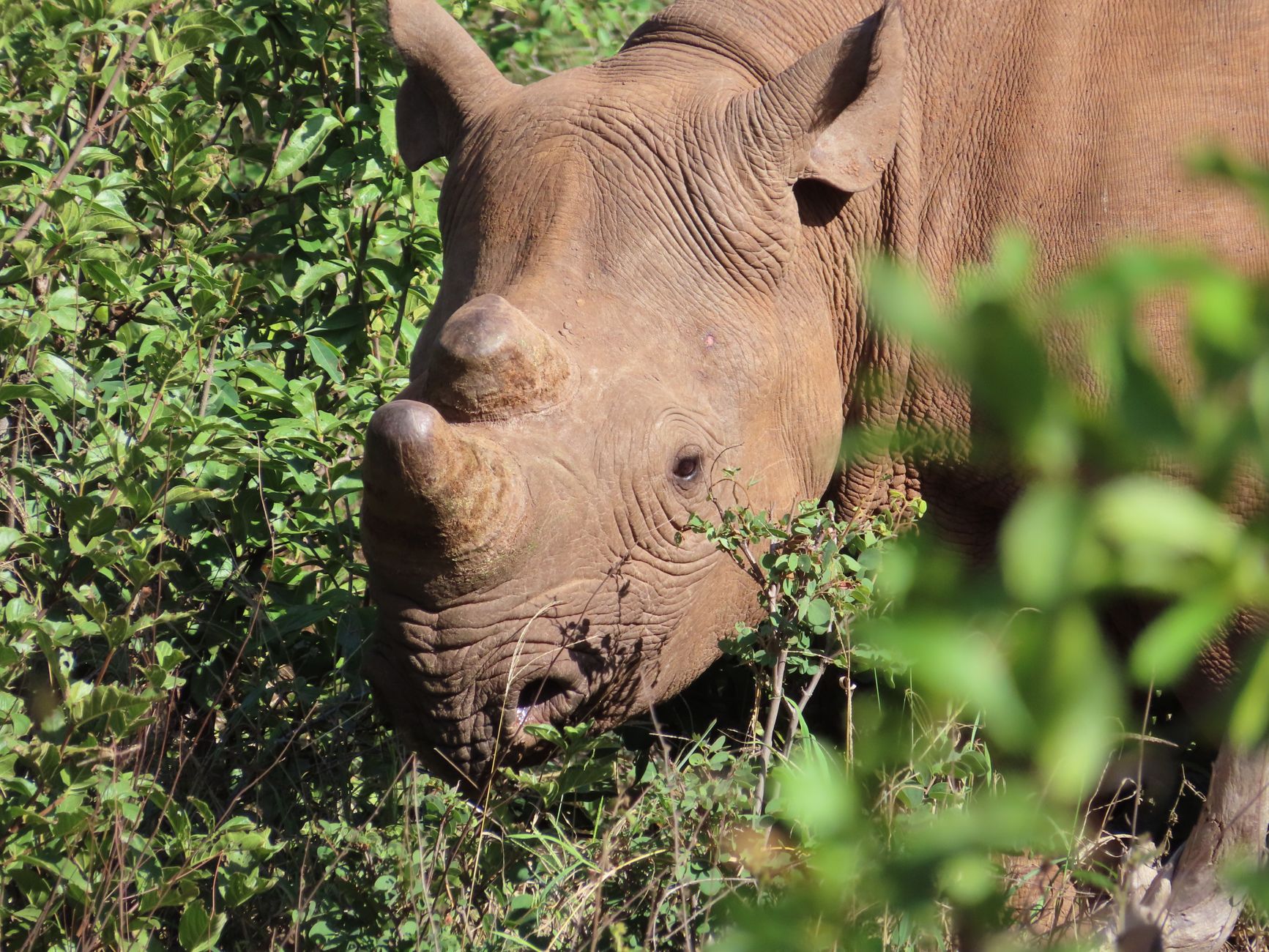
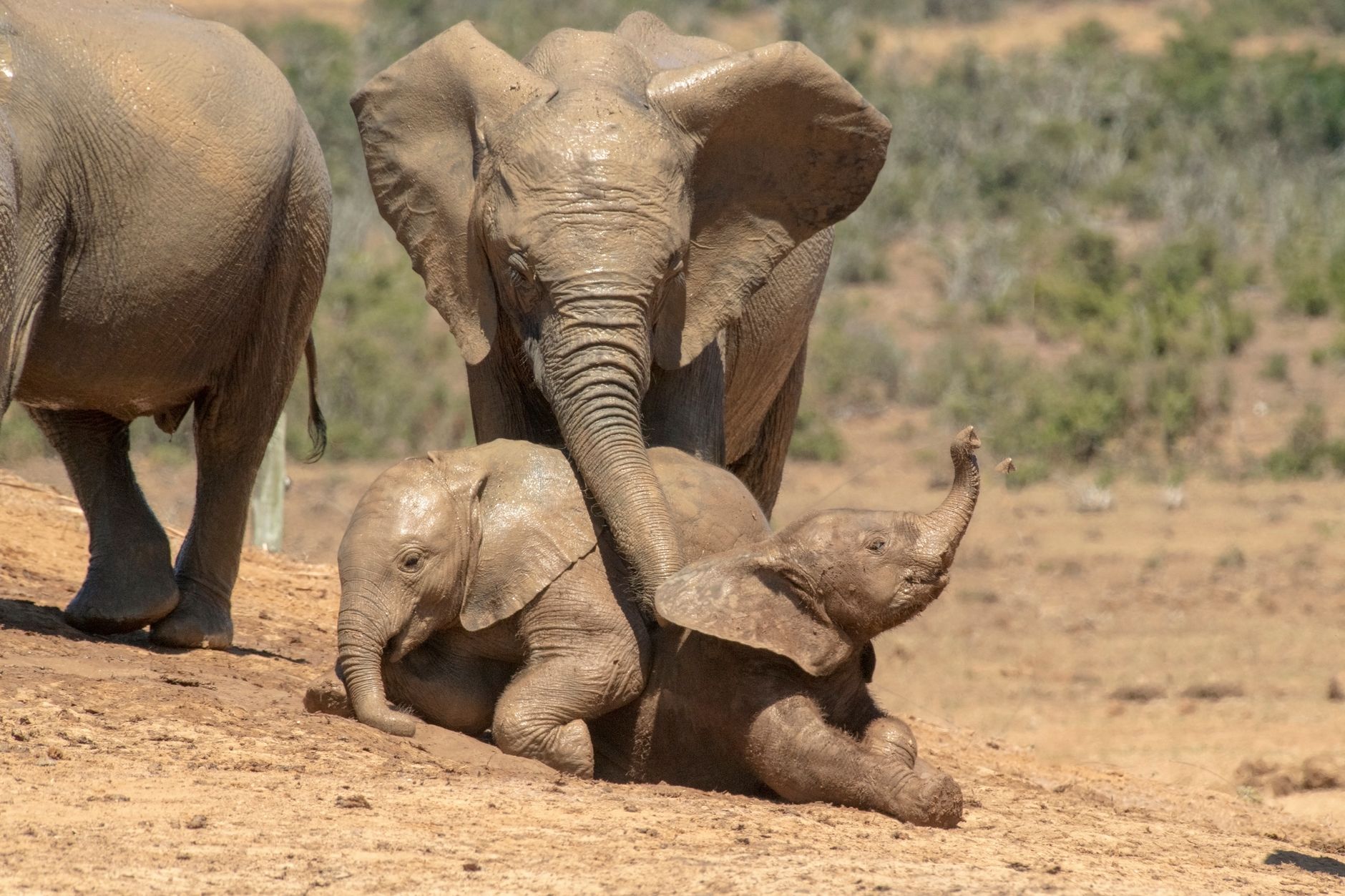
In the Shona language, Gonarezhou means ‘Place of Elephants.’ It is a name that beautifully captures the soul of this immense, rugged wilderness in Zimbabwe’s southeast. For decades, vast herds of elephants have roamed its mopane forests and dramatic river valleys. But for a painful period, another of Africa’s giants was missing. This is not a story of loss, but one of return; a quiet, determined, and deeply moving account of the Gonarezhou National Park rhino conservation effort, and how the black rhino came home.
The Ghost of the Past: Why Rhinos Vanished
To appreciate the triumph, we must first understand the challenge. Black rhinos once thrived across this landscape, a key part of its ancient ecological tapestry. However, like so many other rhino populations across the continent, they fell victim to the rampant poaching that swept through Africa in the latter half of the 20th century. The demand for rhino horn in international markets created immense pressure that overwhelmed the vast, unfenced wilderness.
By the early 1990s, Gonarezhou’s rhinos were declared locally extinct. It was a profound loss, a silence felt in the ecosystem and a stark reminder of the vulnerability of even the most powerful creatures. For nearly three decades, the great park, defined by its elephants, baobabs, and the stunning Chilojo Cliffs, existed without one of its most iconic inhabitants. The rhino had become a ghost.
A New Dawn: The Rhino Reintroduction Project
Hope, however, is a resilient force in the African bush. In 2007, a landmark partnership was formed: the Gonarezhou Conservation Trust, a collaboration between the Zimbabwe Parks and Wildlife Management Authority (Zimparks) and the Frankfurt Zoological Society (FZS). This trust ushered in a new era of management, funding, and long-term vision for the park. One of its most ambitious goals was to bring the rhinos back.
This was not a simple task. It required years of meticulous planning, securing the landscape, and building a conservation model that could ensure the rhinos would not only survive but truly thrive upon their return. The project was built on a foundation of science, security, and community.
The Intensive Protection Zone (IPZ)
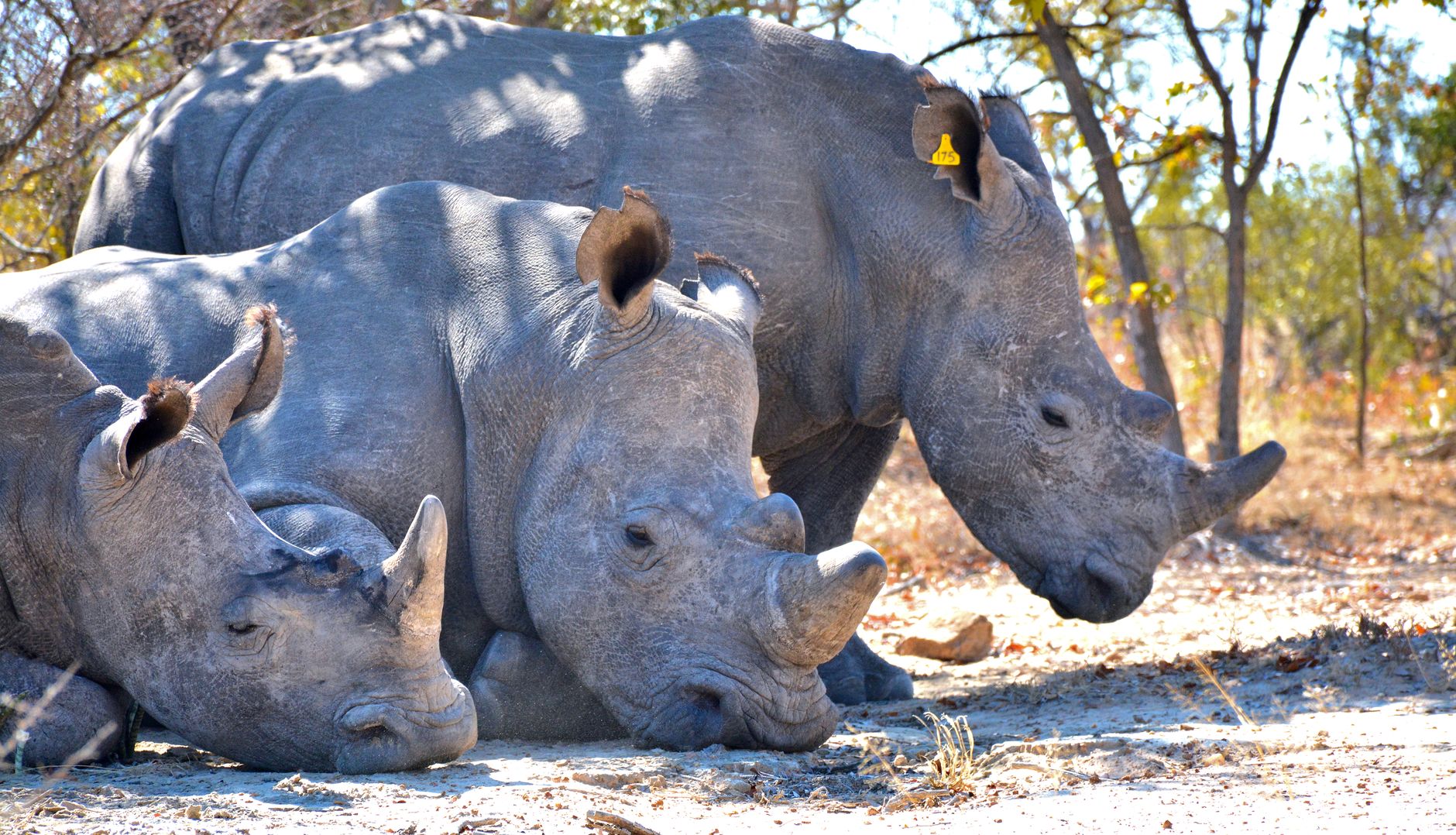
The first critical step was creating a sanctuary within the sanctuary. A core area of the park was designated as an Intensive Protection Zone (IPZ). This is not a zoo or a small enclosure, but a large, wild landscape where security is concentrated and monitoring is constant. The IPZ is the heart of the reintroduction project, protected by:
- Dedicated Ranger Teams: Highly trained and well-equipped anti-poaching units who patrol the IPZ day and night.
- Advanced Monitoring: The use of technology, from GPS satellite collars on the rhinos to camera traps and aerial surveillance, allows the conservation team to track the animals' movements, health, and security in real-time.
- Strategic Command: A central command centre coordinates all security efforts, ensuring rapid response to any potential threats.
This layered security model created a haven, making it safe to finally begin the translocation.
Community Collaboration is Key
Modern conservation understands that you cannot protect wildlife by building walls. You must build partnerships. The Gonarezhou Conservation Trust has placed local communities at the centre of its strategy. By ensuring that people living alongside the park benefit directly from its existence, conservation transitions from being a perceived burden to a shared asset.
Revenue from tourism is shared with surrounding communities, funding clinics, schools, and infrastructure projects. Furthermore, the park is a significant local employer, providing stable jobs in tourism, research, and, crucially, law enforcement, where many of the best rangers are recruited from the very communities that border the park. This inclusive approach has built an invaluable network of eyes and ears, fostering a culture of custodianship that is more effective than any fence.
The Success of the Gonarezhou National Park Rhino Conservation
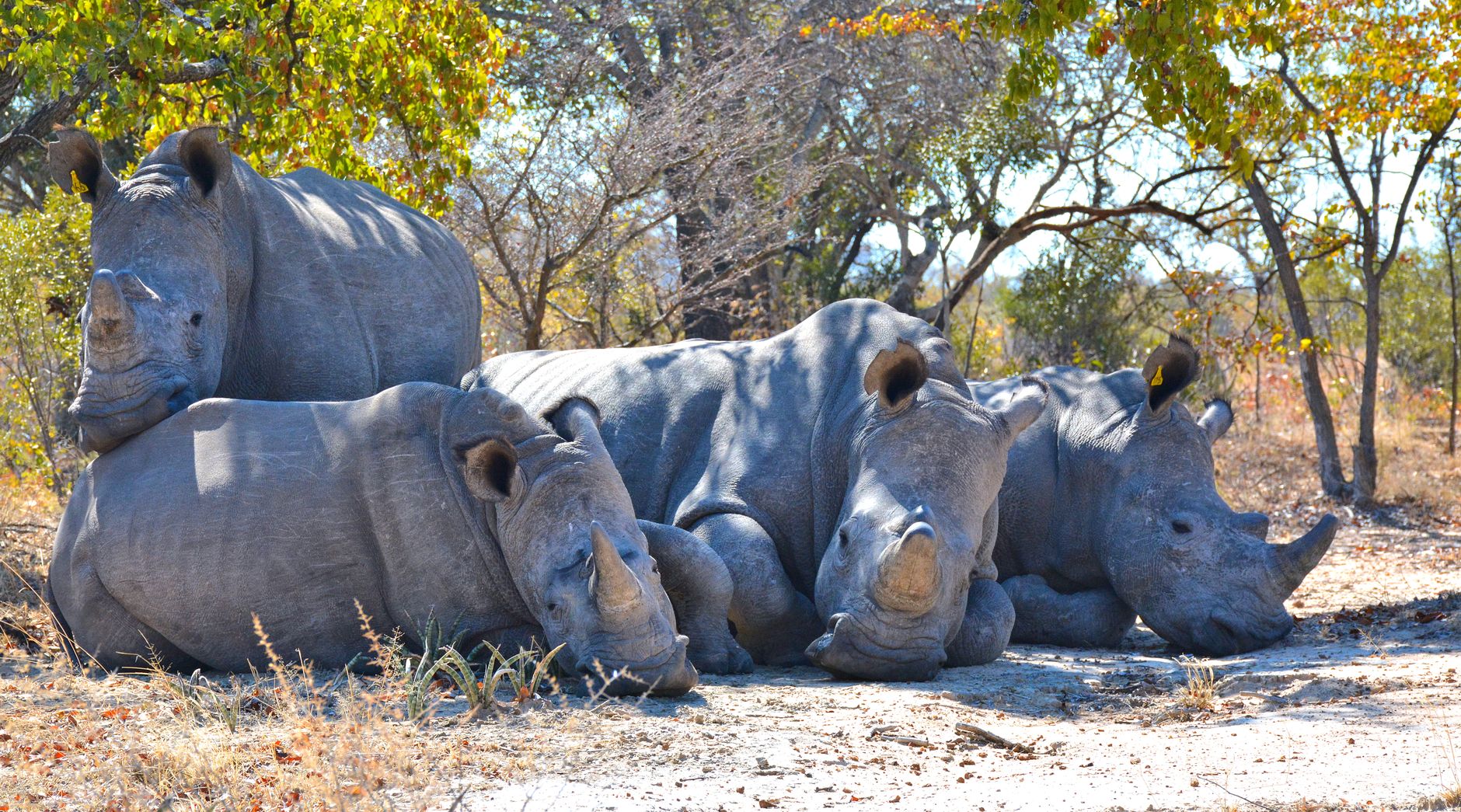
The careful, patient work paid off. In 2021, the first black rhinos were translocated from private reserves in Zimbabwe back into Gonarezhou. They stepped out of their transport crates and onto the red soil that their ancestors had roamed for millennia. It was a moment of profound significance for Zimbabwean conservation.
And the news only gets better. The reintroduced rhinos have adapted exceptionally well to their new home. Free to roam the vast, secure landscape, they are behaving as wild rhinos should. Most importantly, they are breeding. The birth of new calves in the park is the ultimate sign of success—a testament to a healthy environment and a secure population. It confirms that Gonarezhou is no longer just a temporary refuge, but a true breeding stronghold for this critically endangered species.
Today, seeing a black rhino against the backdrop of the Chilojo Cliffs is one of Africa’s most rewarding and exclusive wildlife experiences. It is a sighting that carries the weight of history and the promise of a brighter future. To find them, you join expert guides who understand their habits, tracking them on foot in a thrilling, respectful encounter. For more tips on your safari, you might find our guide to packing for Zimbabwe useful.
More Than Just Rhinos
While the returning rhinos are the stars of this story, they are part of a much larger picture of wilderness. A journey to Gonarezhou is a deep dive into an untamed world. It’s a place for the discerning traveller looking to escape the crowds and connect with nature on a profound level.
Here, you will find some of the largest elephant herds in Africa, thrilling encounters with packs of endangered wild dogs, and a burgeoning lion population. The birdlife along the Runde and Save rivers is spectacular. The landscape itself, from the palm-fringed Tembwahata Pan to the sun-baked plains, is a character in its own right. A stay at a lodge like Chilo Gorge Safari Lodge offers breathtaking views over the Save River, placing you right in the heart of this revival.
Ultimately, the success of the Gonarezhou National Park rhino conservation program is a beacon of hope. It stands as powerful proof that with long-term commitment, collaboration, and a holistic strategy that includes local communities, we can turn the tide. When you visit this wild corner of Zimbabwe's incredible southeast, you are not just a tourist; you are a witness to and a participant in one of Africa’s greatest contemporary conservation stories.
Feeling inspired by this incredible story of resilience? Gonarezhou offers one of Africa’s most profound wilderness experiences. Explore our collection of curated lodges in Zimbabwe and begin planning your journey to this wild heartland.
Ready to plan your trip?
Check live availability, compare lodges and book instantly — or send us an enquiry and we'll help shape the route.