Planning Your Kruger National Park Safari: The Complete 2026 Guide
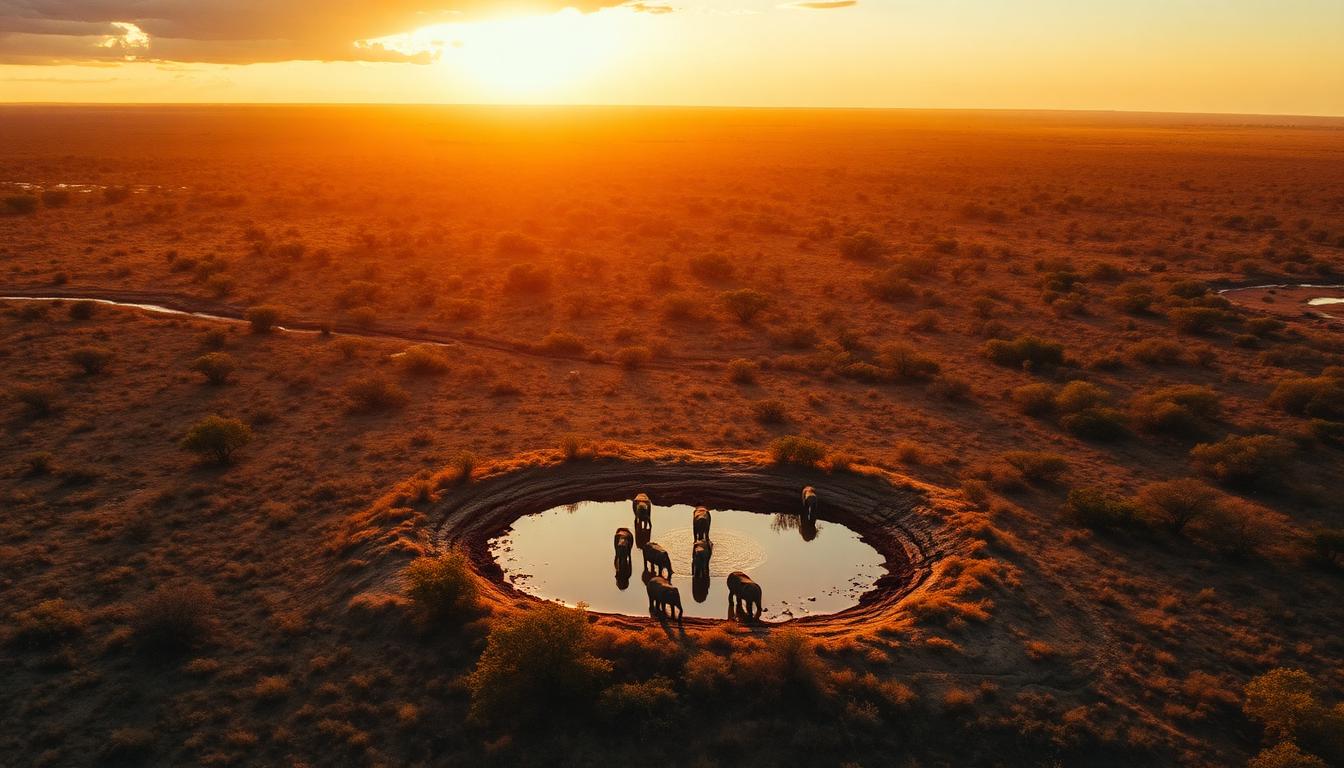
Kruger National Park is one of the greatest wildlife destinations on earth. Spanning nearly two million hectares across South Africa's Limpopo and Mpumalanga provinces, it is home to an extraordinary concentration of African wildlife — including all of the iconic Big Five. For international travellers from the UK, US, and Europe planning a South Africa safari, Kruger is almost always the centrepiece of the trip.
But planning a Kruger safari from abroad takes more than a Google search. The park is vast. The seasons matter enormously. And the difference between a good trip and an exceptional one often comes down to knowing exactly where to stay, when to arrive, and how to structure your days on the ground. This guide covers all of it.
🌍 Whether you are looking for a luxury private game lodge in the Sabi Sands, a self-drive adventure through the park's public rest camps, or something in between — Safari Stays South Africa has the accommodation and expertise to make your Kruger National Park safari unforgettable.
🦁 Why Kruger National Park?
Africa's Most Accessible Big Five Safari
Kruger National Park consistently ranks among the world's top safari destinations for a simple reason: it delivers. Unlike many African game reserves where sightings of all Big Five — lion, leopard, elephant, buffalo, and rhino — can require weeks of patience, Kruger's sheer size and diversity of habitat make multi-species sightings remarkably achievable, even on a short visit.
World-Class Infrastructure for International Visitors
For first-time safari travellers, Kruger offers something rare in the African wildlife world: genuine accessibility. The park has excellent tarred and gravel roads, a well-maintained network of rest camps and lodges, and an experienced tourism infrastructure built over more than a century. English is widely spoken. Flights from Johannesburg to Kruger Mpumalanga International Airport take under an hour. You can be watching elephants at a waterhole within hours of landing in South Africa.
Options for Every Budget
Few wildlife destinations on the continent offer the range that Kruger does. At one end of the spectrum sit world-renowned private game reserves like the Sabi Sands, Timbavati, and Thornybush — home to some of Africa's most celebrated luxury safari lodges, where ranger-guided game drives and all-inclusive stays redefine what a wildlife experience can be. At the other, SANParks-operated rest camps like Skukuza, Satara, and Lower Sabie offer excellent self-drive safari access at a fraction of the price, making Kruger genuinely viable for budget-conscious international travellers as well.
📅 Best Time to Visit Kruger National Park
Timing is one of the most important decisions you will make when planning a Kruger safari. The park's wildlife viewing quality, climate, and crowd levels shift significantly across the year. Here is what international visitors need to know:
🌵 Dry Season: May – September (Peak Season)
Widely considered the best time to visit Kruger for game viewing. Vegetation thins dramatically, animals concentrate around water sources, and the cooler, drier conditions make long game drives comfortable. Lion and leopard sightings peak during these months. Book accommodation well in advance — international demand is highest from June through August.
🌿 Shoulder Season: April & October (Best Value)
The transition months offer an excellent balance. The worst of the summer heat has passed by April, and October sees the first rains beginning to green the bush. Game viewing remains strong, lodge rates are often slightly lower than peak, and the park feels less crowded. A smart choice for value-conscious international travellers.
🌧️ Wet Season: November – March (Green Season)
The summer months bring afternoon thunderstorms, lush green landscapes, and the arrival of migratory birds — making this a paradise for wildlife photographers and birdwatchers. Game viewing is more challenging as animals disperse across the abundant water and vegetation, but the park is at its most dramatically beautiful. Significantly lower accommodation rates apply.
📌 South African School Holidays
Domestic tourism spikes sharply during South African school holiday periods — particularly in July and over the December–January summer break. International visitors from the UK and Europe travelling in July should book lodges and SANParks camps many months ahead, as availability becomes extremely tight.
🏆 Bottom line for international visitors: June, July, and August deliver the most consistent Big Five sightings and the most reliable weather. If your schedule allows, target this window. If not, May and September are close runners-up with slightly fewer crowds.
🐆 What to See: The Big Five and Beyond
Kruger National Park is one of the few places on earth where you have a genuine chance of seeing all five of Africa's most iconic species in a single visit.
🦁 Lion
Kruger is home to one of Africa's largest lion populations. The central regions around Satara and the Tshokwane area are particularly productive. Early morning and late afternoon game drives offer the best chance of finding prides active around waterholes.
🐆 Leopard
The leopard is the most elusive of the Big Five, but Kruger — and particularly the private reserves bordering the park — offers some of Africa's best leopard viewing. The Sabi Sands in particular is world-renowned for habituated leopards that allow vehicles to approach closely. Night game drives on private concessions greatly increase sighting opportunities.
🐘 Elephant
With a population exceeding 20,000, elephant sightings in Kruger are virtually guaranteed. They are encountered throughout the park, frequently crossing roads and visiting waterholes. The southern and central sections around Lower Sabie and Skukuza are particularly reliable.
🦏 Rhino
South Africa is home to the majority of the world's remaining white rhino population, and Kruger is one of the best places on the continent to see them in the wild. The southern section of the park around Pretoriuskop offers strong sighting rates. Both white and black rhino are present.
🐃 Buffalo
Massive herds of Cape buffalo are a regular feature of Kruger's open grasslands, particularly around the central and southern sections. They are frequently encountered at waterholes alongside lion, creating some of the park's most dramatic sighting opportunities.
🦒 Beyond the Big Five
Kruger's biodiversity extends far beyond its headline species. Cheetah, wild dog (one of Africa's most endangered predators), hippo, crocodile, giraffe, zebra, and an extraordinary diversity of antelope species make every game drive an unpredictable and rewarding experience. The park is also a world-class birding destination, with over 500 recorded bird species.
🏨 Where to Stay: Kruger National Park Accommodation
Kruger offers a wider range of accommodation than almost any other major African safari destination. Understanding the difference between your options is essential when planning from abroad:
💎 Luxury Private Game Lodges — Sabi Sands, Timbavati & Thornybush
The private game reserves that share an unfenced boundary with Kruger offer the pinnacle of the South African safari experience. All-inclusive stays include twice-daily ranger-guided game drives in open vehicles, bush walks, gourmet meals, and exceptional service. Night game drives — not permitted in the public park — are standard here. Properties like those in the Sabi Sands are consistently ranked among the best safari lodges in the world. These reserves are ideal for first-time international visitors wanting a truly immersive, guided wildlife experience with maximum sighting opportunity.
🌿 Concession Lodges Inside the Park
SANParks operates a number of private concessions within Kruger's boundaries — including Singita Lebombo, &Beyond Ngala, and others — that offer luxury lodge experiences with exclusive traversing rights over large sections of the park. These lodges combine the exclusivity of a private game reserve with Kruger's unmatched scale and biodiversity.
🏕️ SANParks Rest Camps — Self-Drive Safari
For independent travellers and those on a tighter budget, Kruger's network of SANParks-managed rest camps offers outstanding value. Skukuza (the park's largest), Satara, Lower Sabie, Berg-en-Dal, and Olifants each have their own character and wildlife specialities. Accommodation ranges from basic camping to comfortable chalets and bungalows. Self-drive game viewing on Kruger's road network is a genuinely world-class experience and allows complete freedom to set your own pace and itinerary.
🌄 Bushveld Camps & Exclusive Camps
For smaller groups seeking privacy without the price tag of a top-tier private lodge, Kruger's bushveld camps — Biyamiti, Talamati, Shimuwini, and others — are a hidden gem. These small, unfenced camps are exclusive to their guests, offer an intimate bush atmosphere, and sit in some of the park's most productive wildlife areas. They book out months in advance and are highly recommended for repeat visitors.
🏘️ Hazyview, Hoedspruit & Phalaborwa Gateway Towns
For travellers choosing to base themselves outside the park, the towns of Hazyview, White River, and Hoedspruit offer a range of mid-range guesthouses, boutique lodges, and self-catering options. This approach works particularly well for families combining a Kruger self-drive with day trips to the Panorama Route, Blyde River Canyon, or the Drakensberg escarpment.
✈️ Getting to Kruger National Park
International Flights
Most international visitors to Kruger fly into OR Tambo International Airport in Johannesburg (JNB) — one of Africa's major aviation hubs with direct connections from London Heathrow, New York, Frankfurt, Amsterdam, Dubai, and many other international gateways. From Johannesburg, Kruger is accessible by road (approximately five hours to the southern gates) or by a short domestic flight.
Domestic Flights from Johannesburg
Kruger Mpumalanga International Airport (MQP) near Nelspruit and Eastgate Airport near Hoedspruit both receive regular domestic flights from Johannesburg. Flight time is around 45 minutes, making this by far the most efficient option if you are heading directly to the southern or central sections of the park. Several private lodges in the Sabi Sands and Timbavati operate charter flight services from Johannesburg and Cape Town directly to private airstrips on their concessions.
Self-Drive from Johannesburg
The drive from Johannesburg to Kruger's southern gates — via the N4 to Malelane or Crocodile Bridge, or the N12/R40 to Phabeni and Paul Kruger Gate — takes approximately four to five hours on good tarred roads. Many international visitors choose to self-drive, combining their Kruger stay with a stop in the Panorama Route or Blyde River Canyon along the way. A standard sedan is perfectly adequate for the drive from Johannesburg; a 4x4 is only required if you plan to explore Kruger's more remote gravel roads in the northern sections.
Cape Town to Kruger
For visitors combining Cape Town and Kruger on a single South Africa itinerary — one of the most popular international travel combinations — domestic flights between Cape Town International and Kruger Mpumalanga Airport take approximately two hours. No road connection between the two is practical for a short trip; fly between them and save your days for game drives.
🕒 How Long to Spend in Kruger
Minimum: 3 Nights
Three nights in Kruger — whether in a private lodge or a SANParks rest camp — is the realistic minimum for a meaningful safari experience. With three nights you will complete at least four or five game drives, cover a reasonable portion of the park's road network, and have a strong chance of encountering the majority of the major species.
Recommended: 5–7 Nights
For international visitors who have flown specifically to South Africa for the safari experience, five to seven nights in the Kruger ecosystem is the sweet spot. This allows you to base yourself in two different areas of the park — for example, three nights in the Sabi Sands for guided luxury game drives and three nights self-driving from Satara in the central section — dramatically increasing the variety of wildlife and habitats you will encounter.
Extended: 10+ Nights
Serious wildlife photographers, repeat visitors, and those for whom Kruger is the primary purpose of their South Africa trip often stay ten nights or longer. The park's northern sections — Pafuri, Punda Maria, and the remote areas near the Limpopo River — are a completely different experience from the more-visited south, and genuinely reward extended exploration.
❓ Frequently Asked Questions: Kruger Safari Planning
Do I need a visa to visit South Africa for a Kruger safari?
Citizens of the UK, US, EU countries, Canada, and Australia do not require a visa for tourist visits to South Africa of up to 30 or 90 days (depending on nationality). Your passport must be valid for at least 30 days beyond your intended departure date and should have at least two blank pages. Always confirm current entry requirements with your country's foreign affairs department before travel.
Is malaria a risk in Kruger National Park?
Yes. Kruger National Park and the adjacent private game reserves fall within a malaria risk zone. International visitors should consult a travel health clinic or GP before departure to discuss appropriate malaria prophylaxis. Repellent, long sleeves at dawn and dusk, and staying indoors during peak mosquito activity are all recommended. The risk is highest during the wet summer months (November–March) and significantly lower during the dry winter season.
What is the difference between Kruger National Park and the Sabi Sands?
Kruger National Park is the vast public reserve managed by SANParks, open to self-drive visitors who pay a daily conservation fee to enter. The Sabi Sands Game Reserve is a private reserve that shares an unfenced boundary with Kruger's western border — meaning animals move freely between the two. The Sabi Sands is accessed exclusively through its member lodges, which offer all-inclusive guided safari experiences at a premium price point. It is world-famous for exceptionally close leopard sightings.
Can I self-drive in Kruger National Park?
Absolutely, and it is one of the great self-drive safari experiences in Africa. Kruger's road network is extensive and well-maintained, covering both tarred main roads and gravel secondary roads. Visitors drive their own vehicles between rest camps and game-viewing areas, following SANParks rules — including remaining in your vehicle at all times outside designated picnic spots, and adhering to camp gate opening and closing times. A standard rental car is sufficient for most of the park's roads.
How do I book SANParks accommodation in Kruger?
SANParks rest camps, bushveld camps, and exclusive camps must be booked through the SANParks online reservation system. Reservations for peak periods — particularly July and the December–January school holiday — open many months in advance and popular camps like Lower Sabie and Satara can fill within hours of the booking window opening. We recommend booking SANParks accommodation as early as possible, ideally 11–12 months in advance for peak dates.
What currency is used in South Africa and how do I pay?
The South African Rand (ZAR) is the local currency. Credit and debit cards are widely accepted at lodges, rest camps, and the park's shops and restaurants. ATMs are available at Skukuza and several larger rest camps. For international visitors from the UK, US, and Europe, the rand's exchange rate has historically made South Africa an excellent-value destination relative to comparable safari options in East Africa.
Is Kruger safe for international tourists?
Within the fenced camps, private lodges, and the park itself, Kruger is a safe and well-managed environment. As with any international travel, standard common-sense precautions apply — particularly in urban areas. Safari Stays South Africa's team is always available to advise on safe routing, reliable transport, and reputable operators for every stage of your South Africa journey.
🗺️ Sample Kruger Safari Itineraries
7 Nights: Classic Kruger & Sabi Sands
Nights 1–3: Sabi Sands private game lodge (all-inclusive, guided game drives, night drives, bush walks). Nights 4–6: Satara Rest Camp self-drive in the central section of Kruger — lion and cheetah country. Night 7: Overnight stop in Hazyview or White River before departure via Nelspruit.
10 Nights: Kruger, Panorama & Cape Town
Nights 1–4: Luxury private lodge in Timbavati or Thornybush. Night 5: Panorama Route — Blyde River Canyon, God's Window, Bourke's Luck Potholes. Nights 6–7: Lower Sabie Rest Camp for waterhole and river game viewing. Nights 8–10: Cape Town — Table Mountain, Cape Peninsula, Winelands. Fly between Nelspruit and Cape Town.
5 Nights: Focused Sabi Sands Luxury
For visitors with limited time who want maximum wildlife impact, five consecutive nights in a single Sabi Sands lodge allows you to go deep rather than wide. Your ranger will build a relationship with the local wildlife over successive drives — increasing the quality and intimacy of sightings significantly compared to moving between properties.
Ready to Plan Your Kruger Safari?
Safari Stays South Africa connects international visitors with the full spectrum of Kruger accommodation — from world-class private lodges in the Sabi Sands to exceptional self-drive options in the public park.
Start Planning Your Kruger TripReady to plan your trip?
Check live availability, compare lodges and book instantly — or send us an enquiry and we'll help shape the route.


