The Essential Addo Elephant Park Guide

There is a unique stillness to the Eastern Cape bushveld. It’s a landscape of dense, thorny spekboom thickets, dusty waterholes, and vast, blue skies that stretch into forever. At its heart lies a sanctuary of international acclaim: Addo Elephant National Park. More than just a place to see elephants, it is a testament to South Africa's enduring conservation spirit. To help you experience its full majesty, we’ve created this comprehensive Addo Elephant Park guide, drawing on our deep knowledge of this remarkable region.
A Sanctuary Forged in History
To truly appreciate Addo, one must understand its origin story. The park was proclaimed in 1931, not as a tourist destination, but as a last-ditch effort to save the region’s few surviving elephants. Human-wildlife conflict had decimated the once-great herds, leaving just eleven traumatised individuals on the brink of local extinction.
The task of protecting them fell to the park’s first warden, who faced the immense challenge of containing the elephants within a designated area. The result was a sanctuary where these magnificent animals could find peace. From those original eleven, the population has flourished into a thriving, healthy herd of over 600 elephants. Every sighting in Addo is a living, breathing connection to this powerful conservation legacy.
More Than Just Elephants: Addo’s Diverse Wildlife
While the park’s name honours its most famous residents, the biodiversity within its expanding borders is staggering. Addo is unique in that it is the only national park in the world to conserve the “Big 7”—a distinction created by extending the traditional Big 5 to include two magnificent marine species found in the park's coastal section.
What to look for:
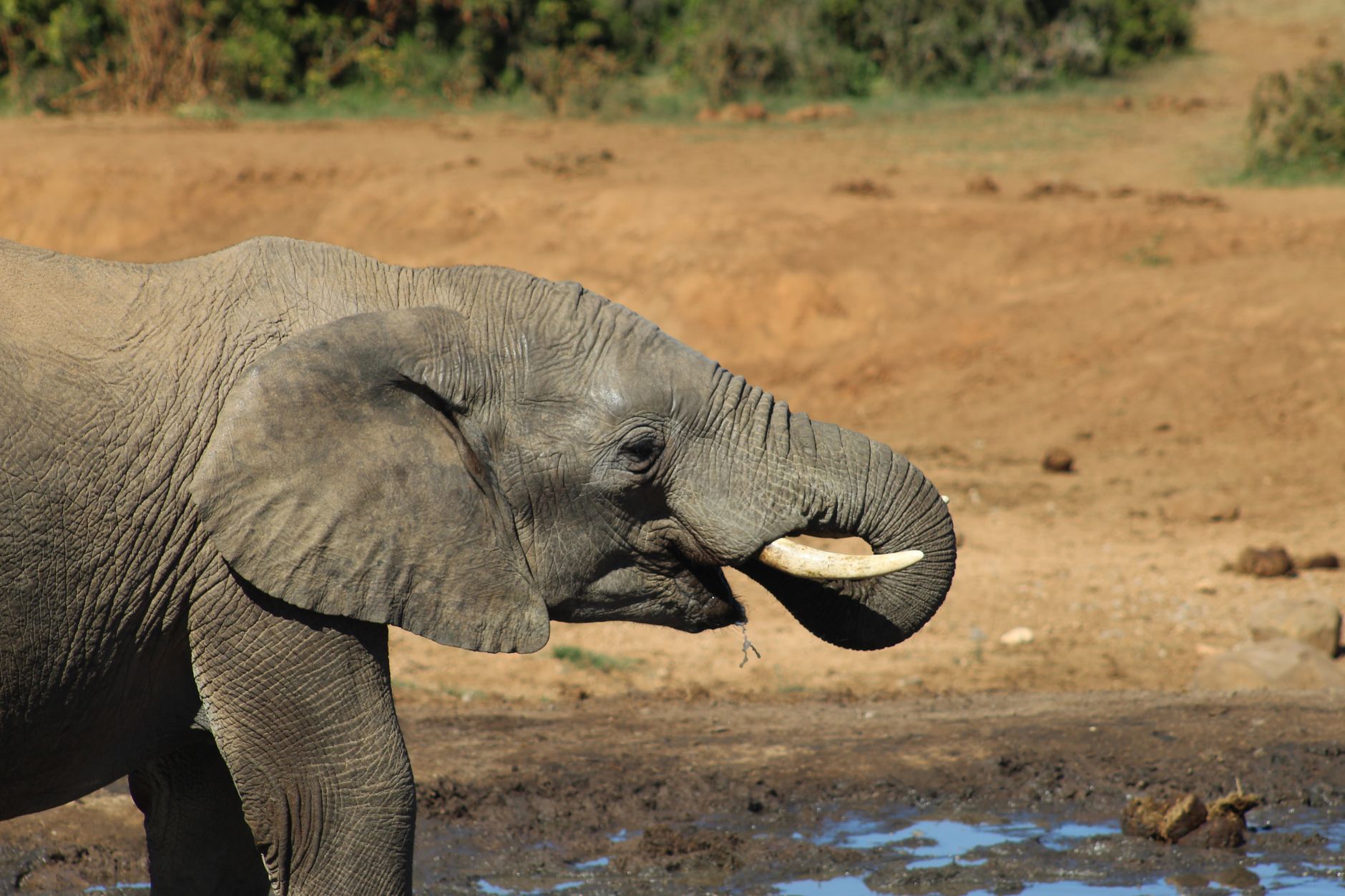
- African Elephant: The stars of the show, often seen in large family herds at waterholes.
- Black Rhino: The park is a vital stronghold for this critically endangered and elusive species.
- Lion: Reintroduced in the early 2000s, Addo’s lions are famously relaxed and often seen lounging near the roads.
- Cape Buffalo: These formidable bovines are disease-free and a common sight.
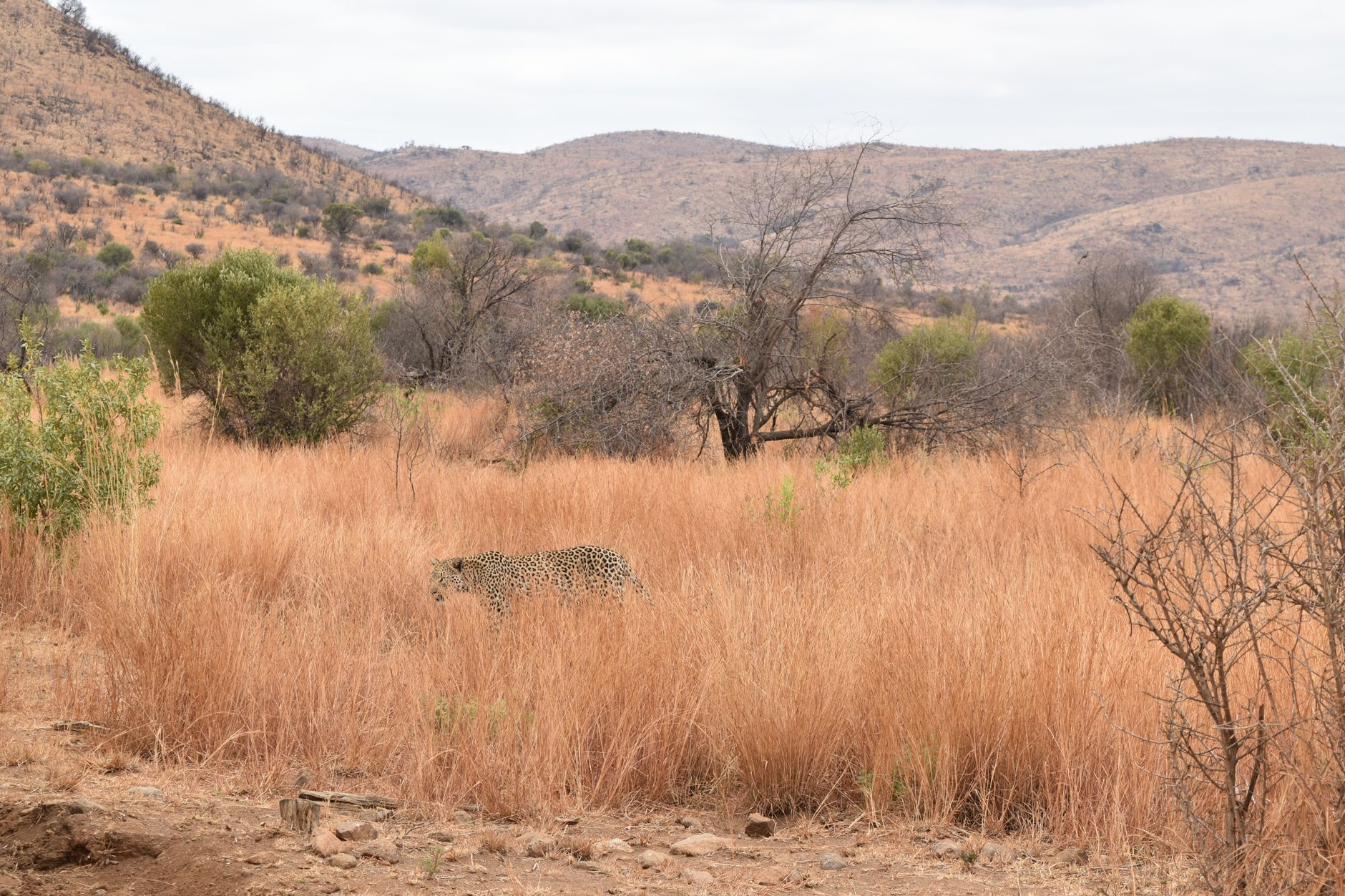
- Leopard: Secretive and rarely seen, but they patrol the park’s denser thickets and hills.
- Southern Right Whale: Spotted offshore from the park’s marine protected area between June and November.
- Great White Shark: Also found in the waters of Algoa Bay, part of the expanded park.
Beyond these icons, keep your eyes peeled for Burchell's zebra, red hartebeest, kudu, and warthogs. But perhaps the most unique resident is the flightless dung beetle. These fascinating insects are critical to the park’s ecosystem, and signs across the park will remind you to drive carefully to avoid harming them. Birding is also spectacular, with over 400 species recorded, from the striking Bokmakierie to the majestic martial eagle.

Your Essential Addo Elephant Park Guide: Planning Your Visit
Preparation is key to making the most of your safari. Addo is an accessible, year-round destination, but knowing the nuances of the seasons and how to explore the park will elevate your experience from a simple visit to a lifelong memory.
When to Visit
There is no 'bad' time to visit Addo, as each season offers a different perspective.
The dry winter months, from May to September, are often considered the best for game viewing. The vegetation is less dense, and animals are forced to congregate around the park’s waterholes, making them easier to spot. The days are mild and pleasant, though nights can be very cold.
The summer months, from October to April, transform the park into a lush, green paradise. This is the calving season, so you may be lucky enough to see baby animals. It’s also the prime season for birdwatching. However, temperatures can soar, and afternoon thunderstorms are common. Game viewing can be more challenging as animals disperse with plentiful water and thick vegetation for cover.
Getting There and Around
Addo is conveniently located just over an hour's drive from the city of Gqeberha (formerly Port Elizabeth), making it an incredibly accessible safari destination. It serves as a perfect start or endpoint for a journey along the famous Garden Route. The park is well-signposted and the main roads are suitable for all vehicle types. We recommend a vehicle with higher clearance for better visibility, but a 4x4 is not necessary for the main camp tourist roads.
Self-Drive vs. Guided Safaris
Addo is one of South Africa’s premier self-drive parks. The freedom to explore at your own pace, lingering at a sighting for as long as you wish, is a wonderful experience. The road network is easy to navigate, and the main waterholes are prime spots for spectacular sightings.
However, the value of a guided safari cannot be overstated. An experienced guide possesses a wealth of knowledge not just about animal behaviour, but about the flora, history, and geology of the park. Their trained eyes will spot a lion’s tail twitching in the grass or a rhino hidden in the thicket that you might otherwise miss. Many of the private lodges in and around the park offer exceptional guided drives in open-sided vehicles, providing a more immersive and informative safari.
Where to Stay: Lodges Near Addo
The park offers a range of national park-run accommodation, but for those seeking a more exclusive and luxurious experience, the surrounding private reserves and concessions are the answer. Staying at a lodge on a private concession, such as the exceptional Gorah Elephant Camp, places you right inside the national park but with access to exclusive-use areas, away from the crowds.
You gain the benefit of expert guiding, exquisite dining, and unparalleled service, all while being immersed in the wilderness. These lodges often have their own waterholes, attracting wildlife directly to your doorstep. For a curated selection of properties that meet Safari Stays’ exacting standards, you can explore our complete Eastern Cape collection.
Choosing the right base allows you to pair the thrill of the safari with the deep relaxation that comes from being in a beautiful, tranquil environment. It combines adventure with restoration, which is the very essence of a perfect safari holiday.
Addo Elephant National Park is a place of profound beauty and resilience. It’s where you can watch a herd of over a hundred elephants silently materialise from the spekboom, spend an hour with a pride of lions, and marvel at the intricate work of a tiny dung beetle. It’s a park that gets under your skin and stays with you long after you’ve left. We hope this Addo Elephant Park guide has inspired you to discover its magic for yourself.
Ready to plan your South African adventure? Explore our hand-picked collection of luxury lodges and begin your journey. Start by browsing our South African listings to find your perfect safari escape.
Ready to plan your trip?
Check live availability, compare lodges and book instantly — or send us an enquiry and we'll help shape the route.