A Guide to What to Pack for a Namibia Safari
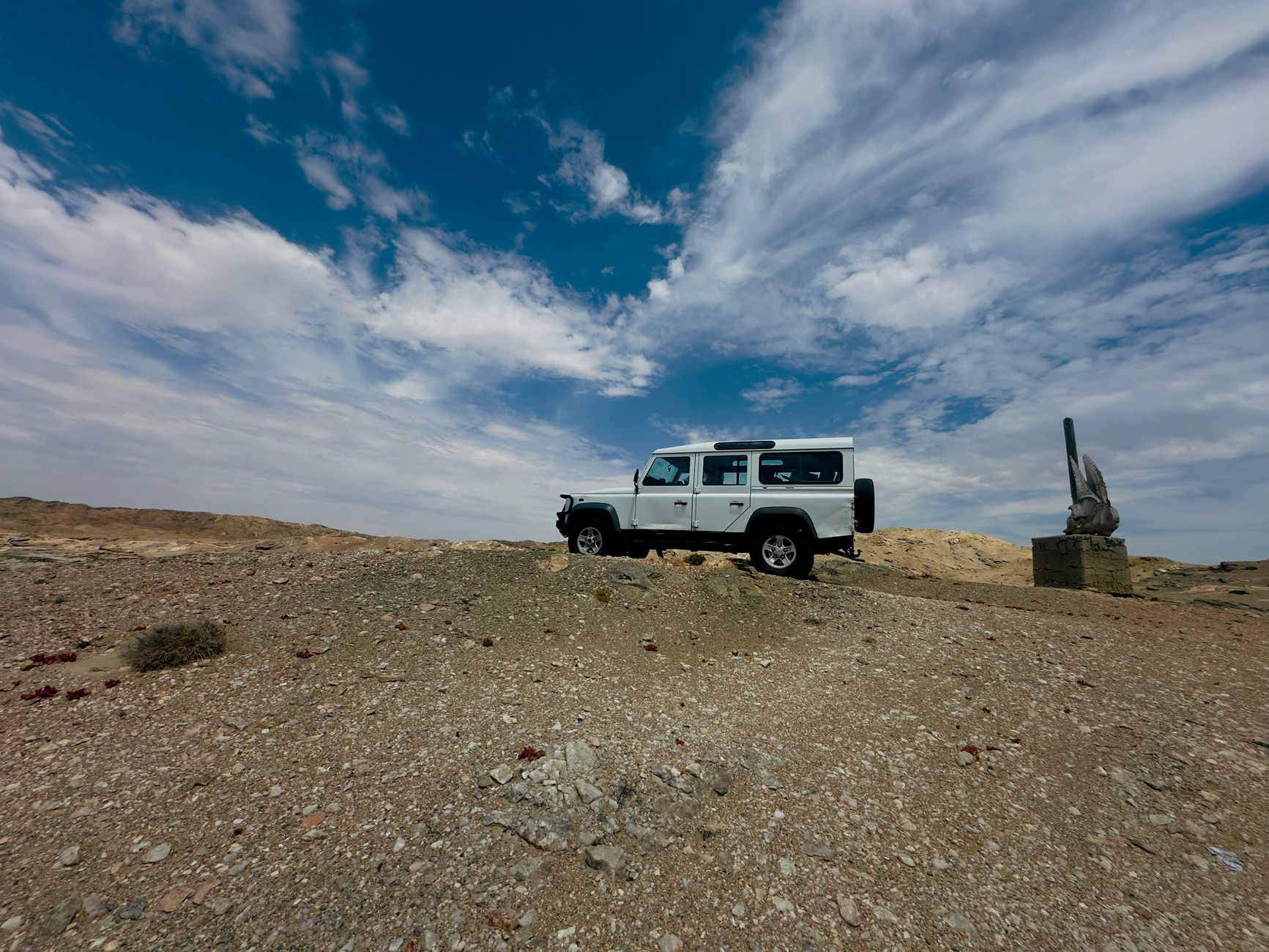
Namibia is a land of profound silence and startling beauty. It’s a country of shifting apricot dunes, vast salt pans shimmering under an immense sky, and rugged canyons carved by ancient rivers. Preparing for a journey here is more than just a logistical exercise; it’s the first step in immersing yourself in one of Africa’s most soul-stirring destinations. Understanding what to pack for a Namibia safari is key to unlocking a comfortable, seamless, and unforgettable experience, allowing you to focus on the magic unfolding before you.
From the frosty pre-dawn air on an Etosha game drive to the searing midday heat of the Namib Desert, Namibia’s climate is one of beautiful extremes. Your packing strategy should be built around versatility, practicality, and a quiet respect for the wild environment you are about to enter.
The Philosophy of Safari Packing
Before we dive into a specific list, it’s helpful to understand the principles behind safari packing. Two concepts are paramount: layering and neutral colours. These aren't just suggestions; they are time-tested practices that enhance your comfort and your wildlife viewing experience.
Layering: Your Climate Control
Temperatures in Namibia can swing dramatically within a single day. A morning game drive might begin in near-freezing temperatures, requiring a fleece and jacket, while the afternoon could see you seeking shade in just a light shirt. Layering allows you to adapt effortlessly. Think of your attire as a system: a base layer (like a t-shirt), a mid-layer (a long-sleeved shirt or fleece), and an outer layer (a windproof jacket).
Colour Palette: Blending In
The safari colour palette—khaki, beige, olive, and stone—is not just about aesthetics. These earthy, neutral tones help you blend into the landscape, making you less conspicuous to wildlife. Bright colours, especially white, can startle animals. Dark colours like blue and black are best avoided, as they can attract tsetse flies in some parts of Africa, and more universally, they absorb the intense sun, making you warmer.
Your Essential Namibia Safari Clothing List
With versatility in mind, your wardrobe should be concise and functional. Remember that most lodges, including our Safari Stays collection, offer laundry services, so you can and should pack light. Luggage restrictions on small charter flights—often a soft-sided duffel bag with a 15-20kg limit—also make mindful packing a necessity.
- Lightweight Long-Sleeved Shirts (2-3): These are perhaps the most useful items you can pack. They protect you from the sun during the day, provide a bit of warmth in the cool evening, and shield you from insects.
- T-shirts or Polo Shirts (3-4): Choose breathable fabrics like cotton or moisture-wicking blends to wear as your base layer.
- Comfortable Safari Trousers or Chinos (2-3 pairs): Trousers offer the best protection from the sun, scratches from thorny bushes on walking safaris, and insects. Convertible zip-off trousers are a practical option, giving you the choice of shorts during midday heat.
- A Fleece or Mid-weight Jacket (1): Absolutely essential for cold mornings and evenings. A good quality fleece is lightweight, warm, and packs down easily.
- A Windproof or Light Waterproof Jacket (1): While rain is infrequent outside the green season, a windbreaker is invaluable on the windswept Skeleton Coast and for cutting the chill on morning drives. We learned this lesson while exploring the dramatic coastline near Shipwreck Lodge.
- Smart-Casual Evening Wear: Evenings at a safari lodge are relaxed but refined. Pack a clean set of trousers or a simple dress and a warmer layer for dinners, which are often enjoyed al fresco under the stars.
- Sturdy, Closed-Toe Walking Shoes: Comfort is paramount. Choose a pair of trail shoes or walking boots that you have already broken in. You'll need them for guided walks or simply navigating the sandy pathways of your lodge.
- Sandals or Casual Shoes: Perfect for relaxing at the lodge or by the pool.
- Wide-Brimmed Hat: The Namibian sun is powerful. A good hat is non-negotiable for protecting your face and neck.
- Scarf or Buff: Incredibly versatile for sun protection, warmth, and keeping dust at bay on drives through arid regions like those found in Damaraland and Kaokoland.
- Swimsuit: Many lodges have beautiful pools that offer a welcome respite from the afternoon heat.
What to Pack for a Namibia Safari: Beyond the Wardrobe
Your duffel bag should contain more than just clothes. The right gear and accessories will elevate your trip from great to extraordinary. This is the part of your list that helps you capture the memories and stay comfortable in a remote environment.
Health and Toiletries
While lodges are well-equipped, the vast distances mean you should be self-sufficient with personal items.
- Personal Medication: Pack any prescription medications in your hand luggage, along with a copy of your prescription.
- High-SPF Sunscreen: A crucial item. Choose a factor of 30 or higher for your body and 50 for your face.
- Insect Repellent: While many parts of Namibia are low-risk for malaria, repellent is still essential for comfort, especially around riverbeds and in the evening. For more information on health and timing, see our guide on the best time of year to visit Namibia.
- Lip Balm with SPF: The air is exceptionally dry, and your lips will thank you.
- Basic First-Aid Kit: Include antiseptic wipes, plasters, pain relievers, and treatments for any personal sensitivities.
Optics and Electronics
Namibia is a photographer’s dream, and keen observation is the soul of safari.
- Binoculars: This is arguably the most important piece of safari equipment you can bring. A good pair of binoculars (8x42 or 10x42 are ideal) transforms a distant shape into a detailed sighting of a desert-adapted elephant or a far-off raptor.
- Camera, Lenses, and Extra Batteries: Whether you use a smartphone or a DSLR, ensure you have enough storage and power. The photographic opportunities are endless. A portable power bank is a wise investment, as charging facilities can sometimes be limited to certain hours.
- Universal Travel Adapter: Namibia primarily uses Type D and M plugs, so a universal adapter is essential for charging your devices.
- Headlamp or Small Torch: Indispensable for navigating your way back to your chalet after dinner without disturbing wildlife.
Documents and Essentials
- Passport and Visas: Ensure your passport is valid for at least six months after your departure date and has plenty of blank pages.
- Travel Insurance: Comprehensive travel and medical evacuation insurance is mandatory for any safari.
- Cash: While credit cards are accepted at major lodges, having some Namibian Dollars (NAD) or South African Rand (ZAR, which is legal tender) is useful for tips and small purchases.
- A Good Book: For quiet moments between activities, a book set in Africa can deepen your sense of place.
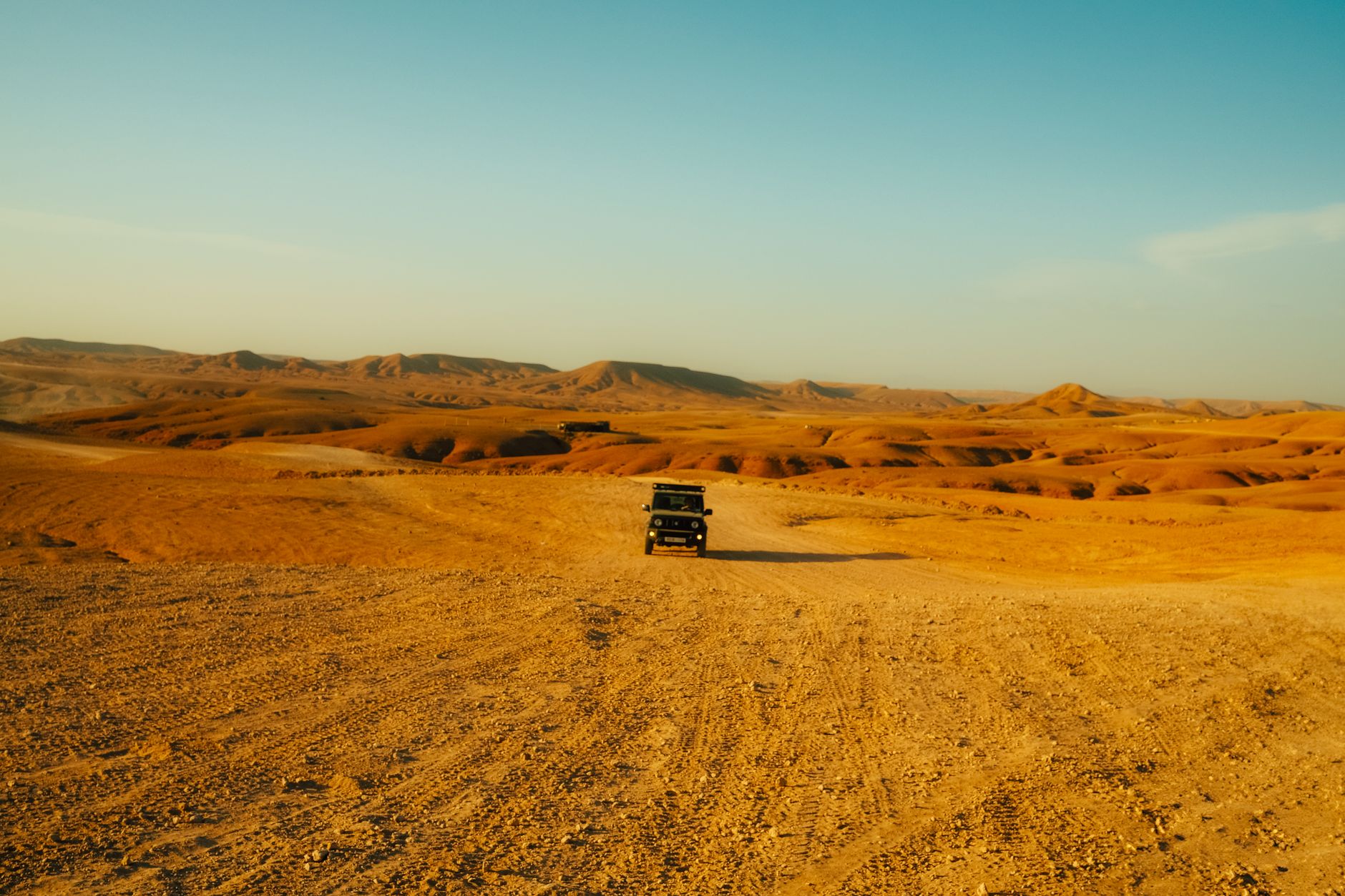
Packing for Namibia is about preparing for an adventure of scale and subtlety. By focusing on layered, neutral clothing and packing the right gear, you free yourself to fully engage with the environment. Your thoughtful preparation on what to pack for a Namibia safari will pay dividends when you're tracking black rhino on foot or watching a breathtaking sunset over the dunes, completely at ease and totally present.
Now that your bags are mentally packed, the real adventure awaits. The ochre dunes, ephemeral rivers, and star-filled skies of Namibia are calling. Explore our collection of handpicked lodges across this magnificent country and find the perfect sanctuary for your journey with Safari Stays.
Ready to plan your trip?
Check live availability, compare lodges and book instantly — or send us an enquiry and we'll help shape the route.