The Ultimate Guide to Sossusvlei: Dunes, Dead Vlei & Where to Stay
The Ultimate Guide to Sossusvlei: Dunes, Dead Vlei & Where to Stay
Sossusvlei is one of the most iconic landscapes on earth — a vast red dune sea in the heart of the Namib Desert, home to towering sand mountains, bleached salt pans, and the hauntingly beautiful Dead Vlei. For self-drive travellers in Namibia, it is a non-negotiable stop. This guide covers everything you need to know: when to visit, how to make the most of your time, and the best lodges to book for your stay near Sesriem.

Where is Sossusvlei and How Do You Get There?
Sossusvlei lies within the Namib-Naukluft National Park, approximately 340 km southwest of Windhoek. Most self-drive visitors approach via the C19 and D854, entering the park through Sesriem Gate. The gate opens at sunrise and closes at sunset — staying at a lodge inside or immediately outside the gate gives you a critical advantage: access before the day visitors arrive.
From Windhoek, allow 4 to 5 hours of driving. The road is tarred as far as Solitaire, with a well-maintained gravel section to Sesriem. A standard 2WD vehicle handles the route comfortably, though a 4WD is required to drive the last 5 km from the 2WD car park to the vlei floor itself — or you can hop on the shuttle that operates from the car park.
The Best Time to Visit Sossusvlei
Sossusvlei is accessible year-round, but the experience varies significantly by season.
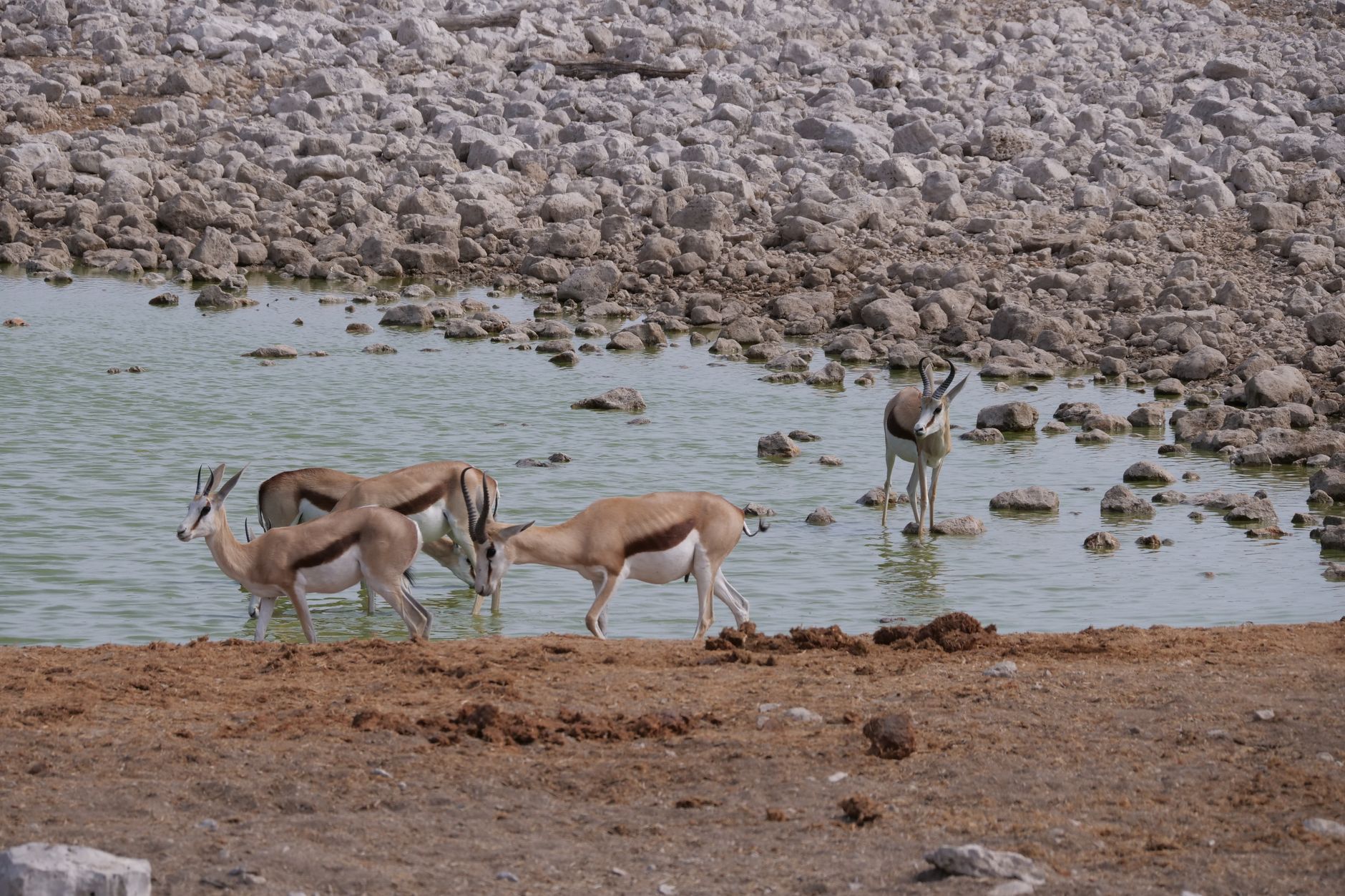
May to October (dry season) is the most popular time to visit. Temperatures are cooler, especially at night, and the dunes are at their most vivid orange-red in the early morning light. Wildlife sightings around the water points at nearby lodges are common during these months.
November to April (wet season) brings higher temperatures — regularly above 40°C in the vlei — but also occasional dramatic thunderstorms that transform the landscape. In rare flood years, water fills the vlei floor, attracting birds and creating extraordinary photographic opportunities. Prices are lower and crowds are thinner.
For the classic dune experience, aim for June through September.
Climbing the Dunes — Big Daddy, Dune 45 and Beyond
The two most popular dunes to climb are Dune 45 and Big Daddy.
Dune 45 is the most accessible, sitting 45 km from Sesriem Gate along the main road. It is the most photographed dune in Namibia and makes for a manageable early-morning climb. Most visitors reach the crest in 20 to 30 minutes. The views over the surrounding dune sea at sunrise are exceptional.
Big Daddy towers over the Dead Vlei clay pan and is the highest climbable dune in the area at around 325 metres. The ascent takes 45 to 60 minutes and is significantly more demanding — but the descent into Dead Vlei directly below is one of the great wilderness experiences in southern Africa.
Start your climb before 7am. After 9am, the sand becomes extremely hot and the ascent in direct sun is brutal.

Dead Vlei — Namibia's Most Photographed Scene
Dead Vlei (meaning "dead marsh" in Afrikaans) is a white clay pan surrounded by some of the tallest dunes in the Namib. Its defining feature is the collection of ancient camel thorn trees, dead for over 900 years but preserved by the extreme aridity — their blackened skeletons stark against the white pan floor and deep blue sky.
Dead Vlei lies a 1 km walk beyond the 2WD car park, or a steep descent from the crest of Big Daddy. Go as early as possible. By mid-morning the light flattens and the heat becomes intense. The best photography light is in the first hour after sunrise and in the hour before sunset, though the park road closes before dusk.
Sesriem Canyon — the Hidden Gem Nearby
Just 4 km from the Sesriem Gate, the Sesriem Canyon is often overlooked by visitors rushing to the dunes. Carved by the Tsauchab River over millions of years, the canyon descends up to 30 metres into the desert rock and stretches for nearly 1 km. In the dry season, a small pool of water persists at its deepest point — one of the only natural water sources in the area. It makes for an excellent late afternoon walk after returning from the vlei.
Where to Stay Near Sossusvlei
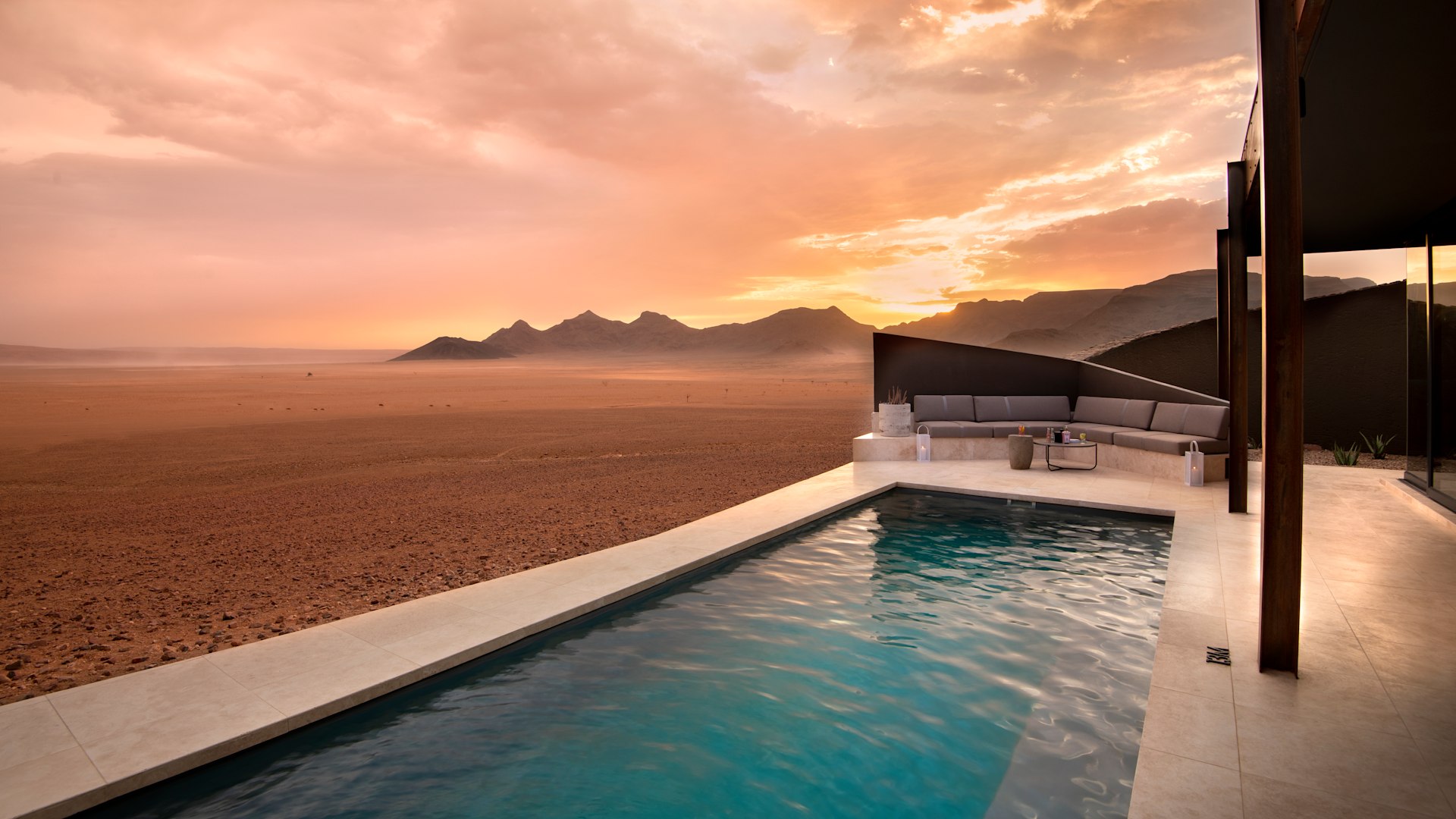
Accommodation near Sossusvlei ranges from luxury lodges to comfortable desert camps, and location matters enormously. Lodges inside the national park or at Sesriem Gate offer the priceless advantage of early gate access — allowing you to reach the dunes before day-trippers arrive from Sossus Dune Lodge, the only accommodation actually inside the park.
Outside the gate along the D854, a cluster of lodges provides excellent access and a more varied price range. These lodges sit in dramatic desert settings and many offer guided sunrise excursions to the dunes.
When planning your Sossusvlei visit as part of a broader self-drive route, most travellers allocate two nights — arriving in the late afternoon on day one (in time for Sesriem Canyon), spending day two on the dunes and Dead Vlei, and departing on the morning of day three.
Browse and book Sossusvlei lodges on SafariStays Namibia — curated self-drive accommodation with availability and rates from verified Namibian lodge partners.
Sossusvlei in Your Namibia Self-Drive Route
Sossusvlei fits naturally into both clockwise and counter-clockwise self-drive loops from Windhoek. The two most common pairings are:
Southern loop: Windhoek → Sossusvlei → Swakopmund → Damaraland → Etosha → Windhoek. This classic 10–14 day circuit covers Namibia's greatest highlights and is ideal for first-time visitors.
Desert-focused route: Windhoek → Fish River Canyon → Lüderitz → Sossusvlei → Swakopmund. A longer southern sweep suited to travellers with 14+ days who want fewer crowds and more remote scenery.
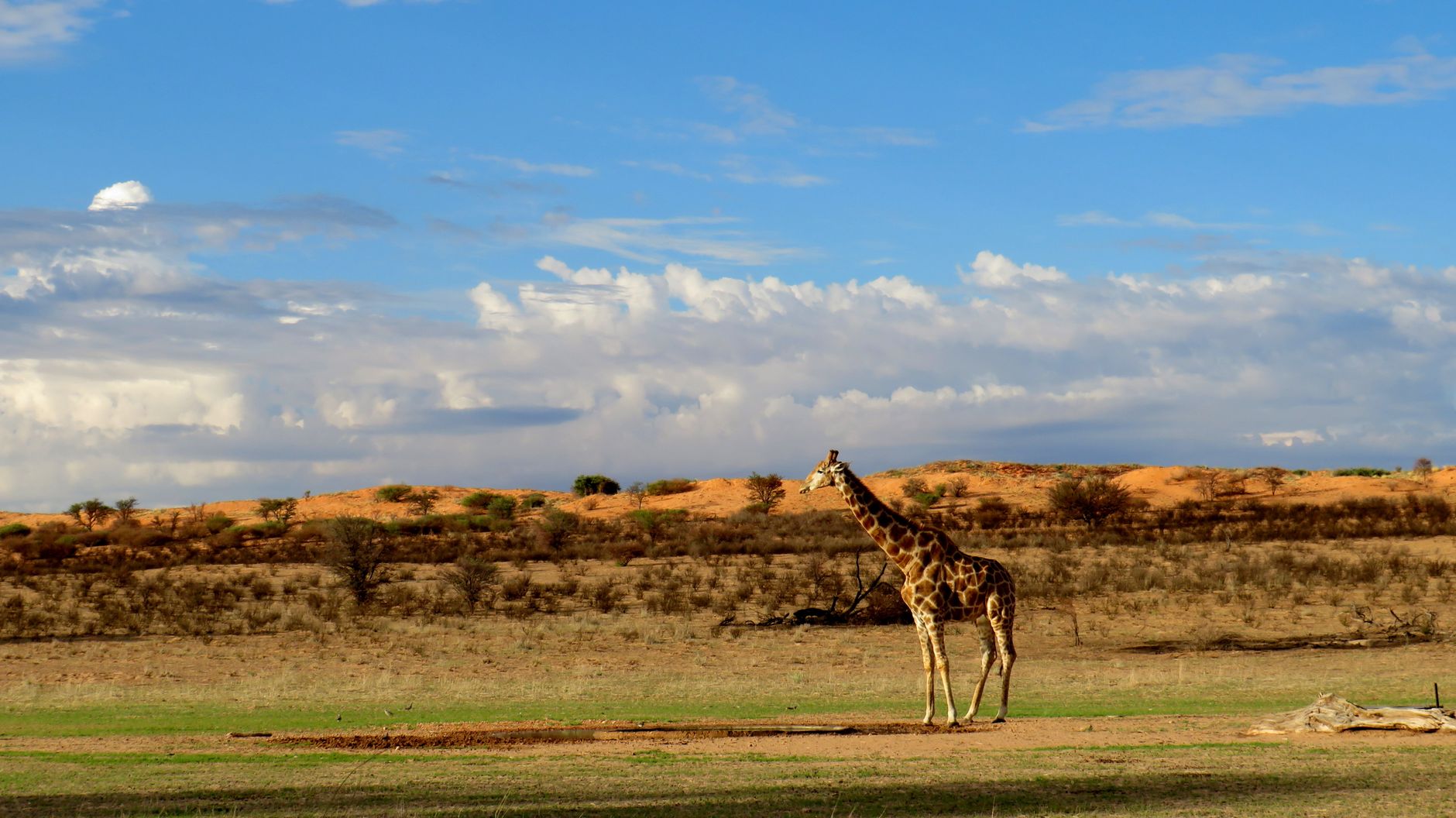
From Sossusvlei, the drive north to Swakopmund takes approximately 3.5 to 4 hours via Solitaire — a scenic stretch through the Namib with frequent oryx sightings along the way.
Essential Tips for Visiting Sossusvlei
- Carry at least 3 litres of water per person for any dune walk
- Wear closed shoes — sand gets extremely hot and soft sand makes open sandals impractical on the climb
- The 2WD car park is 5 km short of the vlei — either use the shuttle or hire a 4WD vehicle
- Sesriem Gate opens at sunrise: arriving at the gate in the dark means you enter the moment it opens
- Book accommodation well in advance for June to September — lodges fill months ahead during peak season
- Fuel up at Solitaire or Sesriem — there are no fuel stations inside the park
Ready to plan your Sossusvlei stay? SafariStays Namibia lists self-drive lodges throughout the Namib, with real availability from NightsBridge-connected properties. Browse Sossusvlei and Sesriem lodges, compare options, and build your Namibia route — all in one place.
Ready to plan your trip?
Check live availability, compare lodges and book instantly — or send us an enquiry and we'll help shape the route.