Top 5 Conservation Lodges in Namibia: Safari With Purpose
Top 5 Conservation Lodges in Namibia: Safari With Purpose
Namibia has one of the most progressive conservation models in Africa. Through a network of communal conservancies established in the 1990s, local communities manage and benefit directly from the wildlife on their land — creating a powerful incentive to protect it. The result is a country where wildlife populations outside national parks are actually growing, and where choosing the right lodge means your visit actively contributes to that story. These are five of the best conservation lodges in Namibia to consider for your self-drive safari.
Why Conservation Lodges Matter in Namibia
Namibia's communal conservancy system now covers over 20% of the country's land area and supports more than 86 registered conservancies. Revenue from tourism — lodge fees, guided activities, and community levies — flows directly to conservancy members, funding anti-poaching units, wildlife monitors, and community development projects including schools and clinics.
When you stay at a lodge embedded in this system, you are not simply visiting a beautiful place. You are part of the economic engine that makes conservation viable for the communities living alongside wildlife. This is what responsible travel in Namibia actually looks like in practice.
1. Damaraland Camp — Torra Conservancy, Damaraland
Damaraland Camp sits in the heart of the Torra Conservancy in one of Namibia's most dramatic landscapes — ancient lava flows, towering granite mountains and vast open plains where desert-adapted elephants follow ancient migration routes. It was one of the first lodges in Africa to be fully handed over to community ownership, and today the Torra Conservancy holds a majority stake and employs the majority of staff from surrounding communities.
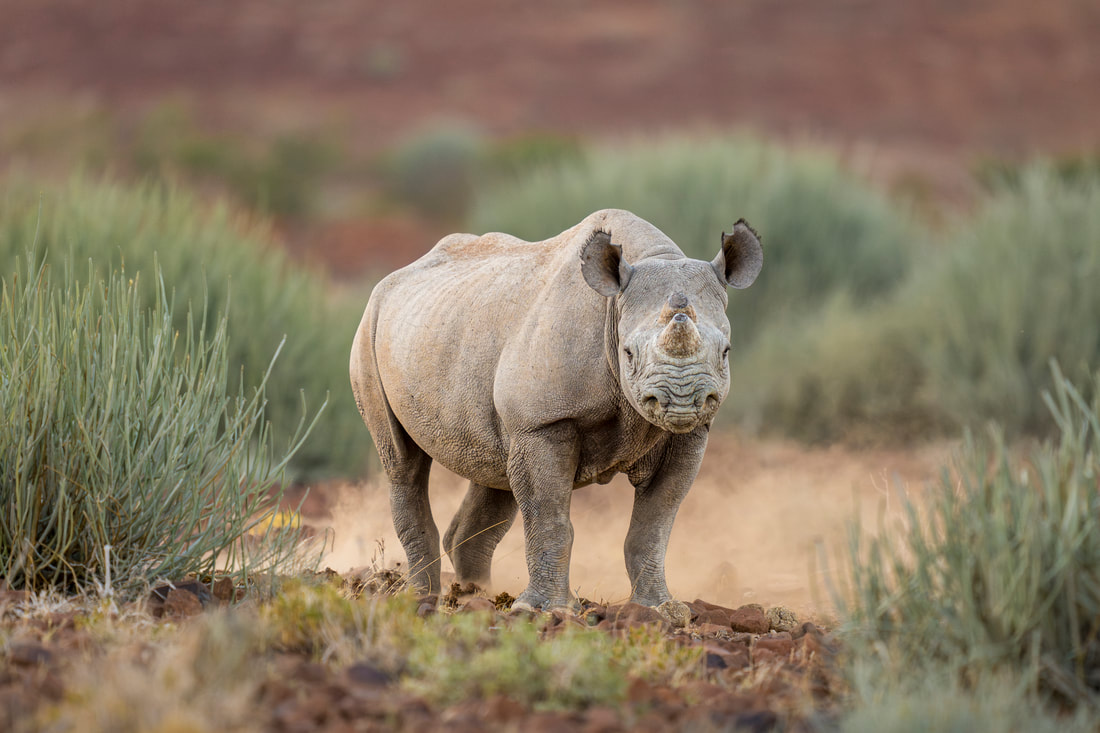
Activities focus on tracking desert-adapted elephant and black rhino on foot and by vehicle, with highly knowledgeable local guides leading every excursion. The lodge itself is beautifully designed — stone and canvas structures set into the hillside with panoramic views across the Huab River valley.
Damaraland sits naturally on the classic self-drive circuit between Swakopmund and Etosha. For everything you need to know about planning the northern leg of that route, read our Etosha Season by Season guide.
Conservation focus: Desert-adapted elephant and black rhino protection, Torra Conservancy community revenue sharing.
2. Wolwedans Dunes Lodge — NamibRand Nature Reserve
The NamibRand Nature Reserve is a private conservation area bordering the Namib-Naukluft National Park in southern Namibia — at 172,000 hectares, it is the largest private reserve in southern Africa. Established in the 1980s by combining former farmlands, NamibRand was created specifically to restore natural ecosystem function to land that had been degraded by livestock farming.
Wolwedans Dunes Lodge is the flagship property in the reserve — elevated wooden platforms and tented suites positioned on a dune ridge with extraordinary views across the red sand sea. It is a place of genuine remoteness and extraordinary beauty.
Staying here places you within striking distance of Sossusvlei, making it a natural pairing with a visit to the dunes. Our Ultimate Guide to Sossusvlei covers how to structure that portion of your route.
Conservation focus: Ecosystem restoration, wildlife reintroduction, dark sky preserve designation, sustainable building and operations.
3. Okonjima Bush Camp — AfriCat Foundation, Central Namibia
Okonjima Nature Reserve is home to the AfriCat Foundation, one of Africa's most respected large carnivore conservation organisations. AfriCat was established in 1993 with a focus on rehabilitating leopard and cheetah rescued from farmland conflict — animals that would otherwise have been killed by farmers protecting livestock.
Okonjima Bush Camp offers an intimate, unfussy experience with guided tracking of resident leopard and cheetah fitted with monitoring collars. Sightings are not guaranteed — this is genuine wilderness — but success rates are high and the experience of tracking a wild leopard on foot through Namibian bush is extraordinary.
Okonjima sits on the B1 highway between Windhoek and Etosha, making it a natural overnight stop that adds genuine conservation value to your route. Many self-drive travellers include it as their final night before returning to Windhoek.
Conservation focus: Leopard and cheetah rehabilitation and release, human-wildlife conflict mitigation, farmer education programmes.
4. Ongava Tented Camp — Ongava Game Reserve, Etosha Border
Ongava Game Reserve shares a 45 km unfenced boundary with Etosha National Park's southern border, and is one of the most wildlife-rich private reserves in northern Namibia. Ongava is home to both white and black rhino — including a successful breeding population — as well as lion, cheetah, leopard and an extraordinary density of general game.
Ongava Tented Camp is the reserve's most intimate property — just eight tents positioned at a busy waterhole where game arrives day and night. Being adjacent to Etosha means guests enjoy the best of both worlds: guided game drives and bush walks inside the private reserve, combined with self-drive access into Etosha itself through the Anderson Gate a short drive away.
For timing your Etosha visit alongside a stay at Ongava, our Etosha Season by Season guide is essential reading.
Conservation focus: White and black rhino breeding programme, lion monitoring, anti-poaching operations across the Ongava reserve.
5. Shipwreck Lodge — Skeleton Coast National Park
The Skeleton Coast is one of the most remote and elemental places on earth — a fog-shrouded coastline of shipwrecks, seal colonies, roaring surf and vast desert plains stretching east to the horizon. For years it was accessible only on fly-in safaris. Shipwreck Lodge changed that.
Built from reclaimed materials in the form of shipwrecked vessels half-buried in the dunes, Shipwreck Lodge sits inside the Skeleton Coast National Park and offers the only lodge-based access to this extraordinary wilderness for self-drive visitors. The lodge operates in close partnership with the national park authority and local Himba communities to the north.
Activities include guided walks to seal colonies, 4WD excursions into the dune fields, and guided cultural visits. The landscape is unlike anywhere else in Namibia — or on earth.
Note: the Skeleton Coast requires a genuine 4WD vehicle and reasonable off-road experience. It is not suitable as a first-time Namibia destination without preparation. If you are planning your first trip, start with our Complete Guide to Your First Self-Drive Safari in Namibia before adding the Skeleton Coast to your itinerary.
Conservation focus: Skeleton Coast ecosystem protection, Himba community partnership, sustainable tourism infrastructure in a restricted national park.
How to Choose the Right Conservation Lodge for Your Route
The best conservation lodge for your trip depends on your route, your budget, and what kind of experience you are looking for.
If wildlife tracking and intimate guiding is your priority, Okonjima and Damaraland Camp stand out. If landscape and design matter as much as wildlife, Wolwedans and Shipwreck Lodge are extraordinary. If you want to combine a conservation stay with Etosha game viewing, Ongava is the natural choice.
All five properties sit on or close to the classic self-drive circuit, meaning they can be incorporated into a standard 10–14 day route without significant detours.
Book Conservation Lodges Through SafariStays Namibia
SafariStays Namibia lists conservation lodges across Namibia's self-drive routes, with real availability from verified NightsBridge-connected properties. Browse options by region, compare lodge types, and build a route that puts your travel budget directly into Namibia's conservation economy.
Ready to plan your trip?
Check live availability, compare lodges and book instantly — or send us an enquiry and we'll help shape the route.