Your Guide to a Self Drive Namibia Rental Car
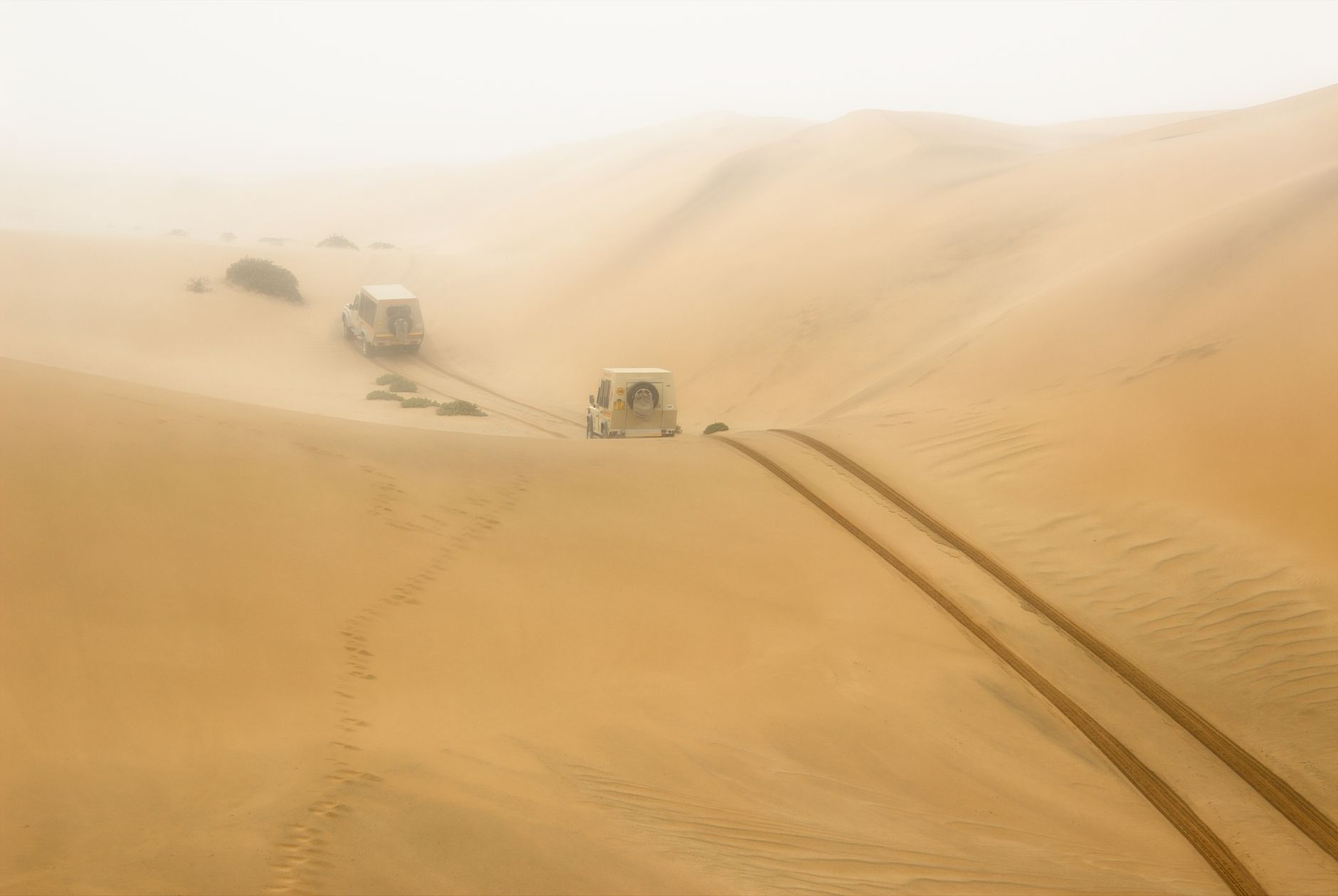
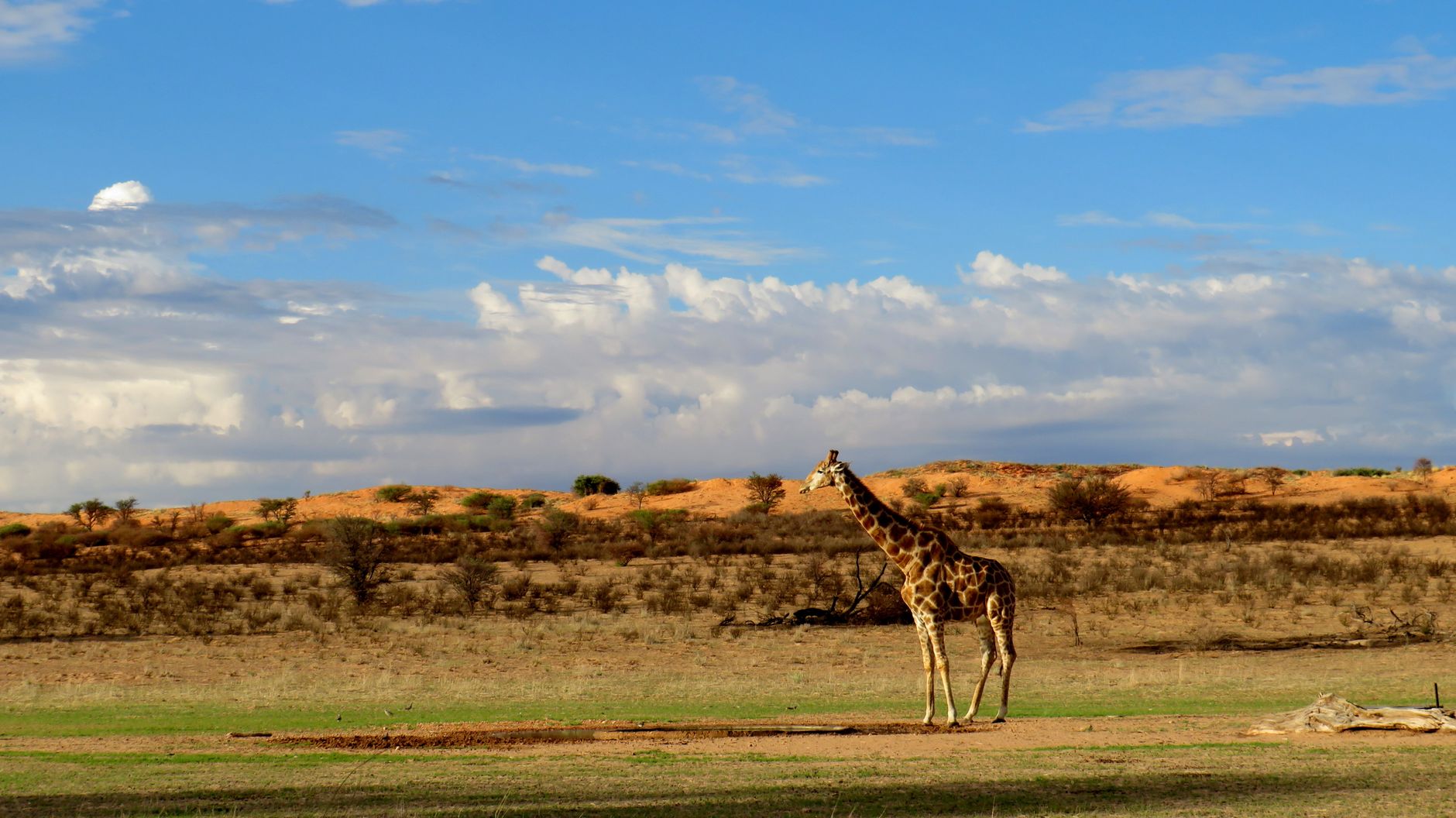
There is a unique sense of freedom that comes with a Namibian road trip. It’s the allure of the open road, the promise of vast, star-dusted skies, and the thrill of encountering desert-adapted wildlife against a backdrop of ochre dunes and shimmering salt pans. To unlock this incredible experience, your most important decision happens before you even land: choosing the right self drive Namibia rental car. This single choice will define the comfort, safety, and reach of your journey into one of Africa's most breathtaking landscapes.
Why a Self-Drive Tour is the Ultimate Way to See Namibia
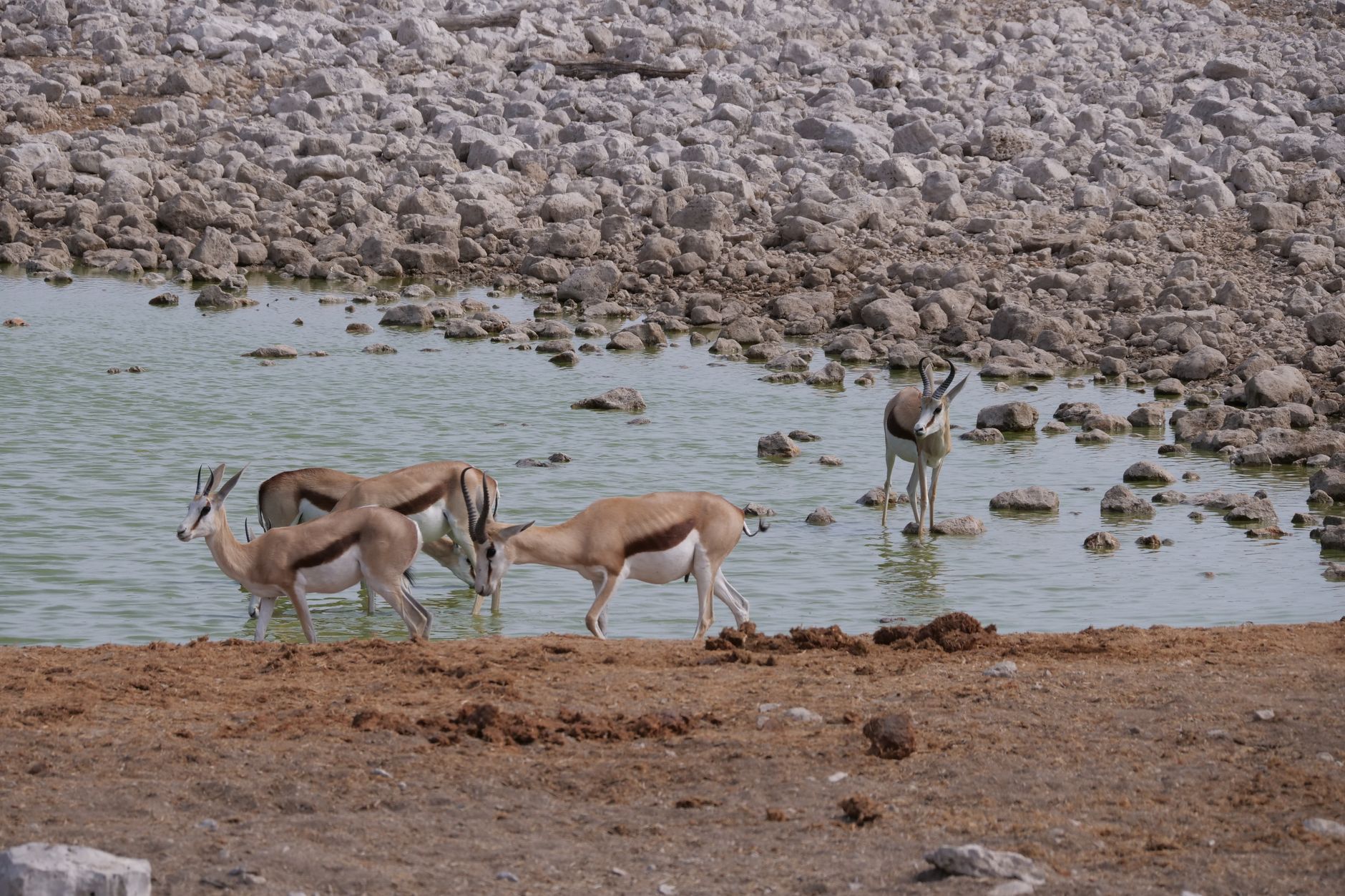
While guided tours have their place, a self-drive adventure offers an unparalleled level of intimacy with Namibia. You travel at your own pace, lingering for an extra hour as a herd of elephants drinks at a waterhole or stopping spontaneously to photograph a quiver tree silhouetted against the sunset.
It’s a journey on your own terms. You curate your own soundtrack, decide when to stop for coffee, and have the flexibility to take that intriguing detour down a dusty track. This independence doesn't mean sacrificing comfort; it means your adventure is bookended by stays at extraordinary lodges that offer a welcome reprieve after a day of discovery. You get the best of both worlds: rugged exploration by day and serene luxury by night.
Choosing Your Self Drive Namibia Rental Car
Getting this part right is crucial. The roads of Namibia are as varied as its landscapes, ranging from smooth, sealed highways to challenging, corrugated gravel tracks and deep sand. Your vehicle is your key to navigating them all safely and comfortably.
4x4 vs. 2WD: What Do You Really Need?
This is the most common question we hear. While it's technically possible to see parts of Namibia in a standard 2WD sedan—sticking to the main tarred roads between Windhoek, Swakopmund, and parts of Etosha National Park—you would be severely limiting your experience.
We unequivocally recommend a 4x4 vehicle. A high-clearance 4x4, typically a Toyota Hilux or Ford Ranger, is built for Namibia's conditions. It’s not just about needing four-wheel drive for specific obstacles, though you will be grateful for it on sandy riverbeds or steep mountain passes in regions like Damaraland. It's about ground clearance, suspension, and durability. The infamous C and D gravel roads can be punishing, and a robust 4x4 handles the corrugations and potential washouts with far greater stability and comfort. It gives you the freedom to explore remote areas and the peace of mind that your vehicle is up to the task.
Features to Look For in Your Rental
Not all 4x4s are created equal. When reviewing options from rental companies, look for a vehicle equipped for a true Namibian safari. Here’s a checklist of key features:
- Two Spare Tyres: This is non-negotiable. Punctures are a common occurrence on gravel roads, and you may be a long way from the nearest repair shop. One spare is a risk; two is a necessity.
- Good Tyre Condition: Inspect the tyres, including the spares. They should have ample tread and be a reputable all-terrain (A/T) brand. Worn tyres are a recipe for disaster.
- High Ground Clearance: Essential for navigating uneven tracks and avoiding damage to the undercarriage.
- Dual Fuel Tank: Namibia is vast, and fuel stations can be few and far between. A long-range or dual fuel tank (often providing a capacity of 140 litres or more) removes any range anxiety.
- Reliable Air Conditioning: A non-negotiable comfort. Midday temperatures can soar, and a functioning A/C unit is a welcome oasis.
- Camping Equipment (if applicable): If you're camping, check that the rooftop tent is in good condition and that the rental includes a quality fridge/freezer, gas cooker, chairs, and table.

Navigating the Rental Process
Once you know what kind of vehicle you need, the next step is booking it. A few key considerations will ensure a smooth process.
Insurance Explained: Knowledge is Power
Rental insurance can be confusing, but understanding it is vital. Most companies offer a standard Collision Damage Waiver (CDW) with a high excess (deductible). We strongly advise upgrading to the Super Collision Damage Waiver (SCDW) or the highest level of cover available. This will significantly reduce your excess, providing peace of mind.
Crucially, you must read the fine print. In Namibia, even the best insurance policies often exclude damage to tyres and windscreens, as these are so common. Some companies offer a separate Tyre and Windscreen insurance policy, which is well worth the small additional cost.
Book in Advance with Reputable Companies
Namibia is a popular self-drive destination. The best vehicles from the most reputable local companies get booked up months, sometimes even a year, in advance, especially for the peak season (June to October). Book as early as possible.
Prioritise well-regarded Namibian-based rental companies. They have a deep understanding of the country's conditions, maintain their vehicles meticulously for local challenges, and offer excellent on-the-ground support should you run into any issues. For a truly seamless trip, consider reading our advice on planning a complete Namibia itinerary that integrates perfectly with your vehicle choice.
On the Road: Practical Driving Tips
With the keys in hand, the real adventure begins. Driving in Namibia is a joy, but it requires your full attention.
Master the Gravel
Gravel roads are a way of life here. Do not treat them like tar. Reduce your speed significantly—80 km/h is a sensible maximum, and you'll often need to go slower. 'Corrugations' (a washboard-like surface) can be jarring; experiment with your speed to find a 'sweet spot' where the ride smooths out slightly. Most importantly, your rental company should advise you to lower your tyre pressure for gravel driving to improve grip and soften the ride. Remember to re-inflate them before driving on tar again.
Distances, Fuel, and Wildlife
Everything is further away than it looks on a map. Always fill up your fuel tank when you pass a station, even if you’re not close to empty. Carry at least 5 litres of drinking water per person per day, plus extra snacks.
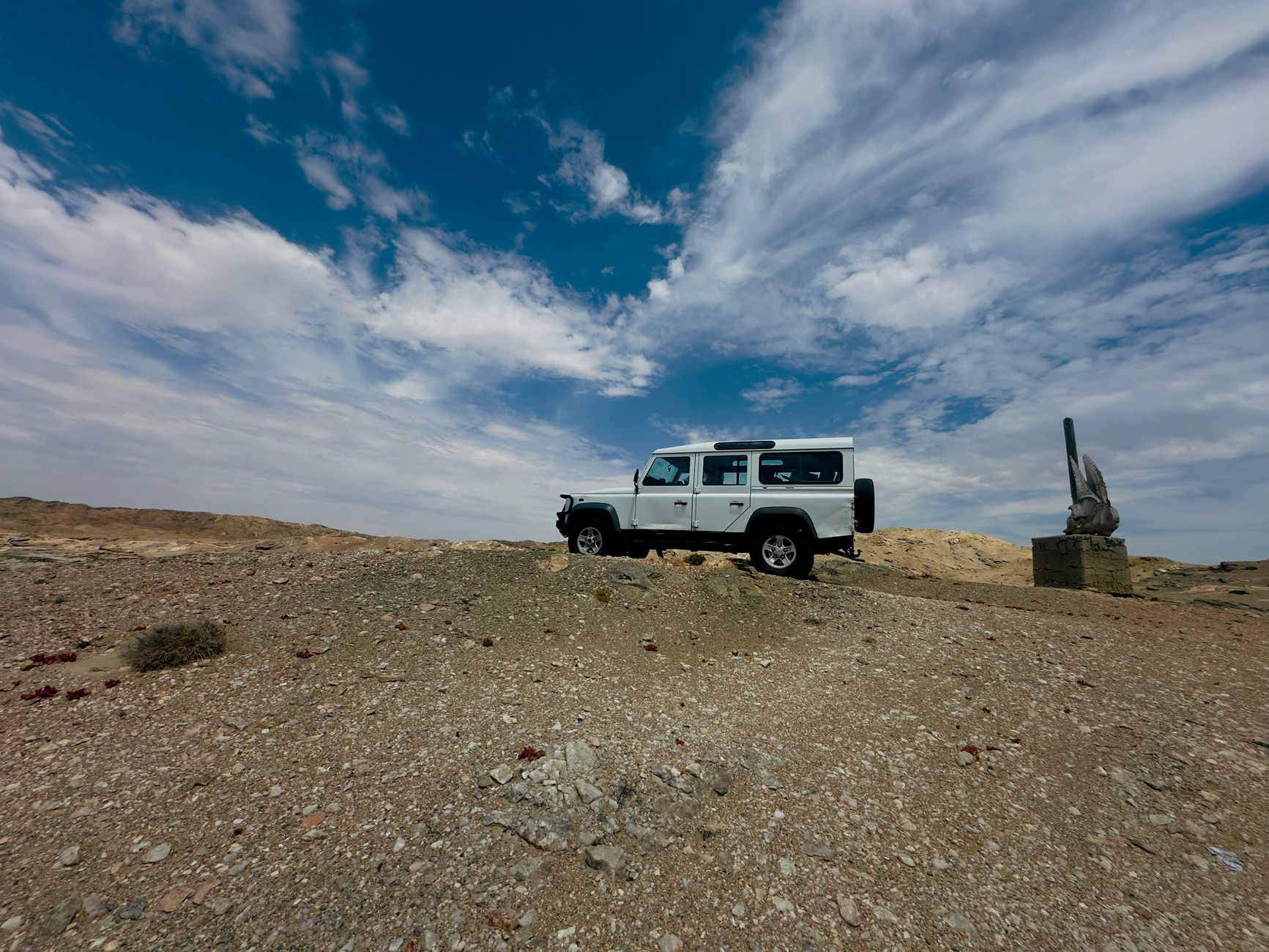
Wildlife is a constant and wonderful presence, but also a hazard. Be extremely vigilant for animals on or near the road, especially around dawn and dusk. Kudu, oryx, and warthogs can appear from nowhere. For this reason, you should never, ever drive at night.
Your journey through this incredible country, from the red dunes of Sossusvlei to the stark beauty of the Skeleton Coast, home to remote oases of comfort like Shipwreck Lodge, is an experience that will stay with you forever. The preparation you put into selecting the right self drive Namibia rental car is the foundation of a safe, successful, and truly unforgettable expedition.
After days spent navigating these awe-inspiring landscapes, there is no greater feeling than arriving at a place of sanctuary and comfort. Let us help you find those perfect stops along your route. Explore our curated collection of lodges across Namibia to complete your journey.
Ready to plan your trip?
Check live availability, compare lodges and book instantly — or send us an enquiry and we'll help shape the route.