Namibia Winter Safari: A Guide to June & July

While many imagine Africa under a sweltering sun, Namibia in its winter months presents a different, arguably more magical, picture. A Namibia winter safari in June and July is an experience defined by crisp air, deep blue skies, and some of the most phenomenal wildlife viewing on the continent. This is the heart of the dry season, a time when the land reveals its secrets and nature’s drama unfolds in stark, beautiful clarity.
This period offers a welcome respite from the intense heat of the Namibian summer. The days are pleasantly warm, perfect for exploration, while the cool nights are made for fireside conversations under a brilliant canopy of stars. It is a season of sublime comfort and extraordinary encounters.
The Unrivalled Magic of a Namibia Winter Safari in June & July
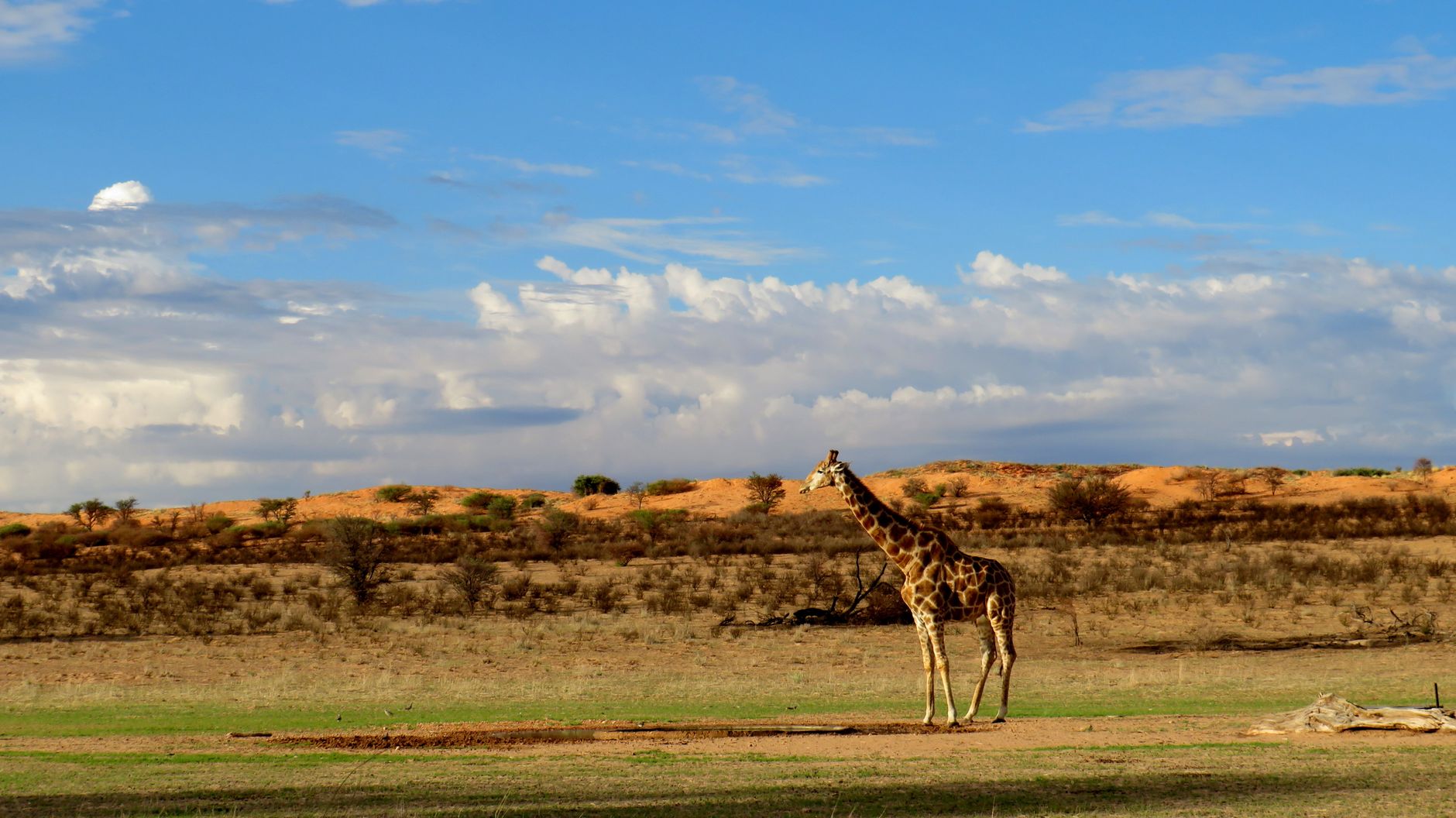
To visit Namibia in its winter is to see it at its most accessible and rewarding. The floods of the ephemeral rivers have long since subsided, and the landscape, though arid, is brimming with life. The primary reason this season is so coveted by safari connoisseurs is the concentration of wildlife. With water becoming a scarce and precious commodity, animals are drawn to the few permanent waterholes and riverbeds, making sightings not just possible, but probable.
The air itself feels different. It is free from the haze of summer, lending a sharp, crystalline quality to the light that photographers adore. Sunrises and sunsets paint the vast horizons in soft pastels and fiery oranges, unburdened by cloud cover. This clarity extends into the night, revealing a celestial theatre that is simply breathtaking.
Weather and What to Pack: A Season of Contrasts
Understanding the climate in June and July is key to a comfortable journey. It’s a season of duality, with warm, gentle days giving way to surprisingly cold nights. Packing thoughtfully will ensure you are prepared for the full spectrum of Namibian winter experiences.
Daytime Warmth, Night-time Chill
During the day, you can expect delightful temperatures, generally ranging from 20°C to 25°C (68°F to 77°F). It’s perfect T-shirt weather, ideal for game drives and leisurely lunches overlooking the savanna. However, as the sun dips below the horizon, the temperature drops rapidly. Night-time and early morning lows can hover around freezing, especially in the desert and at higher altitudes. Open-vehicle game drives at dawn can be bracingly cold, but they are also the most rewarding.
Packing Essentials for the Dry Season
The secret to comfort is layering. Your luggage should contain clothing that can be added or removed as the day progresses.
- Warm Layers: A fleece jacket, a thermal base layer, and a windproof or down jacket are essential for early mornings and evenings. A beanie, scarf, and gloves are highly recommended.
- Daytime Wear: Lightweight, long-sleeved shirts and trousers in neutral colours (khaki, beige, olive) are ideal for sun protection and blending in with the environment.
- Sun Protection: The winter sun is still powerful. Pack a wide-brimmed hat, high-SPF sunscreen, and quality sunglasses.
- Comfortable Footwear: Sturdy, closed-toe walking shoes are sufficient for most activities. If you plan on significant hiking, consider light hiking boots.
- Skincare: The air is very dry, so a good moisturiser and lip balm are non-negotiable.
- Binoculars and Camera: With such clear conditions and concentrated wildlife, you won’t want to miss a detail. Bring extra batteries and memory cards.
Prime Game Viewing: Why Winter is Peak Season
The dry months of June and July are synonymous with exceptional game viewing across Namibia. The lack of rain forces animals to congregate, creating a captivating spectacle for visitors.

Etosha National Park: The Great White Place
There is no better time to visit Etosha National Park than during the dry season. The park, centred around a vast salt pan, becomes a theatre of survival. The sparse vegetation makes spotting animals easier, and the shrinking water sources act as magnets.
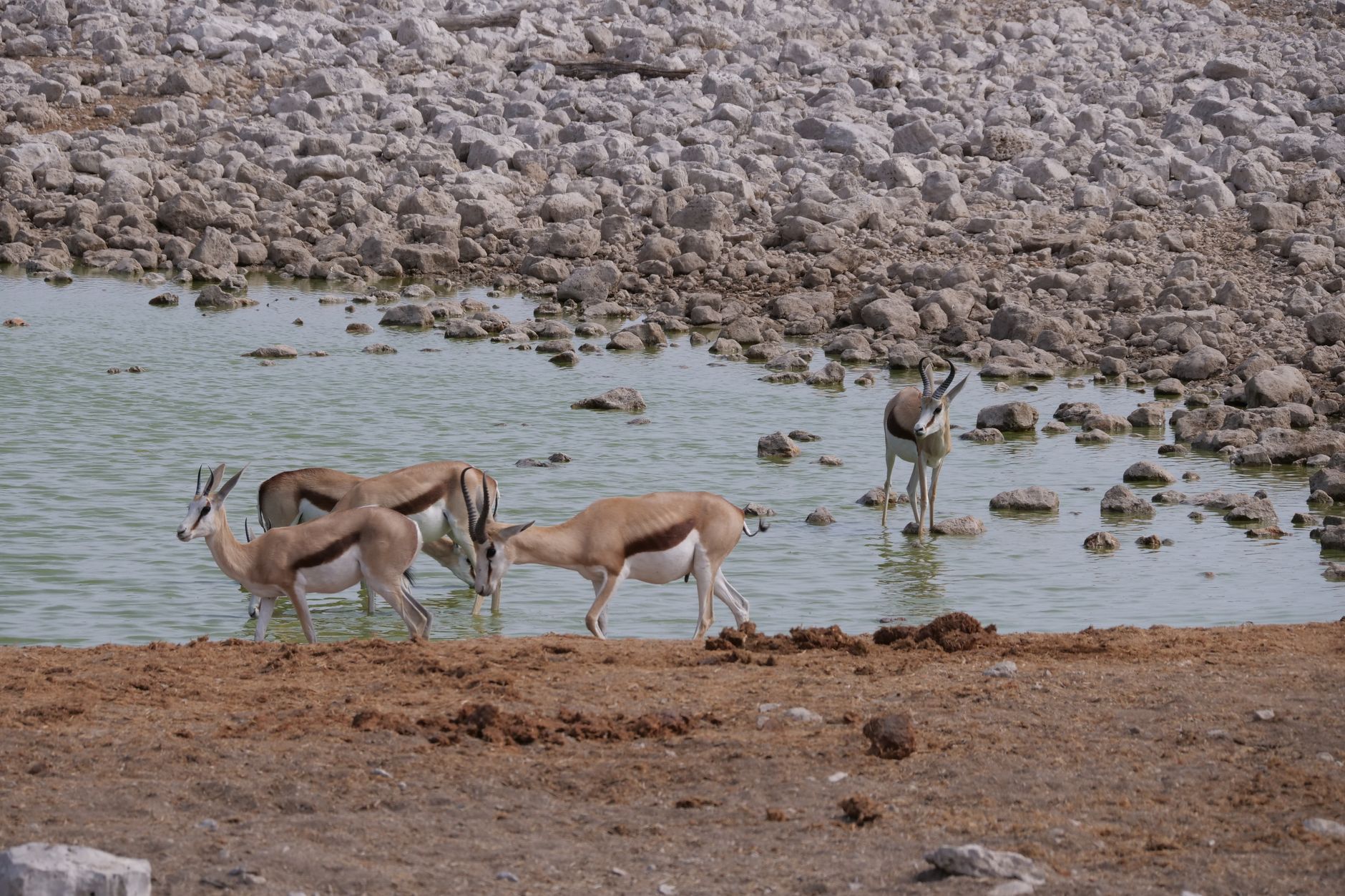
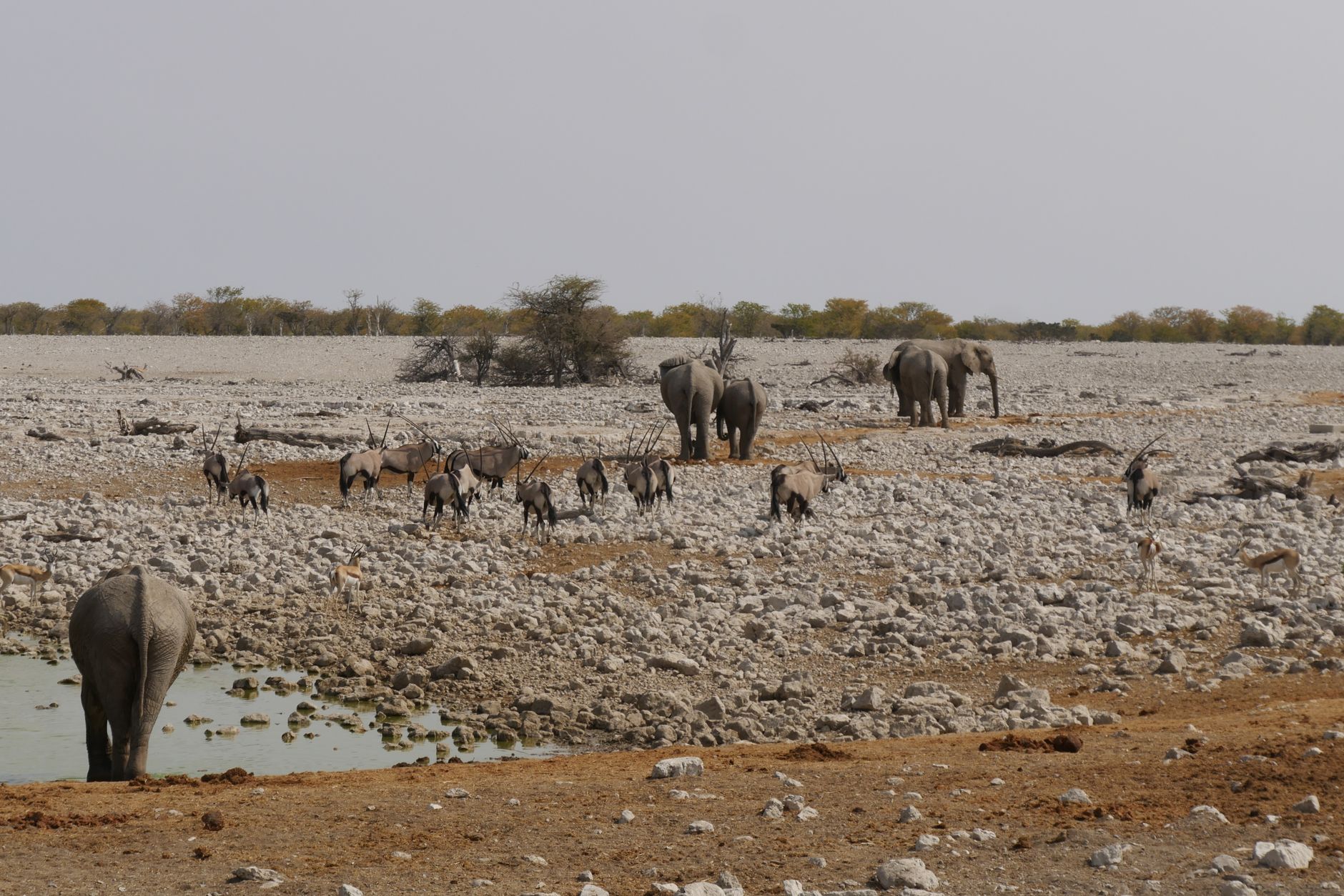
Days can be spent moving between waterholes, each hosting a constantly shifting cast of characters. Herds of elephants, their hides caked in white dust, dominate the scene. They are joined by giraffe, zebra, springbok, and oryx. The park’s famed black rhinos, often shy, become more visible as they make their way to drink. Predators like lions and leopards know this, too, and often lie in wait nearby, providing moments of thrilling drama. For a truly special experience, consider a stay at a lodge with a floodlit waterhole, such as the renowned Okaukuejo Camp, where the theatre continues long after sunset.
Damaraland's Desert-Adapted Wildlife
Further south, the rugged, rocky expanse of Damaraland offers a different kind of safari. Here, the challenge is not simply waiting at a waterhole but actively tracking the region’s unique desert-adapted wildlife. Following the ephemeral riverbeds in a 4x4 with an expert guide in search of desert-adapted elephants or the critically endangered black rhino is an unforgettable adventure.
The winter landscape in Damaraland is starkly beautiful, a geological marvel of granite koppies and sweeping plains. The cool, clear weather makes it the perfect time for guided walks to discover ancient rock art at Twyfelfontein or to simply absorb the profound silence of this ancient land. Our guide on exploring the wonders of Damaraland offers more insight into this incredible region.
Beyond the Safari Vehicle: Unique Winter Experiences
While game drives are central to the Namibian safari, the winter months unlock other incredible activities.
Unrivalled Stargazing
Namibia is home to one of the world's largest Dark Sky Reserves, the NamibRand Nature Reserve. In June and July, the cloudless, dry air provides the most pristine conditions for stargazing. The Milky Way arches across the sky in a dense, shimmering band, and constellations of the Southern Hemisphere are on full display. Many lodges have their own high-powered telescopes and resident astronomers to guide you through the cosmos.
Exploring the Sossusvlei Dunes
The iconic red dunes of Sossusvlei are a highlight of any Namibian itinerary. In winter, the cooler morning temperatures make the climb up Dune 45 or the towering Big Daddy far more pleasant. Reaching the summit as the sun crests the horizon, casting sharp, dramatic shadows across the sea of sand, is a moment of pure awe. The crisp light illuminates the rich ochre and apricot hues of the ancient sand, creating a photographer’s paradise.
Planning your own Namibia winter safari for June or July is the start of an unforgettable journey into a land of dramatic beauty and resilient life. It is a season that rewards the prepared traveller with clear skies, comfortable days, and wildlife encounters that will be etched in memory forever.
When you are ready to turn these dreams into reality, we invite you to explore our curated collection of lodges. Each one offers a unique gateway to the wonders of Namibia, ensuring your adventure is as comfortable as it is wild. Begin your journey at Safari Stays Namibia.
Ready to plan your trip?
Check live availability, compare lodges and book instantly — or send us an enquiry and we'll help shape the route.