Your Expert Namibia Road Conditions Guide

The allure of a Namibian self-drive safari is undeniable. It’s the freedom of the open road, the vast horizons stretching out before you, and the promise of adventure around every bend. A journey here is measured not just in kilometres, but in moments of awe: the sudden appearance of a giraffe on the roadside, the shifting colours of the desert at sunset, the profound silence of a landscape that feels like the beginning of the world. But to truly embrace this freedom, preparation is key. That's where this Namibia road conditions guide comes in, designed by our experts to equip you with the knowledge to navigate this incredible country with confidence and ease.
Understanding Namibia's Road Network
First, it's helpful to understand how Namibia’s roads are classified. You will see signs for B, C, and D-class roads on your maps and along your route. Each letter tells you what to expect.
B-Roads: The Tarred Arteries
These are Namibia's main highways—the backbone of the country's infrastructure. B-roads are tarred, generally in excellent condition, and often feature single lanes in each direction. The B1, for example, is the primary artery running from the South African border in the south all the way to the Angolan border in the north, passing through Windhoek. The B2 connects the coast (Swakopmund, Walvis Bay) to the interior. While these roads allow for efficient travel between major hubs, remember that much of Namibia’s magic lies beyond the tarmac.
C-Roads: The Main Gravel Thoroughfares
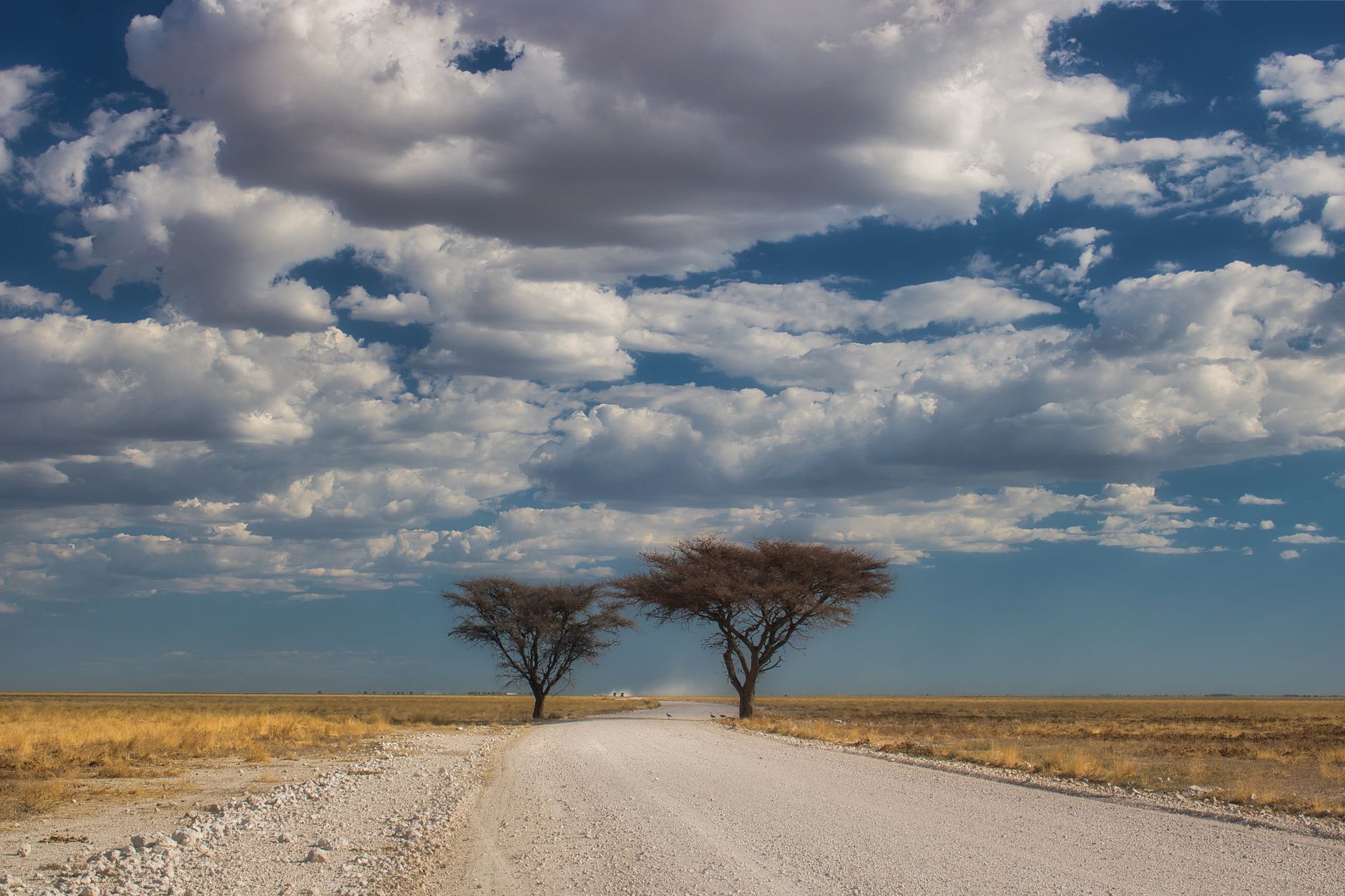
Most of your safari adventure will unfold on C-roads. These are well-maintained gravel roads that connect major towns and key tourist destinations like Sossusvlei, Etosha, and Damaraland. While they are not paved, they are regularly graded and are suitable for most vehicles, including sturdy 2WD sedans with good clearance. However, conditions can vary. Expect dust, occasional potholes, and the possibility of corrugations—a ripple-like surface that can make for a bumpy ride if you’re going too fast or too slow.
D-Roads and Beyond: The Tracks of Adventure
D-roads are the secondary gravel roads. They are narrower, see less traffic, and are not maintained as frequently as C-roads. This is where a 4x4 vehicle becomes highly recommended, if not essential. D-roads can be sandy, rocky, and heavily corrugated. They often lead to more remote lodges, secluded viewpoints, and deeper into the wilderness. Un-designated roads, sometimes called F-roads (farm roads), are typically private and should not be used without explicit permission. For the intrepid, D-roads are a gateway to the real, raw Namibia.
A Regional Breakdown of Road Conditions
Namibia's immense size means its landscapes—and the roads that cross them—are incredibly diverse. What you experience in the lush Zambezi Region is a world away from the arid south.
Central Namibia & The Kalahari
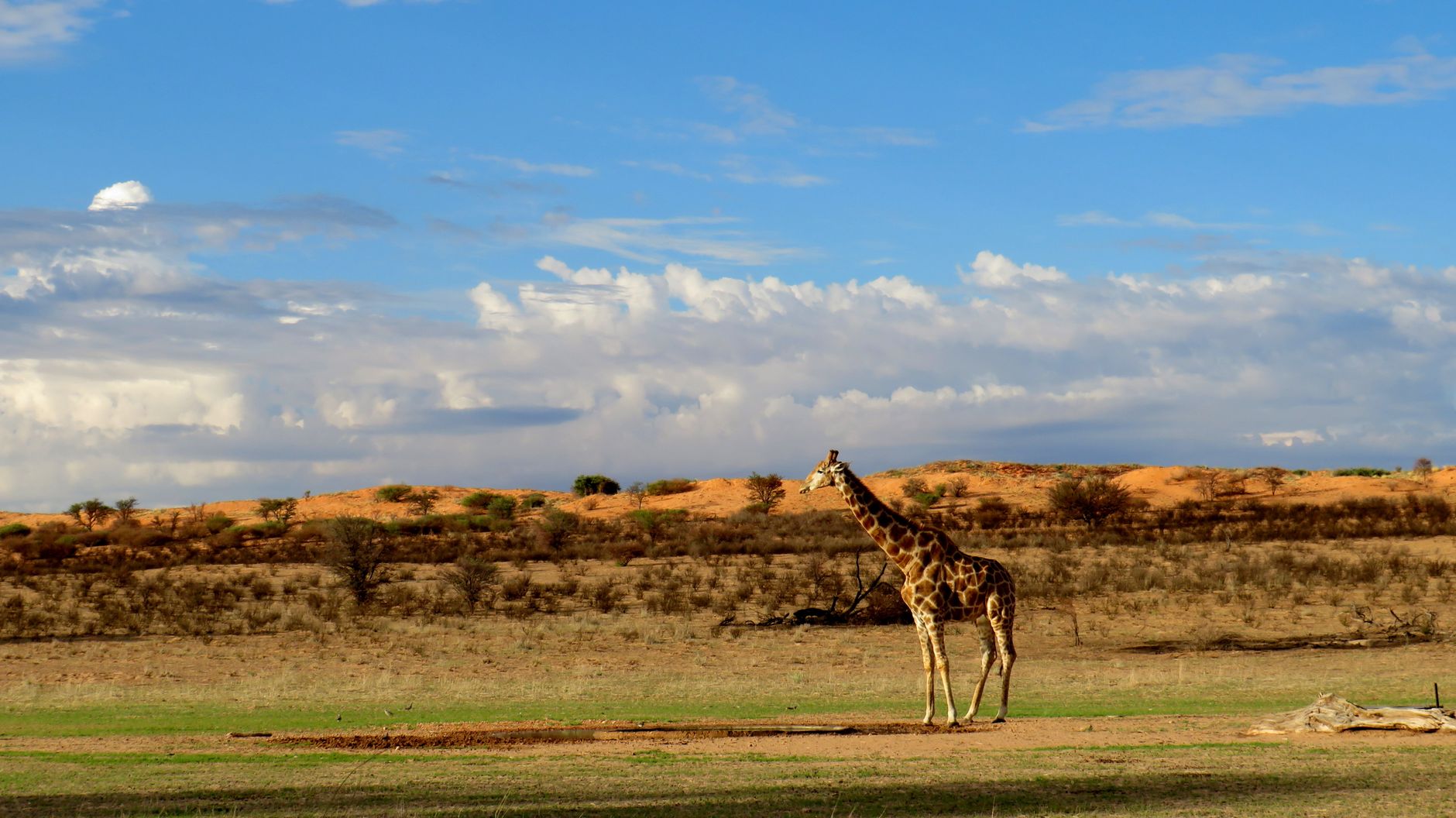
Around the capital, Windhoek, you’ll find the country's best network of B-roads. As you venture east into the Kalahari, the tar gives way to long, straight C-roads of red sand and gravel. These are generally in good condition, but the sheer length and hypnotic straightness require focus. It's a land of wide-open spaces, and a great place to explore the stark beauty of the Kalahari.
The Skeleton Coast & Damaraland
This region presents some of Namibia's most unique driving challenges. Along the coast, the C34 is a 'salt road,' created by compacting salt and gypsum with gravel. When dry, it's a smooth, fast surface. But be warned: after coastal fog or rare rain, it can become dangerously slippery. Inland, as you discover the rugged wilderness of Damaraland, the roads become a mix of gravel, rock, and sand. You'll navigate mountain passes and cross dry riverbeds, where 4x4 capability is a huge advantage for accessing remote areas and incredible lodges like the secluded Shipwreck Lodge.
Etosha and the North
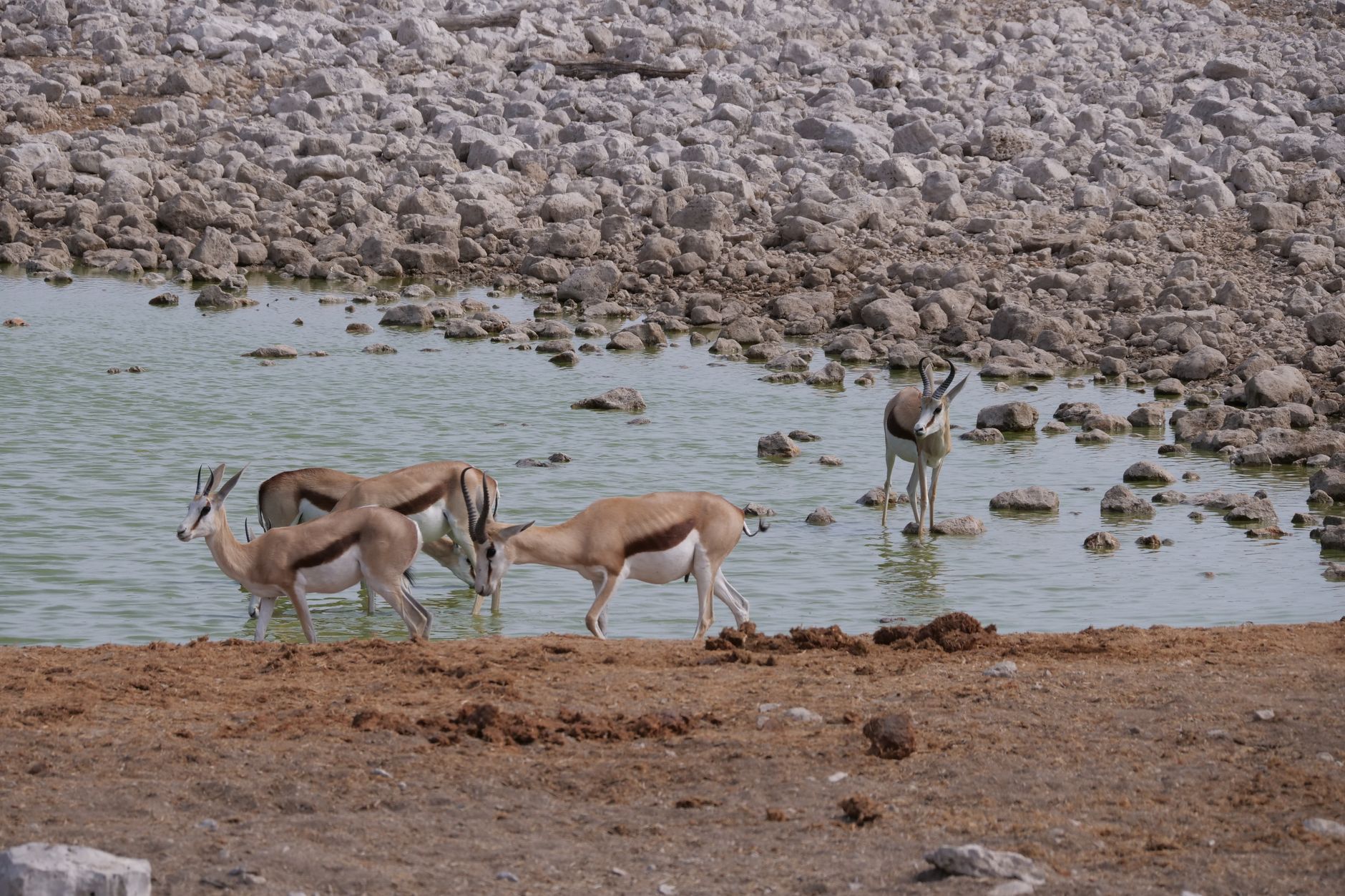
The main B1 highway provides a smooth, tarred route all the way to the gates of Etosha National Park. Inside the park, you’ll be driving exclusively on a network of gravel roads. These are generally well-maintained to facilitate game viewing, but speed limits are strictly enforced (60 km/h) for the safety of both visitors and wildlife. The dust from other vehicles can be significant, so keep a respectful distance. The condition of the roads provides a natural pace, encouraging you to slow down and truly observe your surroundings.
Your Vehicle: Choosing the Right Wheels for Namibia
Your choice of vehicle is one of the most important decisions for a self-drive trip.
2WD vs. 4x4: The Great Debate
Is a 4x4 necessary? For a trip focused on main attractions via B and C-roads (e.g., Windhoek to Etosha to Swakopmund), a high-clearance 2WD SUV can suffice. However, for comprehensive exploration, peace of mind, and comfort, a 4x4 is unequivocally the better choice. The improved suspension absorbs the bumps of gravel roads far better, and the 4x4 capability opens up a world of possibility—from sandy riverbeds in Damaraland to the remote tracks of the Kaokoland. Many lodge access roads are D-roads or private tracks where 4x4 is mandatory.
Essential Equipment
No matter your vehicle, ensuring it's properly equipped is non-negotiable. A reputable rental company will provide most of this, but always double-check:
- Two full-size spare tires: Punctures are the most common issue on gravel roads. One spare is good, two is Namibian law for travelers.
- Tire pressure gauge and compressor: Adjusting tire pressure is crucial for gravel driving.
- A sturdy jack and wheel spanner: Make sure you know how to use them.
- Plenty of water: Carry at least 5 litres per person per day, plus extra in case of breakdown.
- GPS with offline maps: Mobile signal is non-existent in most of the country. A dedicated GPS with a program like Tracks4Africa is the gold standard.
Essential Driving Tips for our Namibia Road Conditions Guide
Armed with the right vehicle and knowledge, a few driving principles will ensure a safe journey.
Mastering the Gravel
Driving on gravel is a skill. The cardinal rule is to reduce your speed. Aim for a maximum of 80 km/h on good C-roads, and much less on D-roads or corrugated sections. Avoid sudden braking or sharp steering inputs, as this can cause you to skid. For a smoother ride and better traction on sand or heavy corrugations, deflate your tires slightly (e.g., to 1.6-1.8 bar), but remember to reinflate them before you get back on the tar.
Navigating Distances and Time
Forget what Google Maps tells you. On gravel roads, a seemingly short 200 km journey can easily take 4-5 hours. Always add at least 50% to any GPS time estimate. This brings us to the most important rule of all: do not drive at night. The risk of collision with wildlife, which is most active at dusk and dawn, is incredibly high. Plan your travel to ensure you arrive at your lodge well before sunset.

Seasonal Considerations
The dry season (May-October) is prime time for safaris and self-drives. Roads are at their best, though dust is a constant companion. The wet season (November-April) transforms the landscape, bringing explosive green growth and dramatic thunderstorms. However, it can also bring flash floods that make dry riverbeds impassable and turn roads in the Zambezi Region to mud. Always check local advice if travelling during this time.
Ultimately, driving in Namibia is part of the destination. It’s an active, engaging experience that connects you to the landscape in a profound way. We hope this Namibia road conditions guide empowers you to embark on your own unforgettable journey, navigating its challenges with skill and its beauty with a sense of wonder.
The open road awaits. From the dunes of Sossusvlei to the wildlife-rich plains of Etosha, your Namibian adventure is waiting to be written. Explore our collection of curated lodges, the perfect sanctuaries to begin and end your day's drive. Start planning your safari stay.
Ready to plan your trip?
Check live availability, compare lodges and book instantly — or send us an enquiry and we'll help shape the route.