Your First Self-Drive Safari in Namibia: The Complete Guide
Your First Self-Drive Safari in Namibia: The Complete Guide
Namibia is one of the best countries in Africa for a self-drive safari — and for many first-time visitors, it is the trip that redefines what travel can be. Vast, empty roads stretching to the horizon. Elephants crossing at dawn. A sky full of stars with no light pollution for hundreds of kilometres. This guide covers everything you need to plan your first self-drive safari in Namibia with confidence.
Why Namibia is Perfect for First-Time Self-Drive Visitors
Not every African country suits independent driving. Namibia does, for several reasons that set it apart.
The road network is excellent by regional standards. While many roads are gravel, they are well-maintained and clearly signposted. Traffic is minimal — it is entirely possible to drive for an hour without seeing another vehicle. Namibia is politically stable, safe and straightforward to navigate. English is widely spoken. Fuel is available at regular intervals along main routes, and accommodation ranges from affordable campsites to world-class lodges.
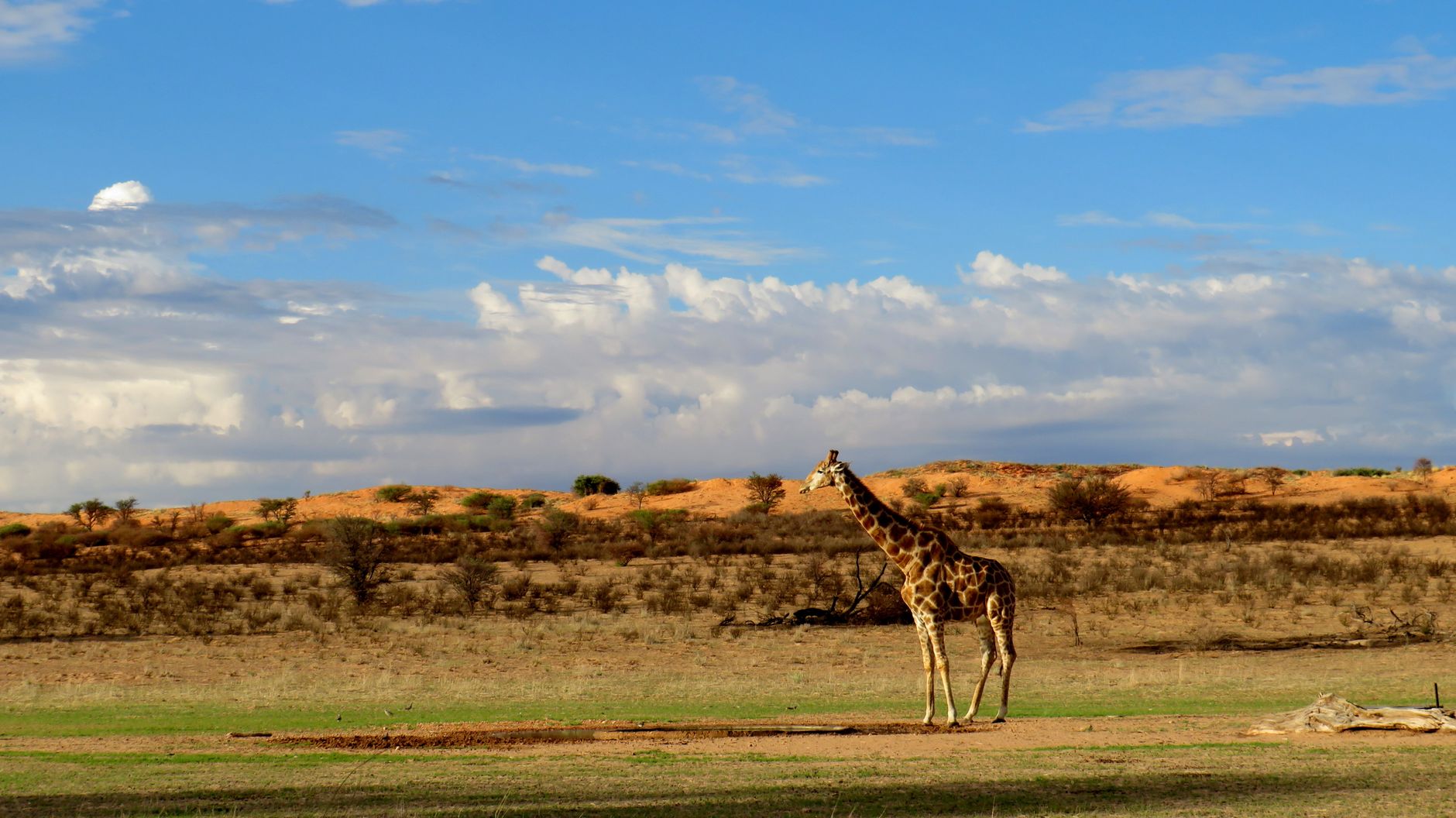
Most importantly, Namibia rewards independent travel in a way that guided safaris simply cannot replicate. You stop when you want, stay as long as you like at a waterhole, and follow your own instincts across a landscape of extraordinary diversity — from red sand dunes to salt pans, from granite mountains to floodlit game reserves.
Do You Need a 4WD Vehicle?
This is the most common question first-time visitors ask, and the answer depends on your route.
A standard 2WD sedan handles the main paved roads and many well-graded gravel routes comfortably. If your itinerary sticks to the classic circuit — Windhoek, Sossusvlei, Swakopmund, Damaraland, Etosha — a high-clearance 2WD or small SUV is adequate for most of the driving.
A 4WD becomes necessary if you plan to explore more remote areas: the Skeleton Coast, Kaokoland, the Hartmann Valley, or the last 5 km into the Sossusvlei vlei floor. Even on a classic route, a 4WD provides peace of mind on heavily corrugated gravel roads.
For a first-time visit, a 4WD double cab with rooftop tent or camping kit is the most versatile option if you plan to camp. A 4WD SUV is ideal for lodge-based travel. Whatever you book, ensure the rental includes at least two spare tyres — punctures on gravel roads are common and tyre shops are not always nearby.
The Classic First-Time Self-Drive Route
Most first-time visitors to Namibia follow a loop from Windhoek, covering the country's signature destinations. The classic circuit runs as follows:
Windhoek (1–2 nights) — Arrive, collect your vehicle, and acclimatise. Windhoek is a pleasant, walkable capital with good restaurants and a useful base for stocking up on supplies.
Sossusvlei and the Namib Desert (2–3 nights) — Drive southwest to Sesriem and spend two nights exploring the dunes, Dead Vlei and Sesriem Canyon. This is the visual heart of any Namibia trip. Read our Ultimate Guide to Sossusvlei for everything you need to know about this section.
Swakopmund (1–2 nights) — Head northwest along the edge of the Namib to this coastal town. Cool, foggy and full of character, Swakopmund offers a complete contrast to the desert interior — adventure activities, fresh seafood and the Atlantic Ocean.
Damaraland (2 nights) — Drive north into one of Namibia's most dramatic landscapes. Ancient rock engravings at Twyfelfontein, desert-adapted elephants, and the Organ Pipes geological formation. Remote and spectacular.
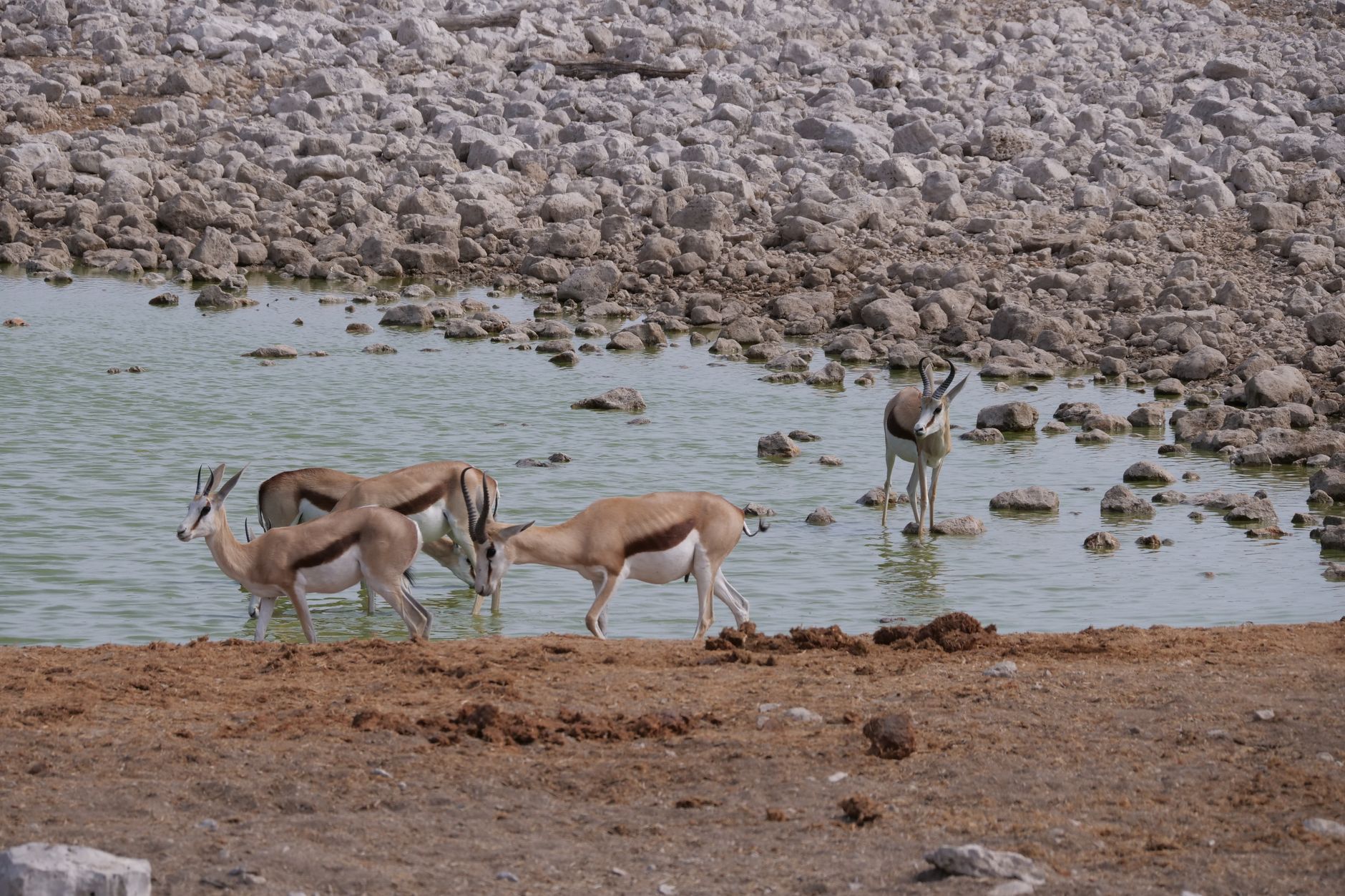
Etosha National Park (3 nights) — The wildlife centrepiece of any Namibia self-drive. Enter via Anderson Gate and work your way east over three days, spending time at the famous floodlit waterholes. Read our Etosha Season by Season guide to choose the best time to visit.
Return to Windhoek (1 night) — Drive south through the central highlands. Consider a night at Okonjima, home of the AfriCat Foundation, for leopard and cheetah tracking.
This route covers approximately 2,500 km and works comfortably over 10 to 14 days. It is manageable as a clockwise or counter-clockwise loop — most people choose counter-clockwise to save Etosha as the wildlife finale.
How Much Does a Self-Drive Safari in Namibia Cost?
Namibia is not a budget destination, but it offers exceptional value relative to the experience. Here is a realistic breakdown for a 12-day trip for two people:
Vehicle rental — A 4WD double cab with camping kit runs approximately USD 120–200 per day depending on season and operator. Budget for 12 days including insurance and extras.
Accommodation — Lodge-based travel in mid-range properties runs USD 150–350 per person per night including dinner and breakfast. Camping inside national parks costs significantly less (approximately USD 30–60 per site) but you will need your own equipment.
Park entrance fees — Etosha charges per person and per vehicle daily. Namib-Naukluft has a separate entry fee. Budget approximately USD 20–30 per person per day inside parks.
Fuel — Diesel is most common for 4WD rentals. Allow for approximately 10–12 litres per 100 km on mixed tar and gravel surfaces. Fill up whenever you pass a petrol station — do not wait until you need fuel.
Activities and meals — Build in a budget for guided excursions (particularly in Swakopmund and Damaraland), restaurant meals in towns, and incidentals.
A realistic total for two people travelling lodge-based for 12 days sits between USD 6,000 and USD 10,000 all in, depending on accommodation level and season.
When to Go
Namibia's best self-drive window is May to October — the dry season. Roads are in their best condition, wildlife is highly concentrated at waterholes, and temperatures are pleasant outside of the Namib Desert interior.
June to September is peak season. Book accommodation months in advance, particularly for Etosha and Sossusvlei lodges.
April and May offer a sweet spot — the rains have stopped, the landscape is still green and fresh, prices are pre-peak, and roads are in good condition.
November to March is the wet season. Heat in the Namib can exceed 40°C. Unpaved roads can become challenging after heavy rain. However, prices drop, crowds thin dramatically, and Etosha's birdlife is extraordinary. Experienced travellers often love this period.
Planning Your Accommodation in Advance
This is the aspect of self-drive planning that most first-timers underestimate. Namibia's best lodges — particularly in Etosha, Sossusvlei and Damaraland — book out months in advance during peak season. Unlike destinations where you can find accommodation on arrival, turning up without a booking in July or August is a genuine risk.
The most efficient approach is to plan your route first, then work through each location booking accommodation in the right sequence. SafariStays Namibia is built specifically for this — a curated platform listing lodges and camps across Namibia's self-drive routes, with real-time availability from verified NightsBridge-connected properties. Browse by region, compare options and lock in your nights before you fly.
Practical Tips for Your First Self-Drive Safari
Driving: Namibia drives on the left. On gravel roads, reduce speed significantly — 80 km/h is the maximum most experienced drivers use, and corrugated sections demand even slower speeds. Never drive at night outside of town — animals on the road are a serious hazard.
Distances: Namibia is large and distances are deceptive. What looks like a manageable day on paper can be a long, tiring drive. Build rest time into your days — the scenery rewards stopping, not rushing.
Connectivity: Mobile data works in towns but disappears on remote stretches. Download offline maps (Maps.me or Google Maps offline areas) before you leave Windhoek. A paper road atlas of Namibia is worth carrying.
Water: Carry a minimum of 5 litres of drinking water per person whenever you set out. Tap water is safe in towns and most lodges, but remote areas have nothing.
Cash: Many lodges and smaller establishments prefer or require cash payment. ATMs exist in Windhoek, Swakopmund and a handful of larger towns. Draw sufficient cash before heading into remote areas.
Travel insurance: Medical evacuation from remote Namibia is expensive. Ensure your travel insurance covers emergency evacuation and ideally includes cover for off-road driving.
Your First Self-Drive Safari Starts Here
Namibia rewards the effort of independent travel more generously than almost any other destination. The freedom to set your own pace across one of the world's last great wildernesses is an experience that stays with you.
When you're ready to plan your route and lock in your accommodation, SafariStays Namibia is your starting point — a curated platform built specifically for self-drive travellers in Namibia, with lodges across every region of the classic circuit.
Ready to plan your trip?
Check live availability, compare lodges and book instantly — or send us an enquiry and we'll help shape the route.