An Evocative Etosha Self-Drive Guide
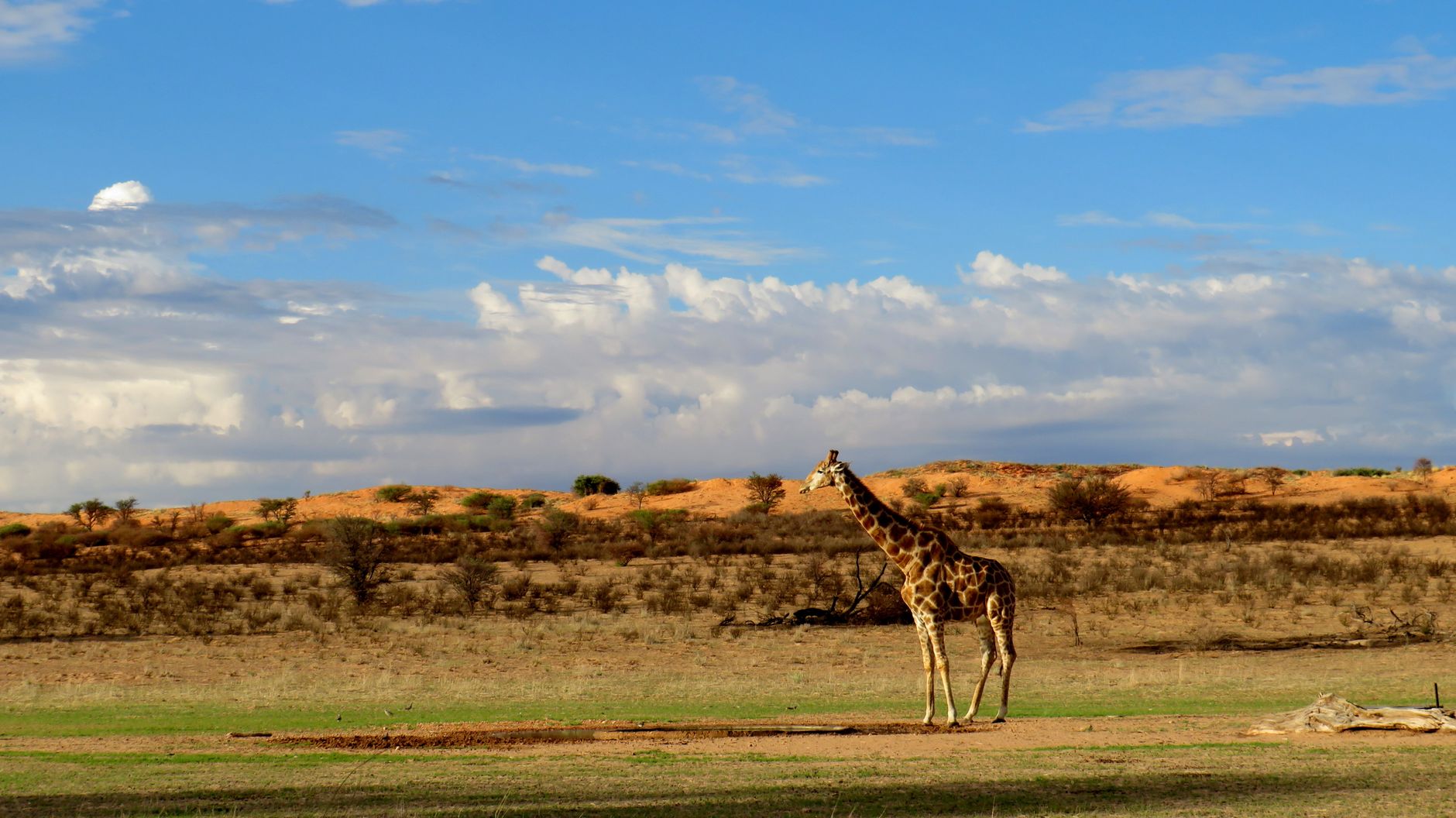
There is a moment, on the shimmering plains of Etosha, when the world feels both infinitely vast and intimately close. A giraffe ambles across the horizon, its silhouette a stark cutout against the immense white pan. The air is still, save for the gentle hum of your engine and the distant call of a kori bustard. This is the magic of Etosha National Park, and experiencing it on your own terms is an unparalleled adventure. This comprehensive Etosha self-drive guide is designed to equip you with the knowledge and confidence to script your own incredible Namibian safari story.
Why Choose a Self-Drive in Etosha?
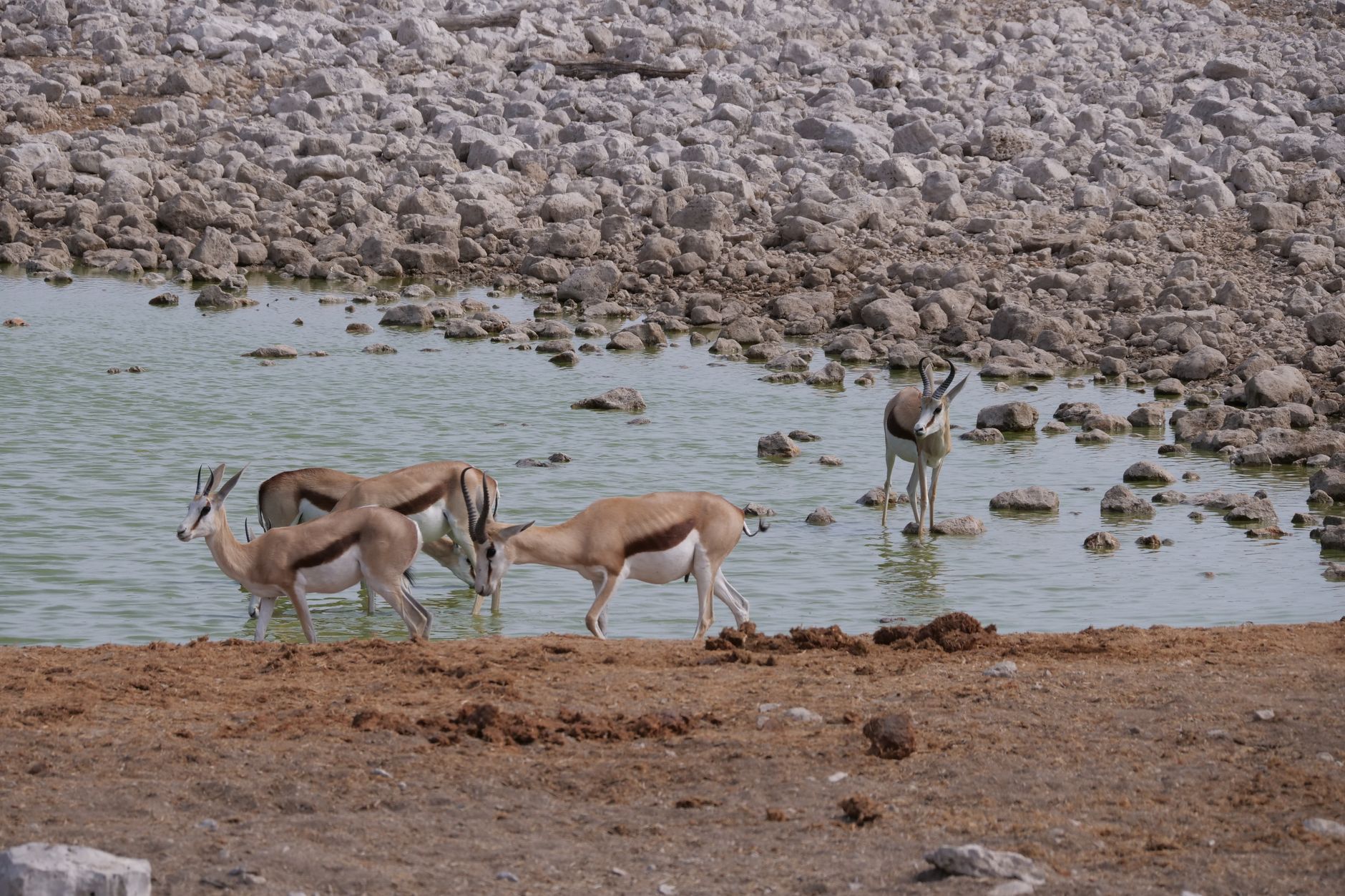
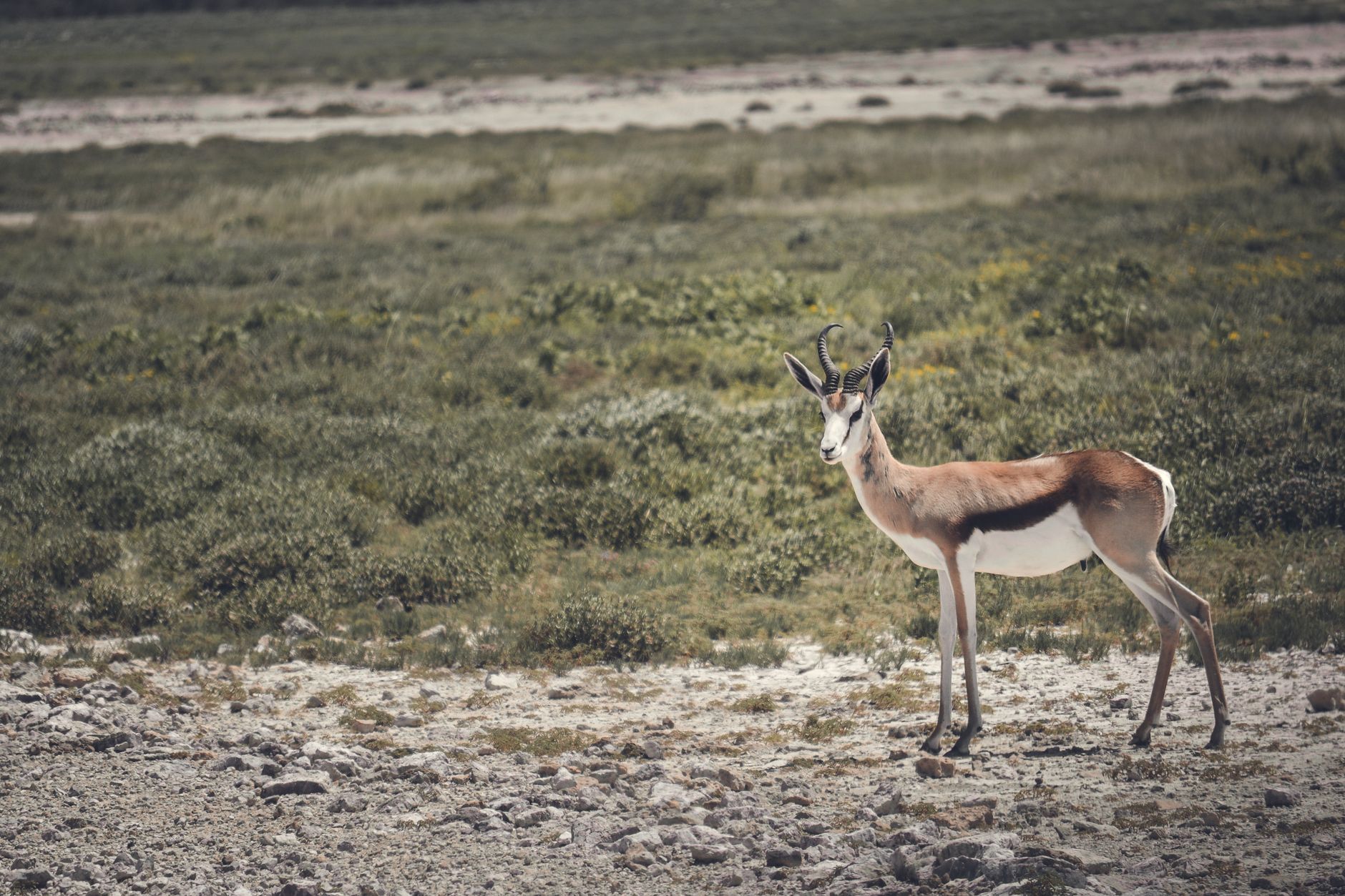
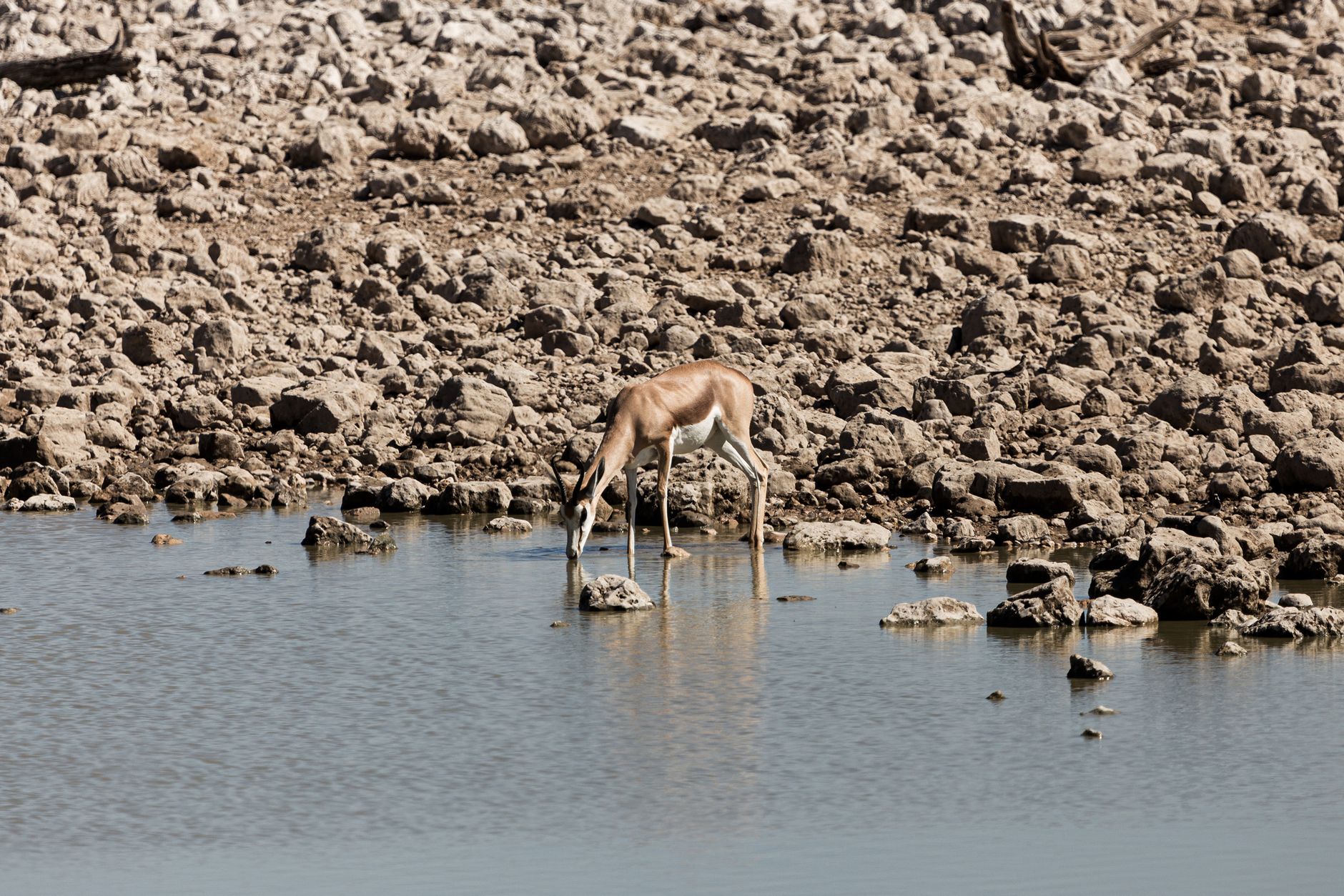
The appeal of a self-drive safari lies in a single, beautiful word: freedom. While guided game drives offer deep expert insight, piloting your own journey through Etosha provides a different kind of immersion. You are the master of your itinerary. You can linger for an hour watching a herd of elephants bathe, or spend a quiet morning simply observing the subtle ballet of springbok and zebra at a secluded waterhole.
A self-drive fosters a profound sense of discovery. Every turn in the gravel road brings a new possibility. The thrill of spotting a lappet-faced vulture perched atop a camelthorn tree, or the sharp intake of breath when a black rhino emerges from the mopane scrub, is amplified when it is your own vigilance that is rewarded. You set the pace, follow your instincts, and connect with the wilderness on a deeply personal level.
Your Essential Etosha Self-Drive Guide
Preparation is the key to a seamless and rewarding experience. Unlike other parks, Etosha is remarkably accessible, but a little planning goes a long way. This section covers the fundamentals, from your vehicle to the fine print of park entry.
H3: Choosing Your Vehicle
One of Etosha's great advantages is its excellent network of gravel roads. For the most part, these are well-maintained and navigable with a sturdy two-wheel-drive (2WD) sedan. During the dry season (May to October), when most people visit, this is often perfectly adequate for sticking to the main routes between camps and popular waterholes.
However, a high-clearance vehicle or a 4x4 offers distinct advantages. It provides a better vantage point for spotting wildlife over taller grasses and gives you more confidence and comfort on corrugated sections of road. If you plan to explore the park's more remote western side, accessible via Galton Gate, or if you're travelling during the green season (November to April) when rain can create muddy patches, a 4x4 becomes highly recommended. Ultimately, your choice depends on your budget and intended route, but comfort and visibility are always worth investing in.
What to Pack for Your Day in the Park
Even if you're staying at a lodge just outside the gates, it's wise to pack your vehicle as if you're embarking on a full-day expedition. Services inside the park are limited to the main camps. Here is a checklist of essentials:
- Water and Snacks: Absolutely essential. Pack several litres of water per person and enough food for the day. Dehydration is a real risk.
- Binoculars: Perhaps the single most important piece of safari equipment. A good pair of binoculars brings distant sightings to life.
- Camera with a Zoom Lens: To capture those incredible moments without disturbing the wildlife.
- Park Map: While roads are well-signposted, a physical map (available at gates and camp shops) helps you plan your route between waterholes.
- Sun Protection: Sunscreen, wide-brimmed hats, and sunglasses are non-negotiable.
- A Good Field Guide: An app or book on Southern African mammals and birds will enrich your sightings immensely.
- Passport or ID: Required for check-in at the park gates.
Navigating the Park: Gates, Camps, and Waterholes
Etosha is vast, covering over 22,000 square kilometres. Its heart is the Etosha Pan, a colossal saline desert that is visible from space. Wildlife congregates around the numerous waterholes dotted along the pan's southern edge, making for relatively predictable and spectacular viewing, especially in the dry season. The park is primarily accessed via four main gates: Anderson Gate in the south, Von Lindequist Gate in the east, Galton Gate in the far west, and King Nehale Gate in the north.
Inside the park, three public rest camps—Okaukuejo, Halali, and Namutoni—serve as the main hubs. Each offers accommodation, fuel, a shop, a restaurant, and a floodlit waterhole for 24-hour game viewing. Even if you're staying at a private lodge outside the park, these camps are essential stops for refuelling and rest breaks. For a deeper look at the park and its surroundings, explore our guide to the wider Etosha Region.
The Art of the Waterhole Stakeout
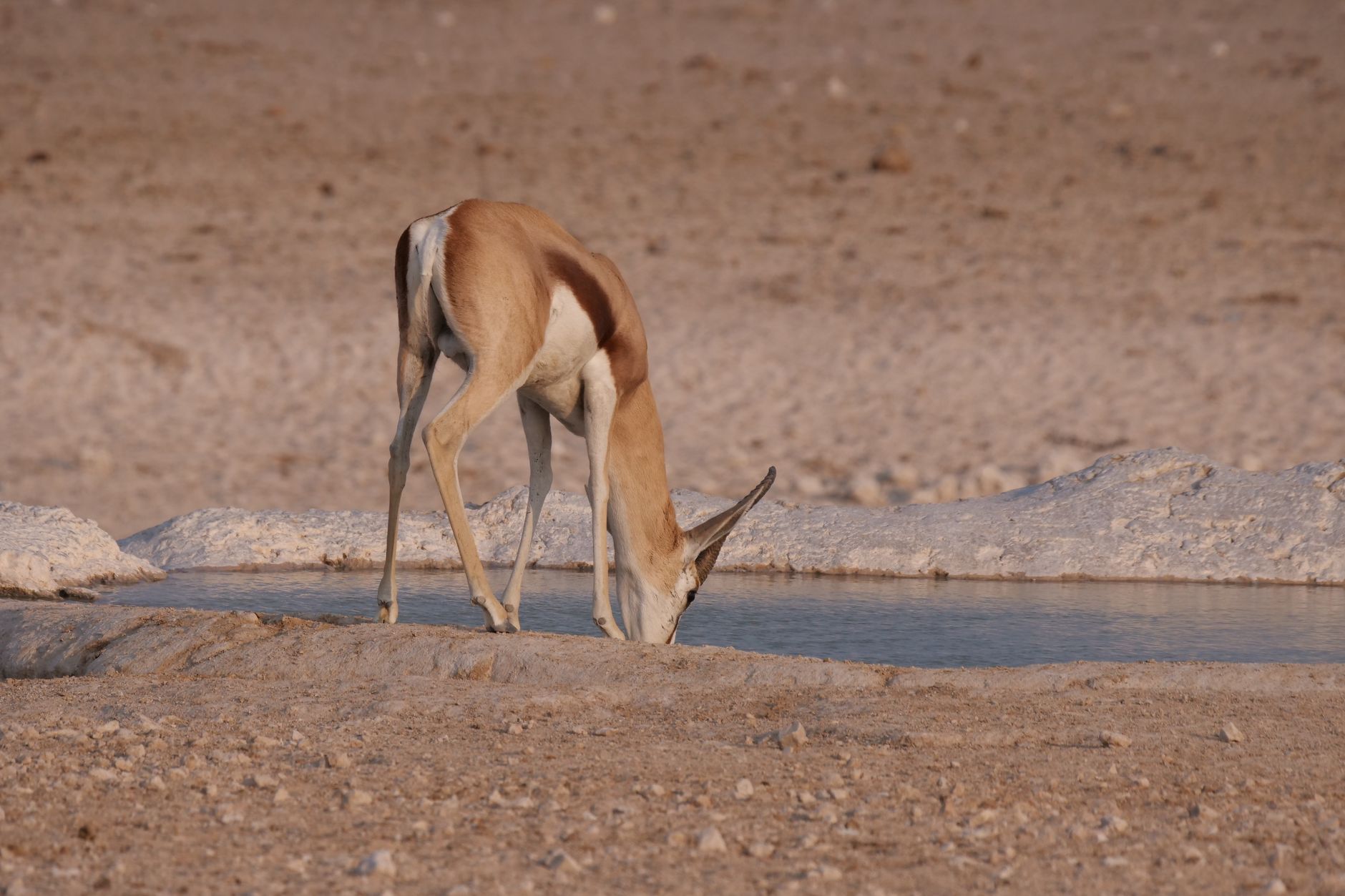
This is the quintessential Etosha experience. Find a promising waterhole on your map, drive there, pick a good position, and turn off your engine. And then, you wait. Patience is everything. The landscape may seem empty at first, but soon you'll notice the subtle movements. A herd of kudu cautiously approaches, a lone jackal trots by, and then, without a sound, a family of elephants appears, materialising out of the heat haze. The key is to be quiet and observant. Scan not just the water's edge, but the entire horizon. This patient approach is what separates a drive-by from a truly memorable safari.
Etiquette & Safety on the Road
Your freedom comes with responsibility. Etosha is a wild place, and the rules are in place to protect both the animals and you.
- Stay in your vehicle at all times. The only exceptions are designated, fenced-in picnic spots and the main camps.
- Adhere to the speed limit, which is 60 km/h. Not only is this safer, but driving slowly is also the best way to spot wildlife.
- Never drive off-road. This damages the fragile ecosystem and is strictly prohibited.
- Do not feed the animals. This creates dependency and can lead to aggressive behaviour.
- Keep your voice down at sightings and waterholes. Noise disturbs the animals and ruins the experience for everyone.
- Give animals the right of way. If an elephant is blocking the road, you wait. Never rush or crowd them, especially at waterholes.
Beyond the Park Gates: Where to Stay
While the park's internal camps are convenient, the private lodges and camps located on conservancies bordering Etosha offer a superlative safari experience, combining proximity to the park with added luxury, exclusivity, and activities like night drives and guided walks that aren't permitted inside the national park itself.
Near Anderson Gate, properties like the luxurious Ongava Lodge provide an exceptional base. Situated on its own private game reserve, it offers guests the best of both worlds: easy access for self-driving into Etosha and exclusive guided activities on the reserve, which is renowned for its rhino population.
To the east, near Von Lindequist Gate, you'll find a different but equally compelling atmosphere. This area often feels lusher and is a fantastic starting point for onward journeys into the Zambezi Region. The choices here cater to various styles, from tented camps to classic lodges, each providing a comfortable haven after a long day of exploration. For those weighing their options, understanding the differences between Namibia's key wildlife areas is crucial, as explored in our post: Damaraland vs. Etosha.
Undertaking this journey allows you to experience one of Africa's greatest wildlife sanctuaries at your own rhythm. With the right preparation and a spirit of adventure, following this Etosha self drive guide will undoubtedly lead you to moments of awe that will stay with you long after the Namibian dust has settled.
Your perfect Namibian adventure is waiting. At Safari Stays, we have handpicked a collection of the finest lodges that serve as gateways to the wonders of Etosha and beyond. Explore our curated selection of Namibian listings and let us help you find the perfect stay for your unforgettable safari.
Ready to plan your trip?
Check live availability, compare lodges and book instantly — or send us an enquiry and we'll help shape the route.