When is the Best Time to Visit Kenya for Safari?
Kenya. The name itself is a whisper of adventure, of vast plains teeming with life and skies so wide they seem to hold the world. It’s a destination woven into the very fabric of safari legend. But for those dreaming of an East African journey, one question rises above all others: when is the best time to visit Kenya for safari? The answer, like Kenya itself, is layered and magnificent, with no single 'best' season, but rather a perfect time for every type of traveller.
At Safari Stays, we believe that travel should be personal. Your perfect safari depends on what you hope to see and experience. Are you dreaming of the thunderous drama of the Great Migration, the quiet solitude of the emerald season, or the joy of seeing newborn animals take their first steps? Kenya offers it all. The country’s climate is broadly divided into two dry seasons and two rainy seasons, each presenting the landscape and its inhabitants in a unique and captivating light.
The Dry Seasons: Classic Safari Splendor (June – October & January – February)
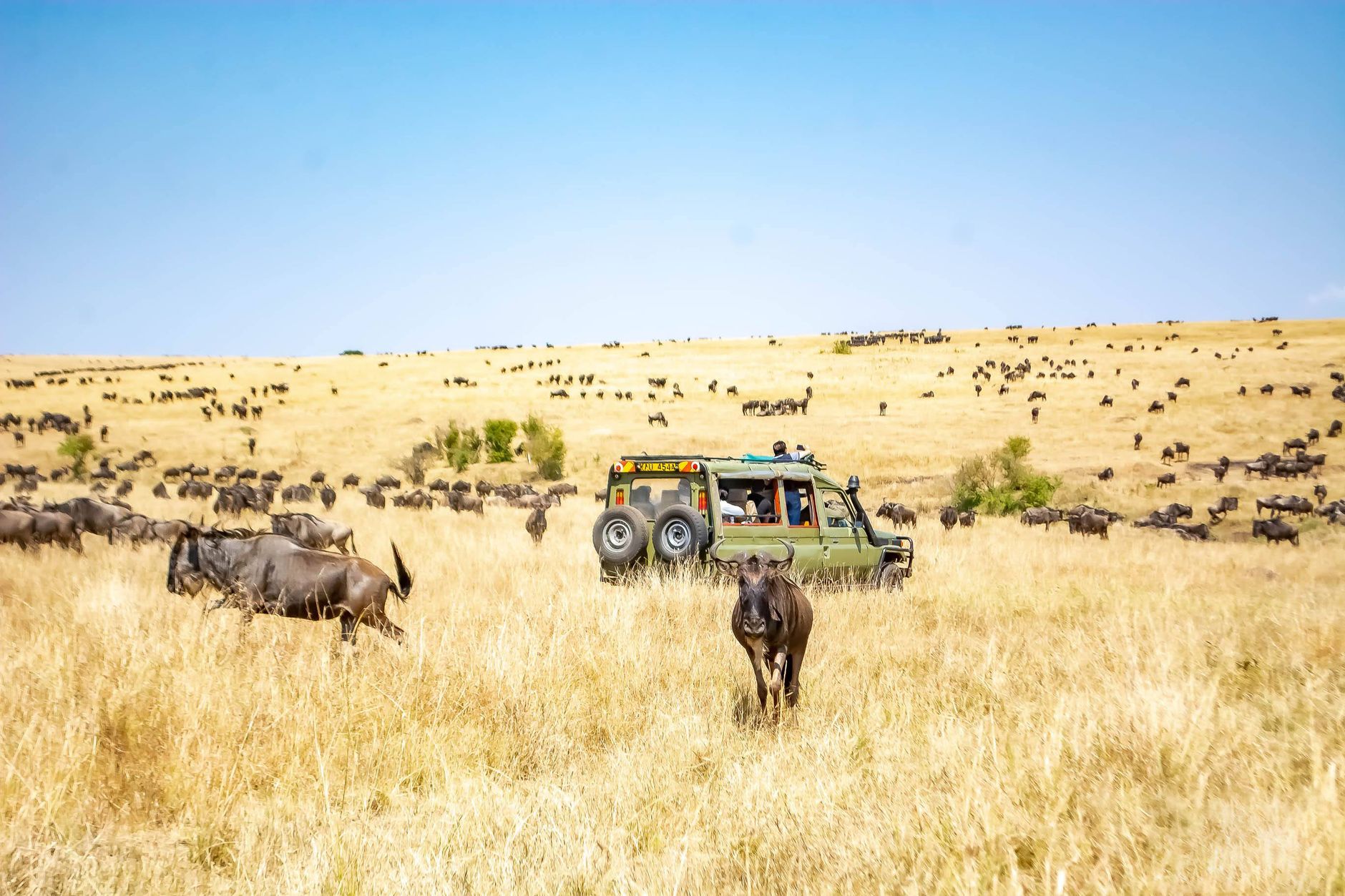
When most people picture a classic Kenyan safari, they are imagining the dry seasons. During these months, the grasses are low and golden, water sources are scarce, and wildlife congregates in predictable, photogenic numbers around rivers and waterholes. This makes for exceptional and accessible game viewing.
The Great Migration Peak (July – October)
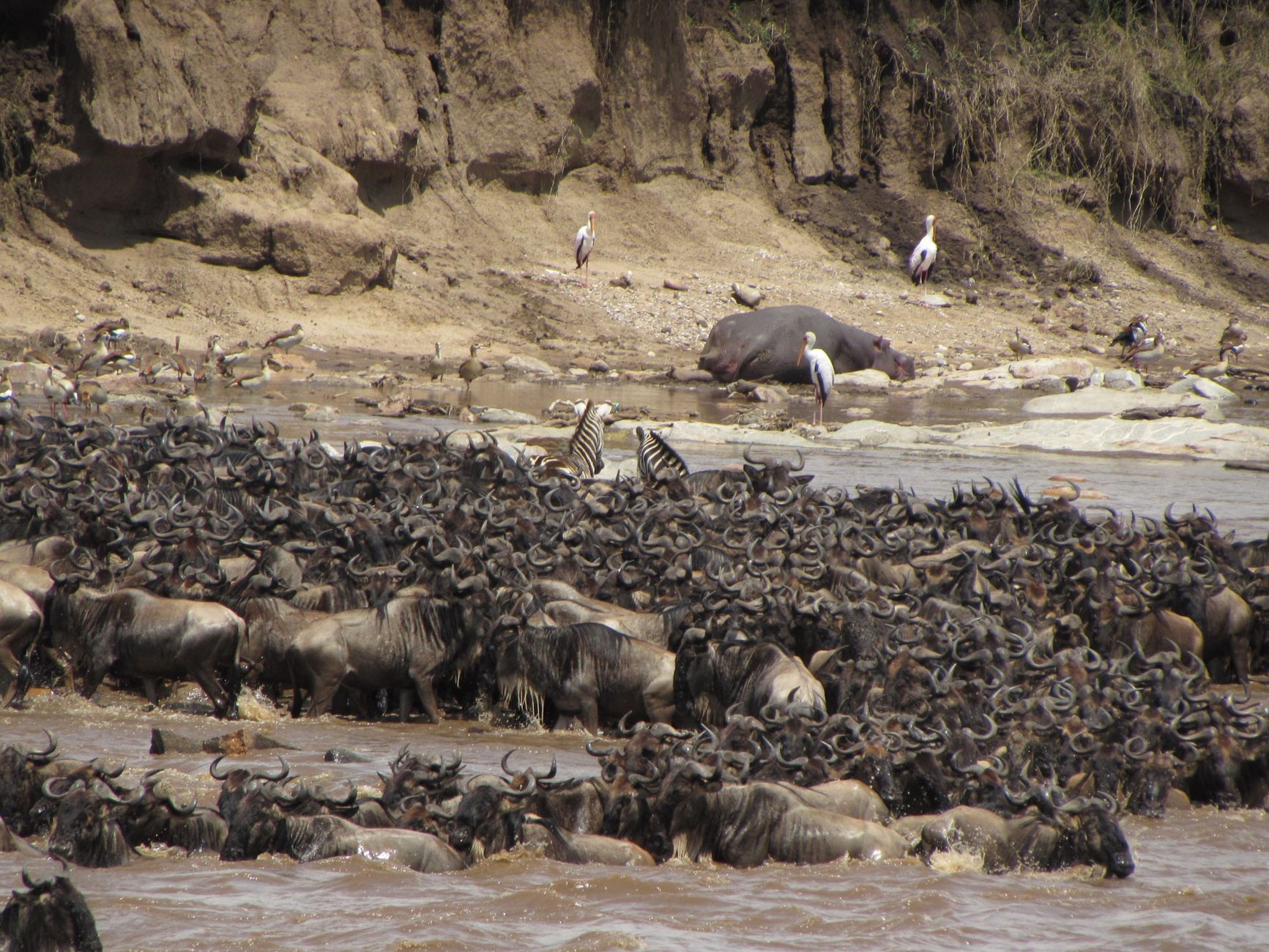
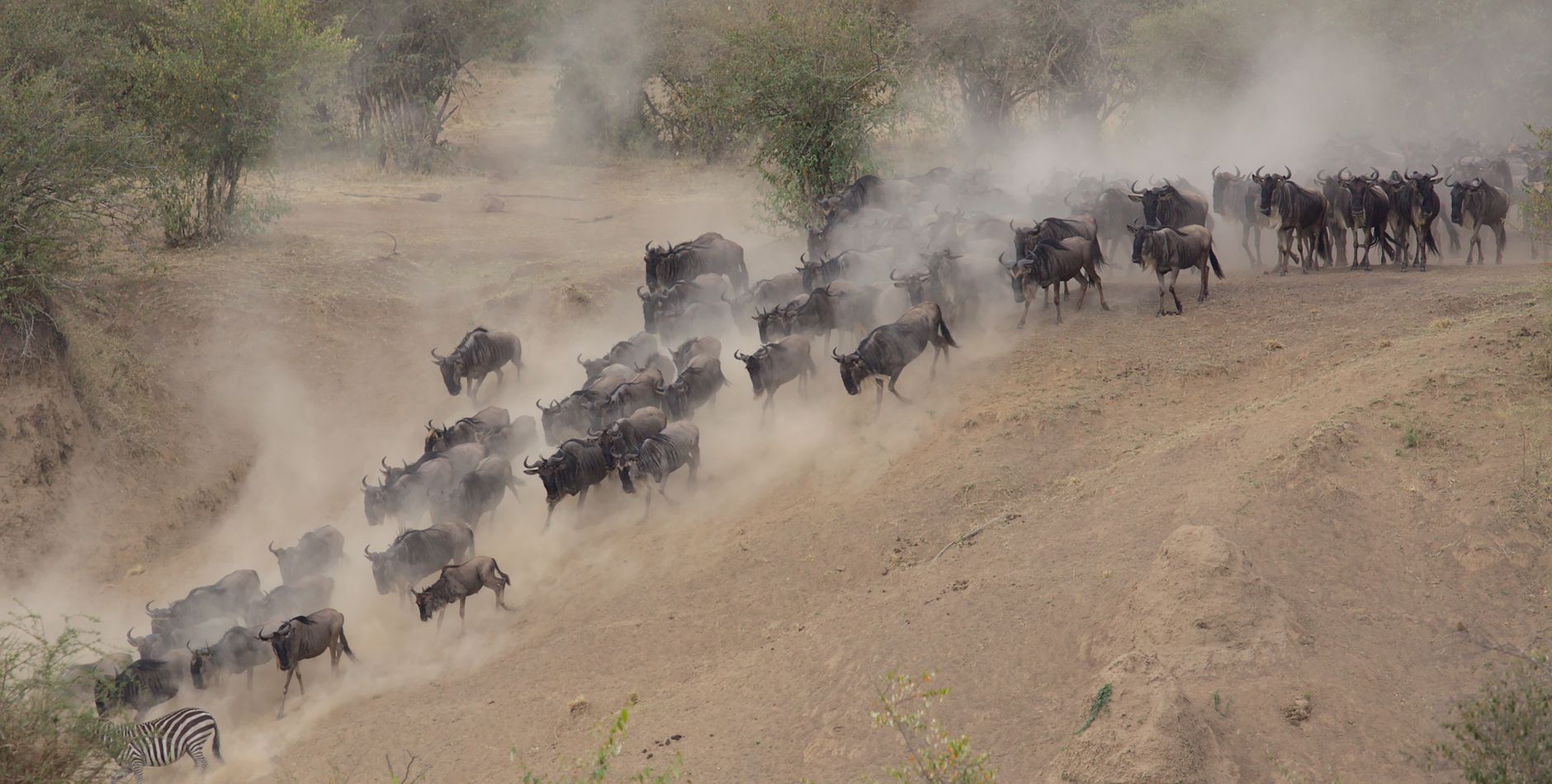
This is, without a doubt, Kenya’s high season. From July, a natural spectacle of epic proportions unfolds in the Maasai Mara National Reserve. Over a million wildebeest, accompanied by zebra and gazelle, pour across the Tanzanian border, driven by an ancient instinct for fresh grazing. Their journey culminates in the dramatic crossings of the Mara River, where crocodiles lie in wait—a raw, powerful display of the circle of life.
During this time, the Mara is electric. Predator action is at its peak, with lions, leopards, and cheetahs taking advantage of the abundance of prey. The plains are a constant procession of wildlife, and the sheer density of animals is breathtaking. Naturally, this is also the busiest and most popular time to visit. Booking well in advance is essential, but the reward is a front-row seat to one of Earth’s greatest wildlife shows. It is the quintessential safari moment, and for many, it defines the Kenyan experience.
The Short Dry Season (January – February)
Often overlooked in favour of the summer months, the short, hot dry season between the rains is a sublime time to be in Kenya. The landscape, still retaining some of its green lustre from the November rains, is beautiful and vibrant. The days are warm and sunny, and the humidity of the coming rains has yet to set in.
This period is particularly wonderful for families and those looking to escape the Northern Hemisphere's winter. It’s a time of new life across the parks, with many animals giving birth. The plains are dotted with wobbly-legged calves and fawns, which in turn attract predators. It’s a fantastic time for birding and offers excellent game viewing in parks like Amboseli, Samburu, and the Laikipia Plateau, often with fewer crowds than the peak season.
The Green Seasons: A Different Kind of Magic (March – May & November – December)
The rains transform Kenya from gold to green. While many travellers are wary of the 'wet' seasons, they offer a unique and deeply rewarding safari experience for those willing to embrace a different kind of beauty. The parks are quiet, the light is magical for photographers, and you often feel as though you have this wild Eden all to yourself.
The 'Long Rains' (March – May)
This is Kenya’s true low season. The 'long rains' bring more consistent precipitation, typically in the form of impressive afternoon thunderstorms that clear to reveal dramatic, saturated sunsets. The dust settles, and the air is crisp and clean. The landscape becomes a tapestry of lush, verdant green, a stunning backdrop for wildlife photography.
While some remote roads can become challenging and a few lodges may close for refurbishment, many of our partner camps, like the stunning Angama Mara perched on the escarpment, remain open. The rewards for travelling at this time are significant: far fewer visitors and lower rates. It’s a season for the connoisseur, the photographer, and anyone seeking a more intimate connection with the Kenyan wilderness.
The 'Short Rains' (November – December)
As the name suggests, the 'short rains' are less intense. Often consisting of brief, refreshing afternoon showers, they do little to disrupt safari activities. This period is a hidden gem. The first drops of rain trigger a burst of life, with migratory birds arriving in their thousands, turning the country into a birder’s paradise.
The scenery is spectacular as the plains begin their transformation to green, and the skies are filled with magnificent cloud formations. It’s a wonderful time to see the country coming alive, offering a beautiful balance of good game viewing and vibrant, lush scenery before the busier festive period begins.
What is the Best Time to Visit Kenya for Safari According to Your Interests?
To help you decide, consider what matters most for your journey. Kenya is a destination for every season, each offering its own distinct allure.
- For the Great Migration: Unquestionably July to October. Brave the crowds and the peak season prices for the ultimate wildlife spectacle in the Maasai Mara.
- For Birdwatching: November to April is peak time, when resident species are joined by a host of Eurasian migrants. Our Kenya's Feathered Wonders: A Birder's Guide has more details.
- For Fewer Crowds and Value: The 'long rains' of April and May offer solitude and excellent rates. It’s a chance to experience the parks in their most peaceful state.
- For Photography: The green seasons (November-May) are a photographer’s dream, with dramatic skies, vibrant colours, and minimal dust.
- For Newborn Animals: January and February are prime calving and birthing seasons across many parks, offering heartwarming scenes of new life.
- For All-Round Great Weather and Game Viewing: June to October and January to February are the classic dry seasons, offering reliable and abundant wildlife sightings.
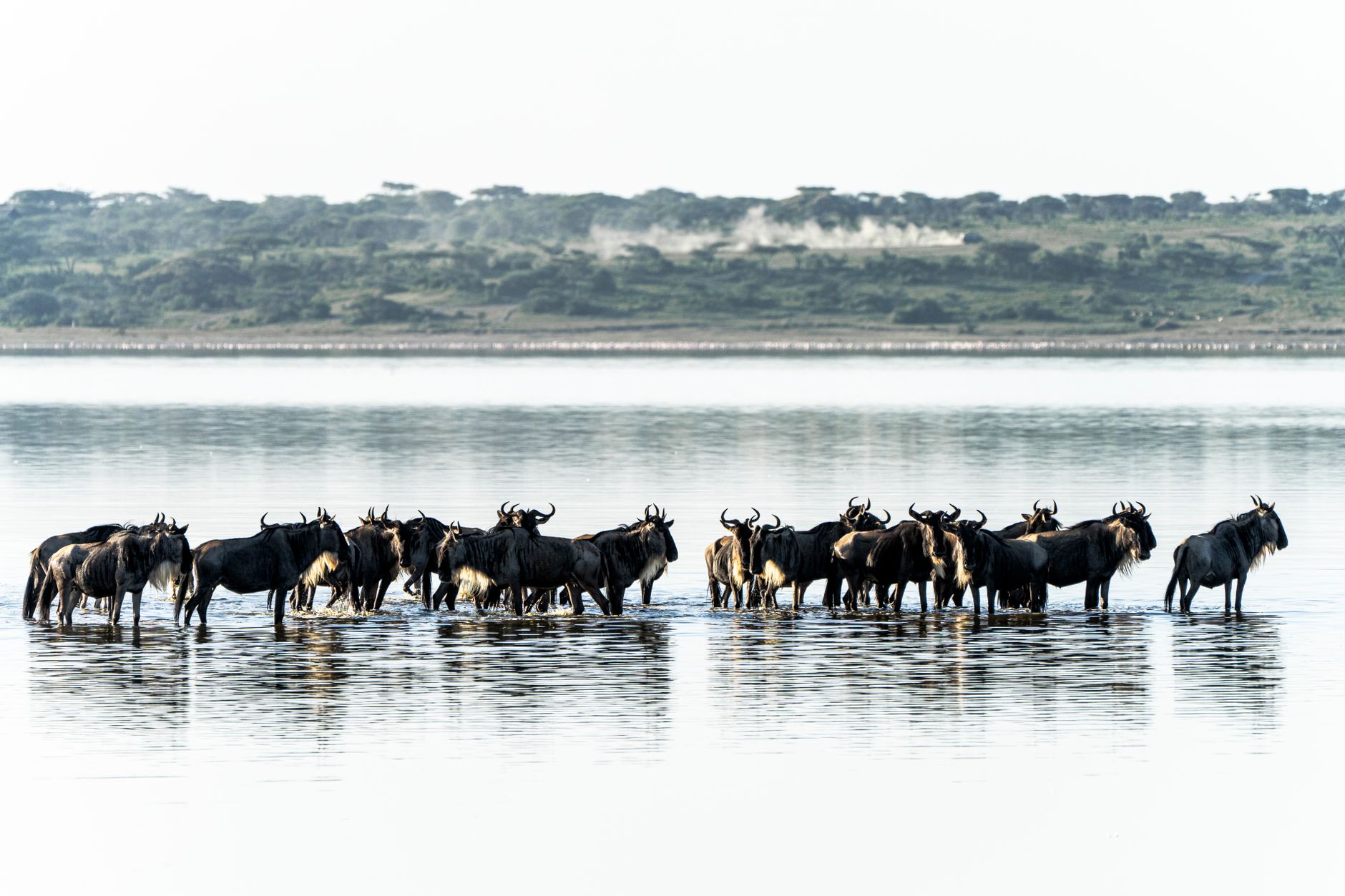
Ultimately, deciding on the best time to visit Kenya for safari is a personal choice between the high-octane drama of the peak season and the quiet, verdant beauty of the green season. There is no wrong answer. From the sun-baked plains of Samburu to the vast grasslands of the Mara, Kenya’s rhythm of life is constant, profound, and endlessly welcoming.
Whenever you choose to travel, a world of unforgettable moments awaits. Let us help you find the perfect setting for your Kenyan story. Explore our collection of curated lodges and camps, and begin planning the adventure of a lifetime.
Ready to find your Kenyan escape? Browse our collection of safari lodges and camps in Kenya.
Ready to plan your trip?
Check live availability, compare lodges and book instantly — or send us an enquiry and we'll help shape the route.