Botswana: A Guide to the Wet vs Dry Season

The question of when to visit Botswana is one we often hear. It’s a thoughtful query, as the country offers not one, but two distinctly magical safari experiences, each painted with a different palette and humming with its own unique rhythm. The choice between the wet vs dry season Botswana is less about finding a “better” time and more about aligning your visit with the kind of African journey you have always imagined.
At Safari Stays, we believe that understanding this seasonal duality is the key to unlocking an unforgettable safari. This guide is crafted to walk you through the nuances of each season, from the vast animal congregations of the dry months to the vibrant, secret beauty of the green season.
Understanding Botswana's Climate: A Tale of Two Seasons
Botswana’s climate is semi-arid, defined not by dramatic temperature swings of summer and winter, but by the presence or absence of rain. This creates two primary seasons: the Dry Season (roughly May to October) and the Wet, or 'Green,' Season (November to April).
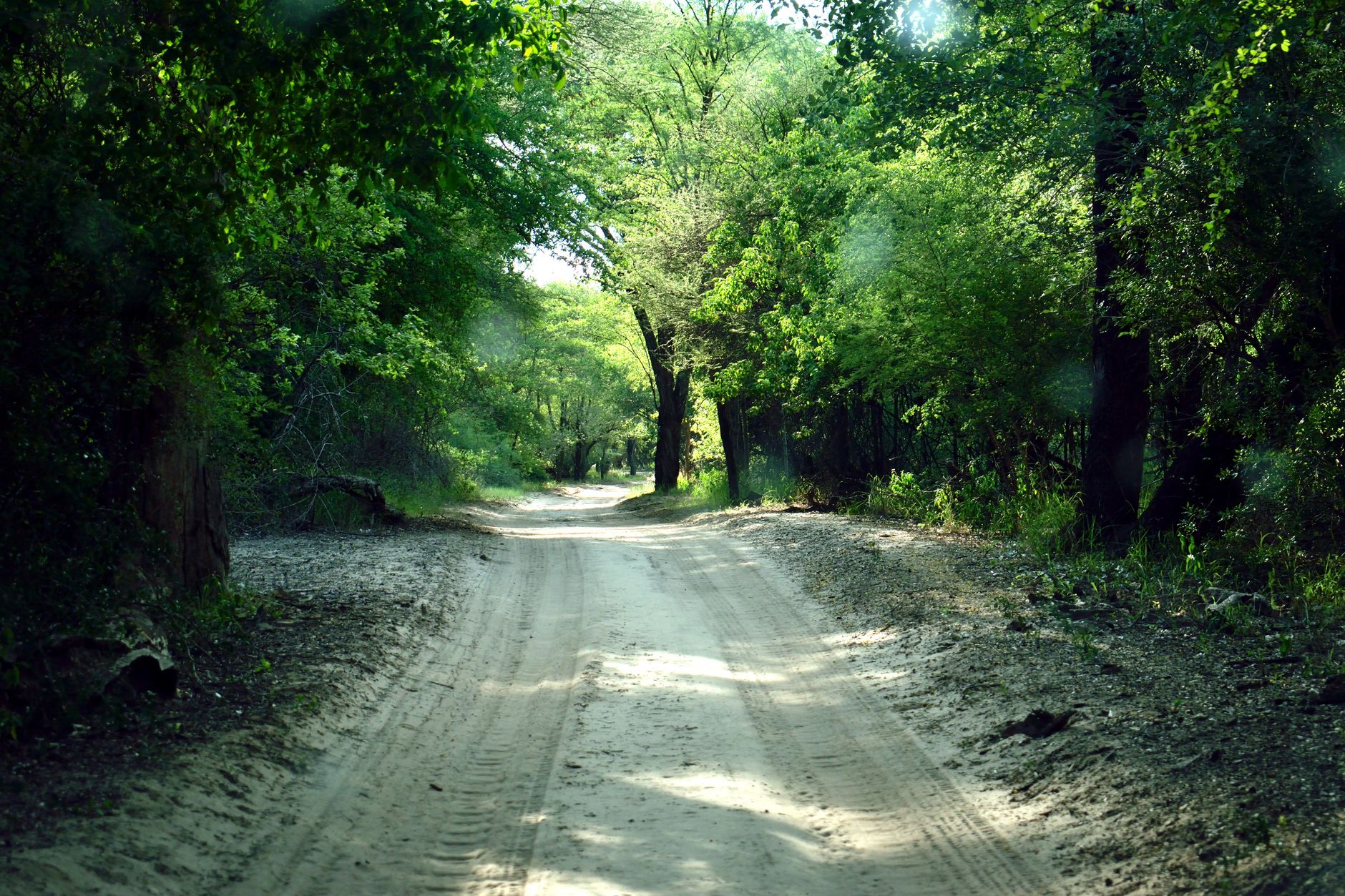
These seasons dictate the movement of wildlife and transform the landscape in profound ways. The dry season sees the plains of the Kalahari turn to gold, while the life-giving waters of the Okavango Delta become a magnet for game. Conversely, the summer rains of the green season trigger a miraculous rebirth, carpeting the country in emerald grasses and signalling a time of plenty.
The Dry Season (May – October): Classic Safari Splendour
For many, Botswana’s dry season is the quintessential safari backdrop. The air is crisp and clear, the skies are a vast, unbroken blue, and the wildlife viewing is, without exaggeration, phenomenal.
H3: Wildlife Viewing: The Great Concentration
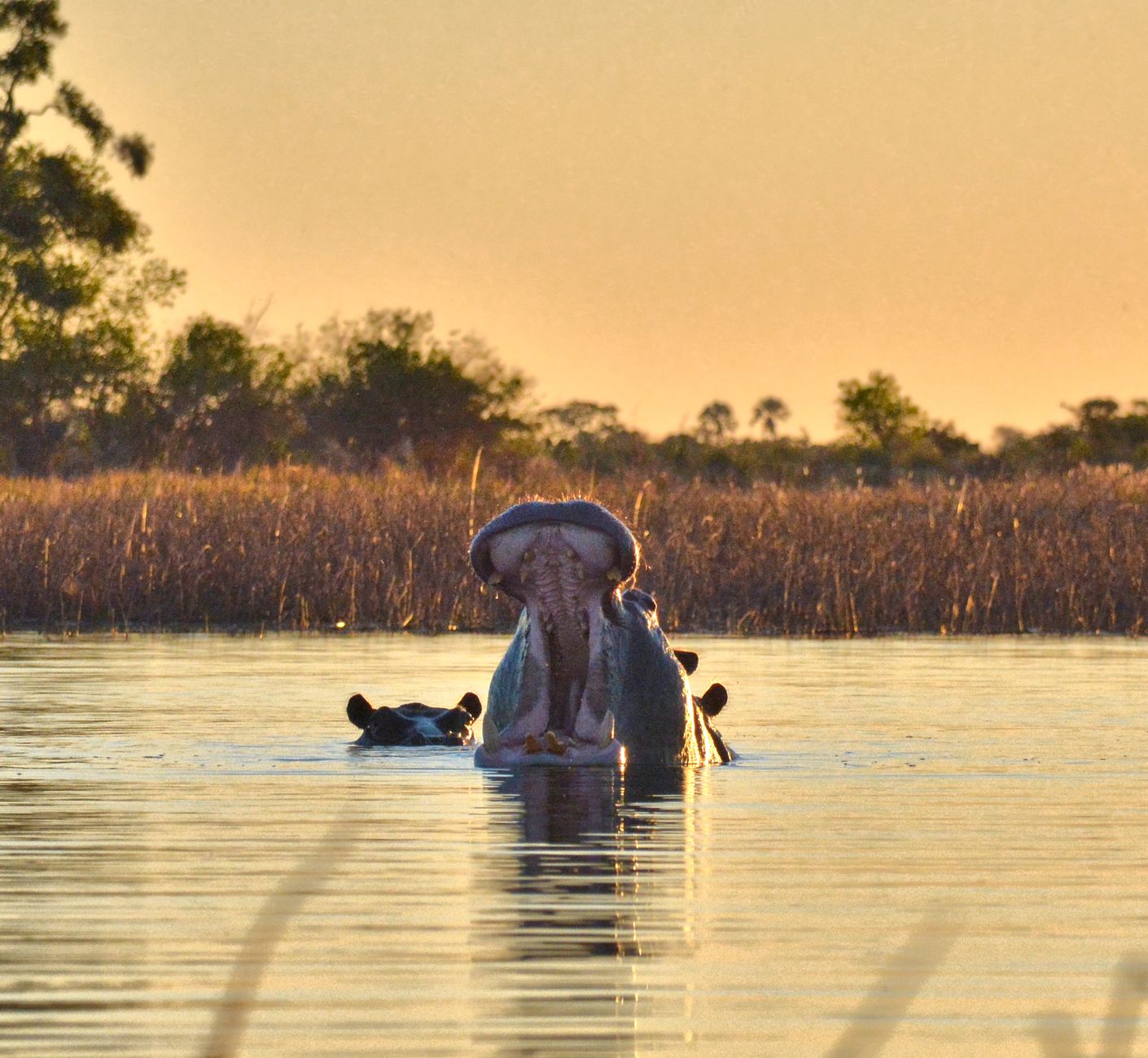
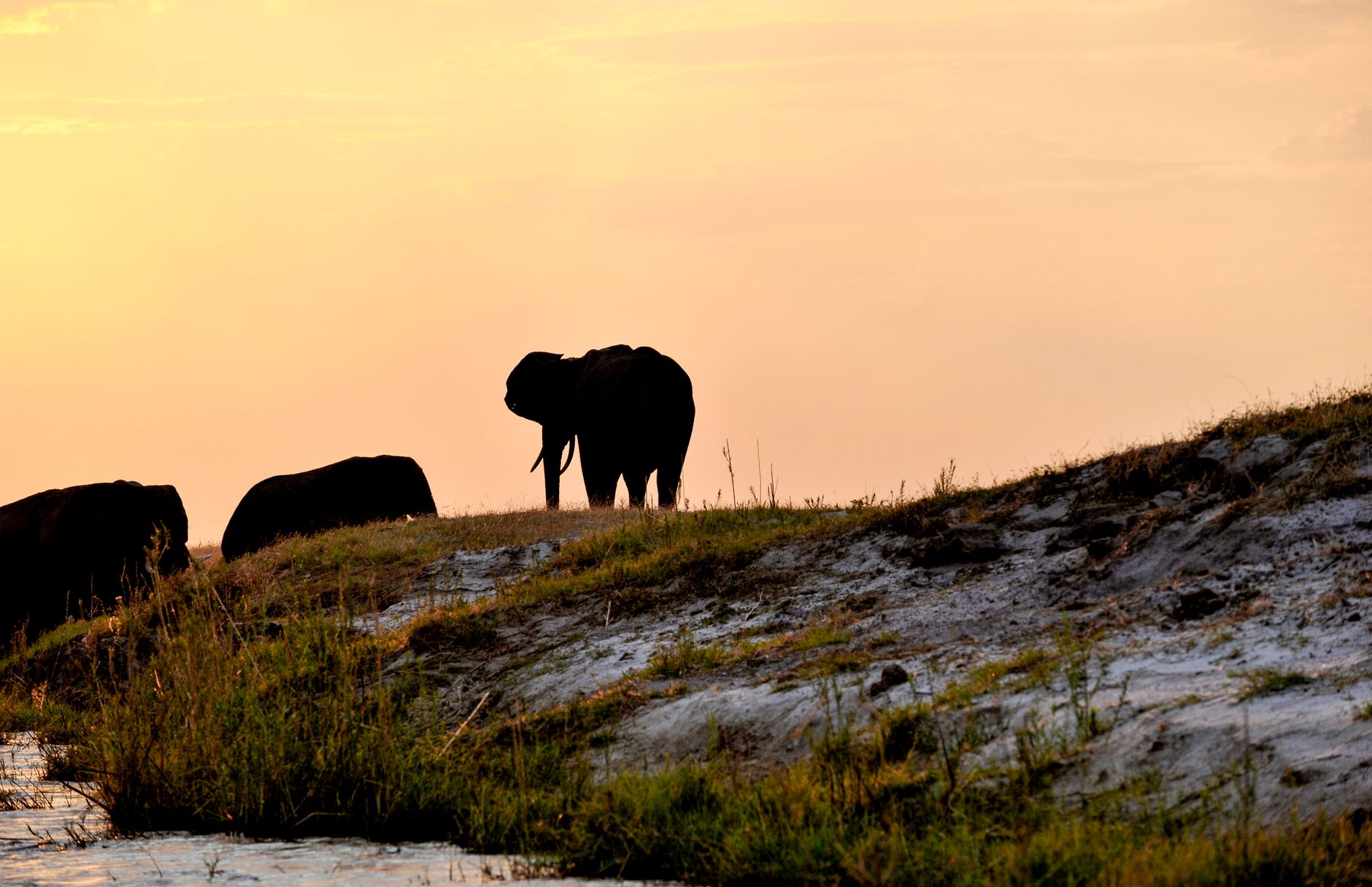
As the ephemeral water pans across the landscape evaporate under the winter sun, wildlife is forced to congregate around the few permanent water sources. The banks of the Chobe River become a stage for breathtaking elephant parades, numbering in the hundreds, while lagoons in the Okavango Delta and Moremi Game Reserve attract a constant procession of animals.
This is the time when the bush thins out, making animals easier to spot from a distance. Predators know this, and the daily drama of the hunt often plays out around these vital waterholes. If your dream is to witness immense herds and classic predator-prey interactions against a stark, dramatic landscape, the dry season delivers in spades. For more on this prolific region, see our guide to Chobe National Park.
H3: Landscape and Experience
The African winter is famously mild. Expect cool, often chilly, mornings and evenings that call for a warm jacket on your game drive, but gloriously pleasant and sunny afternoons. The dust from the vehicle tracks becomes part of the experience, catching the golden light of late afternoon.
Critically, this is when the annual floodwaters from the Angolan highlands, which began their journey months earlier, finally arrive in the Okavango Delta. The Delta swells to three times its normal size, creating a labyrinth of channels and islands best explored by mokoro (traditional dugout canoe). Gliding silently through these waterways, eye-level with reed frogs and drinking elephants, is an experience that defines the soul of Botswana.
H3: The Dry Season in Summary
- Pros: Peak wildlife viewing as animals gather at water sources. Thinner vegetation makes spotting easier. Weather is moderate and sunny with very few mosquitos. The Okavango Delta flood is at its peak, ideal for water activities.
- Cons: Can be cooler, especially in the mornings (June-August). Popular areas can be busier with more vehicles. Prices are at their peak. The landscape can be dusty and stark.

The Wet vs Dry Season Botswana Question: The Case for Green (November – April)
Often called the 'secret season' or 'emerald season,' Botswana's wet season is a time of dramatic transformation and renewal. While the name might suggest constant downpours, the reality is typically short, intense afternoon thunderstorms that clear the air and leave behind a world washed clean and gleaming.
H3: A Lush and Vibrant Landscape
The first rains in November break the long thirst of winter, and the effect is instantaneous. A green flush spreads across the plains, wildflowers burst into bloom, and the air is filled with the scent of rain on dry earth. For photographers, this season is a paradise. The colours are saturated, the skies are filled with dramatic cloud formations, and the contrast of dark storms against a sunlit horizon provides endless creative opportunities.
H3: Wildlife in the Wet Season: A Different Perspective
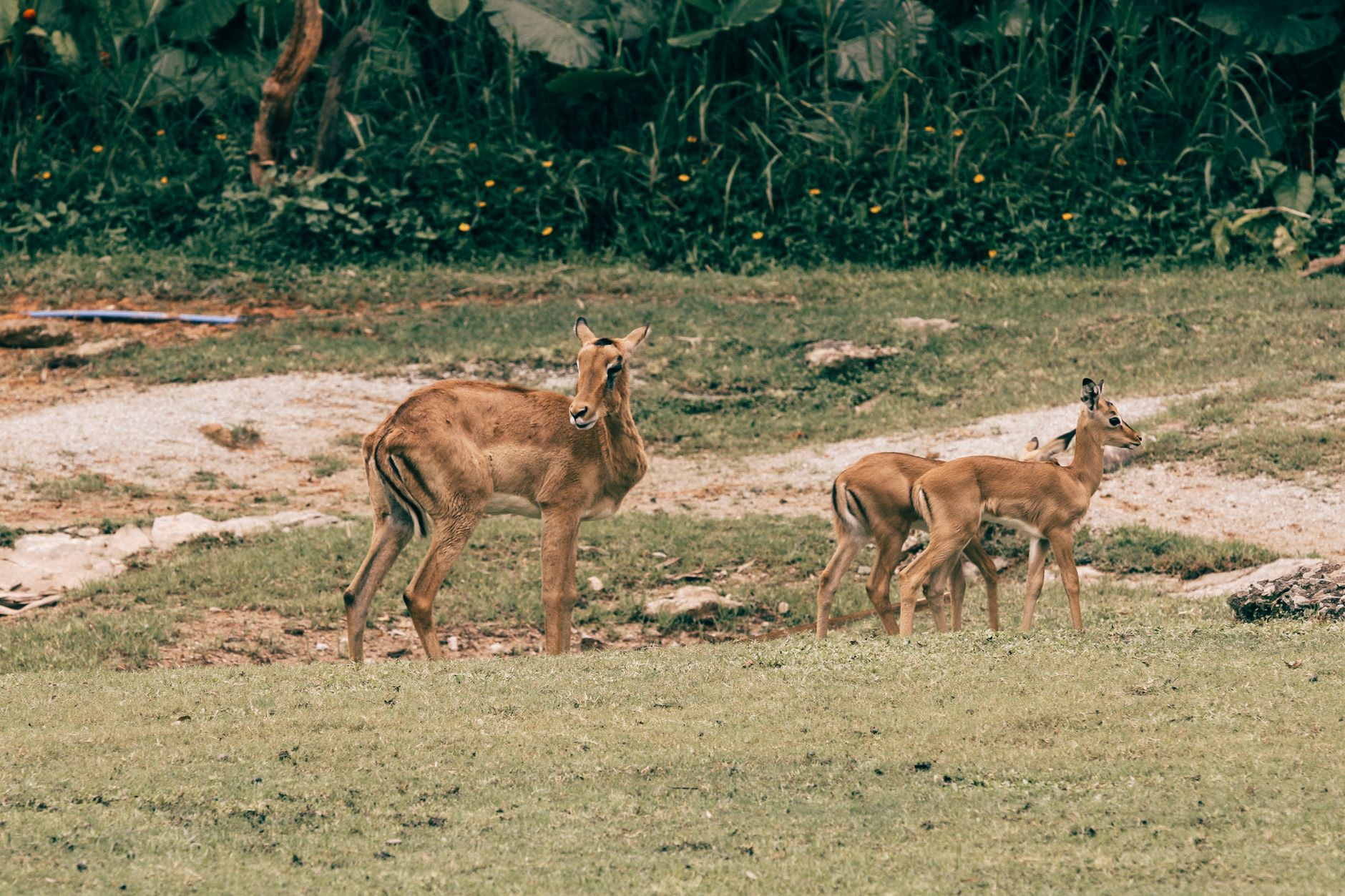
With water and food abundant everywhere, wildlife disperses. While you may not see the same sheer concentrations as in the dry season, the viewing is no less rewarding—it’s simply different. This is the birthing season for many antelope species, and the plains are filled with wobbly-legged newborns. This abundance of vulnerable prey creates a feast for predators, and sightings of cheetah, lion, and wild dog on the hunt are common.
It is also a spectacular time for birding, as thousands of migratory birds arrive from the northern hemisphere, donning their breeding plumage. The cacophony of sounds and the flash of colourful wings adds another layer to the safari experience.
H3: The Wet Season in Summary
This is the season for the safari connoisseur or the traveller looking for something different. You trade the crowds for a more intimate, private experience. Lodges like the inimitable Mombo Camp, renowned for its year-round game, offer a superb green season experience. It is a time of incredible abundance and new life, showcasing the resilience and beauty of the African bush.
So, Which Season is Right For You?
Ultimately, there is no single 'best' time to visit. The choice depends entirely on your priorities.
If you are a first-time visitor to Africa, eager to tick off the 'Big Five' and experience guaranteed, high-density wildlife encounters, the Dry Season (May-October) is an impeccable choice. The conditions are easy, and the game viewing is straightforward and spectacular.
If you are a keen photographer, an avid birder, or a repeat visitor who appreciates solitude and seeing a landscape at its most vibrant, the Green Season (November-April) will captivate you. Its dramatic beauty, lower prices, and scenes of new life offer a deeply rewarding, alternative safari.
Making the decision between the wet vs dry season Botswana is the first step in crafting your journey. Each holds its own magic, promising memories that will last a lifetime. The constant, however, is the warmth of the Botswanan people and the wild heart of this incredible country.
Ready to explore the possibilities? Each of our hand-picked properties offers a unique window into the magic of Botswana, no matter the season. Browse our collection of exceptional safari lodges and begin planning your adventure.
Ready to plan your trip?
Check live availability, compare lodges and book instantly — or send us an enquiry and we'll help shape the route.